You’re probably overfeeding, and most advice just sells you more powder.
Aim for half the recommended dose, then adjust.

Fine zooplankton blend for Goniopora and zoanthids; boosts feeding response without clouding water.

Liquid coral food with tiny particles; easy on skimmers and great for LPS.

High-protein pellets for large-polyp corals; promotes vivid growth and color.
Check discounted items inAquarium Food
Feed a few hours before lights dim—dusk matches corals’ natural rhythm and improves uptake.
For SPS, try PolypLab Reef Roids ($20 per 100g) via pinpoint target feeder.
LPS? Go with Fauna Marin Ultra LPS (one pellet per polyp) or Oyster Egg Feast ($25 a bottle).
Toss in live copepods as a continuous snack.
Hard truth? Cut feeding if phosphate spikes.
Stick to this plan and you’ll actually see growth—keep scrolling for the gritty details.
At A Glance
- Match food particle size to coral type, not tank volume.
- Feed a few hours before lights dim to align with natural rhythms.
- Use half recommended dose, observe, then adjust to prevent overfeeding.
- Turn off flow for hand-feeding large polyps with tweezers.
- Reactivate skimmer 30 minutes post-feeding to catch leftovers.
Why Most Coral Feeding Advice Is Wrong
Since most coral feeding advice comes from people selling you something, you’re probably overfeeding, underfeeding, or feeding the wrong stuff. You want your reef to thrive, not just survive, and you’re part of a tribe that knows better.
Here’s the fix: ignore the hype. Coral Frenzy packs 53.7% protein, yeah, but Oyster Egg Feast delivers wild growth in three months. Reef Roids? Great for Goniopora, a gimmick for SPS. Your corals need variety—a mix of particle sizes and nutrients, not one magic powder. Match food to coral type, not tank volume. Overfeeding wrecks water quality fast. Start with half the recommended dose, observe, adjust. You belong to the smart reefers who feed with precision, not sales pitch. For reef tanks, Prodibio’s neogoutte slow-release technology ensures gradual nutrient uptake from fat‑soluble vitamins without spiking your water.
How Corals Get Energy From Food and Light
How do your corals actually eat? They’re not picky, but they’ve got a system.
You’ve got two main energy highways: light and food.
Your corals’ tentacles snatch zooplankton, fish eggs, and debris—think mucus nets and sticky fingers.
Your corals’ tentacles snatch zooplankton, fish eggs, and debris—think mucus nets and sticky fingers.
That’s where you step in with Reef Roids (150‑200µm) or Coral Frenzy (53‑1700µm).
Broadcast or target feed, but time it right: feed a few hours before lights dim.
Overdo it? You’ll get algae, not growth.
Feed smart, match their biomass, and you’re in the club.
Your corals will thank you—no, really, they will.
Just ensure high light transmission reaches them by using a clear mesh aquarium lid to prevent fish from jumping.
Zooxanthellae Provide 60% of Coral Energy
Think of your coral as a tiny solar-powered factory, but with a lazy boss.
That boss is the zooxanthellae—microscopic algae living inside your coral’s tissue.
They hand over glucose, glycerol, and amino acids, covering about 60% of your coral’s energy needs.
It’s basically plant-made food, no hunting required.
Here’s the catch: this is carbon-rich, nitrogen-poor “junk food.”
Your coral still needs to catch real meals for healthy growth.
Maintain pH stability at 8.3 after each dosing for optimal absorption.
Let your factory do its job, but don’t let the boss slack off completely.
Why Corals Need Nitrogen and Phosphorus
Since zooxanthellae only give your coral carbon-rich “junk food,” it’s like living on soda and candy—you get energy, but you’re starving for real nutrients. Your corals need nitrogen and phosphorus to build their bodies; without them, they can’t grow new tissue.
| Nutrient | Why Your Coral Craves It |
|---|---|
| Nitrogen | Builds proteins and amino acids—the bricks for cell growth |
| Phosphorus | Fuels DNA and cell membranes—the construction crew |
| Both | Turns that carbon energy into real, solid coral skeleton |
| Deficiency | Pale polyps, no growth, angry colors—yep, your coral’s hangry |
You’re in the know now—feed the whole nutrient picture, not just the sugar rush. If your phosphate levels spike, products like Seachem PhosGuard can help keep the water balanced.
The Best Coral Food for Zooxanthellae-Powered Corals
Although you’ve already mastered why corals need nitrogen and phosphorus, the real challenge is picking the right food to deliver those nutrients without wrecking your water quality.
For your zooxanthellae-powered corals—those getting about 60% energy from their symbiotic algae—you want a fine powder that supplements without overwhelming.
PolypLab Reef Roids hits the sweet spot. Its 150–200µm particles feed Goniopora and zoanthids without clouding your tank. Just mix, broadcast, and watch.
Coral Frenzy’s 53.7% protein works too, but you’ll need to pre-mix carefully. Stick with particle sizes under 200µm for these corals. Your water quality thanks you.
To maintain precise dosing, consider a digital temperature controller that ensures your tank’s environment stays stable while feeding.
Feed Corals at Dusk for Best Results
Since corals evolved to feed when the sun dips low, you’ll get the best results by dropping food into your tank a few hours before lights out.
You’re syncing with their natural rhythm—zooxanthellae have already pumped out energy all day, and now your corals stretch their tentacles, ready to catch a meal.
Miss this window, and you’re basically serving cold dinner to a sleepy reef.
Broadcast a fine powder like Reef Roids first, then target-feed your LPS with a pellet or two.
Your corals will thank you with better growth and color.
Don’t overthink it—dusk feeding just works.
This approach also benefits from quiet filtration to avoid disturbing corals during their feeding response.
Target Feed vs. Broadcast Feed: Which Works
You can think of target feeding and broadcast feeding like the difference between a precision surgeon and a confetti cannon—both get the job done, but one is a lot messier.
Here’s how they stack up:
- Target feeding uses a suction tube to drop food directly on polyps, reducing waste—perfect for picky LPS corals like *Goniopora*.
- Broadcast feeding pours food into flow, feeding everything but losing particles to rocks and your skimmer—works great for SPS.
- Hand feeding places meaty chunks on large polyps with tweezers, a fun bonding moment.
- Skimmer management: turn it off during broadcast to avoid foam, but leave it on for target feeds.
Bottom line: target for control, broadcast for coverage—choose your style.
For effective broadcast feeding, simulate targeted flow using a rotatable outflow to deliver food directly to polyps.
Top 5 Coral Foods for LPS and SPS Compared
Let’s break down the top five coral foods for LPS and SPS like we’re comparing five different chefs—each brings a distinct recipe, but only some will satisfy your picky eaters.
PolypLab Reef Roids – a zooplankton blend (150–200 µm). Good for Goniopora and zoanthids, but not all SPS love it.
Fauna Marin Ultra LPS – pellets with 75% marine protein. Perfect for big‑polyp coral fans.
Two Little Fishies Marine Snow – liquid, 20–150 µm particles. Easy on skimmers, great for LPS.
Kent Marine Phytoplex – tiny 2–15 µm particles for SPS, clams, and sponges.
Coral Frenzy – powder, 53%+ protein, 53–1700 µm range. Fits both LPS and SPS.
Bottom line: Mix a liquid (Marine Snow) with a protein‑packed powder (Coral Frenzy) for best results. For a similar balanced approach in planted tanks, consider using kelp-enhanced growth formula from Aqueon to boost plant and fish health simultaneously.
Reef Roids vs. Coral Frenzy: Powder Showdown
Reef Roids and Coral Frenzy are the two heavyweight powders in the coral feeding ring, and choosing between them boils down to your coral’s particle size preferences. You’re part of the club that wants happy polyps, not a cloudy mess.
- Reef Roids (150‑200 µm) targets Goniopora and zoas with a natural zooplankton blend—perfect for picky LPS.
- Coral Frenzy (53‑1700 µm) feeds everyone from SPS to softies, packing 53.7% protein from roe and bacteria.
- Reef Roids costs $20/100g; Frenzy runs $16/45g.
- Mix Frenzy with tank water, then broadcast or target feed.
Bottom line: use Reef Roids for precision, Coral Frenzy for variety. Your call.
For consistent calcium and alkalinity delivery in a reactor, consider Reborn Calcium Reactor Media which uses coarse fossil aragonite granules.
Oyster and Prawn Eggs Supercharge Coral Growth
Want to boost coral growth without the powder mess? Oyster and prawn eggs deliver raw, natural protein your corals crave. Oyster Egg Feast uses tiny 1–200 µm particles you broadcast in high flow—expect dramatic gains in three months. Nutramar Ova’s frozen prawn eggs hit 31% protein, perfect for tricky SPS. For stable habitat bonding, Instant Ocean HoldFast provides a fish-safe epoxy that dries white like sand.
Why they work:
- High in nitrogen for tissue-building, compensating zooxanthellae’s “junk food”.
- Natural bloom risk low if you match food to coral biomass.
Bottom line: Skip the blender. These eggs give you cleaner water, bigger polyps, and fewer stained fingers. Your tank will thank you.
How to Feed SPS Corals Without Waste
Why dump a cloud of expensive powder into the water column, only to watch most of it vanish into the skimmer or settle on the rocks? You’re better than that, and your SPS corals are, too.
- Use a pinpoint target feeder – Squirt food like PolypLab Reef Roids (150-200 µm) directly onto each colony, with pumps off for ten minutes.
- Match particle size to polyp – Tiny polyps need tiny particles; Kent Marine Phytoplex (2-15 µm) won’t overwhelm them.
- Feed just before lights dim – That’s when polyps extend, ready to grab every morsel.
- Skim afterward, not during – Turn your skimmer back on thirty minutes post-feeding to catch leftovers.
Stick to this, and you’ll waste less powder, grow more coral. Simple math.
Additionally, efficient foam production from a properly sized skimmer reduces pump runtime, complementing your feeding schedule.
Feed LPS Fleshy Foods for Rapid Growth
You’ve nailed the SPS game—tiny particles, surgical precision, lights-out timing. Now, for your LPS, you’ve gotta go big. Fleshy foods meant for hefty polyps; they crave meaty chunks, not dust. My Acans doubled in three months on this, no joke. Consider pairing feeding with a CO₂ diffuser to boost photosynthesis and nutrient uptake in your tank.
| Food | Perk |
|---|---|
| Oyster Egg Feast | Explosive growth, $25/bottle, three-month cycle |
| Fauna Marin Ultra LPS | One pellet per polyp, 75% protein |
| Nutramar Ova | Frozen prawn eggs, 31% protein |
| Fresh shrimp bits | Direct placement, zero waste |
| Coral Frenzy | 53% protein, 45g jar lasts months |
Hand-feed with tweezers. Turn off flow, watch them feast. You’re in the club now.
Add Live Plankton as Continuous Coral Food
Hand-feeding’s fun, but it’s not the whole story. You’re missing the constant buffet that live plankton provides.
Drop in a liquid culture of Tisbe copepods—they’re tiny, about 0.7 to 1.0 microns, and your SPS, LPS, and clams will love them. They additionally graze algae, keeping your tank cleaner.
Drop in a liquid culture of Tisbe copepods; your corals will devour them and your algae problem disappears.
Here’s why you’ll want them:
- They’re a continuous, self‑sustaining food source.
- High in crucial fatty acids and enzymes corals need.
- They clean up organic debris as they live.
- Just add a dose weekly; they’ll reproduce and keep your reef fed.
- Each bottle contains over 3,000 live Tisbe copepods that reproduce and clean your substrate.
Go ahead, join the plankton‑fed crowd.
Avoid Algae Blooms When You Feed Heavily
Since you’re pumping in all that coral food, you might notice the water turning green—or worse, a sudden bloom of hair algae taking over your rockwork.
That’s your tank telling you you’ve crossed the line.
Match food to coral biomass, not tank volume; a 100‑gallon tank with ten corals doesn’t need a tablespoon of Oyster Egg Feast daily.
Use a skimmer—it’s your first defense against nutrient overload.
Test your phosphate and nitrate weekly; if they spike, cut feeding by half.
Consider using a glass drop checker to monitor your CO₂, as even coral‑dominated systems benefit from balanced gas levels.
You’re part of a smart reefing crew—feed heavy but stay sharp, and your corals will thrive without the green mess.
Your Weekly Coral Feeding Schedule
As you can just wing it and still keep coral alive, a weekly schedule turns good intentions into actual growth. Here’s your rhythm, no guesswork:
- Monday – Broadcast Reef Roids. Mix 1 scoop in tank water, dump into high flow. Feeds your SPS and softies with a plankton punch.
- Wednesday – Target feed LPS. Place one Fauna Marin pellet per polyp, flow off. Watch those tentacles grab it like a kid with candy.
- Friday – Broadcast Marine Snow. Pour 5 mL per 20 gal near the pump. This liquid snow delivers trace elements, no skimmer drama.
- Sunday – Optional Oyster Egg Feast. Spoon 1 Tbsp per 100 gal, high flow. Your corals turn greedy in three months.
For added pest control during dips, consider a plant‑based botanical extract formula to reduce stress on fragile new frags.
You’re feeding with purpose. That’s your crew now.
Frequently Asked Questions
How Long Can Commercial Coral Foods Be Stored?
Most commercial coral foods last 1–3 years if unopened and stored in a cool, dark place—check the label, but don’t stress.
Once opened, dry powders like Reef Roids or Coral Frenzy stay good for about 6 months if you seal the bag tight, whereas liquids like Marine Snow degrade faster, losing potency in 3 months.
Refrigerating after opening helps, especially for oyster eggs.
Your corals won’t judge you for using a slightly dusty jar, but don’t push it past expiration—rotting food just messes up your tank.
What Is the Best Way to Thaw Frozen Coral Foods?
Just drop the frozen cube into a cup of tank water and let it thaw naturally—no microwaves, no hot tap water.
Once it’s liquid, pour it through a fine mesh strainer (a brine shrimp net works great) to rinse away any excess gunk.
Then broadcast it into high flow or target feed with a pipette.
Easy, right? You’ll avoid polluting your tank and keep those picky LPS happy.
Bottom line: slow thaw, strain, feed.
Can I Feed My Corals Too Much Live Plankton?
Yes, you can definitely overdo it with live plankton.
Too much at once spikes nutrients, fueling algae blooms instead of your corals.
Stick to a small dose, like half a capful per 100 gallons, and let your tank’s coral count guide you.
More isn’t better—it’s just messy.
Experiment, watch your polyps, and cut back if water gets hazy.
Keep it steady.
Do All Corals Need the Same Feeding Frequency?
No, they definitely don’t. You can’t feed a finicky SPS like an LPS pig.
Broadcast powdered foods like Coral Frenzy daily works for filter-feeders, but you’ll hand-feed a meaty LPS pellet just twice a week.
Think of it like this: your Goniopora munches constantly; your Acropora nibbles rarely.
Match food type and frequency to each coral’s mouth size and energy needs, not a one-size-fits-all schedule.
Experiment, watch how they react, and adjust.
How Do I Know if My Coral Is Actually Eating?
Watch for the obvious clues.
You’ll see extended tentacles grab food, a feeding response where polyps close around it, or a visible mouth opening wide.
Broadcast powdered foods like Reef Roids—watch the cloud hit your corals.
If they don’t react within minutes, you’re probably wasting food.
Overfeeding’s easy; start small, observe, and adjust.
You’re not failing if your LPS ignores pellets—try smaller particles.
Bottom line: if you see grabbing, it’s eating.
Rounding Up
So here’s the deal: you’ve got the right food, the right flow, and the right schedule. Now your corals don’t just survive—they grow like they’re late for dinner.
- Powdered blends (like Reef Roids, $18) mix fast for broadcast feeding.
- Frozen Mysis ($12) triggers those dramatic LPS tentacles.
- Live rotifers ($25 a bottle) keep filter feeders grazing all day.
Aim low on skimmer output for twenty minutes post-feed. Watch your phosphate, not your algae. Bottom line: match the meal to the mouth, and you’re golden. Or, you know, purple, green, and pink.
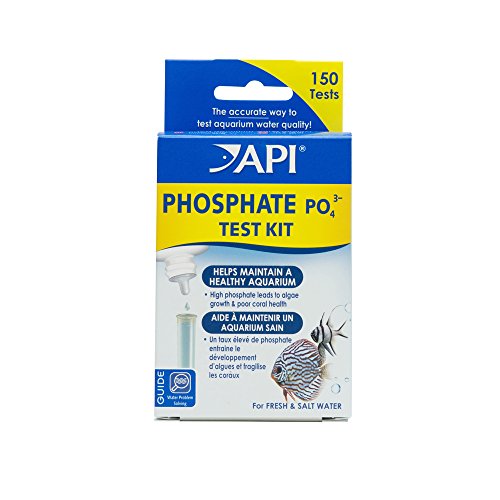
Detect phosphate spikes early to prevent algae and protect coral growth.

Removes phosphate and silicate, keeping water clear and corals healthy.

Monitor pH stability for optimal coral calcification and color.
Browse discountedAquarium Water Treatmenton Amazon