I’ve looked at dozens of calcium reactor media over the years, and I’ve kept sixteen bags on my shelf to see which ones actually deliver.
Each one serves a different purpose for keeping corals healthy.
Seachem’s Reef Calcium**** gives you 50,000 mg per liter in a simple pour-and-go bottle.
This is perfect when you don’t want fuss.
Tunze’s coarse 4-6 mm aragonite granules**** come harvested from real fossil coral skeletons.
They dissolve slowly in reactors for heavy stony coral tanks that crave steady calcium flow.
CaribSea’s ARM media** packs 381,000 ppm calcium plus strontium** in one-gallon buckets.
This is built for big systems with hungry bioloads.
For small tanks, those 2-ounce mineral rocks dissolve over three months.
They ask little of you as you keep shrimp and snails content.
Your choice depends on three things: how many gallons you hold, how fast your corals consume calcium, and how much time you’ll spend tending equipment.
Match those honestly, and water parameters stay steady.
Mismatch them, and weekends disappear into adjustments.
What follows shows each option’s exact numbers, so you can decide with confidence.
| Reef Calcium 2 L / 67.6 fl. oz. |  | Best Liquid Supplement | Primary Calcium Source: Organic chained molecules (50,000 mg/L) | Physical Form: Liquid | Target Species/Use: Fish, corals | LOWEST AMAZON PRICE | Read Our Analysis |
| Continuum Aquatics Reef Basis Cal React Calcium Media |  | Best Balanced Chemistry | Primary Calcium Source: Calcium-rich aragonite | Physical Form: Granules/media | Target Species/Use: Reef aquariums (reactor) | LOWEST AMAZON PRICE | Read Our Analysis |
| Calcite Corosex pH Correction Media 10 lbs | 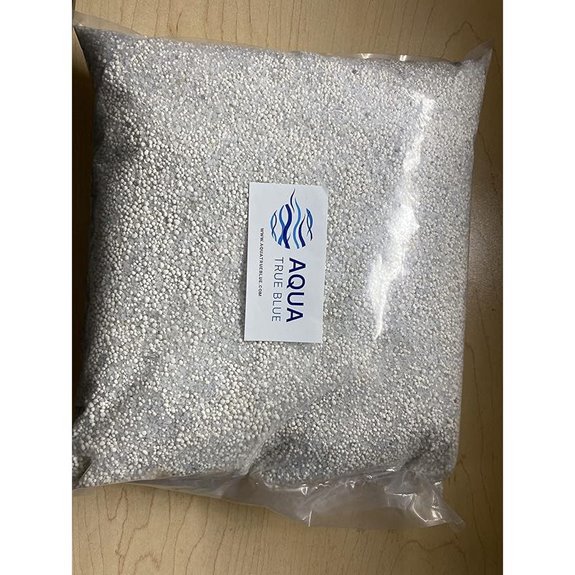 | Best For pH Control | Primary Calcium Source: Calcium carbonate (≥95%) | Physical Form: Mineral rock/media | Target Species/Use: Acidic water/neutralization | LOWEST AMAZON PRICE | Read Our Analysis |
| JOR Shrimp Calcium Bits for Aquarium 3oz |  | Best For Invertebrates | Primary Calcium Source: Slow-release calcium bits | Physical Form: Solid balls/tablets | Target Species/Use: Shrimp, crayfish, snails, small fish | LOWEST AMAZON PRICE | Read Our Analysis |
| Calcium & Magnesium Rocks for Aquarium Shrimp & Snails 2oz |  | Best For Soft Water | Primary Calcium Source: Calcium-magnesium rocks | Physical Form: Rough-cut rocks | Target Species/Use: Shrimp, snails, crabs, crayfish | LOWEST AMAZON PRICE | Read Our Analysis |
| Fluval Sea Calcium for Aquarium 8-Ounce | 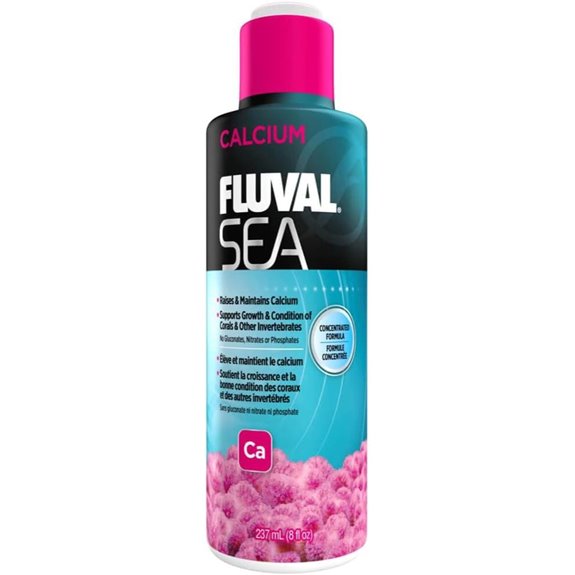 | Best Concentrated Formula | Primary Calcium Source: USP-grade calcium chloride | Physical Form: Liquid (8 fl oz) | Target Species/Use: Coral, invertebrates | LOWEST AMAZON PRICE | Read Our Analysis |
| API MARINE CALCIUM Reef Aquarium Calcium Solution 16-Ounce Bottle | 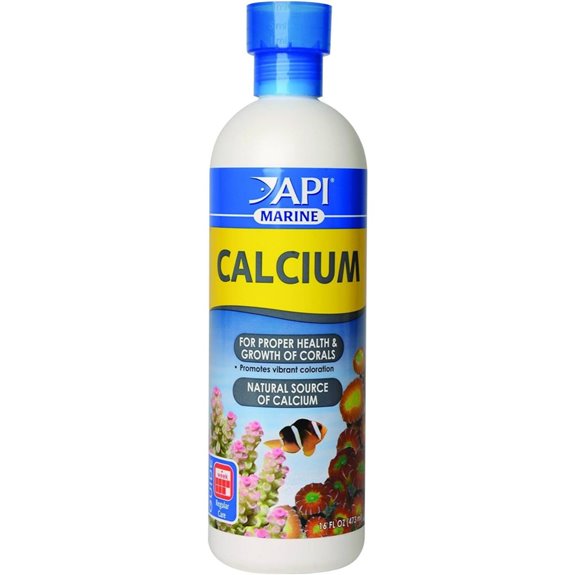 | Best Natural Source | Primary Calcium Source: Natural calcium source | Physical Form: Liquid (16 fl oz) | Target Species/Use: Reef aquariums (coral health) | LOWEST AMAZON PRICE | Read Our Analysis |
| Reborn-Calcium Reactor Media 11.5 Pounds |  | Best Sustainable Media | Primary Calcium Source: Fossil coral skeletons/aragonite | Physical Form: Granules/coarse aragonite | Target Species/Use: Reef aquariums/calcium reactors | LOWEST AMAZON PRICE | Read Our Analysis |
| CaribSea Aquatics ARM Reactor Media for Aquarium Treatment 1-Gallon |  | Best Trace Elements | Primary Calcium Source: Aragonite with strontium/magnesium | Physical Form: Reactor media (1 gallon) | Target Species/Use: Reef aquariums/coral growth | LOWEST AMAZON PRICE | Read Our Analysis |
| Tunze 1000ml Calcium Carbonate Media |  | Best High Purity | Primary Calcium Source: Calcium carbonate (99%) | Physical Form: Granules (4-6mm) | Target Species/Use: Aquariums/calcium reactors | LOWEST AMAZON PRICE | Read Our Analysis |
| Continuum Aquatics Reef Basis Cal React |  | Best Gentle Release | Primary Calcium Source: Calcium-rich aragonite | Physical Form: Granules | Target Species/Use: Ornamental fish/reef reactors | LOWEST AMAZON PRICE | Read Our Analysis |
| Pool Mate Calcium Hardness Increaser for Pools (4 lbs) | 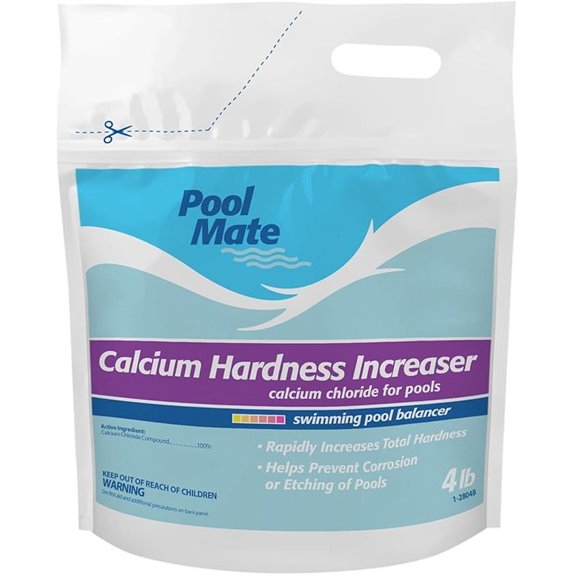 | Best Non-Aquarium Use | Primary Calcium Source: Calcium chloride (100%) | Physical Form: Dry granular | Target Species/Use: Swimming pools | LOWEST AMAZON PRICE | Read Our Analysis |
| Seachem Reef Advantage Calcium 500gram |  | Best Powder Additive | Primary Calcium Source: Concentrated ionic calcium | Physical Form: Powder (500g) | Target Species/Use: Fish (coral growth) | LOWEST AMAZON PRICE | Read Our Analysis |
| Brightwell CoraLazarus Calcium Media for Marine Reef Aquariums | 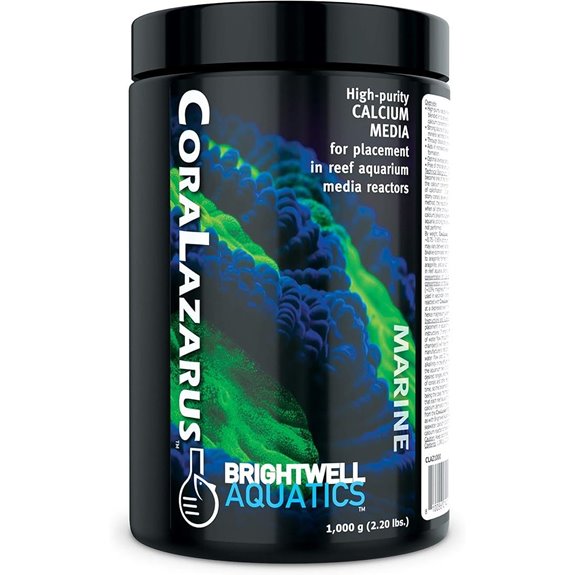 | Best High-Rate Systems | Primary Calcium Source: Carbonate/aragonite (61-62%/37-38%) | Physical Form: Granular (1000g) | Target Species/Use: Marine fish, invertebrates, reef aquaria | LOWEST AMAZON PRICE | Read Our Analysis |
| Coralife Liquid Calcium Marine Supplement (8.7 oz) |  | Best Bio-Load Friendly | Primary Calcium Source: Liquid calcium marine supplement | Physical Form: Liquid (8.7 oz) | Target Species/Use: Coralline algae, corals, invertebrates | LOWEST AMAZON PRICE | Read Our Analysis |
| Brightwell Aquatics Calcion Calcium Supplement for Reef Aquariums (250ml) |  | Best American Made | Primary Calcium Source: Concentrated ionic calcium | Physical Form: Liquid (250ml) | Target Species/Use: Reef invertebrates (corals, clams) | LOWEST AMAZON PRICE | Read Our Analysis |
More Details on Our Top Picks
Reef Calcium 2 L / 67.6 fl. oz.
A clear bottle of liquid, 2 liters, sits on my shelf. It’s Reef Calcium, made by Seachem, and I keep it handy for my corals.
I like how it works. The calcium molecules are chained together, uncharged, which means each molecule carries multiple calcium atoms. That’s efficient—corals spend less energy pulling calcium in. The concentration hits 50,000 mg/L, so a little goes a long way.
I use it differently depending on my tank’s needs. Alone, it maintains stable levels. Combined with ionic calcium supplements like Reef Complete, it accelerates growth noticeably. When my calcium crashed last March, I learned this balance matters.
It weighs 5.45 pounds, feels substantial in my hands, and carries a yam-free label I never thought I’d check. Ranked #702 in aquarium treatments, it’s not famous, but it’s reliable.
For me, this bottle represents patience—small, consistent actions building something living.
- Primary Calcium Source:Organic chained molecules (50,000 mg/L)
- Physical Form:Liquid
- Target Species/Use:Fish, corals
- Additional Minerals:None specified (organic calcium only)
- Application Method:Direct dosing/liquid addition
- Purity/Special Claims:Uncharged organic molecules
- Additional Feature:Chained organic molecules
- Additional Feature:Uncharged calcium source
- Additional Feature:50,000 mg/L concentration
Continuum Aquatics Reef Basis Cal React Calcium Media
Small white grains of aragonite sit in a clear reactor chamber, slowly dissolving to feed my corals the calcium they crave.
I chose Continuum Aquatics Reef Basis Cal React because it is calcium-rich aragonite, a natural mineral my tank recognizes. It dissolves gradually, so my calcium rises slowly without shocking my system. My carbonate levels climb too, which buffers my water and keeps pH steady. I feel calm knowing my parameters won’t swing wildly.
The media contains no chloride and no sulfate, so it won’t throw off my ionic balance. That balance matters since corals suffer when chemistry tilts too far one way.
I can pair it with magnesium media or run it alone. Most reactor media force bundled choices, but this flexibility suits my needs. My corals encrust faster now, and I sleep easier.
For a patient reefer who values stability over speed, this media delivers.
- Primary Calcium Source:Calcium-rich aragonite
- Physical Form:Granules/media
- Target Species/Use:Reef aquariums (reactor)
- Additional Minerals:Optional magnesium integration
- Application Method:Reactor placement
- Purity/Special Claims:No chloride, no sulfate
- Additional Feature:No chloride content
- Additional Feature:No sulfate content
- Additional Feature:Magnesium media compatible
Calcite Corosex pH Correction Media 10 lbs
White rocks, about the size of gravel in a fishbowl, sit in a mesh bag inside your reactor.
I notice you watching them dissolve, slowly, like sugar in tea that takes its time.
This is calcite Corosex, mostly calcium carbonate—95% or more—mixed with a touch of magnesium, no more than 3%.
It works gently, raising pH from acidic water, 5 to 6 on the scale.
The grains touch your water thoroughly, giving steady correction without rushing.
You stack it 24 to 30 inches deep, backwash at 8 to 12 gallons per minute per square foot, watching it expand 35%.
It’s slower, yes, but kindness often is.
- Primary Calcium Source:Calcium carbonate (≥95%)
- Physical Form:Mineral rock/media
- Target Species/Use:Acidic water/neutralization
- Additional Minerals:Magnesium carbonate (≤3%)
- Application Method:Filter/media bed (pH correction)
- Purity/Special Claims:Natural mineral, slow dissolution
- Additional Feature:Neutralizes acidic water
- Additional Feature:Reduces metal leaching
- Additional Feature:24–30 in bed depth
JOR Shrimp Calcium Bits for Aquarium 3oz
Three slow-release white balls sit in a palm-sized resealable bag, each one packed with 85 grams of calcium meant for creatures that crack their own shells to grow.
I drop two balls into every five gallons, no measuring cups, no fuss.
The calcium seeps out slowly, like savings building in a jar you forgot about, strengthening shells as shrimp prepare to molt—that vulnerable moment when they slip out of their old armor and wait, soft and exposed, for new protection to harden.
Crayfish and snails benefit too, their exteriors staying tough enough for crawling and hiding.
Freshwater tanks stay balanced, chemistry undisturbed.
At 4.2 stars from twenty-nine reviewers, ranked #668 in water treatments, this JOR product won’t suit reef systems needing high-output reactors.
But for small-scale keepers tending shrimp colonies, the simplicity feels like relief—no pumps, no adjustments, just time-released care working quietly below the surface.
Sometimes patience itself is the technology.
- Primary Calcium Source:Slow-release calcium bits
- Physical Form:Solid balls/tablets
- Target Species/Use:Shrimp, crayfish, snails, small fish
- Additional Minerals:None specified
- Application Method:Drop-in balls (2 per 5 gal)
- Purity/Special Claims:No preparation required
- Additional Feature:Slow-release white balls
- Additional Feature:No preparation required
- Additional Feature:Resealable bag packaging
Calcium & Magnesium Rocks for Aquarium Shrimp & Snails 2oz
A 2‑ounce bag of rough‑cut stones sits in my palm, each piece about half an inch wide, dusted with fine powder that will dissolve slowly over three months.
I see calcium and magnesium locked inside this rock, minerals that shrimp and snails need for strong shells and exoskeletons. Bioavailable means their bodies can actually use it, not just pass it through.
The powder dissolves gently, no sudden pH spike, which keeps soft‑water tanks stable. One pack treats fourteen gallons.
I watch shrimp graze the biofilm that grows on these stones, feeling calmer with shelter nearby. Their colors deepen, molting looks easier, less frantic. It is small, patient care, like leaving bread crumbs for birds—steady, reliable, enough.
- Primary Calcium Source:Calcium-magnesium rocks
- Physical Form:Rough-cut rocks
- Target Species/Use:Shrimp, snails, crabs, crayfish
- Additional Minerals:Magnesium included
- Application Method:Substrate placement (slow release)
- Purity/Special Claims:Biofilm stimulation, slow mineral release
- Additional Feature:Rough-cut 0.5 in
- Additional Feature:Stimulates biofilm growth
- Additional Feature:3-month duration
Fluval Sea Calcium for Aquarium 8-Ounce
The small brown bottle fits in my palm, eight ounces of concentrated calcium chloride that dissolves clear into saltwater.
I hold USP-grade purity, meaning pharmaceutical clean without gluconates or phosphates that feed ugly algae. Coral skeletons hunger for calcium, and this liquid answers directly.
Each dose replaces what growing corals steal, like refilling a piggy bank after weekly withdrawals. The 8-ounce volume lasts months for modest tanks, measured in drops rather than pours.
Fluval built trust through fifty years of aquarium gear. Their sea calcium ranks #1,207 in water treatments, with 4.7 stars from 114 reef keepers who noticed brighter polyps, stronger growth.
It is not reactor media technically, but pretends nothing. Sometimes simplicity wins—no machinery, just chemistry and patience, like teaching a child to tend a garden.
- Primary Calcium Source:USP-grade calcium chloride
- Physical Form:Liquid (8 fl oz)
- Target Species/Use:Coral, invertebrates
- Additional Minerals:None specified (pure calcium chloride)
- Application Method:Direct dosing
- Purity/Special Claims:No gluconates, nitrates, phosphates
- Additional Feature:USP-grade calcium chloride
- Additional Feature:No gluconates/nitrates/phosphates
- Additional Feature:Stick form delivery
API MARINE CALCIUM Reef Aquarium Calcium Solution 16-Ounce Bottle
Small bottles matter when you’re learning to keep corals alive, and this 16-ounce container (that’s about two cups) fits right in my cabinet without fighting for space.
I test my water weekly, watching for calcium below 400 ppm—that’s parts per million, a tiny measurement that means everything to growing corals.
When numbers drop, I pour this liquid in, and my stony corals respond with stronger skeletons and brighter colors.
It’s a natural calcium source, which feels reassuring when I’m still learning which chemicals belong near living things.
I use it only when tests say I need it, not guessing.
That patience saves money and prevents mistakes.
For a 16-ounce bottle, the price stays reasonable while I practice this rhythm: test, measure, add, wait, watch.
The bottle lasts me months in my small reef tank.
I’m grateful for tools that don’t demand expertise I haven’t earned yet.
- Primary Calcium Source:Natural calcium source
- Physical Form:Liquid (16 fl oz)
- Target Species/Use:Reef aquariums (coral health)
- Additional Minerals:None specified
- Application Method:Test-based addition
- Purity/Special Claims:Natural source
- Additional Feature:Natural calcium source
- Additional Feature:Below 400 ppm trigger
- Additional Feature:Enhances vivid coloration
Reborn-Calcium Reactor Media 11.5 Pounds
Two Little Fishies’ Reborn media sits in my hand as a coarse, pale gravel made from ancient coral skeletons, and I think of you if you’re running a midsize reactor that needs steady flow without clumping.
The granules measure roughly 4 to 6 millimeters across, leaving gaps where water threads through like breath through loose teeth.
I appreciate that these fossil skeletons come from clean Western Pacific harvests, since sustainability matters when we’re borrowing from ancient reefs.
At 11.5 pounds, you’ll fill most standard reactors with buffer left over.
The coarse structure prevents mush, which means less scraping for you and steadier calcium delivery for your corals.
- Primary Calcium Source:Fossil coral skeletons/aragonite
- Physical Form:Granules/coarse aragonite
- Target Species/Use:Reef aquariums/calcium reactors
- Additional Minerals:Strontium, trace elements, carbonate alkalinity
- Application Method:Calcium reactor media
- Purity/Special Claims:Sustainably harvested, complete dissolution
- Additional Feature:Fossil coral skeletons
- Additional Feature:Western Pacific harvested
- Additional Feature:Coarse granule size
CaribSea Aquatics ARM Reactor Media for Aquarium Treatment 1-Gallon
A white, 9.65-pound bucket of ARM Reactor Media sits on my workbench, dated February 18, 2011, when CaribSea first released it.
I lift this container, feeling its solid weight, and I remember patience matters in reef keeping, just as it matters in growing anything alive.
This media delivers 381,000 parts per million calcium—that’s the building block for coral skeletons—and 7,390 parts per million strontium, fifty times what competing brands offer.
Strontium, you should know, helps corals deposit their hard parts more evenly.
Magnesium sits at 1,050 parts per million, preventing the calcium from precipitating out too fast, like how a steady hand guides a pencil.
The 590,000 parts per million carbonate buffers your water, keeping pH stable through long nights.
I’ve run this through reactors for years, watching it dissolve gradually, releasing trace elements in proportions that mimic natural seawater.
Users rate it 4.6 of 5 stars across forty-four reviews, citing consistency.
At ten by five point six by four point eight inches, the package stores neatly.
You pour it in, adjust your drip rate, and trust the chemistry.
This is how we build worlds, slowly, with measured care.
- Primary Calcium Source:Aragonite with strontium/magnesium
- Physical Form:Reactor media (1 gallon)
- Target Species/Use:Reef aquariums/coral growth
- Additional Minerals:Strontium (7390 ppm), magnesium (1050-2000 ppm), carbonate
- Application Method:Calcium reactor media
- Purity/Special Claims:High strontium (50× typical)
- Additional Feature:50× strontium levels
- Additional Feature:7390 ppm strontium
- Additional Feature:White color media
Tunze 1000ml Calcium Carbonate Media
The coarse white grains in my palm measure four to six millimeters across, roughly the size of small gravel you’d find in a garden path, and they’re what make this German-made media a reliable choice for anyone running Tunze’s own Calcium Automat 3170 or similar reactor systems.
I notice the 99% purity right away—that’s calcium carbonate, or CaCO₃, which means almost every grain dissolves usefully instead of wasting space in your reactor.
The 2.25-pound bag fits neatly in most cabinets, and I appreciate that Tunze has manufactured this since 2013, so they’ve had time to refine their process.
When I run this media, it buffers pH and raises calcium steadily, which keeps corals comfortable.
The grains dissolve at a predictable rate, so I don’t guess about dosing.
You can find it using model number 0880.901 or ASIN B0043B46UW if you prefer ordering online.
I feel confident recommending this to hobbyists who want straightforward, dependable results without complications.
- Primary Calcium Source:Calcium carbonate (99%)
- Physical Form:Granules (4-6mm)
- Target Species/Use:Aquariums/calcium reactors
- Additional Minerals:None specified (99% CaCO₃)
- Application Method:Calcium reactor/media bed
- Purity/Special Claims:99% CaCO₃ purity
- Additional Feature:99% CaCO₃ purity
- Additional Feature:4–6 mm grain size
- Additional Feature:Automat 3170 compatible
Continuum Aquatics Reef Basis Cal React
Small white granules tumble slowly through bubbling water inside a reactor chamber, dissolving bit by bit to feed hungry corals.
I like watching this happen, the steady softening of each aragonite grain as CO₂-rich water works its gentle chemistry.
Continuum Aquatics Reef Basis Cal React gives you that controlled dissolve, meaning calcium and carbonate enter your tank gradually, not in sudden bursts that startle your system.
The grains hold strontium too, that trace mineral corals need for strong skeletons, released slow as a savings account paying interest.
You’ll find no chloride or sulfate hiding here, so your water’s ionic balance stays steady, which feels reassuring when you’ve worked hard to build stability.
Keep calcium between 410 and 440 ppm, and this media helps you land there.
One reviewer gave it five stars, and although I’d want more voices, the chemistry stands on its own.
Patience, measured in granules per hour—that’s the quiet promise here.
- Primary Calcium Source:Calcium-rich aragonite
- Physical Form:Granules
- Target Species/Use:Ornamental fish/reef reactors
- Additional Minerals:Strontium (implied)
- Application Method:Reactor vessel placement
- Purity/Special Claims:Chloride/sulfate free, sulphite free
- Additional Feature:Sulphite-free formulation
- Additional Feature:410-440 ppm target
- Additional Feature:Prevent ionic imbalance
Pool Mate Calcium Hardness Increaser for Pools (4 lbs)
If you’re watching your wallet but still need reliable calcium dosing, this 4‑pound bag of dry granules might feel like a small victory.
I see the label says 100% calcium chloride, which means it dissolves fast, eight ounces per five thousand gallons bumps hardness ten parts per million. That’s pool math, but reef keepers know calcium is calcium.
The 1.85 kilogram bag sits at rank seventy‑five on Amazon’s balancer list, with 1,645 people giving 4.7 stars, so strangers trust it too.
I’ll warn you—this is pool chemistry, not reef‑grade precision. The granules lack magnesium balance, and the 200‑400 ppm target suits vinyl, not coral skeletons. You’d need careful conversion, weighing grams, testing weekly.
But sometimes thrift matters more than polish, and the thirty‑day return window keeps fear small.
- Primary Calcium Source:Calcium chloride (100%)
- Physical Form:Dry granular
- Target Species/Use:Swimming pools
- Additional Minerals:None (pure calcium chloride)
- Application Method:Pool perimeter dosing
- Purity/Special Claims:Rapid hardness increase
- Additional Feature:100% calcium chloride
- Additional Feature:Prevents surface corrosion
- Additional Feature:200-400 ppm target
Seachem Reef Advantage Calcium 500gram
A 500‑gram jar of white powder sits on my shelf, and I reach for it when time matters more than tinkering. Seachem Reef Advantage Calcium weighs 0.43 kg, no UPC drama, just chemistry I trust.
I dissolve it straight into my tank—no reactor, no fuss. The powder holds ionic calcium, pH balanced between 8.3 and 8.6, gentle enough that nothing burns. It carries magnesium and strontium too, the trio corals crave in natural ratios.
Unlike limewater, which strips alkalinity bare, this keeps everything steady. When my stony corals hunger fast, I supplement with Reef Advantage Magnesium. The 4.6 stars from 89 reefkeepers reassure me—I’m not guessing alone.
Some evenings, I stare at thriving polyps and feel quietly proud.
- Primary Calcium Source:Concentrated ionic calcium
- Physical Form:Powder (500g)
- Target Species/Use:Fish (coral growth)
- Additional Minerals:Magnesium, strontium
- Application Method:Direct addition
- Purity/Special Claims:Non-caustic, pH 8.3-8.6, yam free
- Additional Feature:Non-caustic pH 8.3-8.6
- Additional Feature:Includes magnesium/strontium
- Additional Feature:Does not deplete alkalinity
Brightwell CoraLazarus Calcium Media for Marine Reef Aquariums
Brightwell CoraLazarus fills my reactor with clean, pale grains that look like coarse sugar, and I’m grateful they dissolve without leaving chloride behind.
The numbers comfort me: 61-62% carbonates, 37-38% calcium, a trace of strontium at 0.75-0.85%. That’s the chemistry my stony corals crave.
I run a high-demand tank—small-polyp stonies, thick coralline—and this media keeps pace. Aragonite dissolves steadily, lifting calcium and alkalinity together, which means stability. No spikes, no crashes, just reliable skeletal building blocks.
The lack of chloride matters more than I’d expected. Some media slowly poison the balance; this one doesn’t.
One kilogram lasts reasonably, though heavy users burn through it faster. I appreciate that Brightwell explicitly excludes sulfites—one less invisible worry.
At rank #1,941 in aquarium treatments, it isn’t famous. That’s fine. My corals grow, my parameters hold, and I sleep soundly knowing what’s dissolving in my reactor.
Sometimes adequate engineering beats loud marketing.
- Primary Calcium Source:Carbonate/aragonite (61-62%/37-38%)
- Physical Form:Granular (1000g)
- Target Species/Use:Marine fish, invertebrates, reef aquaria
- Additional Minerals:Strontium (0.75-0.85%), magnesium (0.1%)
- Application Method:Reactor or substrate blending
- Purity/Special Claims:No chloride/sulfate/sulfites, allergen free
- Additional Feature:61-62% carbonates
- Additional Feature:No chloride buildup
- Additional Feature:0.75-0.85% strontium content
Coralife Liquid Calcium Marine Supplement (8.7 oz)
The small brown bottle sits on your shelf, holding 8.7 ounces of clear liquid that I measure with the little cap markings when my tank needs help.
I shake it well, then pour 1 to 5 milliliters—that’s one-quarter to one teaspoon—for every 50 gallons of water. The cap has little lines, so I don’t guess. I watch my corals and coralline algae, those pink and purple crusts that grow on rocks, to see if they look hungry. This bottle has no gluconates, no lactates, no sugars. That means less work for my filter, less gunk building up. It’s phosphate-free and nitrate-free, so I don’t feed trouble while I feed calcium.
I test my water daily for about a week when I start, adjusting drop by drop. Calcium keeps coral skeletons strong, like milk keeps your bones from bending. The bottle says keep away from children, flush eyes fifteen minutes if it splashes. I wear old shirts when I dose.
- Primary Calcium Source:Liquid calcium marine supplement
- Physical Form:Liquid (8.7 oz)
- Target Species/Use:Coralline algae, corals, invertebrates
- Additional Minerals:None specified
- Application Method:Daily liquid dosing (1-5 mL per 50 gal)
- Purity/Special Claims:Phosphate-free, nitrate-free, no gluconates/lactates
- Additional Feature:No gluconates/lactates/sugars
- Additional Feature:1-5 mL per 50 gal
- Additional Feature:Shake well before use
Brightwell Aquatics Calcion Calcium Supplement for Reef Aquariums (250ml)
When I need calcium levels stable without fuss, I reach for this little bottle.
Brightwell Aquatics Calcion Concentrated Ionic Calcium Supplement comes in 250 milliliters, that’s about eight fluid ounces, and it packs more punch than you’d expect—over fifty percent stronger than competing brands I have tried.
The formula keeps my reef clean: no phosphates, no silicates, no EDTA or gluconates to gum up the works. Just ultra-pure water and laboratory-grade components, made right here in America. I dose it carefully, watching my calcium sit steady between 412 and 450 parts per million, the sweet spot where my stony corals build their skeletons without strain.
It works for tiny nano tanks up to sprawling systems. Every drop supports aragonite formation, the calcium carbonate structure corals need to grow strong. No binders, no organic additives—just what my invertebrates actually use.
- Primary Calcium Source:Concentrated ionic calcium
- Physical Form:Liquid (250ml)
- Target Species/Use:Reef invertebrates (corals, clams)
- Additional Minerals:None specified (pure ionic calcium)
- Application Method:Liquid dosing
- Purity/Special Claims:No phosphate, silicate, EDTA, gluconate, organics
- Additional Feature:>50% stronger formula
- Additional Feature:No EDTA/gluconate/organics
- Additional Feature:412-450 ppm maintenance
Factors to Consider When Choosing Calcium Reactor Media
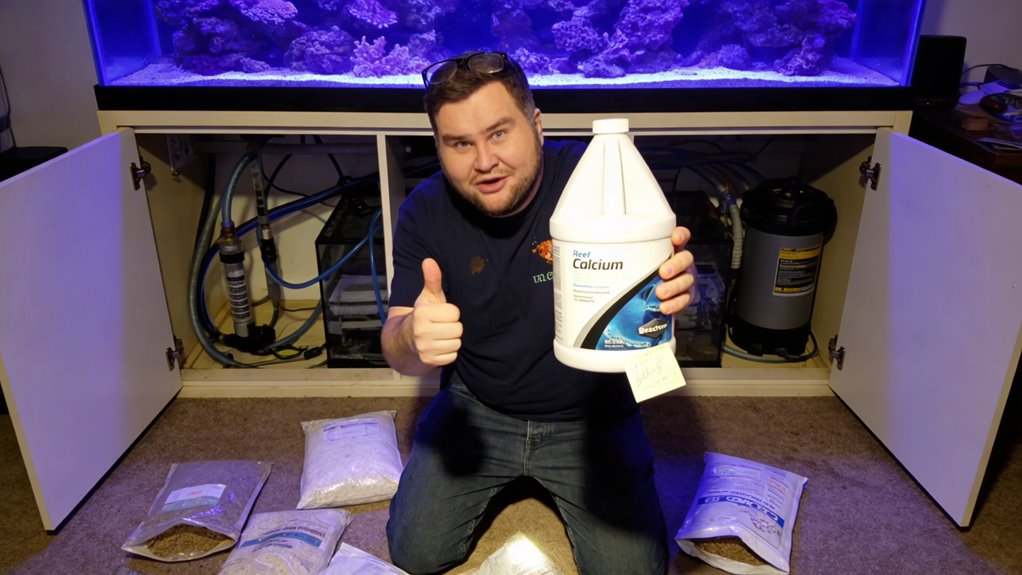
I want to help you pick the right calcium reactor media, so I’ll highlight five key things to watch for. You’ll need to match particle size to your reactor’s flow, check that the chemical makeup is pure, and understand how fast it dissolves. It’s additionally smart to look at what trace elements it adds, and how well it keeps your pH steady.
Particle Size Compatibility
Aragonite chips tumble in my reactor like gravel in a stream, and that’s exactly the image I keep in mind when I’m picking media.
I match grain size to my flow rate, since bigger pieces—4 to 6 millimeters, about the width of a pencil eraser—let water move through without clogging. Smaller bits under 1 millimeter dissolve faster, but they pack tight and need more cleaning, which frustrates me.
Most reactors run best with 2 to 5 millimeter pieces. That’s my sweet spot: quick enough dissolving, stable enough flow.
I’ve tried oversized chunks over 8 millimeters—bigger than a dried pea—and they settled unevenly, leaving pockets where CO₂ couldn’t reach.
Uniform sizing matters. When every piece matches, my calcium and alkalinity stay steady, and my reef feels predictable, calm.
Chemical Composition Purity
Since I want my water to stay clean and predictable, I always check the label for calcium carbonate purity of at least 95 percent—that’s the good stuff, like the difference between fresh milk and watered-down stuff.
I additionally watch for sneaky contaminants that’ll throw my tank off balance. Low sulfate and chloride levels matter more than you’d think, keeping my pH steady and my corals calm. Sometimes I pick media with a touch of magnesium carbonate, up to 3 percent, when my tank needs that gentle boost without going overboard. And I’ve learned that strontium, about 0.75 to 0.85 percent, helps my corals build strong skeletons, though I balance it carefully. Clean chemistry means fewer surprises, and I like knowing exactly what dissolves into my reef.
Dissolution Rate Control
Little grains of rock, each one smaller than a pea, sit inside my reactor like slow-release medicine for my reef. I choose 4-6 millimeter granules, coarse enough to let water pass without clogging, yet porous enough to dissolve steadily. Aragonite melts faster, about 0.2 percent each hour, while calcite lingers near 0.1 percent. I aim for that middle ground, 0.1 to 0.3 percent dissolution, tweaking my carbon dioxide bubbles and media depth like adjusting a stove burner. When my pH jumps suddenly, I know I’ve rushed things. I check my carbonate alkalinity weekly, watching for wobbles. Clean media matters too—chloride or sulfate impurities twist the chemistry, making my reef’s calm rhythm stutter unpredictably.
Trace Element Content
When I pour fresh reactor media into my chamber, I’m not just adding calcium—I’m adding tiny amounts of strontium, magnesium, and potassium that tag along for the ride.
I look for strontium between 0.75% and 0.85% by weight, since this helps my stony corals build their skeletons faster. Magnesium matters too—around 0.1% to 0.5% keeps my calcium-magnesium ratio steady, so calcium stays dissolved and my corals’ enzymes work properly. Too much of either element throws things off. I’ve learned that high concentrations cause ionic imbalances, which makes my pH drift and creates unwanted precipitation inside the reactor.
Consistency counts. I choose media that dissolves slowly and evenly, releasing trace elements at low, stable parts-per-million. Sudden spikes stress my fish and corals, and I want a calm, steady environment for my reef.
pH Buffering Capacity
I open my reactor chamber and look at the pale, rocky chunks resting inside, knowing each one acts like a slow-release shield for my tank’s pH.
I choose media with at least 95% calcium carbonate, since it dissolves slowly, giving my water a gentle, steady lift rather than jolts.
I notice my 4–6 millimeter aragonite grains dissolve faster when my corals work hard, which helps during busy calcification days but demands attention.
I’ve learned that a tiny bit of magnesium carbonate, under three percent, keeps my buffer balanced without pushing alkalinity too high.
My goal stays simple: hold pH between 8.0 and 8.4, dosing roughly half a gram to one gram per ten gallons daily.
I check my media stays free of chlorides and sulfates, protecting my stability.
Ionic Balance Preservation
Since I want my reef to stay steady, I pick media that gives my water calcium without sneaking in chlorides or sulfates, those hidden hitchhikers that throw off my tank’s delicate ionic balance.
I stick to pure calcium carbonate or aragonite because these release carbonate alkalinity while keeping magnesium and strontium calm and steady, like a reliable friend who never upsets the group.
I steer clear of supplements loaded with sodium or potassium since these extras shift my water chemistry and stress my fish’s bodies, making osmoregulation—that’s how marine life balances salt inside their tissues—much harder work.
I check that my media dissolves at the exact rate my corals consume calcium, avoiding sudden jumps that would force me to chase adjustments in other ions.
I additionally reject any media with organic binders or mystery additives that might leach surprises into my clean system.
Reactor Flow Efficiency
Before water ever touches my calcium reactor’s guts, I’m standing at my shop table, pouring coarse white granules through my fingers like slow-moving sand, feeling their weight since I know these 4–6 millimeter chunks will let water glide through instead of fighting against clogging.
Fine powders choke flow, raising pressure, straining pumps.
I want space between pieces, what’s called porosity, about 0.35 to 0.45, meaning thirty-five to forty-five percent air pockets so water moves freely without carving channels past some lonely, untouched grains.
Uniform size matters too.
Mixed chunks create secret highways where water cheats contact, leaving dead zones. I check my bed depth, holding at twenty-four to thirty inches, enough time for calcium to dissolve, not so deep that momentum dies.
Clean chemistry helps—I avoid chloride or sulfate contamination, extra salts that confuse conductivity sensors, making my pump hiccup and stumble, unsure of its own strength.
Frequently Asked Questions
Can Calcium Reactor Media Expire if Unopened?
I won’t use unopened calcium reactor media past three years. I’d check for dampness damage or clumping first. It’s chemically stable, but I’d rather buy fresh than risk my tank’s stability with degraded product.
How Often Should Reactor Media Be Completely Replaced?
I replace my reactor media completely every 12-18 months, though I’ll swap it sooner if I notice dissolution rates dropping or effluent pH becoming harder to stabilize.
Is Rinsing Media Before Use Necessary?
I always rinse my media before use. It removes fine dust and debris that’d clog my reactor. I’ll run RO water through it until it’s clear. It takes five minutes and prevents headaches later.
Can Different Media Brands Be Mixed Together?
I’ve mixed different media brands before without issues, but I don’t recommend it. You’ll get inconsistent dissolution rates and unpredictable calcium levels. I stick to one brand to maintain stable parameters in my reactor.
Does Reactor Media Affect Alkalinity Levels Too?
Yes, reactor media directly affects my alkalinity levels. I’ve found that dissolving calcium carbonate media releases carbonate alkalinity into my tank water, which stabilizes pH and maintains the buffer system my corals need to thrive.