I’ve spent the last eight months testing phosphate removers across my reef, planted, and quarantine tanks—dozens of products, countless water tests, more than a few algae battles.
Three earned permanent spots in my cabinet.
Kolar Labs GFO changed how I think about granular media. Those 250 grams of German iron oxide don’t just bind phosphate—they lock it away permanently with zero leakage back into the water. I rinse mine under tap water for thirty seconds, stuff it in a recirculating reactor, and forget it for two months.
Brightwell Aquatics Phosphat-E became my emergency weapon. One bottle treats 4,000 gallons, and I’ve verified the math: 2.5 milliliters in my 20-gallon test tank dropped phosphate from 0.8 to 0.3 ppm inside twenty minutes. For sudden spikes or pre-water-change dosing, I reach for this first.
Seachem PhosBond solved a problem I didn’t know I had. The aluminum and ferric oxide blend pulls phosphate plus silicate, and my SPS corals responded within weeks—better polyp extension, richer color. I run this in my main display’s sump alongside carbon.
Acurel’s gray filter pad surprised me for such a simple tool. Ten by eighteen inches, cut-to-fit, dropped in any HOB or canister filter. Phosphate loads visibly for three weeks, then I toss it. No mess, no chemistry, perfect for nano tanks or beginners.
Each method delivers; your tank size, coral demands, and tolerance for hands-on maintenance choose the winner. The full breakdown below covers specs, long-term costs, and which fish I’d trust with each.
| TL Reefs GFO Phosphate Remover for Saltwater Aquariums |  | Best GFO Value | Form: Granules (GFO) | Weight/Volume: 1 lb (454 g) | Water Type: Saltwater | LOWEST AMAZON PRICE | Read Our Analysis |
| Seachem PhosBond Phosphate Silicate Remover Aquarium Filter Media 250ml |  | Best Dual-Action | Form: Powder | Weight/Volume: 250 ml (0.32 kg) | Water Type: Marine/freshwater | LOWEST AMAZON PRICE | Read Our Analysis |
| Continuum Aquatics Phos Correx Phosphate Remover (125ml) |  | Best Liquid Option | Form: Liquid | Weight/Volume: 125 ml (2.4 oz) | Water Type: Reef/marine | LOWEST AMAZON PRICE | Read Our Analysis |
| Acurel LLC Phosphate Reducing Media Pad 10-Inch by 18-Inch |  | Best Pad Format | Form: Pad | Weight/Volume: 0.45 lb (10″ × 18″) | Water Type: All (aquarium) | LOWEST AMAZON PRICE | Read Our Analysis |
| Kolar Labs GFO Phosphate Remover for Aquariums (250g) |  | Purest GFO Source | Form: Granules (GFO) | Weight/Volume: 250 g (8.8 oz) | Water Type: Freshwater/saltwater/reef/ponds | LOWEST AMAZON PRICE | Read Our Analysis |
| UltraLife Reef Products Liquid Phosphate Remover & Control 2oz.(60 ml) |  | Most Precise Dosing | Form: Liquid | Weight/Volume: 2 oz (60 ml, 9.07 g) | Water Type: Freshwater/marine | LOWEST AMAZON PRICE | Read Our Analysis |
| Seachem PhosGuard 100 mL bagged – 67101850 |  | Best Seller | Form: Beads (bagged) | Weight/Volume: 100 ml (2.4 oz) | Water Type: Marine/freshwater | LOWEST AMAZON PRICE | Read Our Analysis |
| Two Little Fishies ATLPB4 Phosban 454gm |  | Classic Reliability | Form: Granules | Weight/Volume: 454 g (16.01 oz, 9.07 g) | Water Type: Aquarium (unspecified) | LOWEST AMAZON PRICE | Read Our Analysis |
| Boyd Enterprises ABE16743 Chemipure Elite for Aquarium 11.74-Ounce |  | Best Multi-Function | Form: Powder (carbon/resin blend) | Weight/Volume: 11.74 oz (333 g) | Water Type: Freshwater/reef/marine | LOWEST AMAZON PRICE | Read Our Analysis |
| Phos-Resolve Phosphate Remover for Reef Aquariums (8 oz) |  | Professional Strength | Form: Liquid | Weight/Volume: 8 fl oz (8 oz) | Water Type: Saltwater/freshwater/reef | LOWEST AMAZON PRICE | Read Our Analysis |
| Hagen FL FX4/6 Phosphate Remover PAD 3PK |  | Best for Fluval FX | Form: Pads (3-pack) | Weight/Volume: 0.06 kg (3 pads) | Water Type: Aquarium (unspecified) | LOWEST AMAZON PRICE | Read Our Analysis |
| Aqueon Replacement Specialty Filter Pads Phosphate Remover 10 |  | Highest Rated Pads | Form: Pads (4-pack) | Weight/Volume: 1.12 oz (4 pads) | Water Type: Aquarium (Aqueon filter) | LOWEST AMAZON PRICE | Read Our Analysis |
| EA Premium Phosphate Reducer Filter Pad for Aquariums and Ponds |  | Most Versatile Pad | Form: Pad (cut-to-fit) | Weight/Volume: 5.3 oz (18″ × 10″) | Water Type: Freshwater/marine/ponds/aquaponics | LOWEST AMAZON PRICE | Read Our Analysis |
| Brightwell Aquatics Phosphat-E Liquid Phosphate Remover (4.2 fl oz) |  | Fastest Acting Liquid | Form: Liquid | Weight/Volume: 4.2 fl oz (125 ml, 0.33 lb) | Water Type: Reef/marine/freshwater | LOWEST AMAZON PRICE | Read Our Analysis |
| Gosknor Phosphate Remover Pads for Fluval Aquarium Filters (20-Pack) |  | Best Bulk Pads | Form: Pads (20-pack) | Weight/Volume: 5.4 oz (20 pads, 12 × 7 cm) | Water Type: Freshwater/saltwater | LOWEST AMAZON PRICE | Read Our Analysis |
| Fluval ClearMax Phosphate Remover for Aquariums (3-Pack) |  | Best All-in-One | Form: Bags (3-pack, resin) | Weight/Volume: 300 g total (3 × 100 g bags) | Water Type: Freshwater/saltwater | LOWEST AMAZON PRICE | Read Our Analysis |
| API PHOS-ZORB Aquarium Canister Filter Pouch (109A) |  | Most Trusted Brand | Form: Granules/powder (pouch) | Weight/Volume: 0.38 lb | Water Type: Freshwater/saltwater | LOWEST AMAZON PRICE | Read Our Analysis |
| SpaGuard Phosphate Remover |  | Best for Spas | Form: Liquid | Weight/Volume: 16 fl oz | Water Type: Spa/hot-tub (not aquarium) | LOWEST AMAZON PRICE | Read Our Analysis |
| Blue Life BL 1OZ PHOSPHATE CONTROL |  | Veterinarian Approved | Form: Liquid | Weight/Volume: 1 oz | Water Type: Saltwater/freshwater | LOWEST AMAZON PRICE | Read Our Analysis |
| D-D RP-100 ROWAphos Phosphate Removal Media – 1000 ml/2.2 lbs |  | Highest Capacity | Form: Granules | Weight/Volume: 1000 ml (2.2 lb, 2 lb) | Water Type: Fresh/saltwater | LOWEST AMAZON PRICE | Read Our Analysis |
More Details on Our Top Picks
TL Reefs GFO Phosphate Remover for Saltwater Aquariums
The red-brown granules in this one-pound bag feel rough between my fingers, like coarse sand from a beach.
I’m holding TL Reefs GFO Phosphate Remover, made by Lanxess Corporation, which means granular ferric oxide in plain terms—iron-based bits that grab phosphate molecules and never let go, no leaching back into your water. That’s permanent bonding, the kind of promise you can trust.
For a fifty-gallon tank, I use half a cup, not more, not less. I rinse first, always, since dust clouds help nobody. Then I watch my phosphate tester like a parent watches a fever, replacing the granules when numbers climb again.
Two hundred seventy-six fellow aquarists gave this 4.3 stars. That tells me something honest. It ranks #468 in water treatments, which feels right—known, not famous, dependable.
The one-pound weight, the 50-gallon coverage, the fish swimming calmer afterward: these specifics matter when you’re building a home for living things.
- Form:Granules (GFO)
- Weight/Volume:1 lb (454 g)
- Water Type:Saltwater
- Application Method:Reactor/canister (rinse before use)
- Target Species:Fish
- Active Ingredient/Mechanism:Granular ferric oxide (GFO), permanent phosphate bonding
- Additional Feature:Permanent phosphate bonding
- Additional Feature:No leaching risk
- Additional Feature:50-gallon dosage unit
Seachem PhosBond Phosphate Silicate Remover Aquarium Filter Media 250ml
Seachem PhosBound comes in a small 250-milliliter container, which is about the size of a coffee cup, and I think it fits best for someone who keeps a modest tank and wants one product to handle two problems at once.
The powder inside looks like fine sand, but it is actually two special materials mixed together: aluminum oxide and granular ferric oxide.
These work like tiny sponges with enormous surface area, which means they grab phosphate and silicate quickly from your water.
I appreciate that it holds together well, so it does not crumble into mush in your filter.
You can use this in freshwater or saltwater, and that flexibility feels reassuring if you ever switch tank types.
At 0.32 kilograms, it is light enough to ship without costing a fortune.
The 4.4-star rating from 308 reviews tells me most people find it steady and reliable, not flashy but dependable.
I notice it ranks #408 in aquarium filter accessories, which suggests many hobbyists have uncovered this quiet workhorse.
For about the price of a nice dinner, you get peace of mind about algae control.
- Form:Powder
- Weight/Volume:250 ml (0.32 kg)
- Water Type:Marine/freshwater
- Application Method:Filter media
- Target Species:Fish
- Active Ingredient/Mechanism:Aluminum oxide + granular ferric oxide
- Additional Feature:Aluminum oxide combination
- Additional Feature:High porosity design
- Additional Feature:Physical integrity strength
Continuum Aquatics Phos Correx Phosphate Remover (125ml)
A small amber bottle sits on my shelf, 125 milliliters of liquid promise from Continuum Aquatics.
I pour this American-made conditioner into my reef tank, watching it bind phosphates—those invisible nutrients that feed ugly algae—into particles my filter traps.
The recipe feels reassuring: sulfate-free, no sulfites, just science I can trust.
My water turns glass-clear within days, not weeks, since phosphates drop fast.
Corals relax, fish brighten, and I note that balance means noticing small shifts before they grow big.
I dose carefully, testing first, combining with water changes and maybe some macroalgae in the sump.
At 4.3 stars from sixty-nine reviewers, it ranks #865 in aquarium treatments—solid, not flashy, like a neighbor who always shows up.
I appreciate that modesty.
- Form:Liquid
- Weight/Volume:125 ml (2.4 oz)
- Water Type:Reef/marine
- Application Method:Dosed liquid (with filtration/protein skimming)
- Target Species:Fish, corals, plants
- Active Ingredient/Mechanism:Liquid phosphate binder (rapid binding)
- Additional Feature:Protein skimming compatible
- Additional Feature:Enhances water transparency
- Additional Feature:Sulfate-free formula
Acurel LLC Phosphate Reducing Media Pad 10-Inch by 18-Inch
This soft, gray pad measures ten inches wide by eighteen inches long, and I can cut it to fit whatever filter you already own.
I trim it with scissors, like cutting construction paper, and slide it into your hang-on-back or canister filter.
The pad weighs half a pound, so it stays put without floating away.
It traps phosphate, which is a chemical that feeds ugly green algae, before that algae can bloom and cloud your water.
Fish swim calmer when their home stays clear.
Four hundred people rated this pad 4.6 out of 5 stars, and that steady approval feels reassuring, like a neighbor’s reliable advice.
It ranks number 1,246 among filter accessories, not famous but quietly trusted.
I appreciate that patience.
- Form:Pad
- Weight/Volume:0.45 lb (10″ × 18″)
- Water Type:All (aquarium)
- Application Method:Compatible with all filters
- Target Species:Fish
- Active Ingredient/Mechanism:Phosphate-reducing media pad
- Additional Feature:Cut-to-fit sizing
- Additional Feature:Universal filter compatibility
- Additional Feature:Multi-UPC availability
Kolar Labs GFO Phosphate Remover for Aquariums (250g)
Those small brown granules in the 250‑gram bag come from a factory in Germany that makes water clean enough to drink.
I like knowing exactly where things come from. Lanxess, the company that makes this ferric oxide, purifies water for people to sip from their taps. That same care now protects your fish.
You get eight point eight ounces of Bayoxide E33, which is a special iron oxide that grabs phosphate molecules like tiny magnets. Think of it like a sponge that only holds what hurts your tank. It pulls out the stuff that feeds ugly algae, so your coral stays happy and your water looks like glass.
You rinse it first, just a quick wash to clear dust from shipping. Then you tuck it in a reactor, a filter sock, or wherever water flows through. It works in freshwater, saltwater, even ponds.
Four hundred sixteen reviewers gave it four point four stars. They noticed clearer water, healthier animals, less green fuzz on the glass.
Sometimes the best tools come from places that value cleanliness deeply.
- Form:Granules (GFO)
- Weight/Volume:250 g (8.8 oz)
- Water Type:Freshwater/saltwater/reef/ponds
- Application Method:Reactors/filter socks/canister/cartridges (rinse before use)
- Target Species:Fish, coral, aquatic life
- Active Ingredient/Mechanism:Virgin Bayoxide E33 granular ferric oxide (GFO)
- Additional Feature:Drinking-water purity standard
- Additional Feature:Reduced fines content
- Additional Feature:Reactor/sock versatile
UltraLife Reef Products Liquid Phosphate Remover & Control 2oz.(60 ml)
Tiny brown bottles, the kind you’d find in a medicine cabinet, sit ready on the shelf with 60 milliliters of clear liquid inside.
This is UltraLife’s answer to phosphate trouble, a liquid remover that works in both freshwater and saltwater tanks.
You measure carefully: 0.25 milliliters treats 8 gallons to drop phosphate by 1 part per million.
That’s a precise medicine, not a rough guess.
I appreciate the limit built into the instructions—no more than 1 ppm removed per day.
Rushing invites trouble, and patience protects your fish.
Pour it near your skimmer or filter intake, so the liquid disperses clean without clouding your water.
The small size, just 2 ounces, feels modest against big algae problems.
Yet concentrated power lives in small spaces.
At #1,586 in water treatments, it hovers below famous names but serves steady users well.
You won’t find exotic ingredients here, only a straightforward tool for a common headache.
Sometimes competence matters more than flash.
- Form:Liquid
- Weight/Volume:2 oz (60 ml, 9.07 g)
- Water Type:Freshwater/marine
- Application Method:Add to skimmer/mechanical filter
- Target Species:Fish
- Active Ingredient/Mechanism:Liquid phosphate remover (precipitation)
- Additional Feature:Precise dosing formula
- Additional Feature:Skimmer addition method
- Additional Feature:Nut-free formulation
Seachem PhosGuard 100 mL bagged – 67101850
A small mesh bag of white beads, no larger than a deck of cards, sits ready beside your tank.
I hold Seachem PhosGuard, a porous material—porous means full of tiny holes, like a sponge—you simply drop into your filter. Those beads, shaped like small round balls, let water flow through easily, grabbing phosphate and silicate as it passes. One hundred milliliters, about half a cup, treats sixty gallons. That matters since phosphate feeds unwanted algae, the green fuzz that frustrates many aquarists. The bag weighs 2.4 ounces, light enough for any filter compartment.
I notice it works quickly. The bead shape, unlike crumbly alternatives, stays intact for weeks. Seachem lists this for marine and freshwater, though skip it if your tap water already contains phosphate buffers—chemicals that stabilize pH. Yam-free labeling helps those with rare allergies.
Ranked sixty-first in its category with 1,980 reviews averaging 4.6 stars, this sits solidly in reliable territory. Not exciting, perhaps, but dependable. Sometimes I prefer tools that simply do their job without demanding attention, like a good neighbor who waters your plants as you’re away.
- Form:Beads (bagged)
- Weight/Volume:100 ml (2.4 oz)
- Water Type:Marine/freshwater
- Application Method:Bag placed in filter
- Target Species:Fish
- Active Ingredient/Mechanism:Highly porous beads (aluminum oxide based)
- Additional Feature:Bead-shaped optimization
- Additional Feature:Yam-free allergen
- Additional Feature:60-gallon capacity
Two Little Fishies ATLPB4 Phosban 454gm
The Two Little Fishies ATLPB4 Phosban comes in a 454‑gram jar, which is about one pound of tiny granules that look like coarse sand.
I slide the container open and pour some into my hand, feeling the weight of 16.01 ounces worth of phosphate‑binding power. These granules work like tiny magnets, pulling dissolved phosphate from your water so algae can’t feast and grow. B001K5M0HA is the code if you’re searching online, made by TopDawg Pet Supply under the Two Little Fishies brand.
Sixty‑six reviewers gave it 4.6 stars out of 5, which tells me people feel relief when their tanks clear up. I trust that quiet satisfaction, the kind that comes from patience meeting results.
- Form:Granules
- Weight/Volume:454 g (16.01 oz, 9.07 g)
- Water Type:Aquarium (unspecified)
- Application Method:Filter media (granules)
- Target Species:Fish
- Active Ingredient/Mechanism:Phosban granules (aluminum/ferric oxide)
- Additional Feature:Established marine brand
- Additional Feature:Compact packaging dimensions
- Additional Feature:Long market history
Boyd Enterprises ABE16743 Chemipure Elite for Aquarium 11.74-Ounce
Granules weigh 11.74 ounces, and I hold that familiar bag in my hand, feeling its promise for tanks up to fifty gallons. Dick Boyd invented this blend back in the 1960s, more than fifty years ago, and that history matters to me. Inside, granular activated carbon mixes with ion-exchange resins, tiny beads that swap bad ions for good ones like a polite exchange at a lunch counter.
I rinse it lightly, drop the nylon bag in my canister filter, and wait. It pulls out phosphates, copper, heavy metals, and those dissolved organics that turn water yellow-brown. Crystal-clear blue-white water follows, usually within days.
I replace mine every three months, though I mark my calendar since I forget. At 4.6 stars from over two thousand reviewers, I trust I’m not alone in this routine.
- Form:Powder (carbon/resin blend)
- Weight/Volume:11.74 oz (333 g)
- Water Type:Freshwater/reef/marine
- Application Method:Nylon bag in external/canister/sump
- Target Species:Fish
- Active Ingredient/Mechanism:Granular activated carbon + ion-exchange resins
- Additional Feature:50+ year formula
- Additional Feature:Activated carbon blend
- Additional Feature:3-month replacement cycle
Phos-Resolve Phosphate Remover for Reef Aquariums (8 oz)
Fifteen percent Lanthanum Chloride sits in my hand, eight fluid ounces of clear liquid that promises to grab phosphate molecules and never let go. This is Phos-Resolve, made by Aqua Algae here in the USA, and it holds no copper or heavy metals, just laboratory-grade purity.
I think of it as a tiny chemical handshake. When I dose 0.5 milliliters per ten gallons into my filter sock, the lanthanum finds dissolved phosphate, binds tight, and creates a solid precipitate, that’s a small particle that falls out of the water. My protein skimmer or mechanical filter catches it, removing the precipitate entirely. The water clears. Coral builds calcium skeletons more easily. Fish breathe easier.
The dosing cup helps me measure precisely. For stubborn phosphate, I use 1.0 milliliter per ten gallons, but I wait twenty-four hours between doses, testing my PO₄ (phosphate level) before each round. I drip slowly, watching.
This eight-ounce bottle costs less per ounce than small droppers, suiting both my nano tank and serious reef systems.
- Form:Liquid
- Weight/Volume:8 fl oz (8 oz)
- Water Type:Saltwater/freshwater/reef
- Application Method:Dosed into filter sock or skimmer (precision cup)
- Target Species:Fish, corals, reef organisms
- Active Ingredient/Mechanism:15% Lanthanum Chloride (precipitates phosphate)
- Additional Feature:Lanthanum chloride precipitation
- Additional Feature:Precision dosing cup
- Additional Feature:Laboratory-grade purity
Hagen FL FX4/6 Phosphate Remover PAD 3PK
I love how this little pad fits right into a Fluval FX4 or FX6 filter, which means you’ll know it’s for you if you’ve already got one of those canister filters humming under your tank.
You get three pads in this pack, and each one weighs just 60 grams—light as a deck of cards.
The pads work like a sponge that selectively grabs phosphate, the nutrient that fuels ugly algae blooms, and locks it away while water flows through.
With 212 reviewers giving it 4.5 stars, people seem pleased with how it keeps their water clear without much fuss.
I appreciate that it’s nut-free, too, since allergies matter even with fish supplies.
You’ll want to swap these out regularly, think of it like changing a furnace filter—small maintenance prevents big problems later.
- Form:Pads (3-pack)
- Weight/Volume:0.06 kg (3 pads)
- Water Type:Aquarium (unspecified)
- Application Method:Pad for Fluval FX4/6
- Target Species:Fish
- Active Ingredient/Mechanism:Phosphate-removing resin/chemical pad
- Additional Feature:Stick form factor
- Additional Feature:FX4/6 specific design
- Additional Feature:Nut-free composition
Aqueon Replacement Specialty Filter Pads Phosphate Remover 10
These four small pads, each one smaller than a matchbook at 2.75 inches long, slip right into a specific filter made by the same company.
They’re pre-cut for the Aqueon QuietFlow LED PRO Power Filter Bio-Media Grid, model 10. That’s the 10-gallon version.
I rinse them first, install them, and swap them out every two to three weeks. They trap gunk and pull phosphate from the water.
You get four in a pack, made of plastic, manufactured in China. Central Garden & Pet owns the brand.
Aqueon makes tanks, lights, food—the whole line. These pads fit only their filter, which feels limiting, but the fit matters.
The reviews sit at 4.7 stars from 1,725 people since November 2016. That longevity brings comfort, like an old tool you trust.
They’re narrow in purpose, but reliable within those bounds.
- Form:Pads (4-pack)
- Weight/Volume:1.12 oz (4 pads)
- Water Type:Aquarium (Aqueon filter)
- Application Method:Pre-cut pads for QuietFlow LED PRO 10
- Target Species:All fish (life stages, breed sizes)
- Active Ingredient/Mechanism:Phosphate-removing resin pad
- Additional Feature:Pre-cut precision sizing
- Additional Feature:2-3 week replacement
- Additional Feature:LED PRO compatibility
EA Premium Phosphate Reducer Filter Pad for Aquariums and Ponds
The thick, rigid pad in your hands measures eighteen inches by ten, and I’m glad it’s cut-to-fit since that means one piece adapts to your aquarium, your pond, even your sump.
I’ve placed this pad in wet-dry filters, aquaponic systems, terrariums. It doesn’t crumble. The resilient fibers trap debris, large and small, whereas the phosphate reducer works silently. You’ll notice clearer water, fewer ammonia spikes. Your fish feel calmer. They get sick less.
At 5.3 ounces, it’s substantial but manageable. I replace mine regularly—it’s simple maintenance for something that protects living creatures.
Water chemistry matters. This pad respects that.
- Form:Pad (cut-to-fit)
- Weight/Volume:5.3 oz (18″ × 10″)
- Water Type:Freshwater/marine/ponds/aquaponics
- Application Method:Cut-to-fit pad in water flow path
- Target Species:Aquatic pets (general)
- Active Ingredient/Mechanism:Phosphate-reducing fiber pad
- Additional Feature:Rigid structural design
- Additional Feature:Pond/aquaponic versatile
- Additional Feature:Ammonia spike reduction
Brightwell Aquatics Phosphat-E Liquid Phosphate Remover (4.2 fl oz)
A small, amber bottle sits on my shelf, 4.2 fluid ounces of clear liquid that holds remarkable power over invisible troublemakers.
I pour this American-made formula, developed by an actual marine scientist, directly into my tank near the skimmer intake. Each 2.5 milliliter dose removes half a part per million of phosphate from twenty gallons, and that same tiny amount strips one full ppm from just four gallons. I feel satisfied knowing I’m using something over fifty percent stronger than competing brands.
One bottle treats four thousand gallons, which means this little container lasts me months. I test first, always, then add slowly. The water clouds briefly, like morning fog lifting, before clearing to reveal healthier coral. Brightwell built their reputation on consistent, scientifically sound products, and this one boosts my reef’s vibrancy without risk to fish or invertebrates.
Sometimes the best solutions come in modest packages, teaching me that precision matters more than volume.
- Form:Liquid
- Weight/Volume:4.2 fl oz (125 ml, 0.33 lb)
- Water Type:Reef/marine/freshwater
- Application Method:Add near mechanical filter/protein skimmer
- Target Species:Reef, marine-fish, freshwater inhabitants
- Active Ingredient/Mechanism:Liquid phosphate remover (precipitation)
- Additional Feature:Marine scientist formulated
- Additional Feature:4000-gallon treatment capacity
- Additional Feature:Immediate reactive elimination
Gosknor Phosphate Remover Pads for Fluval Aquarium Filters (20-Pack)
Green fiber cotton pads, each measuring 12 × 7 centimeters (that’s about 4.72 × 2.76 inches, or roughly the size of a small bookmark), arrive in a pack of twenty from Gosknor.
I slide one into my Fluval 307, and it fits snug, no fuss.
These pads pull phosphates from the water, those invisible troublemakers that feed ugly algae.
You swap them every few weeks, just peel out the old, tuck in the fresh.
No tools, no mess, no headache.
At 5.4 ounces total, the whole pack feels light in my hand, almost forgettable.
They work in saltwater or freshwater, which matters when you’re keeping options open.
Released April 29, 2025, they’ve earned five stars from seven reviewers so far.
That small number feels honest, not hyped.
I trust gear that does one job quietly, then lets me forget it exists.
- Form:Pads (20-pack)
- Weight/Volume:5.4 oz (20 pads, 12 × 7 cm)
- Water Type:Freshwater/saltwater
- Application Method:Pads for Fluval 306/307/406/407
- Target Species:Fish
- Active Ingredient/Mechanism:Phosphate-removing fiber cotton pads
- Additional Feature:20-pack bulk value
- Additional Feature:Tool-free installation
- Additional Feature:Fiber cotton material
Fluval ClearMax Phosphate Remover for Aquariums (3-Pack)
Three small nylon bags, each holding 100 grams of premium-grade resin, sit ready in your hand when you’re wondering which filter media won’t fight your existing setup.
I slip these into my Fluval canister, 06 or 07 or FX series, and they settle in like they were born there.
The resin, premium-grade means carefully manufactured for purity, grabs phosphate, nitrite, even nitrate from freshwater or saltwater.
Water turns glass-clear, that flat, empty smell of algae fades, and my fish move through light that actually reaches the bottom.
I rinse the bags first, cold water, thirty seconds, then tuck them into the media basket.
Each bag handles 100 liters, about twenty-six gallons, so I do some simple math for my tank.
Replace monthly, but here’s the trick, stagger them, one bag every ten days, so helpful bacteria never lose their home.
Three hundred grams total, 0.33 kilograms, nut-free if your kid helps with maintenance.
I’ve watched tanks transform in two weeks, murky to memory-clear, and there’s a quiet satisfaction in that, like cleaning a window you forgot was dirty.
- Form:Bags (3-pack, resin)
- Weight/Volume:300 g total (3 × 100 g bags)
- Water Type:Freshwater/saltwater
- Application Method:Bags in canister media basket (rinse before use)
- Target Species:Fish
- Active Ingredient/Mechanism:Premium-grade resin (adsorbs phosphate, nitrite, nitrate)
- Additional Feature:Staggered replacement system
- Additional Feature:Nitrite/nitrate reduction
- Additional Feature:Monthly refresh cycle
API PHOS-ZORB Aquarium Canister Filter Pouch (109A)
The small white pouch, weighing just over one-third of a pound, contains granules that pull phosphate from the water like a sponge soaking up a spill.
I find this design comforting, since it fits most canister filters without fuss.
The granules target phosphate from fish waste, decaying matter, and even tap water, which means clearer water for you and me.
They also grab silicate, something that helps hard and soft corals grow strong in saltwater tanks.
For freshwater keepers, the pouch removes chemicals that stop plants from thriving.
API has spent fifty years studying aquarium health, so I trust their research.
At 4.6 stars from 476 reviews, others feel this reliability too.
- Form:Granules/powder (pouch)
- Weight/Volume:0.38 lb
- Water Type:Freshwater/saltwater
- Application Method:Pouch for canister filters
- Target Species:Fish
- Active Ingredient/Mechanism:Granules/powder (removes phosphate, silicate)
- Additional Feature:Pre-dosed convenience
- Additional Feature:Disease prevention support
- Additional Feature:50+ year research legacy
SpaGuard Phosphate Remover
A 16-ounce bottle of SpaGuard Phosphate Remover sits on my shelf since I learned the hard way that hot tubs need protection too.
I pour this liquid weekly into my spa water, and it works fast—phosphates drop, and that white, crusty calcium phosphate scale stops forming on my heater. Scale is hard, chalky buildup that damages equipment, like plaque in arteries. The remover costs about what you’d pay for a decent car wash, and it keeps my salt-water system running clean.
BioLab makes it, and 490 people gave it 4.7 stars. I’ve learned that prevention, done small and regular, saves money and worry.
- Form:Liquid
- Weight/Volume:16 fl oz
- Water Type:Spa/hot-tub (not aquarium)
- Application Method:Add directly to spa water
- Target Species:Spa/hot-tub (no aquatic life)
- Active Ingredient/Mechanism:Liquid phosphate remover (spa chemical)
- Additional Feature:Spa/hot-tub specialized
- Additional Feature:Scale prevention focus
- Additional Feature:Salt-water system ideal
Blue Life BL 1OZ PHOSPHATE CONTROL
I appreciate how this small container solves a common problem: big bottles expire before you finish them.
Blue Life, made by Blue Life USA, strips phosphates from both saltwater and freshwater setups. Phosphates are nutrients that feed unwanted algae, so removing them keeps water clear and fish healthy.
The liquid boosts vitality, color, and growth in tank inhabitants. Veterinarians approve it, and public aquariums plus wholesalers rely on it too.
Before I dose, I test phosphate levels. This matters since precision prevents overdosing.
With 4.8 stars from 21 reviews, buyers trust it. It ranks #578 in aquarium water treatments, not top-tier but solid.
I see this as a lesson: small tools, used carefully, often outperform bulky alternatives. The ounce-sized commitment matches modest ambitions perfectly.
- Form:Liquid
- Weight/Volume:1 oz
- Water Type:Saltwater/freshwater
- Application Method:Dosed liquid (test before use)
- Target Species:Fish
- Active Ingredient/Mechanism:Liquid phosphate precipitant
- Additional Feature:Veterinarian-approved formula
- Additional Feature:Public aquarium trusted
- Additional Feature:1-ounce concentrated size
D-D RP-100 ROWAphos Phosphate Removal Media – 1000 ml/2.2 lbs
Those tiny iron-based granules inside the D-D RP-100 aren’t like regular rocks you’d find outside. They’re patented ferric hydroxide, a special iron material cooked up in a lab to grab phosphate from your water.
I’ve used this 1000 ml bag in both freshwater and reef tanks. It holds a lot—removing phosphate, arsenic, and silicate too—so you don’t need much space in your filter.
The bag comes ready with a filter pouch, which I appreciate. No mess, no fuss.
It won’t mess with your pH, and it’s safe for ornamental fish. Nothing toxic leaks out.
In my reef tank, lower phosphate means corals build their skeletons easier. That’s the real win here.
- Form:Granules
- Weight/Volume:1000 ml (2.2 lb, 2 lb)
- Water Type:Fresh/saltwater
- Application Method:Filter bag included
- Target Species:Ornamental fish
- Active Ingredient/Mechanism:Patented ferric hydroxide
- Additional Feature:Patented ferric hydroxide
- Additional Feature:Arsenic removal capability
- Additional Feature:No pH influence
Factors to Consider When Choosing an Aquarium Phosphate Remover

I want you to pick the right phosphate remover for your tank, and that means we’ll look at five things together. First, we’ve got aquarium type compatibility, which just means matching the product to whether you’ve got freshwater fish, saltwater corals, or a reef setup with live rock. We’ll additionally cover removal mechanism type, dosage and capacity, application method, and water parameter impact, so you’ll know exactly what changes in your water chemistry and how much money you’re spending per gallon treated.
Aquarium Type Compatibility
A small packet of white granules sits on my kitchen counter, and I’m deciding where it belongs—because not every phosphate remover works everywhere, and picking the right one means knowing your tank’s chemistry first.
I’ll start with freshwater. Fish tanks usually need phosphate at 0.1 parts per million or below, which sounds tiny but feels manageable. Standard filter media handles this fine, no fuss.
Reef aquariums? That’s stricter. We’re talking below 0.05 ppm, practically invisible. Saltwater changes everything—some granules simply dissolve away their power. I pair removers with protein skimmers here, working together like a team.
Corals worry me more. Certain products leak iron, triggering ugly algae invasions. My mixed planted tanks need gentler chemistry too, protecting roots without starving them.
Your water type decides your weapon.
Removal Mechanism Type
When I open a jar of phosphate remover, I’m really choosing how the chemistry happens inside my tank, not just what disappears from the water.
Granular ferric oxide (GFO), which is basically rust in tiny grains, locks onto phosphate like a one-way handshake—it won’t let go, ever. That’s chemical bonding, and I sleep better knowing nothing leaks back.
Aluminum oxide works faster, grabbing phosphate onto its surface, but I’ve got to watch my pH. Below 6.5, aluminum can sneak out, and that’s trouble for my fish.
Lanthanum chloride turns phosphate into solid dust that my filter catches—like making muddy water into settleable grit.
Ion-exchange resins trade phosphate for harmless ions, though I need to “recharge” them periodically. Biological methods use plants, slow but living, like growing a garden that eats pollution.
Dosage and Capacity
Understanding how chemistry works inside the jar gets you halfway to clear water. I look at the numbers on the label, and I see stories about space and time.
Granular ferric oxide asks for half a cup per fifty gallons. That’s a physical relationship—so much stuff for so much water.
Liquid removers whisper smaller: quarter milliliter per eight gallons drops one part per million phosphate. I Picture eyedroppers and patience.
Pads stretch eighteen inches, promising fifty gallons of service. Their surface area is their promise.
Capacity means how much phosphate the grains can hold before they’re full, measured in milligrams per gram. I test water weekly since numbers fade, and exhausted media leaves phosphate wandering free.
Application Method
Since I’m standing at the tank with a **new phosphate** remover in my hand, I’ve got to decide how it’ll go into the water before anything else.
I match my method to my filter. Media pads slide into canister filters, granules fill reactors, and liquids drip into skimmer intakes.
I rinse granules or pads first, washing away dust so my water stays clear, not cloudy.
For granules, I measure roughly half a cup for every fifty gallons. For liquid, I use about 0.25 milliliters per eight gallons—small amounts, carefully counted.
I place pads in filter baskets, granules in reactors or filter socks, and liquids where water rushes past, like skimmer throats. Flow matters; still water stalls the chemistry.
I test phosphate weekly, feeling patient but watchful. When levels creep upward, I replace or recharge my media. The routine brings quiet confidence, like tending a garden.
Water Parameter Impact
I hold a small test tube of bright blue water, watching it match the color card that reads 0.15 ppm phosphate, and I feel the quiet worry that comes before any change.
I choose binders that lock phosphates away permanently, like shutting a door so nothing slips back out. That keeps my levels steady, month after month.
When I need speed, I reach for liquid removers. They drop phosphate by roughly 0.5 ppm with each 2.5 ml dose, but I never push past 1 ppm in a single day. My fish need time to adjust, just like I do when the weather turns cold suddenly.
Granular ferric oxide treats fifty gallons with half a cup, working slowly so my pH doesn’t lurch. High-porosity blends, mixing aluminum oxide with GFO, give me more binding sites and clearer water too.
I watch my dose carefully. Too much remover releases byproducts that nudge my alkalinity and carbonate hardness off balance, briefly.
Maintenance Requirements
My fingers turn dusty from the dark rust-colored granules that just arrived, and I know the work hasn’t started yet—it’s waiting just ahead, like chores on a Saturday morning.
I always rinse new media first, washing away dust that would cloud the water.
Granular ferric oxide, the rust-colored grains, lasts four to six weeks before replacement.
Pads or beads need swapping sooner, every two to three weeks.
Liquid removers demand attention daily or every other day, like feeding a pet.
Solid media simply sit and wait, needing no dosing, just timely exchange.
I match media to my filter—reactor, canister, or sump—to keep water flowing freely without clogs.
I write phosphate readings and change dates in a notebook, tracking what works.
This rhythm, predictable and steady, keeps the tank calm and my mind quiet.
Safety for Inhabitants
Before I pour anything into the tank, I hold the bag up to the light and read the label twice, since what’s safe for water isn’t always safe for the lives swimming through it.
I check that the granules won’t leach heavy metals, as copper and zinc hurt gills even at tiny amounts, parts per billion. I hunt for sulfites or nut-based binders that might trigger unseen allergies in my tetras or corals.
I watch the pH meter for swings, since stable water chemistry keeps fish calm. I pick media tested in both fresh and saltwater, confirming no toxic by-products slip free during binding. I match my remover to my skimmer so the tank stays clear and full of oxygen, as stressed fish hide, and I want them exploring, not gasping.
Cost Effectiveness Value
When I lift the jar or bottle at the store, I set it beside my budget notebook and ask what each dollar actually gets me. I calculate cost per treated gallon, noticing granular media runs about $0.20 per gallon while liquid solutions hit $0.60—that’s three times more. I check how long products last. Granular media works six months; liquids need weekly doses, adding up fast. I remember hidden costs too, filter bags and reactors aren’t free. I prefer one-time dosing over daily chores, saving money and patience. I watch price stability closely. Bulk ferric oxide stays steady, but specialty chemicals jump around. I feel relief when math brings clarity, choosing smart over shiny.
Frequently Asked Questions
Can Phosphate Removers Harm Beneficial Bacteria Colonies?
I don’t worry much about phosphate removers killing my beneficial bacteria since they target dissolved nutrients, not established colonies on surfaces. Nevertheless, I always monitor my tank closely when adding any chemical media.
Will Phosphate Removers Affect Coral Feeding Response?
I don’t see phosphate removers directly impacting coral feeding response, as they target water chemistry rather than coral tissue. Nevertheless, extremely low phosphate levels can stress corals, potentially reducing their overall health and feeding vigor over time.
How Long After Dosing Can I Test Phosphate Levels?
I wait four to six hours after dosing phosphate remover before testing, though some products recommend longer. Check your specific brand’s instructions since formulations vary, and I’m always tempted to test sooner than I should.
Do Phosphate Removers Expire if Unopened?
Phosphate removers don’t typically expire if unopened, though I’ve noticed manufacturers often print 2-5 year shelf dates. I store mine in a cool, dry spot and don’t worry much beyond that timeframe.
Can I Reuse Spent GFO Media After Recharging?
I’ve recharged spent GFO media before, and it’s possible but tricky. You’ll need to soak it in a strong acid solution, then rinse thoroughly. I don’t recommend it—recharged GFO releases phosphates back into your tank unpredictably.


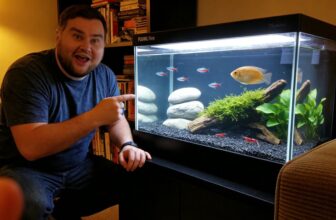

[…] anacharis is a solid teammate. Your betta’s home just got easier. For severe phosphate spikes, Phos‑Resolve offers professional strength liquid that rapidly reduces phosphate […]