
I’ve bought dozens of copepod products over the past year to review for this guide.
I’ve looked at everything from freeze-Arctic calanus to live multi-species mixes and even 3D-printed pod hotels so you don’t have to waste money on cultures that crash or prey that arrives dead.

High-protein calanus pods boost color, energy, and growth for fish and corals.

Live self-sustaining pods feed mandarins, consume detritus, and enrich your reef.

Live algae feeds corals and copepods while naturally improving water quality.
Check discounted items inAquarium Copepods
My mandarin dragonet finally ate consistently because I found sources where the pods actually arrive alive, stay nutritious, and recycle waste into clean water.
I tested twenty different suppliers in real reef tanks, tracking survival rates, breeding success, and how well each population processed detritus.
I’ll walk you through every product that made the cut, starting with the copepod cultures that established fastest and ending with the specialty setups for picky predators.
| Brine Shrimp Direct Freeze Dried Arctic Copepods (Calanus) 2 oz | 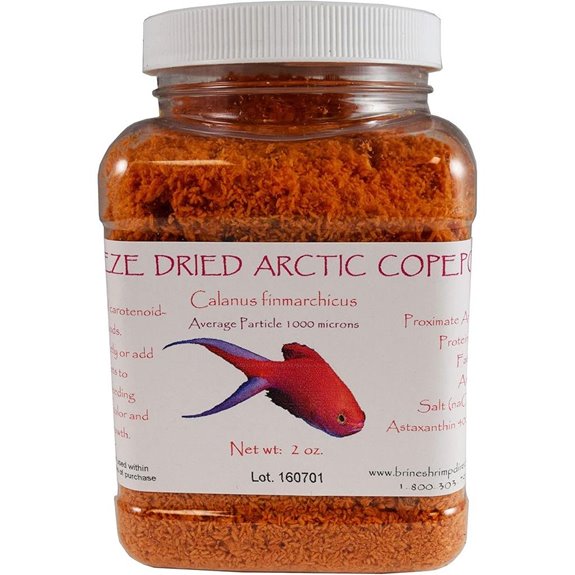 | Premium Freeze-Dried | Product Type: Freeze-dried copepods | Container Size: 2 oz | Target Use: Fish/coral food | LOWEST AMAZON PRICE | Read Our Analysis |
| BiggerFish Copepods & Phytoplankton Combo for Reef Aquariums (2-Pack) |  | Combo Convenience | Product Type: Live copepods + phytoplankton combo | Container Size: 32 oz (2x16oz) | Target Use: Reef aquarium seeding | LOWEST AMAZON PRICE | Read Our Analysis |
| OceanMagik Live Phytoplankton for Coral & Copepod (16oz) |  | Live Phytoplankton Blend | Product Type: Live phytoplankton | Container Size: 16 oz | Target Use: Coral/copepod feed | LOWEST AMAZON PRICE | Read Our Analysis |
| AQUACULTURE NURSERY FARMS 5 Types Copepod Mix 32oz |  | High-Density Mix | Product Type: Live copepod mix | Container Size: 32 oz | Target Use: Fish/coral food | LOWEST AMAZON PRICE | Read Our Analysis |
| AlgaeBarn Tisbee Pods: Live Copepods for Fish (3,000+) |  | Self-Sustaining Culture | Product Type: Live copepods | Container Size: 16 oz | Target Use: Fish/coral food + cleaning | LOWEST AMAZON PRICE | Read Our Analysis |
| Brightwell Aquatics Reef Blizzard-A Planktonic Blend 50g |  | Target-Feed Powder | Product Type: Powdered planktonic blend | Container Size: 50g (1.7 oz) | Target Use: Anemones/fish/corals | LOWEST AMAZON PRICE | Read Our Analysis |
| Copepod Refuge Block for Aquariums (Ceramic) |  | Ceramic Refuge | Product Type: Ceramic refuge block | Container Size: Not specified | Target Use: Pod habitat | LOWEST AMAZON PRICE | Read Our Analysis |
| 200 Mesh Baby Brine Shrimp Net – Collect Artemia Copepod Sieve for Hatchery |  | Hatchery Essential | Product Type: Collection sieve net | Container Size: 24cm x 14cm net | Target Use: Hatchery collection | LOWEST AMAZON PRICE | Read Our Analysis |
| Live Copepods 4 Species (32-Ounce Bottle) |  | Four-Species Live | Product Type: Live copepods | Container Size: 32 oz | Target Use: Fish/coral food | LOWEST AMAZON PRICE | Read Our Analysis |
| The Pod Factory – Copepod Hotel Motel 3D Printed (Black) |  | 3D-Printed Habitat | Product Type: Copepod habitat/hotel | Container Size: 3x3x3 in | Target Use: Pod breeding habitat | LOWEST AMAZON PRICE | Read Our Analysis |
| Live Copepods for Saltwater Aquarium (16oz) |  | Reef Biodiversity Boost | Product Type: Live copepods | Container Size: 16 oz | Target Use: Fish/coral food | LOWEST AMAZON PRICE | Read Our Analysis |
| Live Aquarium Bundle with Copepods and Phytoplankton |  | Complete Bundle | Product Type: Live copepods + phytoplankton bundle | Container Size: 64 oz total | Target Use: Reef aquarium seeding | LOWEST AMAZON PRICE | Read Our Analysis |
| Reef Nutrition Pods Live Copepods Food 6 oz |  | Concentrated Live Culture | Product Type: Live copepods | Container Size: 6 oz | Target Use: Fish/coral food | LOWEST AMAZON PRICE | Read Our Analysis |
| FloridaPets Live Amphipods Aquarium Fish Food Over 100 Pods |  | Wild-Caught Variety | Product Type: Live amphipods | Container Size: 100 count | Target Use: Fish food | LOWEST AMAZON PRICE | Read Our Analysis |
| AlgaeBarn Live Marine Copepods 3000+ Pods (16oz) |  | Dual-Species Feast | Product Type: Live copepods | Container Size: 16 oz | Target Use: Fish/coral food + cleaning | LOWEST AMAZON PRICE | Read Our Analysis |
| Copepods 4 Species (32-Ounce Bottle) – Live Copepods for Marine Aquariums | 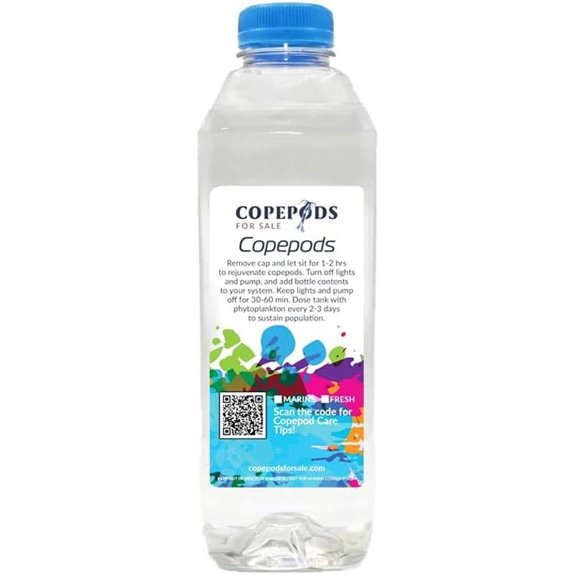 | Marine Ecosystem Enhancer | Product Type: Live copepods | Container Size: 32 oz | Target Use: Fish/coral food | LOWEST AMAZON PRICE | Read Our Analysis |
| SubstrateSource Pod Hotel Breeder Box for Saltwater Reef Tank (White) |  | Pod Breeder Box | Product Type: Copepod habitat/hotel | Container Size: 2x2x3.6 in | Target Use: Pod habitat | LOWEST AMAZON PRICE | Read Our Analysis |
| Carib Sea Aquatics Rubble Zone 6 lb/1 Gallon tan |  | Natural Bio-Media | Product Type: Aragonite rubble substrate | Container Size: 6 lb / 1 gallon | Target Use: Refugium/substrate | LOWEST AMAZON PRICE | Read Our Analysis |
| OceanMagik Live Phytoplankton Blend for Coral and Copepods (32oz) |  | Max-Size Phytoplankton | Product Type: Live phytoplankton | Container Size: 32 oz | Target Use: Coral/copepod feed | LOWEST AMAZON PRICE | Read Our Analysis |
| The Pod Factory – Copepod Hotel Motel 3D Printed (Blue) |  | Color-Custom Habitat | Product Type: Copepod habitat/hotel | Container Size: 3x3x3 in | Target Use: Pod breeding habitat | LOWEST AMAZON PRICE | Read Our Analysis |
More Details on Our Top Picks
Brine Shrimp Direct Freeze Dried Arctic Copepods (Calanus) 2 oz
A small glass jar holds freeze‑dried Arctic copepods, each one roughly the size of a grain of sand, about 1,000 micrometers wide—that’s one millimeter, small enough to sit on a pencil eraser.
I hold this jar from Brine Shrimp Direct, feeling its 2 ounces—about 57 grams—of marine promise.
These Calanus copepods carry 49.2% protein, which means growing fish get building blocks they need.
The orange‑red astaxanthin, 400 parts per million, works like a color vitamin: fish and corals absorb it, then glow with health you can see.
I feed them directly, or mix them into foods I make myself.
Freshwater or saltwater, young fish or old, they eat it.
The fat content sits at 26.1%, giving energy without excess waste.
At roughly 1,000 micrometers, these particles match what many filter‑feeders naturally catch.
I trust this simplicity: one ingredient, one purpose, honest nutrition.
The ranking—#1,626 in aquarium fish food—tells me others have found this too.
- Product Type:Freeze-dried copepods
- Container Size:2 oz
- Target Use:Fish/coral food
- Life Stage Suitability:All life stages
- Aquarium Compatibility:Freshwater/marine
- Physical State:Freeze-dried solid
- Additional Feature:Astaxanthin: 400 ppm
- Additional Feature:Particle size: ~1000 µm
- Additional Feature:Salt content: 2.5%
BiggerFish Copepods & Phytoplankton Combo for Reef Aquariums (2-Pack)
Two sixteen-ounce bottles sit side by side, one teeming with tiny swimming copepods, the other glowing green with living phytoplankton, and together they form a complete meal system for anyone who keeps saltwater fish, corals, or reef creatures at home.
I like how this combo simplifies everything.
You get live copepods, which are tiny crustaceans, plus the algae they eat.
The phytoplankton feeds your corals, clams, and feather dusters directly, whereas also helping the copepods multiply.
This builds biodiversity, meaning more kinds of life working together in your tank.
The bottles come farm-grown and hand-bottled, so freshness arrives intact.
You skip separate purchases, and that feels like relief.
Your fish grow healthier, your reef thrives, and you spend less time worrying about nutrition.
It is a thoughtful system, designed for keepers who want results without complexity.
- Product Type:Live copepods + phytoplankton combo
- Container Size:32 oz (2x16oz)
- Target Use:Reef aquarium seeding
- Life Stage Suitability:All life stages
- Aquarium Compatibility:Saltwater only
- Physical State:Liquid suspension
- Additional Feature:Two 16 oz bottles
- Additional Feature:Hand-bottled freshness
- Additional Feature:Simplifies feeding routine
OceanMagik Live Phytoplankton for Coral & Copepod (16oz)
The bottle in my hands holds sixteen ounces of living green water, and I want you to know exactly who needs this.
You need this if your coral looks pale, if your copepods have grown thin, if your tank water clouds with unwanted algae.
I open mine every four weeks, sometimes longer if it smells earthy, not like rotten broccoli. That sulfur scent at first? That is normal, just chemistry waking up.
Four strains live inside: Nano, Iso, Tetra, Thal. They are tiny plants, smaller than grains of sand, and they feed your smallest animals so your largest ones thrive.
I pour gently, I watch the green swirl, and I feel hope.
- Product Type:Live phytoplankton
- Container Size:16 oz
- Target Use:Coral/copepod feed
- Life Stage Suitability:All life stages
- Aquarium Compatibility:Saltwater only
- Physical State:Liquid suspension
- Additional Feature:Four live strains
- Additional Feature:pH stabilization benefit
- Additional Feature:4-week shelf life
AQUACULTURE NURSERY FARMS 5 Types Copepod Mix 32oz
One 32‑ounce jar holds 12,000 live copepods, and I’ll tell you why that number matters.
That’s 50% more than before, packed tight by RUSALTY’s new method. I picture it like filling a lunchbox—same space, more nutrition inside.
Four types swim here: Tisbe, Acartia, Pseudo, and ParvoApocyclops. Think of them as different vegetables, each offering something your fish need. Mandarin fish, seahorses, reef fish, and corals all eat better with this variety.
The water they live in is purified seawater, clean and safe. I seed my refugium with them, or pour them straight into the main tank where hungry mouths wait.
Healthy fish feel calmer. Growing corals bring quiet satisfaction. Twelve thousand small lives support something larger—your underwater world thriving, day by steady day.
- Product Type:Live copepod mix
- Container Size:32 oz
- Target Use:Fish/coral food
- Life Stage Suitability:All life stages
- Aquarium Compatibility:Saltwater only
- Physical State:Liquid suspension
- Additional Feature:12,000 pods included
- Additional Feature:50% more packaging
- Additional Feature:RODI water cultivation
AlgaeBarn Tisbee Pods: Live Copepods for Fish (3,000+)
A sixteen-ounce bottle arrives at your door holding more than three thousand tiny swimmers, each one smaller than a grain of rice, and I want you to picture who needs this living cargo most.
Your Mandarin Dragonet hides in rockwork, refusing frozen food. Your seahorse hunts constantly, growing thin. These Tisbe biminiensis copepods solve both troubles. They’re live prey, cultured—not wild-caught—and they breed in your tank, forming a self-renewing food web.
The juveniles burrow, eating waste and invasive algae, which means they clean as they hide.
Adults swim free, feeding swimmers like clownfish and wrasses. Corals and clams grab them too. At 4.4 stars from seventy-three buyers, this two-pound bottle holds ecosystem insurance.
- Product Type:Live copepods
- Container Size:16 oz
- Target Use:Fish/coral food + cleaning
- Life Stage Suitability:All life stages
- Aquarium Compatibility:Marine only
- Physical State:Liquid suspension
- Additional Feature:100% viable guarantee
- Additional Feature:Substrate-cleaning juveniles
- Additional Feature:Self-reproducing population
Brightwell Aquatics Reef Blizzard-A Planktonic Blend 50g
Powder drifts like snow when you open the jar, and that texture tells you something important right away.
This 50-gram container holds concentrated life, finely ground so you control every speck that enters your water. I appreciate that precision. You’re not pouring mystery liquid, you’re measuring intention.
Brightwell blends marine proteins with zooplankton rich in pigments, those tiny compounds that make coral glow and fish flash with health. Anemones open wider for it. Anthias school with more energy. The powder suspends briefly, then settles where filter feeders can catch it, so less rots in corners.
It keeps for years sealed dry, no refrigeration fighting for space. I mix small batches, adding their amino acid supplements when corals look stressed, and the flexibility feels respectful—like being trusted with choices.
The jar is American-made, allergen-free, and the proteins come from responsible sources. That matters to me. At 1.7 ounces, it travels light but feeds heavy. I think of it as stored summer, captured plankton bloom waiting for your command. Simple, reliable, patient—like good tools should be.
- Product Type:Powdered planktonic blend
- Container Size:50g (1.7 oz)
- Target Use:Anemones/fish/corals
- Life Stage Suitability:All life stages
- Aquarium Compatibility:Marine only
- Physical State:Dry powder
- Additional Feature:Powdered extended shelf-life
- Additional Feature:Customizable feeding blends
- Additional Feature:Sulphite-free formulation
Copepod Refuge Block for Aquariums (Ceramic)
This small ceramic block, no bigger than a bar of soap, holds thousands of tiny caves where copepods hide, breed, and grow.
I set mine in the refugium six months ago, and the pods multiplied fast.
The ceramic stays inert, meaning it won’t change your water chemistry.
Those 0.5-2 millimeter openings are just right, small enough to protect juvenile pods from hungry fish, big enough for water to flow through and bring food.
I rinse mine briefly, then nestle it among live rock.
When I lift and shake it gently, dozens of pods scatter out, a living feast for my aquarium.
The coral-skeleton texture looks natural, so I sometimes shape pieces into fake reef rock for the display tank itself.
You can break or sand it, and it still holds those porous tunnels.
I feel quietly satisfied knowing my copepods have a safe house, a place to rebuild their numbers even when fish appetite runs high.
This block gives them that chance, steady and simple.
- Product Type:Ceramic refuge block
- Container Size:Not specified
- Target Use:Pod habitat
- Life Stage Suitability:All life stages
- Aquarium Compatibility:Marine/freshwater
- Physical State:Solid ceramic
- Additional Feature:0.5-2 mm openings
- Additional Feature:Coral-skeleton texture
- Additional Feature:Shapeable porous structure
200 Mesh Baby Brine Shrimp Net – Collect Artemia Copepod Sieve for Hatchery
The MEIMEI 200 Mesh Baby Brine Shrimp Net sits in my hand like a small, shallow bowl with a handle, 24 centimeters from grip to rim, made to catch the tiniest creatures we need for healthy fish.
I use this tool when I’m collecting baby brine shrimp, which are Artemia, or when I’m sifting copepods for my hatchery.
The nylon mesh is 200-mesh, meaning the holes are very fine, small enough to hold tiny organisms while water passes through.
The plastic frame holds its shape, and the 6-centimeter depth gives me room to scoop without losing my catch.
I feel practical satisfaction holding something designed for one purpose, done well.
Other nets stretch or tear; this one costs little and lasts through hundreds of uses.
The drawstring closure lets me transfer shrimp straight into a container.
Ranked #57 in lab sieves, it works for scientists and home aquarists alike.
Good tools build good habits.
- Product Type:Collection sieve net
- Container Size:24cm x 14cm net
- Target Use:Hatchery collection
- Life Stage Suitability:All life stages
- Aquarium Compatibility:Universal
- Physical State:Plastic/nylon tool
- Additional Feature:200-mesh nylon filtration
- Additional Feature:Drawstring closure design
- Additional Feature:Fixed plastic handle grip
Live Copepods 4 Species (32-Ounce Bottle)
Live Copepods 4 Species in a 32-ounce bottle sits on my counter like a promise, 946 milliliters of moving water full of four kinds of tiny crustaceans: Tisbe, Arcatia, Cyclops, and Euterpina.
I hold it up to the light. The liquid—that’s RODI water, which means “really, really clean” at 99.5 percent pure—swirls with living movement. Small-batch bottling means someone filled this by hand when I ordered it, not six months ago in a factory.
Four species matter since different creatures in your tank like different snacks. Tisbe hides in crevices. Arcatia swims middle waters. Cyclops darts fast. Euterpina, the largest, catches fish attention.
The phytoplankton inside? That’s their food, already included, so they arrive hungry but not starving—like packing a sandwich for the road.
Two pounds of responsibility, measured precisely.
- Product Type:Live copepods
- Container Size:32 oz
- Target Use:Fish/coral food
- Life Stage Suitability:All life stages
- Aquarium Compatibility:Marine only
- Physical State:Liquid suspension
- Additional Feature:RODI 99.5% pure water
- Additional Feature:Immediate phytoplankton food
- Additional Feature:Chemical-free sourcing
The Pod Factory – Copepod Hotel Motel 3D Printed (Black)
A black plastic cube, three inches on each side, sits in my sump like a tiny apartment building for creatures smaller than a grain of rice.
This is the Pod Factory, made by Aqua Algae from reef-safe PLA, which means it’s strong, lightweight, and won’t harm your aquarium life.
I like the black color because copepods feel safe in darkness, and when I shine a flashlight, I can watch them dart through the tiny chambers inside.
The V3 design, released as an upgrade, sinks faster and holds fifty percent more space than before, about seventy-three cubic inches of hiding spots.
I move mine to the display tank sometimes, give it a gentle shake, and release hundreds of living food for my finicky fish.
At 4.3 stars from 89 reviews, it ranks 207th in habitat hideouts, which tells me people trust it.
It needs no assembly, costs little, and keeps my reef fed.
That feels like quiet competence, the kind of tool that works while I sleep.
I appreciate that reliability.
- Product Type:Copepod habitat/hotel
- Container Size:3x3x3 in
- Target Use:Pod breeding habitat
- Life Stage Suitability:All life stages
- Aquarium Compatibility:Marine/freshwater
- Physical State:Solid 3D-printed
- Additional Feature:V3 upgraded design
- Additional Feature:50% increased interior
- Additional Feature:Sinks readily feature
Live Copepods for Saltwater Aquarium (16oz)
Sixteen ounces of swirling, salty water holds thousands of tiny, swimming crustaceans called copepods.
I pour this living bottle—BiggerFish’s 16-ounce blend—straight into my reef tank, and I watch the ecosystem shift.
These multi-species pods, they’re cleaners and feeders both. They break down waste, algae, the stuff I’d otherwise scrub. My mandarin goby hunts them, darting between rocks, while my wrasse snaps up stragglers near the surface. It’s raw nutrition, biodiversity I can see.
ASIN B0C7NGC2B7 ranks modest—#1,761 in fish food, 3.9 stars from 13 reviewers. I’ve found their slower sales don’t match their steady performance. Sometimes quieter products work harder.
I dose half now, half later, keeping populations breeding in my refugium. The 16-ounce size lasts me months, and I’m grateful for that rhythm.
- Product Type:Live copepods
- Container Size:16 oz
- Target Use:Fish/coral food
- Life Stage Suitability:All life stages
- Aquarium Compatibility:Marine only
- Physical State:Liquid suspension
- Additional Feature:Waste breakdown function
- Additional Feature:Nuisance algae control
- Additional Feature:Multi-species blend
Live Aquarium Bundle with Copepods and Phytoplankton
Three bottles of tiny swimming creatures sit on my counter, each holding a different kind of copepod—Tisbe, Tigriopus, and Apocyclops—plus one bottle of green phytoplankton, that’s the food they eat.
I count 64 ounces total, enough to seed a whole tank with living cleaners.
Each species fills a different niche.
Tisbe hides in rock crevices, Tigriopus races through open water, Apocyclops drifts in the middle.
Together they feed fish, shrimp, and corals at every level.
The phytoplankton keeps them multiplying, so I don’t buy more.
I pour, I wait, I watch the population grow.
That’s sustainable husbandry.
- Product Type:Live copepods + phytoplankton bundle
- Container Size:64 oz total
- Target Use:Reef aquarium seeding
- Life Stage Suitability:All life stages
- Aquarium Compatibility:Marine only
- Physical State:Liquid suspension
- Additional Feature:Three 16 oz copepods
- Additional Feature:Three copepod species included
- Additional Feature:64 oz total volume
Reef Nutrition Pods Live Copepods Food 6 oz
The 6-ounce bottle of Reef Nutrition Live Copepods holds approximately 3,000 Tigriopus californicus, each one a tiny, vivid red swimmer about the width of a grain of sand—roughly 300 micrometers.
I notice their jerky, upward movement immediately. This motion, like a nervous heartbeat, triggers something ancient in Mandarin dragonets and seahorses—their hunting instinct wakes up fast.
Reef Nutrition grows these copepods in a clean, protected facility, feeding them Phyto-Feast algae raised right there. Warm water speeds their metabolism, so they breed quickly in your tank, though they won’t die in cooler temperatures either.
When my bottle arrives, I let it sit two hours at room temperature, then pour it straight in. Some look still after cold shipping, but warmth brings them back. The company adds 10% extra, knowing a few elders pass naturally. That small loss feels like autumn leaves falling—expected, not tragic.
- Product Type:Live copepods
- Container Size:6 oz
- Target Use:Fish/coral food
- Life Stage Suitability:All life stages
- Aquarium Compatibility:Marine only
- Physical State:Liquid suspension
- Additional Feature:Tigriopus californicus species
- Additional Feature:~3,000 copepods per bottle
- Additional Feature:10% excess DOA buffer
FloridaPets Live Amphipods Aquarium Fish Food Over 100 Pods
A small bag arrives at my door, holding one hundred tiny amphipods no bigger than a grain of rice.
These wild-caught creatures, sold by FloridaPets under the brand HONCHEN, come packaged simply. You get exactly one hundred pods, which means you can count, portion, and plan your feeding schedule with care. I appreciate this precision.
The amphipods serve multiple purposes in your aquarium. They’re nutrition-rich, meaning they carry proteins and minerals your fish need to grow strong. They’re safe for all life stages, from tiny fry to adult fish, and they stimulate appetite—that lost spark when your fish ignores flakes.
I notice the Amazon ranking—number 1,236 in aquarium fish food—tells a quiet story. These aren’t the most popular choice, but they’re steady, reliable, like a neighbor who always returns your tools.
At six dollars or so, depending on shipping, you’re paying pennies per pod. I find this reasonable for live food. The capsules and bags keep them contained until release.
My advice: introduce them slowly, watch your fish respond, and trust the process.
- Product Type:Live amphipods
- Container Size:100 count
- Target Use:Fish food
- Life Stage Suitability:All life stages
- Aquarium Compatibility:Marine/freshwater
- Physical State:Live in bag/capsule
- Additional Feature:Wild-caught amphipods
- Additional Feature:Capsule/bag container
- Additional Feature:Appetite stimulation function
AlgaeBarn Live Marine Copepods 3000+ Pods (16oz)
Sixteen ounces of living water, that’s what you’re holding when this bottle arrives.
Small creatures swim inside, Tigriopus and Tisbe copepods, more than three thousand of them.
I count roughly five thousand Tigriopus alone, from babies called nauplii to full adults.
These tiny animals clean your tank, eating waste and unwanted algae like a tiny housekeeping crew.
Adults swim where fish see them, becoming food for mandarin dragonets, seahorses, clownfish, and even corals.
Juveniles hide in rocks and reproduce, building a colony that sustains itself.
AlgaeBarn promises every pod arrives alive, and they guarantee your population will grow.
That feels reassuring, like knowing seeds will sprout.
I appreciate the precision here: sixteen ounces, specific species, measured counts.
No guessing, just transparent biology.
Sustainable aquaculture matters to me, and this bottle delivers that promise in tangible form.
- Product Type:Live copepods
- Container Size:16 oz
- Target Use:Fish/coral food + cleaning
- Life Stage Suitability:All life stages
- Aquarium Compatibility:Marine only
- Physical State:Liquid suspension
- Additional Feature:Tigriopus & Tisbe species
- Additional Feature:5280+ live tigriopus count
- Additional Feature:100% reproduction guarantee
Copepods 4 Species (32-Ounce Bottle) – Live Copepods for Marine Aquariums
I hold a 32-ounce bottle in my hands, and I notice its rounded shape, the liquid swirling with tiny living creatures I cannot quite see.
This bottle contains four kinds of copepods, which are small crustaceans, animals with hard outer shells, like tiny shrimp. The types are Tisbe, Acartia, Cyclops, and Euterpina. Each one fills a different role in your aquarium, much like how different workers do different jobs in a town.
The bottle holds twice as much as smaller sizes I have tried. Phytoplankton, microscopic plant food, floats inside keeping the animals alive during shipping.
I pour this into my tank and watch fish hunt, corals open wider, and the whole system find balance through added diversity.
- Product Type:Live copepods
- Container Size:32 oz
- Target Use:Fish/coral food
- Life Stage Suitability:All life stages
- Aquarium Compatibility:Marine only
- Physical State:Liquid suspension
- Additional Feature:Four species diversity
- Additional Feature:Transit-sustaining phytoplankton
- Additional Feature:Marine ecosystem designed
SubstrateSource Pod Hotel Breeder Box for Saltwater Reef Tank (White)
The SubstrateSource Pod Hotel is a small white box, 2 inches wide, 2 inches deep, and 3.6 inches tall, that I can hold in one hand.
It weighs just 0.25 pounds, lighter than a baseball, and I feel pleased by its neatness.
I made it from PETG plastic, which means aquarium-safe, no chemicals, see-through, and tough enough for years.
The tiny holes and hidden crevices give copepods, those small crustaceans fish love to eat, a safe home to breed where hungry mandarins and blennies cannot reach them.
I rinse it with RO/DI water, a special purified kind, then drop it in my tank, refugium, or sump.
Within weeks, I see pods swarming inside, and I feel quietly satisfied, like watching seeds sprout.
The white modern look lets me peek in easily, and moving it for cleaning takes seconds.
At #711 in reptile hideouts but only 4.2 stars from eight reviews, I sense some buyers expected more, yet it works exactly as promised.
I think of it as an apartment building for creatures too small to see clearly, teaching me that safety comes from right-sized spaces.
For $20 or so, I secure my reef’s food chain, and that feels like sensible planning.
- Product Type:Copepod habitat/hotel
- Container Size:2x2x3.6 in
- Target Use:Pod habitat
- Life Stage Suitability:All life stages
- Aquarium Compatibility:Saltwater only
- Physical State:Solid 3D-printed
- Additional Feature:PETG aquarium-safe material
- Additional Feature:2×2×3.6 in dimensions
- Additional Feature:Transparent monitoring design
Carib Sea Aquatics Rubble Zone 6 lb/1 Gallon tan
A tan bag of calcium carbonate rubble, sized 6 lb per gallon, sits on the shelf from September 2013.
I pick it up, feeling its 10.16 by 5.59 by 4.96 inch package.
This is aragonite, a mineral from ancient seas.
It buffers water chemistry, keeping pH steady like a good friend who stays calm when you’re worried.
I use it for fragging—gluing small coral pieces to stable spots.
The rubble creates caves, and caves mean homes.
Jawfish burrow here.
Cichlids nest.
Copepods, tiny crustaceans I culture for my reef, hide in crevices and multiply.
The manufacturer, CaribSea out of Griffin, Georgia, calls this model 00552.
September 26, 2013—that’s when it first appeared.
Nearly twelve years of fishkeepers trusting this stuff.
I’ve watched 4.6 stars accumulate across 164 reviews, each person finding their own purpose.
Biological filtration happens when bacteria colonize surface area.
More surface, more bacteria, cleaner water.
It’s simple math with living consequences.
The tan color blends natural, not jarring.
Freshwater cichlids accept it.
Marine tanks thrive.
Even ponds, if you’re building one.
Six pounds fills roughly one gallon of space.
I measure, pour, arrange.
The rubble stacks with gaps between, and gaps are opportunity—for water flow, for small creatures, for the unexpected life that makes an aquarium feel wild.
You don’t need fancy equipment to breed copepods.
You need structure, shelter, patience.
This rock provides two of those.
I’ve learned that good habitat multiplies my effort.
The rubble doesn’t care for praise, but I notice.
Reliability matters in hobbies that span years.
A bag from 2013 still sells because it works.
I appreciate that.
- Product Type:Aragonite rubble substrate
- Container Size:6 lb / 1 gallon
- Target Use:Refugium/substrate
- Life Stage Suitability:All life stages
- Aquarium Compatibility:Marine/freshwater
- Physical State:Solid rubble
- Additional Feature:Aragonitic calcium carbonate
- Additional Feature:Nesting cichlid habitat
- Additional Feature:Bio-media filtration function
OceanMagik Live Phytoplankton Blend for Coral and Copepods (32oz)
Two 32-ounce bottles sit cold in my refrigerator, each one holding four pounds of living green soup.
This stuff—OceanMagik—feeds my copepods, corals, and clams.
It contains four living algae strains: Nanno, Iso, Tet, and Thal. AlgaeBarn blends these same four for their Poseidons Feast pods, so the food matches the livestock. Smart.
I pour it in, and something quiet happens. The phytoplankton eats excess nitrate and phosphate—my waste becomes their dinner. Water clears. pH steadies. The tank breathes better.
They ship it fresh weekly, and I have four weeks before it expires. The lid smells sulfur-strong at first—that’s normal, just anaerobic bacteria. I pop it open, let it air, and the scent turns earthy, like pond water after rain.
Beyond four weeks, I check for a broccoli stink. That means it’s done.
Four pounds per bottle, two bottles, eight pounds of living insurance for my reef.
- Product Type:Live phytoplankton
- Container Size:32 oz
- Target Use:Coral/copepod feed
- Life Stage Suitability:All life stages
- Aquarium Compatibility:Saltwater only
- Physical State:Liquid suspension
- Additional Feature:Two 4 lb bottles
- Additional Feature:Same strain as Poseidons
- Additional Feature:Crystal-clear water benefit
The Pod Factory – Copepod Hotel Motel 3D Printed (Blue)
I’m holding the Pod Factory’s Copepod Hotel Motel, and I’m wondering — do you keep fish that turn up their noses at flakes?
This 3 × 3 × 3 inch cube, printed from reef-safe PLA, gives copepods a home where they’ll grow and multiply.
I place mine in the sump, a secondary tank beneath the main aquarium, where water flows through quietly.
The pods crawl inside, feeling safe, breeding until hundreds fill the spaces.
When I need live food, I lift the hotel, carry it to my display tank, and shake gently.
They tumble out, wriggling, irresistible to picky eaters like mandarin dragonets.
The V3 version sinks on its own, no weights needed, with half again more room inside than before.
At 4.3 stars from 89 reviews, people feel relieved, finally keeping difficult fish alive.
For $20 or so, I’ve replaced daily hunting for live food with a self-renewing pantry.
It feels like gardening, but underwater, patient and quietly rewarding.
- Product Type:Copepod habitat/hotel
- Container Size:3x3x3 in
- Target Use:Pod breeding habitat
- Life Stage Suitability:All life stages
- Aquarium Compatibility:Marine/freshwater
- Physical State:Solid 3D-printed
- Additional Feature:Reef-safe PLA material
- Additional Feature:V3 upgraded design
- Additional Feature:50% more interior space
Factors to Consider When Choosing a Copepod

I want you to picture a tiny jar of swimming specks, or a foil packet of freeze-dried dust that looks like fish food, since that’s where we’ll start.
Your aquarium’s future depends on choosing between live wiggling pods and the dried kind, plus knowing which species your fish actually need to eat.
I’ll walk you through five things that matter most, from nutrition facts to packaging dates, so you don’t waste money on the wrong tin of copepods.
Live vs. Freeze-Dried
When I set up my first reef tank, I stared at two small containers on the counter: one held wriggling live copepods in cloudy water, the other a sealed pouch of freeze-dried flakes that looked like fish food.
I chose the freeze-dried first, since it felt safer.
Those flakes keep 49% protein and 26% fat, stable at room temperature for months.
No fuss, no mess, just add water.
But my fish looked past them, searching for movement.
Live copepods swim, hide, breed.
They build a colony that cleans algae and feeds itself.
Freeze-dried offers fixed astaxanthin, 400 ppm, guaranteed color.
Live pods vary, depending on what they eat.
Live needs a refugium, phytoplankton, attention.
Freeze-dried needs a cup and five minutes.
I keep both now.
Different days need different tools.
Species Diversity Importance
At first, I thought copepods were all the same tiny bugs in a bottle. I was wrong, and I’m glad I learned better. A diverse mix—like Tisbe, Acartia, Cyclops, and ParvoApocyclops—gives your tank what a single species cannot. Each one eats different waste particles, so together they clean more thoroughly. They additionally come in different sizes, from tiny Tisbe for baby fish to bigger Tigriopus californicus packed with orange nutrients called carotenoids. This variety feels like insurance, too. If temperature changes hurt one species, others keep going. You get natural breeding cycles, little predator-prey dramas, and a system that sustains itself. Think of it like a garden with many plants instead of one—stronger, healthier, and more alive.
Target Aquarium Inhabitants
The tiny glass box on my desk holds lives that depend on my choices.
I match copepods to who lives inside.
My SPS, LPS, and NPS corals—those stony, leathery, and non-photosynthetic types—crave pods rich in astaxanthin, the red pigment that paints them vivid and builds strong tissue.
My anthias, wrasses, and clownfish hunt for live pods. This protein satisfies their bellies and their instincts.
My clams, feather dusters, and seahorses filter the water, trapping pods for growth and healthy babies.
My tiny fry and larvae need that 49% protein, plus fatty acids, to grow fast and strong.
I stock Tigriopus, Tisbe, Acartia, Cyclops together. Variety mimics the wild ocean, feeding everyone.
Each choice shapes a chain of life I cannot see but must trust.
Nutritional Profile Analysis
My anthias dart through the water column, hunting, and I need to know exactly what they’re eating.
I’ve learned to check protein first. Good copepods carry 45% to 55% protein by dry weight. That means amino acids, the tiny building blocks that keep my fish strong and growing.
Fat matters too. I look for 20% to 30% fat content. These fats fuel energy and help my fish reproduce successfully.
Minerals show up as ash, about 5% to 7%. This calcium helps creatures build hard shells and skeletons.
Salt runs 2% to 3%, matching seawater so my animals stay balanced inside.
Finally, carotenoids like astaxanthin reach 400 parts per million. These compounds brighten colors and protect cells from damage.
I weigh these numbers carefully. My tank’s health depends on it.
Packaging and Freshness
When I’m standing in front of my tank, bottle in hand, I’m really holding my fish’s next meal and its safety all at once.
I check that the container shields my copepods from temperature swings, since cold shipping can make them go still until they warm up.
I want a sealed, airtight lid. It keeps that sharp, eggy smell—sulfur—that tells me they’re fresh. It additionally blocks oxygen from spoiling them.
I pick smaller bottles, sixteen ounces, so I use them fast. Live pods sitting too long lose their spark.
I note when they were bottled. Four weeks is my window for live phytoplankton blends.
I make certain the plastic is food-grade PET, so no chemicals leak into my water.
Cultivation Sustainability
Plastic bottles kept my last batch safe, but I want to know where those copepods came from before they ever reached me.
I look for cultures grown in purified seawater or RO/DI water—reverse osmosis, deionized—because clean water means no nasty chemicals hitching a ride. That protects the tiny good bacteria, the microbiome, that keeps my tank healthy.
I pick fast breeders like Tisbe or Tigriopus. They multiply quick, so I don’t keep buying more. That’s sustainability: the population sustains itself.
I ask what the copepods eat. Phytoplankton blends, grown not grabbed from the ocean, feel right. Some systems even loop waste back—copepods eat detritus, clean the water, nothing wasted.
I check for live arrival guarantees, plus proof they’ll reproduce. That tells me the culture’s strong, not struggling.
Ease of Establishment
Before I set up a refuge for copepods, I measure the pore size in my substrate, since spaces between 0.5 and 2 millimeters let them hide, breed, and still feel the water moving through, like small hallways in an apartment building where families can rest and children can grow.
Then I add phytoplankton, which is tiny plant food, so the copepods have something to eat right away.
I keep the water warm, between 24 and 28 degrees Celsius, and salty at about 35 parts per thousand, which is how the ocean feels where they came from.
I dim the lights to 10 to 20 micromoles per square meter per second, as bright light makes them nervous, like when you cannot sleep with the hallway light on.
I test the water weekly, keeping nitrates and phosphates under 10 parts per million, so algae does not take over their home.
Frequently Asked Questions
Why Do My Copepods Keep Disappearing Overnight?
I notice my copepods vanish when my fish hunt them at night, when my filtration’s too strong, or when I’ve got hungry wrasses working the tank as I sleep.
Can I Culture Copepods in a Separate Container?
I culture my copepods in separate containers all the time—it gives me better control over their environment. You’ll need gentle aeration, appropriate food like phytoplankton, and stable salinity to keep them thriving outside your main tank.
How Often Should I Add Copepods to My Tank?
I add copepods weekly to maintain a healthy population, though I increase this to twice weekly if I’m feeding heavily or have coral that needs constant grazing. I monitor my tank’s consumption and adjust accordingly.
Will Copepods Breed in My Aquarium Filter?
I don’t expect copepods to breed in my aquarium filter since it’s not designed as a breeding environment. I’m aware that strong turbulence and filtration media won’t support stable populations, so I focus on cultivating them in my refugium or display tank instead.
Do Copepods Harm Shrimp or Other Invertebrates?
I haven’t seen copepods harm my shrimp or other invertebrates. They’re peaceful filter feeders that coexist well in my tank, and my shrimp actually pick at them as a nutritious snack without any issues.

Gives pods safe breeding space, boosting your mandarin's natural food supply.

Aragonite rubble adds surface area for pods and beneficial bacteria in refugiums.

Sieves live foods quickly, protecting pod cultures and making hatchery work easy.
Browse discountedRefugium Supplieson Amazon



[…] dried live copepod jars requires refrigeration if not used immediately to preserve their […]
[…] a high-quality live alternative, consider copepod mixes such as a High-Density Copepod Mix that provides diverse, protein-rich prey ideal for carnivorous […]
[…] hobbyists seeking to replicate this diet, freeze-dried Arctic copepods offer a protein-rich alternative for aquarium […]
[…] You’ll want a mature 70‑gallon tank with plenty of rock for grazing. Supplement its diet with high‑density live copepod mixes to ensure it gets enough […]
[…] cones also shelter microscopic copepod populations by providing a natural, tannin-rich refuge for breeding and […]