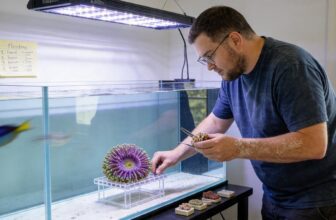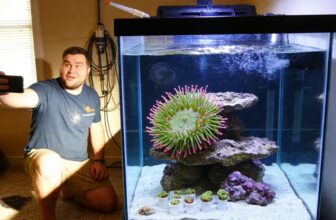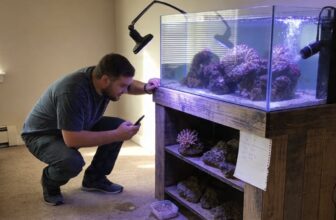
You’ll want intense blue lighting around 100-150 PAR, stable water with 8-12 dKH alkalinity, and gentle flow at 20-40× turnover so your Scoly inflates without tipping.
Feed it mysis or brine shrimp twice weekly by direct target feeding, and keep it three inches clear of Green Hydnophora or Galaxea – they’ll sting or chemically bully your coral into submission.

High-protein mysis for targeted feeding, boosts color and growth.

Precise feeding without disturbing water, reaches tentacles easily.

Nutrient-dense particles that trigger feeding response, enhances polyp extension.
Check discounted items inCoral Food
Skip fragging entirely; infection risk is high, healing’s slow, and asymmetrical growth ruins that perfect disc shape.
Now, tilt the base 15-20 degrees so debris slides off and your coral grips better, since nobody wants a $400 paperweight.
And hey, if this feels like a lot of micro-management, well, there’s a reason the Australian orange ones fetch four figures – some secrets only reveal themselves when you’re deep in the tank, wrist-deep and wondering where the afternoon went.
At A Glance
- Feed Scoly 2–3 times weekly with targeted mysis or brine shrimp for optimal health.
- Keep alkalinity steady at 8–12 dKH to prevent aggression and support growth.
- Avoid fragging due to high infection risk and potential permanent feeding impairment.
- Pair safely with plate corals, brain corals, clams, and zoanthids; avoid Hydnophora and triggerfish.
- Maintain 20–40× turnover flow, tilt base 15–20°, and clear 3+ inches around coral.
What Is a Scoly Coral?
So, what exactly is this coral your eye keeps drifting toward at the local reef shop?
You’re looking at *Homophyllia bowerbanki*, the Scoly – short, punchy, like the coral itself. It’s one polyp, big as your palm, a fleshy disc that inflates into something almost absurd, like a mouthy flower throwing a tantrum. Reef photography loves this thing; your camera can’t quit it, and neither can your Instagram followers.
Now, coral symbolism here runs deep. You’ve got resilience wrapped in softness, that whole “beautiful but don’t touch” vibe. You want in, right? The club. The tank full of weirdos who get why a single polyp matters. You’re already halfway there.
To bring out their best colors and support that impressive polyp expansion, Scolies need intense blue spectrum lighting in the 445-470 nm range, which drives their photosynthetic needs and fluorescence.
How Much Does a Scoly Cost and Where to Buy One?
You’ll join online reef clubs, hunt Facebook groups, and haunt local shops – it’s where the price market lives, breathing, shifting weekly. Reefscaping trends spike demand, so you’ll pay $80 for basics, or $500+ for rare orange Aussies. Many aquarists find that self-cleaning aquarium systems reduce maintenance time for scoly-dominated nano tanks, letting you focus on coral health rather than water changes. Now, here’s the scenery:
| Source | Typical Price Range | Vibe Check |
|---|---|---|
| Local reef shop | $80–$250 | You’re building trust, they’re remembering your face |
| Online retailers | $100–$400 | Hit-or-miss, read the reviews |
| Reef club swaps | $50–$200 | Community first, deals happen after midnight |
| Private collectors | $200–$5,000+ | You want the orange one, don’t you |
Tank Size and Water Parameters for Scolys
I notice the text provided doesn’t actually contain a subheading title with a colon. The [CONTEXT] line appears to be a description of the topic, not a subheading within the text itself.
However, if you need a simplified title for this content based on the context provided, here are options:
Tank Requirements and Water Chemistry for Scolys
or simply:
Tank Setup and Water Parameters
—
If you meant for me to modify text that *does* contain a colon subheading, please provide that specific text and I’ll remove the colon portion and simplify as requested.
Calcium and alkalinity stability proves essential for scoly coral skeletogenesis, with 410-440 ppm Ca²⁺ targets matching the dissolution output of properly sized aragonite media reactors.
Lighting and Flow Setup for Healthy Scolys
With Scolys, lighting and flow aren’t things you set once and forget – more like, you nudge them into place, watch how the coral responds, and adjust before things go sideways. Aim for 100–150 PAR, which sounds technical but just means moderate LED placement, aesthetics mattering since you live with this tank, right? Keep flow soft, 20–40× turnover, enough to sweep debris without flipping your coral like a tiddlywink.
Now, algae control – here’s where flow earns its keep. Dead zones collect green fuzz, so angle that current, keep water moving, and you’ll dodge the scrub‑brush weekends everyone dreads.
For sump systems, a spray bar flow distribution setup can help maintain that gentle, sweeping circulation Scolys prefer by spreading return water evenly across the surface without creating turbulent bursts.
Where to Place Your Scoly (And Why Angle Matters)
Three inches of clearance sounds like a made-up rule until you watch a happy Scoly inflate to the size of a softball, those tentacles waving like it owns the place – which, fair, it probably paid enough to.
Now, cor placement isn’t just about space. You’re anchoring this thing for years, so angle impact matters more than you’d think. Tilt it slightly, maybe 15 degrees, and debris slides off instead of rotting in the folds. Too flat, and you’re inviting trouble. Too steep, and it’ll fight the flow. Find that sweet spot, and your Scoly belongs.
When positioning near equipment, ensure any air pump accessories include check valves to prevent back-siphoning during power outages that could flood your carefully angled coral placement.
What to Feed Your Scoly and How Often
Once your Scoly’s angled just right and sitting pretty, it’s going to get hungry – and I mean properly hungry, not just politely photosynthesizing as it waits for you to notice.
You’ll want a feeding plan built on smart feeding frequency: 2–3 times weekly, no more.
Your feeding routine depends on nutrition timing – mornings work, evenings too, just keep that meal schedule consistent.
For prey selection, think mysis shrimp, brine shrimp, tiny Gulf shrimp.
Diet variety matters, so toss in specialized coral foods or seafood puree occasionally.
Target feeding beats broadcast – squirt it right onto those tentacles, watch them grab.
Trace elements such as those found in aquarium supplements can support overall coral health when dosed consistently like your feeding schedule.And that’s your feeding guide.
White Skeleton Exposure: How to Save a Dying Scoly
Sometimes a Scoly will pull back its tissue overnight, and you’re left staring at stark white calcium skeleton where soft, fleshy coral used to be – never a good morning surprise, I mean, we’re talking full cardiac event for the reef keeper, right?
Now, don’t panic. You’ve got moves here. These iod skeleton remedies actually work, and they’re simpler than you’d think.
- Mix your iodine dip: 10 drops per quarter gallon, maybe 11 if you’re feeling spicy
- Submerge the coral for 10 minutes – set a timer, seriously
- Rinse thoroughly in tank water, then quarantine in low flow
- Resume gentle feeding once tissue starts creeping back
Welcome to the recovery club.
During recovery, testing your water parameters twice weekly with phosphate precision helps ensure the skeleton doesn’t suffer further from nutrient imbalances or low calcium carbonate levels that could stall tissue regeneration.
Safe Tank Mates for Scoly Corals
Since you’ve got this gorgeous, puffy Scoly sitting there like a velvet ottoman, and you’re already wondering who gets to bunk next to it without starting World War Reef, right?
Your velvet ottoman’s holding court – just make sure the neighbors play nice.
Plate corals work. Brain corals too. Tridacna clams, mushrooms, zoanthids – they all share your reef’s coral symbiosis drama.
Now, temperature matters here. Keep your tank between 73-84°F, since swings stress everyone. Stressed corals get cranky, cranky corals send sweepers, and suddenly your velvet ottoman’s declaring war on the neighbors.
Give your Scoly several inches of clearance. Other LPS and SPS corals typically play nice. Just watch those tentacles at night – they’re longer than you’d think, and sneaky.
For substrate stability, consider adding Carib Sea Moonlight Sand to cushion bottom-dwelling fish and reduce disturbance near your Scoly’s perch.
What to Keep Away From Your Scoly
But velvet ottomans have enemies, and your Scoly’s no exception.
Coral aggression runs thick in reef tanks, and you’re the bouncer. Here’s who doesn’t make the guest list:
- Green Hydnophora – sweeper tentacles that’ll sting your Scoly raw
- Galaxea – those tiny stars pack chemical warfare
- Starry Cup coral – territorial as a parking spot in July
- Picasso Triggerfish – reef-safe’s a lie when they’re nibbling art
Watch your water chemistry too. Parameter swings stress corals into combat mode, and a cranky Scoly lashes out. Keep alkalinity steady, around 8-12 dKH, as instability turns neighbors into rivals. If you’re feeding target foods, a magnetic ring system can keep pellets contained and prevent excess nutrients from fueling algae that compounds aggression stress between corals.
Space them out, test often, and everyone’s happier.
Can You Frag a Scoly?
Scoly Fragging Risks
Even though your fragging skills might be legendary with easier corals, you’ll want to pump the brakes on this particular LPS.
Now, here’s the thing – you *can* chop a Scoly, technically. But the fragging risks outweigh the bragging rights.
You’re looking at:
- Infection and slow healing
- Wonky, asymmetrical growth
- Permanent feeding impairment
And I mean, that rarity value? One slip with the saw, and you’ve turned a $400 conversation piece into expensive fish food. The reef community won’t revoke your membership, but they’ll wince.
Honestly, leave propagation to Mother Nature here. Your frag tank’s got plenty of easier candidates anyway.
The Australian Orange Scoly: Worth the Price?
So you’ve decided against fragging your Scoly – smart move, your wallet thanks you – and now you’re eyeing the crown jewel of the LPS world, that flashy orange diva everyone’s murmuring about. The Australian Orange Scoly, Homophyllia australis, commands the premium end of the price market, and yeah, you’ve probably seen those jaw-dropping numbers.
- Rarity drives demand – orange coloration’s uncommon in nature
- Price trends spike during shortages, so timing matters
- You’re buying into a community, not just coral
- That $5,000 Japanese record sale? It’s real
Worth it? If you’ve got stable parameters and want bragging rights, join the club. To maintain those critical stability requirements, reef keepers often rely on phosphate‑free buffer systems that automatically regulate pH at 8.3 while supporting aragonite formation in the coral’s skeletal structure.
Fixing Flow Problems and Tipping Corals
Where does your Scoly keep tipping over like it’s had one too many, and why does it look vaguely offended about the whole situation?
You’re not alone here – coral tipping happens when flow pushes too hard from one direction, or your sandbed’s lumpier than it looks.
Quick fixes
- Tilt the base 15–20 degrees, it drains debris and stabilizes the grip
- Drop flow to that 20–40× turnover sweet spot, low-moderate, nothing blast-y
- Use rubble rock or epoxy to build a little shelf – I mean, we’re reefers, we’ve got spare rubble everywhere
Now check your return nozzle. Is it hammering one side? Rotate it, baffled if you must. Your Scoly stays put, stops sulking, and you finally belong to the club of people whose corals stand upright like adults.
Why Your Scoly Won’t Eat (And How to Fix It)
Why Your Scoly Won’t Eat (And How to Fix It)
Now, before you panic and start blasting it with brine shrimp every hour, check the basics: water quality, lighting intensity, and whether something’s picking at it after dark – because nothing kills an appetite like a hidden crab with scissors for hands.
If your scoly’s sulking, you’re probably among friends here. We’ve all stared at a clamped polyp wondering what we did wrong.
Try this:
- Dial back your feeding frequency to 2-3 times weekly – overfeeding fouls water faster than it helps
- Check cor placement; too much flow or light and your scoly’s too stressed to hunt
- Test parameters, especially phosphates creeping above 0.1 ppm
- Wait. Some scolys fast for days after moving. Patience, reefkeeper.
Millie’s Top Scoly Care Tips
Scoly Care Basics
How do you take a coral that looks like a meaty, neon-rimmed coin and keep it from turning into a bleached dinner plate?
How do you keep a neon-rimmed coin from turning into a bleached dinner plate?
You stay consistent. Frogspawn to reef restoration, every Scoly you keep teaches you something. Here’s what works:
- Feed twice weekly – mysis, brine, whatever you’ve got
- 100-150 PAR, low flow, slight angle for cor nutrient cycling
- Ten gallons minimum, but who’s counting
- Watch for exposed skeleton; iodine dip if things go sideways
You’re building skills here, joining a weird little club of people who whisper to their tanks. Welcome.
Frequently Asked Questions
Do Scoly Corals Change Color Under Different Lighting?
Yes, you’ll notice pigment response when lighting intensity variations hit your scoly – those 100-150 PAR sweet spots, you know, they bring out the greens, blues, maybe some wild neons if you’re lucky.
Crank it too high, though, and you’re stressing the poor thing; too low, and it browns out, goes all beige and sad.
It’s not mood lighting for your benefit – it’s survival, adaptation, the coral doing what it does, photosynthesizing, adjusting, living.
You watch, you learn, you tweak. That’s the game.
How Can I Tell if My Scoly Is Getting Enough Food?
You’ll spot adequate nutrition through a plump, inflated feeding response, tissue that’s full and rounded rather than pinched or receding, and tentacles that extend eagerly when food’s nearby.
If your scoly’s shrinking, showing skeleton, or ignoring offerings, bump your feeding density to 2-3 times weekly with mysis or brine shrimp.
A healthy coral eats like it’s starving – it should grab food fast, inflate immediately, and stay puffy for hours after.
What Causes Scoly Corals to Close up During the Day?
Your scoly’s daytime closure usually signals something’s off. Check these culprits:
- Light stress – too bright, and they’ll shrink like a sunburned tourist
- Water chemistry swings, especially pH crashes or ammonia spikes
- Aggressive tankmates nipping nearby
- Poor flow trapping detritus on the polyp
Now, stress stress compounds fast, so test your parameters first. I mean, you’ve got maybe 8-12 dKH alkalinity to maintain, right? Fix the obvious, watch for tentacle reemergence by evening.
Is a Protein Skimmer Necessary for Scoly Coral Tanks?
You don’t strictly need a protein skimmer, though you’ll want one if you’re sloppy.
Your scoly demands pristine water – ammonia and nitrite at zero, remember – and a skimmer helps you stay lazy about water changes.
Pair it with solid water flow, 20-40× turnover, keeping that coral angled so current skims its surface clean.
You can run a nano without one if you’re diligent, but why risk it?
Skimmer’s insurance, not law.
How Long Do Scoly Corals Typically Live in Captivity?
Longevity hits 50-plus years with sharp acclimation, though most tank losses trace stress, wonky genetics, or disease sneaking past lazy monitoring.
Survival hinges on propagation-ready health: proper lighting, twice-weekly feeding, pristine water, and zero sand burial.
Watch growth, symbiosis breakdown, and behavior shifts.
Maintenance matters – neglect cuts lifespan fast. Your scoly’s a long-haul roommate, not a decoration.
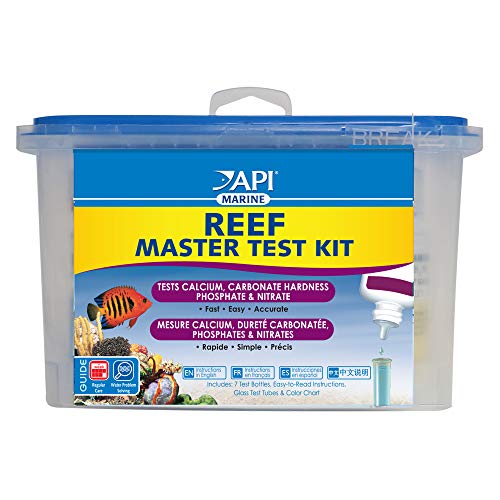
Measures calcium, alkalinity, and phosphate for stable water.

Precise alkalinity readings to prevent coral stress.
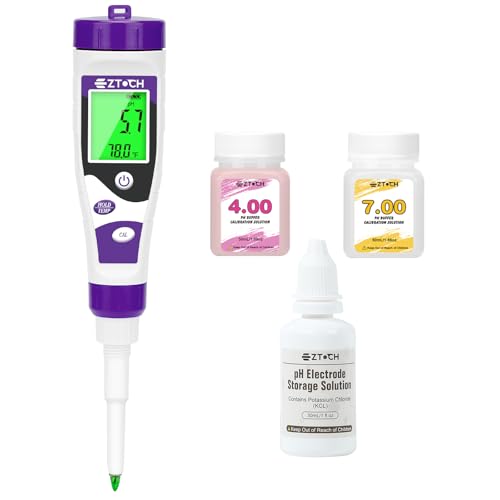
Instant pH checks for optimal coral health.
See today's best deals onAquarium Water Test Kits