Keeping Dory means a 20‑year commitment, not a Disney moment.
Start with a 75‑gallon tank minimum—six feet of swimming space, or she’ll pace like a caged cat.

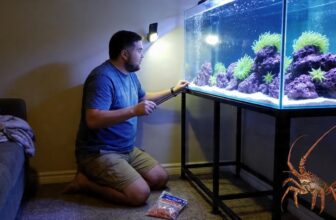
Generous swimming room for an active tang; a large glass tank helps keep water stable.

Sturdy support for a heavy 75-gallon tank; prevents wobble and floor stress.

Keeps your tang from jumping while allowing plenty of light for coral health.
Check discounted items inAquarium Supplies
Water needs stable 78°F, pH 8.1–8.4, and salinity 1.020‑1.025; auto‑calibrating meters keep you honest.
Quarantine 30 days in a bare‑bottom 20‑gallon to avoid ich outbreaks.
Feed nori sheets daily plus frozen mysis twice weekly.
Skip triggers and puffers.
Wild‑caught blue tangs aren’t beginner fish—if you’re ready for that, the rest gets simpler.
At A Glance
- Minimum 75‑gallon tank for one blue tang; 250 gallons for a school.
- Maintain stable water temperature 75–82°F, pH 8.1–8.4, salinity 1.020–1.025.
- Quarantine new fish for 30 days in a bare‑bottom tank to prevent disease.
- Feed nori sheets, algae pellets, and frozen mysis or brine shrimp twice weekly.
- Avoid beginners; blue tangs require advanced aquarium knowledge and expert care.
Tank Size Matters: Minimums for a Single Blue Tang vs. a School
If you’re considering a blue tang, don’t even think about anything smaller than a 75‑gallon tank for a single fish—that’s the absolute minimum, not a suggestion. A school needs 250 gallons, minimum. Trust me, I’ve been there, watching a fish pace like it’s waiting for a bus that’ll never come—it’s sad, not cool.
- For one tang: 75 gallons gives them room to zoom.
- For a group: 250 gallons keeps the peace, preventing fin‑niping drama.
Go bigger if you can; they’re active swimmers. Your blue tang will thank you by not sulking in a corner. Bottom line: don’t skimp on space—it’s the first step to being a tang‑whisperer.
Larger tanks also require less frequent water changes, reducing stress for active swimmers. To keep your tang from jumping, consider an aquarium cover net that allows high light transmission for healthy coral growth.
Water Parameters That Keep Your Blue Tang Thriving
So you’ve got the tank size sorted—good, that’s half the battle.
Now let’s dial in the water, since a sick tang is a sad tang. You want stability, not guesswork. Here’s your cheat sheet:
Now let’s dial in the water, since a sick tang is a sad tang.
- Temperature: Keep it 75–82°F—steady is key. A cheap heater with a thermostat works.
- pH: Aim for 8.1–8.4. Test weekly; your tang doesn’t tolerate swings well. For reliable readings, consider a meter with auto-calibration to reduce manual steps. For reef tanks, Seachem Liquid Marine Buffer offers fast-acting liquid dosing to maintain a stable pH of 8.3.
- Salinity: Specific gravity at 1.020–1.025. Use a refractometer, not an instant-read guess.
- Alkalinity: 8–12 dKH. Buffers help, but don’t chase numbers daily.
Nail these, and your blue tang will feel like it’s still on the reef—just with better room service.
How to Cycle a Reef Tank Before Adding a Blue Tang
Before you toss a blue tang into your tank, you need to cycle it first—think of it as breaking in a new pair of boots, but with bacteria.
You’re building a biofilter, a colony of good bugs that eat fish waste. Add a pinch of fish food or pure ammonia to kickstart the process, then wait.
Test the water daily; you’ll see ammonia spike, then drop, followed by nitrites and finally nitrates. That’s your cycle complete. Use API GHKH Lab-Accurate Certified strips for quick 30-second test results to monitor the cycle progress accurately.
Don’t rush—it takes four to six weeks. Skipping this step crashes your tank, and a dead tang isn’t cool. Cycle right, and you’re part of the club.
You can verify the salinity of your saltwater mix using a refractometer calibrated for seawater, ensuring proper osmotic balance during the cycle.
What to Feed a Blue Tang for a Balanced Diet
Once your tank is cycled and stable, it’s time to talk chow. Your blue tang needs a diet that’s part salad bar, part protein shake. These greedy‑guts graze all day, so you’ll feed them multiple times. Here’s the balanced menu:
Once your tank is stable, it’s mealtime. Your blue tang needs a diet that’s part salad bar, part protein shake.
- Nori (dried seaweed) – their main course. Clip a sheet to the glass; they’ll nibble nonstop. Cost: about $5 per pack.
- Algae‑based pellets – sinking, high‑fiber. Soak them first to avoid bloat. Brands like Hikari work great.
- Frozen mysis or brine shrimp – a protein treat, twice weekly. Thaw in tank water first.
- Spirulina flakes – boost color and immune system. Sprinkle sparingly to avoid fouling water.
For a pellet option, consider Tetra PRO PlecoWafers for their concentrated algae core and high fiber content. Stick to this, and your Dory stays plump, not panicked. To support water quality during heavy feeding, use a nitrate removal media like Seachem de*nitrate to keep levels stable.
Why Quarantine for 30 Days Prevents Tank-Wide Disease
Since a single sick tang can crash your entire tank in days, that 30‑day quarantine isn’t optional—it’s your main defense against disaster.
You’re not just protecting one fish; you’re safeguarding your whole underwater community.
Wild tangs often carry invisible parasites, like ich or velvet, that explode in a display tank.
Your quarantine tank—a simple, bare setup with a sponge filter—catches those problems before they spread.
- Costs peanuts: a 10-gallon tank, heater, and light run under $50.
- Thirty days lets you spot symptoms without pressure.
- You medicate safely, sparing your main system.
Monitor for early signs like receding fin edges or cloudy edging to catch rot during that month.
Skip this, and you’re gambling.
Do it, and you’re the smart keeper everyone copies.
Using a coarse sponge as a pre-filter on your quarantine tank’s inlet can capture large debris and uneaten food before it clogs your biological media.
Best Tank Mates for a Regal Blue Tang
You’ve got your blue tang’s tank cycled and stable, so now it’s time for the fun part—picking neighbors who won’t start a turf war. These guys are semi‑aggressive, so choose tank mates that match their chill vibe. To keep your tang comfortable, ensure the stand supporting a 55‑gallon aquarium has a 1,200 lb capacity for safety.
- Clownfish – Hardy, peaceful, and they’ll ignore your tang. Perfect for a 75‑gallon setup.
- Firefish Goby – Shy but speedy; needs rockwork hideouts. Won’t compete for algae.
- Royal Gramma – Colorful and mellow, fitting tang’s “don’t bother me” energy. Provide stacked caves and vertical crevices in the rockwork to give the royal gramma secure territories.
- Banggai Cardinalfish – Slow‑moving, stays mid‑water; tangs accept them easily.
Avoid triggers or puffers—they’ll bully your Dory. Stick to these pals, and you’ll have a peaceful reef gang.
Common Blue Tang Diseases and How to Treat Them at Home
Why do blue tangs seem to get sick the moment you look away? It’s not your fault—they’re just drama queens.
Ich (white spots like salt grains) hits fast. Raise your tank’s temp to 82°F for two weeks, and add a copper-based treatment—costs about $15.
Marine velvet looks like dust, kills quicker. Pair a copper bath with freshwater dips for 5 minutes.
HLLE (head and lateral line erosion) screams poor diet; load up on nori and vitamin supplements. Ensuring the tank has an adequate flow rate of at least 80 GPH will help oxygenate the water and reduce stress.
You’ve got this. Stick to quarantine, stable water, and a feeding routine. Your tang will thank you—no side-eye required.
Like dropsy in freshwater fish, this bacterial infection can cause severe fluid buildup and organ failure if stress isn’t managed quickly.
Avoiding Spines: How to Handle a Blue Tang Safely
You handled the disease gauntlet, but now comes the real needle-drop moment: actually scooping out a blue tang without turning your hand into a pincushion. Those caudal spines aren’t just sharp—they’re venomous. You’re part of the club that knows better.
- Use two fine-mesh nets—one to guide, one to catch. Never corner the fish; you’ll trigger a defensive tail whip.
- Wear thick, wet latex gloves ($10-15). They won’t stop a direct strike, but they’ll dull glancing blows.
- Minimize air exposure—keep the fish submerged during transfer. A stress-flaring tang is a spiny tang.
- Stick to a clear, bucket-sized container for transport. No plastic bags, no hand-grabbing.
Bottom line: Respect the spines, and Dory stays peaceful. Low flow and dim lighting can also help reduce stress and encourage calmer behavior during handling. Using a strong magnetic pull cleaner can help maintain pristine glass without disturbing your tang’s environment.
Juvenile vs. Adult Coloration: What to Expect as They Grow
How does a bright yellow fish turn into a deep blue one? You’re watching juvenile blue tangs transform—it’s wild.
Those tiny, electric‑yellow babies scatter their iridophores, those light‑reflecting cells, over time. By six months, deep blue patches emerge, spreading until the iconic adult pattern forms, complete with that distinctive black palette marking.
You’ll see the tail stay yellow, though—a cheeky reminder of their youth.
Don’t panic if your juvenile looks like a completely different fish. That’s normal, and honestly, it’s part of the fun.
You’re getting two fish for the price of one—talk about a color shift you didn’t ask for. Just enjoy the show.
For your setup, consider silk leaf plants for a fin‑friendly environment with soft edges.
When building stable caves or hiding spots for your tang, you can use an aquarium-safe epoxy putty that sets in about 15‑min working time to secure rockwork.
Minimum Swimming Corridor Length for a Thriving School
For a school of blue tangs to actually thrive rather than just survive, your tank needs a swimming corridor—an unobstructed swim path—that’s at least 6 feet (1.8 meters) long. They’re built for speed, not stillness, so they’ll use every inch.
For a school of blue tangs to thrive, your tank needs an unobstructed swim path at least six feet long.
Here’s what that buys you:
- Reduces stress – Crowded tangs bicker; open paths keep the peace.
- Mimics their reef – Wild ones patrol long stretches, not corners.
- Boosts immune health – Active fish fight ich better than sluggish ones.
- Prevents stunted growth – Squeezed tangs stay small; yours can hit 12 inches.
Selecting a stand with a 660 lb load capacity ensures safety when adding heavy substrate and decor to a large tank. A strong filtration system is also critical to manage the heavy bioload tangs produce.
Bottom line: skimp on length, and you’re just housing them—not keeping them.
Why Your Blue Tang’s Algae-Eating Habit Keeps Coral Alive
Since blue tangs are fundamentally the cleanup crew coral reefs never needed to know they needed, their appetite for algae does more than fill a belly—it saves coral from slow suffocation.
Think of your tang as a tiny, blue lawnmower. Without it, hair algae smothers coral polyps. That’s a death sentence for your reef.
| Algae Grazer | What It Prevents | Coral Benefit |
|---|---|---|
| Blue tang | Overgrowth on polyps | Clear breathing room |
| Snails | Surface slime | Cleaner rock scape |
| Tang combo | Green film on base | Brighter growth |
Your tank’s a community. You’re the mayor. Your tang’s the maintenance crew. Keep it happy, and your coral stays alive—simple as that. For optimal health, maintain a stable temperature between 79‑84 °F to support digestion and color vibrancy. Weekly water testing helps prevent harmful swings that stress your tang and its coral counterparts.
The 30-Day Quarantine for Blue Tangs Prevents Disaster
You’ve finally got your dream blue tang in a bag, floating in the tank. Don’t release it yet—skip quarantine, and you’re inviting disaster.
Wild-caught fish often carry parasites like ich or velvet, which nuke a tank in days. Instead, set up a separate, bare-bottom 20‑gallon for 30 days. Watch, wait, and medicate if needed. For this purpose, a clear acrylic isolation box with suction cups provides a stable, temporary home inside your main tank.
You’ll join the smart crew who protects their $75‑ish investment and their whole reef.
- Prevents ich outbreaks—a single parasite can cost you a full-cleanup headache.
- Gives your tang time to adjust and start eating nori without competition.
- Lets you spot sickness early, saving your entire fish family from disaster.
- Builds confidence; you’ll feel like a pro, not a panic‑stricken newbie.
During quarantine, use a biological treatment like Microbe‑Lift Nite‑Out II to rapidly establish nitrifying bacteria and safely manage ammonia spikes.
Long-Term Care: 20-Year Companion for Blue Tang Owners
Commit to a blue tang, and you’re signing up for a two‑decade road trip with a fish that’s smarter than it looks.
You’ll need a 75‑gallon tank minimum—think 150 for a small gang. Stable water’s non‑negotiable; test weekly—pH 8.1–8.4, temp 75–82°F.
Feed nori daily, toss in mysis twice a week for protein. They’ll graze live rock like little scapers.
Your tang will recognize you, maybe even beg for snacks. That’s the payoff: a 20‑year buddy who makes the work feel like a shared adventure.
You’re not just keeping a fish; you’re joining an inside joke.
Use liquid reagent master kits for the most detailed quantitative readings on ammonia, nitrite, and nitrate during your weekly checks.Why Wild-Caught Blue Tangs Demand Experienced Aquarists
Why can’t you just buy a blue tang at the pet store and call it a day? Since these wild‑caught fish, never bred in captivity, demand a seasoned hand. They arrive stressed, often carrying parasites or hidden diseases. If you’re not on your game, you’ll lose them fast.
- Quarantine for 30 days – Skip this, and ich or velvet can wipe your tank. No shortcuts here.
- Handle venomous spines – Dorsal and anal spines sting; you’ll need a net and calm hands.
- Shoaling stress – Alone in a 75‑gallon, they’ll pace; a 250‑gallon group is safer.
- Diet finesse – They’re picky; nori and spirulina keep them grazing, not starving.
Bottom line: you’re not a beginner for this fish. But you can be the one who gets it right.
Frequently Asked Questions
Can Blue Tangs Change Color in Response to Stress?
Yes, blue tangs can change color when stressed.
You’ll see them pale, losing that brilliant blue, or darken as a distress signal.
It’s their version of waving a white flag.
Poor water quality, aggression from tankmates, or cramped spaces trigger it.
A happy tang is a bold blue tang—keep your parameters stable and give them room to hide.
If they’re washed out, check your water first.
Their color’s your honest gauge.
How Do You Train a Blue Tang to Eat Prepared Foods?
You train a blue tang to eat prepared foods by pairing nori (dried seaweed) with their live food.
Start with a nori strip clipped to the glass—they’ll recognize it as algae.
Over a few days, mix in a small bit of brine or mysis shrimp.
They’re stubborn but curious.
Keep at it, and you’ll win them over.
You’re not forcing them; you’re inviting them into a routine they’ll eventually crave.
It’s patience with a payoff.
Is It Safe to Keep Blue Tangs With Anemones or Corals?
Yes, it’s safe, with a big caveat. You’re fine keeping blue tangs with most corals—they’re primarily herbivores, so they won’t snack on your prized zoas or acans. In fact, they’ll help by grazing algae off live rock.
The real risk? Their venomous tail spines. You don’t want one thrashing into a delicate anemone during a panic.
What Is the Best Way to Acclimate a Wild-Caught Blue Tang?
You’ll use a slow, drip-acclimation method for at least two hours, matching your tank’s salinity and pH precisely. This reduces shock from the ocean’s shift to your aquarium.
Wild tangs carry stress and parasites, so quarantine them for 30 days in a separate setup. Don’t rush it—patience prevents disaster.
Bottom line: take your time, monitor closely, and you’ll give that Dory a fighting chance to thrive in your reef.
Do Blue Tangs Require Special Lighting in a Reef Tank?
No, blue tangs don’t need special lighting—your reef’s coral lights are fine. They’re not picky about spectrums or intensity, since they graze on algae, not photosynthesize.
Stick with standard LEDs or T5s, aiming for 8-10 hours daily.
- *Don’t* overcomplicate it; just give steady, moderate light (like a $100-200 fixture).
- *Do* prioritize water flow over fancy bulbs.
Bottom line: Skip the high-end light; spend that cash on a bigger tank instead.
Rounding Up
So, should you get a blue tang? Honestly, probably not. They’re gorgeous, certainly, but you’re signing up for a 20‑year, 75‑gallon commitment with a fish that costs $50–$150 wild‑caught and needs a 30‑day quarantine.
Think of Dory like a high‑maintenance roommate—one with venomous spines. You’ll spend $500+ on a proper setup, plus $20/month on nori. Skip the impulse buy. Stick with clownfish until you’ve got the space, patience, and budget. Bottom line: respect the fish, or don’t get the fish.

Keeps water clear and oxygenated, ideal for a 75-gallon blue tang tank.

Reduces nitrates steadily during heavy feedings, protecting your tang from stress.

Gentle biological filtration for quarantine setups; keeps new tangs safe.
See today's best deals onAquarium Filters