Your fish’s swollen belly signals dropsy—fluid buildup from failing kidneys and immune systems, not a disease itself.
You’ll notice scales lifting like a pinecone as it worsens.

Antibiotic that fights internal bacterial infections causing dropsy symptoms.

Broad-spectrum antibacterial and antiparasitic formula for sick fish.

Draws out fluid and restores electrolyte balance during salt-bath treatment.
Check discounted items inAquarium Treatments
Causes include Aeromonas bacteria, ammonia spikes, and stress from poor filtration or temperature swings.
Treatment means quarantining immediately, adding one teaspoon aquarium salt per gallon, and using antibiotics like Kanaplex.
Feed high-protein foods twice daily.
Recovery takes two to four weeks with clean water and patience.
There’s more ahead to help you spot trouble early and keep your tank healthy.
At A Glance
- Dropsy indicates fluid buildup caused by bacterial infection, not a standalone disease.
- Early symptoms include swollen belly, lethargy, and hiding; advanced cases show pinecone scales.
- Quarantine affected fish immediately and begin salt baths to reduce swelling via osmosis.
- Treat with antibiotics like Kanaplex or MetroPlex alongside high-protein, garlic-soaked foods.
- Recovery takes 2-4 weeks with strict water changes, parameter monitoring, and dosage compliance.
What Is Dropsy in Fish?
When you look at your fish and notice its belly swelling like a tiny water balloon, you’re seeing dropsy, which isn’t a disease but a sign that something inside your pet’s body has gone wrong.
Think of dropsy like a sponge soaking up too much water—the fish’s tissues fill with fluid they can’t release.
A sponge that can’t stop soaking—your fish’s tissues drowning from within.
Your fish’s body has stopped balancing liquids properly, much like a dam with broken gates. This failure often traces back to bacterial infection, particularly Aeromonas, which sneaks in when your fish feels stressed or tired.
You won’t cure dropsy with immune therapy alone. Instead, you’ll practice management medical care—quarantining your sick fish, adding one teaspoon of salt per gallon, and keeping water pristine. Dropsy demands patience, like nursing a friend back to health after a long fever.
Maintaining low‑flow filtration helps prevent the stress that can trigger such bacterial infections in bettas.
Dropsy Isn’t a Disease: Here’s What It Actually Is
Since dropsy looks so dramatic on your fish, you might think you’ve spotted a specific sickness with a clear cure.
But dropsy isn’t a disease. It’s a symptom, like a fever in you, showing something deeper has gone wrong inside your fish’s body. The swollen belly you see is fluid trapped in tissues, often from failing organs. Many hobbyists fall for aquarium myths here, treating dropsy itself instead of the root cause. You might additionally hear immunity myths claiming strong fish never get sick. In truth, dropsy strikes when bacteria exploit stress-weakened immunity. You’re witnessing a warning sign, not the whole story. When treating underlying bacterial infections that cause dropsy symptoms, broad‑spectrum antibacterial treatments like Seachem MetroPlex or Kanaplex combined with Focus binder for medicated food delivery can target the internal pathogens while protecting invertebrates in the tank.
Spot Dropsy Early: Swelling, Color Loss, and Lethargy
Even though dropsy can sneak up quietly, your fish usually shows small warnings before the swelling becomes obvious, much like how you might feel sluggish before realizing you’re coming down with something.
You’ll notice your fish’s belly growing round, like a tiny balloon filling with water.
Early detection saves lives.
Watch for color fading, where bright scales turn dull or gray, like a photograph left in the sun.
Practice color monitoring daily, comparing your fish against memory or photos from last month.
Your fish may hide, rest on the bottom, or swim less—signs something hurts inside.
Check gills too; pale tissue means trouble.
You can act before the worst happens.
Maintaining optimal water flow through proper filtration and gentle circulation helps reduce stress that can worsen dropsy symptoms.
Pinecone Scales: Recognizing Advanced Dropsy
Recognizing Advanced Dropsy
How can you tell when dropsy’s gone past the point of early warning? You lift your fish from the water, and its scales stand out like tiny pinecones pushed outward from the skin.
This happens since advanced fluid pathology has filled the tissue beneath each scale, forcing them to lift and separate in a pattern you can’t miss.
Some fish carry scalecone scale genetics that make them more prone to this pinecone look. The swelling has moved deep into the body now.
You feel a quiet worry, seeing this clear sign that time matters.
Bacteria, Bad Water, and Stress: What Really Causes Dropsy
A dropsy fish sits quietly at the bottom of your tank, its swollen belly pressing against the glass like a balloon filling with water you can’t see.
You might wonder what’s happening inside that body.
Dropsy isn’t caused by one bad thing, but by a chain reaction starting with stress, like a domino falling in slow motion.
Your fish carries Aeromonas bacteria in its gut microbiome all the time, harmless until weakness opens the door.
Aeromonas bacteria live harmlessly in your fish until stress unlocks their potential for destruction.
Bad water—ammonia spikes, missed tank cycling, temperature swings—wears down immunity.
The bacteria multiply, organs leak fluid, and swelling begins.
Clean water prevents this collapse.
Maintaining biological filtration with live beneficial bacteria products can help establish stable water parameters that suppress harmful bacterial blooms before they overwhelm your fish’s immune system.
Which Fish Get Dropsy Most Often?
Scales tell stories you haven’t learned to read yet.
You will notice dropsy appears most often in certain genal species, those with compressed bodies and delicate immune systems. Goldfish, bettas, and gouramis suffer frequently, their swim bladders and organs pressed tight beneath thin walls of flesh.
In freshwater diversity, crowded community tanks breed stress. You add too many fish, the filter strains, ammonia rises, and someone’s scales begin to lift like pinecones in late winter.
Watch the round-bodied ones closest. They can’t hide swelling behind streamlines. Their bodies speak first when conditions turn sour.
Goldfish are particularly vulnerable because their heavy bioload demands strong filtration to prevent the ammonia spikes that stress immune systems and trigger disease.
Quarantine Dropsy Patients Immediately
When you spot that pinecone lifting along your fish’s side, your heart sinks a little, and that’s natural, but you must move fast.
Rapid isolation protects every other fish in your tank.
You grab a small glass tank, maybe five gallons, and you fill it with water from the main aquarium. This is your quarantine setup, a simple hospital room with no gravel, no ornaments, just clean water and gentle filtration.
Scoop your sick fish carefully with a soft net.
Place them gently into the new water.
You feel worried, but you have acted wisely.
Consider using a clear acrylic isolation box that allows you to observe your dropsy patient without disturbing their recovery, as transparent walls reduce stress while monitoring for improvement.
Add Salt: Exact Dosage to Draw Out Fluid
Your fish sits alone in the clean, quiet tank, and now you’re ready for the next step. You measure salt dosage carefully to begin fluid reduction. Mix one teaspoon of aquarium salt per gallon of water in a separate container first.
Your fish waits in clean, quiet water—measure salt carefully, mix in a separate container first, then begin.
- Dissolve salt completely before adding to the tank
- Raise concentration gradually over 48 hours
- Maintain this level for 10 to 14 days consistently
- Monitor your fish’s swelling daily for visible improvement
For severely swollen fish, consider transferring to a quarantine box such as the DaToo Dual-Layer Breeding Box or Fluval Multi-Chamber Box to maintain precise salt levels without affecting other tank inhabitants.
The salt works like a gentle sponge, pulling excess liquid from swollen tissues through osmosis—think of it like wringing out a wet washcloth slowly. You create balance.
Use Mild Antibiotics Like Melafix for Persistent Dropsy
The salt bath sits quietly in your memory, a small victory perhaps, but the swelling still clings to your fish like a stubborn fog.
You reach for Melafix, a mild antibiotic made from tea tree oil. It fights the Aeromonas bacteria behind the dropsy without harsh chemicals.
Measure one teaspoon per ten gallons of your DIY aquarium water. Dose daily for seven days. The medicine works slowly, so patience matters.
After treatment ends, you add probiotic dosing to rebuild good bacteria in the filter. This restores balance, keeping the water safe and your fish protected.
During recovery, consider switching to slow-sinking granules that reduce waste and maintain water clarity, supporting your fish’s weakened immune system with cleaner conditions.
Feed High-Protein Foods to Rebuild Strength
A pinch of flake food sinks past your recovering fish, and you notice something troubling—they watch it drift by like a stranger.
Dropsy drains their body’s strength, like air leaving a balloon slowly. You need to refill that strength, carefully.
A high‑protein diet works like building blocks, repairing tissues the disease damaged. Offer foods richer than flakes: frozen bloodworms, brine shrimp, or quality pellets with 40% protein.
Immune‑boosting supplements, like crushed garlic or vitamin‑soaked foods, help their defenses rebuild.
You’ll feed small amounts twice daily, watching them nibble at first. Patience matters here.
- Offer frozen bloodworms or brine shrimp for concentrated protein benefits
- Soak foods in garlic to create simple immune‑boosting supplements they’ll accept
- Feed tiny portions twice daily, removing uneaten bits within two minutes
- Watch their response closely, noting energy returning like a dimmer switch brightening
For fish housed in compact 5‑gallon tanks, a stable environment with adjustable flow filtration supports recovery by reducing stress from strong currents while maintaining water quality.
How Long Until Your Fish Recovers? (Realistic Timelines)
Since you watch your fish’s swollen belly each morning, you’ve probably started wondering when this vigil will end.
Most recovery takes two to four weeks, sometimes longer.
You’ll track improvement by watching scales flatten, not by calendar pages alone.
Follow your antibiotic’s dosage timeline exactly—skipping days lets bacteria regrow stronger.
Water changes happen every other day, one-quarter of the tank, keeping conditions stable like a quiet room helps you heal.
You’ll know it’s working when your fish swims toward you again, belly softer, eyes brighter.
Patience matters here more than speed.
During recovery, twice‑weekly water testing with an accurate test kit helps you catch any ammonia or nitrite spikes before they stress your healing fish further.
Prevent Dropsy: Keep Ammonia, Nitrite, and pH Stable
Prevent Dropsy by Keeping Ammonia, Nitrite, and pH Stable
Before the sun hits your tank, you’re already testing the water, since stable ammonia, nitrite, and pH form the invisible foundation that keeps dropsy from ever knocking on your door.
You feel calm when numbers stay steady, as spikes hurt fish silently.
- Test ammonia weekly, keeping it at 0 ppm always
- Run robust water filtration, changing media monthly
- Lock pH balance between 6.5 and 7.5 for most species
- Zero nitrite means healthy bacteria colonies thrive
You’re building a fortress, drop by drop, where fish swim strong.
Fix Overfeeding, Poor Filtration, and Temperature Swings First
Uneaten food flakes sink, rot, and poison your carefully balanced water.
Every uneaten flake becomes a toxin, eroding the fragile chemistry your fish depend on for survival.
A clogged filter can’t keep clean water moving through your tank.
Sudden temperature spikes stress your fish’s body and open the door to dropsy before you notice anything wrong.
Fix these three problems first to give your fish their best fighting chance against the swelling to come.
When Recovery Isn’t Possible: Humane Options for Dropsy
Ethical Euthanasia When Recovery Fails
Your fish floats near the surface, belly swollen like a tiny balloon, and you’ve tried every trick in the book.
Sometimes the kindest choice is letting go. Ethical euthanasia ends suffering when dropsy turns cruel, and you carry that weight with love, not failure.
Consider these options:
- Clove oil overdose: gentle sedation leading to painless passing
- Blunt force trauma: instant, requires steady hands and courage
- Freezing: slow, controversial, not recommended by veterinary standards
- Veterinary injection: safest, most peaceful, ask your local exotic vet
You know your fish. Trust that knowing.
Frequently Asked Questions
Can Humans Get Dropsy From Fish?
You can’t contract human infection from fish dropsy, as it’s caused by fish-specific bacteria. Waterborne transmission doesn’t pose a risk to you, but you should still practice good hygiene when handling aquarium water or sick fish.
Is Dropsy Contagious to Other Tankmates?
Dropsy isn’t directly contagious, but contagion pathways exist when shared water spreads Aeromonas bacteria. You’ll protect tankmates through strict quarantine protocols, isolating sick fish immediately and maintaining pristine, stable water conditions throughout your aquarium.
Can Dropsy Heal Without Medication?
Yes, dropsy can heal without medication through home care and natural recovery, but you’ll need diligent symptom management like water changes, salt baths, and stress reduction. Severe cases often require medication treatment for full recovery.
Is Epsom Salt Better Than Aquarium Salt?
Epsom salt isn’t inherently better—you’ll choose based on your goal. Use Aquarium salt for water hardness and general osmoregulation support, or Epsom salt at a precise Epsom dosage to reduce fluid retention through different osmoregulation mechanisms.
Should I Euthanize a Fish With Mild Dropsy?
No, you shouldn’t euthanize a fish with mild dropsy. You’ve got time to try treatment first. Consider euthanasia ethics only if the condition worsens in spite of your efforts, making humane decision-making clearer.
Rounding Up
Take these lessons to heart, and your tank will thrive. You have learned to watch for swollen bellies, pinecone scales, and listless swimming. You know dirty water and stress invite trouble, as steady temperatures and clean filters keep fish strong. When you spot trouble early, you act with purpose. When kindness demands a gentle end, you choose peace over prolonged suffering. Your fish depend on you, and now you are ready.

Measures key water parameters to catch the stresses behind dropsy.

Quick weekly dip-strip checks for nitrate, nitrite, hardness, alkalinity, and pH.

Fast color-coded strips for regular water-quality checks without hassle.
Browse discountedAquarium Test Kitson Amazon


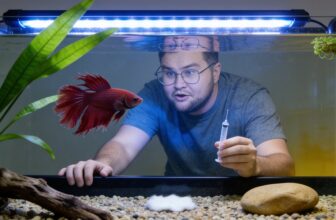
[…] dropsy in freshwater fish, this bacterial infection can cause severe fluid buildup and organ failure if stress isn’t managed […]