You’ve spotted something new in your reef, and it’s probably not a free gift.
Aiptasia, that bulbous‑tipped pest, hitchhikes on live rock and spreads fast without predators.
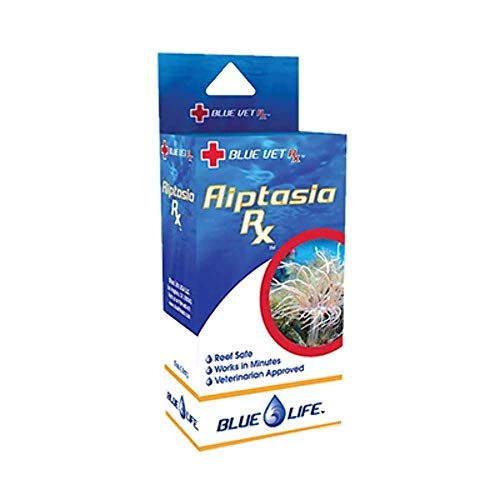
Injects directly into aiptasia to kill it fast; safe for reef tanks.
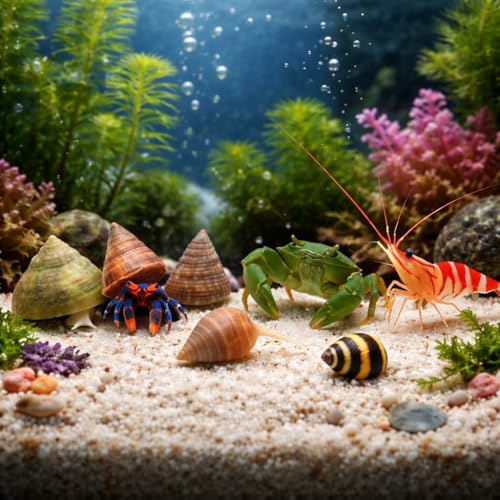
Naturally hunts aiptasia in rock crevices; ongoing biological pest control.
Check discounted items inAquarium Pest Control
Drop $15 on Aiptasia X for direct injection, or add a $20 filefish for natural cleanup over two weeks.
Asterina starfish?
Mostly harmless, but harlequin shrimp ($30‑$50) eat them exclusively—plan on feeding one to two starfish daily.
Copepods and isopods are your friends, not foes; they clean detritus and feed mandarin fish.
Keep scrolling for the full rogue’s gallery.
At A Glance
- Identify Aiptasia by tapered tentacles with bulbous tips and rapid retraction when startled.
- Remove Aiptasia via direct injection of Aiptasia X or introducing filefish or peppermint shrimp.
- Harlequin shrimp exclusively eat Asterina starfish, requiring 1–2 starfish daily and 20-gallon tanks.
- Bristle worms aid cleanup; fire worms sting and require glove-protected removal with tweezers.
- Maintain 7–12 dKH alkalinity and adequate flow to reduce spirorbid worm numbers.
Why Hitchhikers Like Aiptasia Appear in Your Reef Tank
Why do pests like Aiptasia show up in your tank in the first place?
They hitch a ride on live rock or coral frags you add, hiding in crevices where you can’t see them.
I learned this the hard way when a “clean” zoanthid colony turned into a hotspot—oops.
Your tank’s stable environment gives them a perfect home, and without a predator, they’ll spread fast.
Don’t worry, you’re not alone in this. All reefers deal with it.
That’s why inspecting new additions under bright light matters.
Aiptasia gets in since you bring it in. Simple as that.
Using clear mesh netting can help you spot and block these pests during tank maintenance.
How to Identify Aiptasia: The Zoanthid Mimic
You’d think a tiny anemone trying to pass itself off as a zoanthid would be obvious, but Aiptasia is a master of disguise.
You spot it among your live rock, mimicking your zoanthid colony’s look.
But here’s the giveaway: it retracts completely when startled, unlike a zoanthid’s slow close.
Its tapered tentacles end in bulbous tips, often with a faint stripe pattern.
Aiptasia’s stalk is smooth, not textured like a polyp’s mat.
Check at night—it stretches longer, betraying its true form.
You’re in the reefing club now; spotting this imposter makes you one of us.
For a clean start, ensure all new additions come from a sterile tissue culture that is guaranteed pest- and algae-free.
Best Ways to Remove Aiptasia, From Lemon Juice to Filefish
After that limp lemon juice attempt, you’ll want something that actually works. Peppermint shrimp are alright—hit or miss. Aiptasia X, a chemical paste, costs about $15 and delivers exact satisfaction, but nothing beats a filefish. Mateo, my finny tankmate, cleared my infestation in two weeks flat, free of charge and fanfare. For a complete system, pair the filefish with Ultum 4‑inch silencers to reduce overflow noise while the tank stays clean.
- Aiptasia X: $15, direct injection, works fast.
- Filefish: $20–$40, natural predator, full cleanup.
- Copperband butterflyfish: sleek, but finicky, $40.
- Peppermint shrimp: cheap, $8, but unreliable.
Bottom line: skip the squeeze and get a filefish. Problem solved, tank clean, you’re back in the club.
Asterina Starfish: Harmless Cleaner or Overpopulating Threat?
Alright, aiptasia is filefish food, but now you’ve got another hitchhiker situation: starfish that look like someone dropped a bunch of tiny, five-fingered pizza slices on your rock.
You’re not certain if they’re friends or foes. Honestly, they’re mostly harmless cleaners, munching on algae and detritus.
But here’s the catch—they can reproduce fast. One becomes four, then you’re starring in your own starfish sequel.
They’ve rarely hurt corals, but overpopulation stresses you out.
Your call: let them be or remove them by hand.
Bottom line: they’re low-risk, but don’t let them throw a party.
Using a predictable light rhythm can help manage their activity cycles.
Control Asterina With Harlequin Shrimp (And Their Feeding Needs)
Feeling overwhelmed by a budding asterina starfish population? Harlequin shrimp are your answer — they’re voracious, asterina‑specific predators. But they’re picky eaters, so you’ll need a steady supply.
| Requirement | Detail | Why It Matters |
|---|---|---|
| Diet | Only asterina starfish | They starve without them. |
| Feeding rate | 1‑2 starfish per day | Plan your asterina harvest. |
| Tank size | 20+ gallons | They need space to hunt. |
| Compatibility | Peaceful only | Won’t bother other tank mates. |
| Cost | $30‑$50 each | Invest once, enjoy long‑term. |
Buy one only if you’ve got enough asterinas. Otherwise, you’ll feel guilty watching it go hungry. Bottom line: they’re perfect for your pest problem, but not for impulse buys. Ensure your harlequin shrimp has ample caves to reduce stress and feel secure in its territory.
Bristle Worms vs. Fire Worms: Spot the Difference Fast
Don’t let the wormy creep factor fool you—bristle worms and fire worms look similar but act totally different. Spot them fast by checking color.
Common bristle worms are pink, grey, or light-brown, sliding along your rockwork at night, munching leftovers harmlessly.
Fire worms, though? They’re bright red with bristles that pack a burning sting if touched—not lethal, just painful. You’ll know a fire worm when you see that fiery hue.
Both are detritivores, basically tank janitors, but you don’t want that sting surprise. So, tank buddy, don’t freak—just glance at the color.
Bottom line: pink equals safe, red means keep your hands off.
For precise water monitoring to catch these pests early, consider using an ORP monitor to track your reef tank’s oxidation levels.
Why Common Bristle Worms Are Actually Good for Your Tank
Since we just showed you how to spot the difference between a harmless bristle worm and a stingy fire worm, let’s talk about why you actually want the common kind crawling around your reef. They’re your unsung janitors, gobbling uneaten food and general gunk before it rots. To compliment their work, a properly tuned biopellet reactor can further polish water quality by driving down nitrate and phosphate levels through controlled bacterial activity.
| Job | How They Help | Why You’ll Thank Them |
|---|---|---|
| Detritus Cleanup | Eat leftover pellets, dead matter. | Fewer nutrient spikes; less manual gravel-siphoning. |
| Substrate Turning | Burrow through sand, aerating it. | Prevents nasty hydrogen sulfide pockets. |
| Live Rock Cleaning | Squeeze into crevices, polishing them. | Corals have cleaner surfaces, growing better. |
| Waste Cycle Helper | Break waste into compost. | Bacterias’ job gets easier; tank stays stable. |
| Population Check | Self-regulate if you don’t overfeed. | No crackdown needed—they manage themselves. |
Bottom line? They’re the free, effective cleanup crew you’d buy if they had a price tag. Let them be.
How to Manage Bristle Worm Populations Safely
Even if you’ve accepted bristle worms as tank janitors, you might still want to keep them in check—especially if you’re seeing more than a few dozen wriggling out during feeding time.
You’re one of us, after all; we keep things balanced.
To thin the herd safely, try a dedicated bristle worm trap ($10-20 on Amazon, baited with shrimp). Pull them out every few days, and you’ll see fewer.
To thin the herd safely, try a dedicated bristle worm trap baited with shrimp.
Don’t poke at rock crevices with tools—that can stress corals and break worms into more individuals.
Bottom line: trap, don’t stab. Your tank stays cleaner, and you keep your membership in the balanced-reef club. For persistent cloudiness after worm removal, consider using a water clarifier to clear suspended particles and keep your reef display pristine.
Fire Worms: Bright Red and Bothersome, but Not Deadly
You’ve got bristle worms under control, so now let’s talk about their flashier cousin—the fire worm. These bright-red critters look scary, but they’re not deadly. Their bristles sting, indeed—like touching a hot match—but they won’t kill your tank. Still, you’ll want to manage them:
- Spot them easily: vivid red, 1–3 inches long. They hide in rock crevices.
- Removal tools: long tweezers or a siphon, but wear gloves—those bristles burn.
- Control trick: feed less. Fire worms thrive on leftover food.
- For the best results, ensure your air pump delivers consistent bubble flow to maintain stable oxygenation while you adjust feeding habits.
Don’t panic. They’re a nuisance, not a nightmare. You’ve got this.
Spirorbid Worms: Those Tiny White Dots You Can Ignore
What exactly are those tiny white dots covering your glass, overflow, and sump? They’re spirorbid worms, harmless filter feeders with feather-duster heads. You can ignore them—they won’t harm coral or fish. They just eat particles, like tiny vacuum cleaners for your water.
| Feature | What It Means | Why You Don’t Worry |
|---|---|---|
| Size | 1–2 mm white dots | Just cosmetic |
| Feeding | Extracts nutrients | Cleans water, free labor |
| Reproduction | Spreads slowly | Never overruns tank |
| Impact on coral | Zero contact | No stinging or damage |
| Removal | Scrape off easily | Completely optional |
How to Safely Remove Spirorbid Worms Without Hurting Coral
So you’ve got spirorbid worms plastered across your glass, and maybe they’re starting to bug you on aesthetic grounds alone. Don’t worry—they’re completely harmless, but you can scrape them off without hurting your coral if you take it slow.
Spirorbid worms plastered across your glass? Harmless, but scrape them off gently—your corals won’t notice.
- Use a razor blade or credit card—gently scrape them off the glass, avoiding contact with coral tissue or polyps.
- Spot-siphon immediately—suck up dislodged worms with a turkey baster or small hose; they’ll settle and regrow if you leave them.
- Check your flow and feeding—high nutrients and low flow let them thrive; reduce feeding slightly, and they’ll naturally thin out.
Using a calibration simplicity approach weekly helps maintain accurate monitoring of tank parameters.
Bottom line: you’re just tidying up, not fixing a problem. Scrape, siphon, move on—your corals won’t even notice.
Amphipods, Copepods, and Isopods: Which Pods Are Beneficial?
Since not all hitchhikers are villains, pods—tiny crustaceans like amphipods, copepods, and isopods—usually earn a spot on the welcome mat, though each type plays a slightly different role.
Amphipods? They’re like the tank’s cleanup crew that got big enough to nibble zoanthids if you’re not careful.
Isopods? Ant-sized, reef-safe, and fish love ’em.
All three munch detritus, keeping your water cleaner.
The trick? Give them predator‑free hiding spots, like rock crevices or rubble piles.
That way, they breed safely, and your tank stays a balanced little ecosystem.
You’re not just keeping fish; you’re hosting a micro‑neighborhood.
For bonding live rock and coral frags into these crevices, a reef‑safe cyanoacrylate gel provides permanent adhesion within seconds.
Copepods: Key Food for Mandarin Fish and Wrasses
If you’ve got a mandarin fish or a wrasse in your reef tank, copepods aren’t just a nice bonus—they’re basically the fish’s primary food source, and your tank’s future success depends on keeping them plentiful.
- Tiny but mighty: Copepods are crustaceans smaller than a grain of rice, yet they pack protein. Your mandarin hunts them all day, so you’ll need a refugium—a safe zone where pods breed without fish eating them.
- Constant grazers: A single mandarin can eat hundreds daily. Without a steady supply, it starves. That’s why you should seed your tank monthly or maintain a dedicated pod culture.
- Detritus cleanup crew: They munch on leftover food and algae, improving water quality. Think of them as free janitors that also feed your fish.
Bottom line: invest in pod production, or risk a hungry fish.
To support a thriving pod population, you can use live copepod mixes that include multiple species to ensure continuous breeding and varied nutrition for your fish.
Isopods: Ant-Sized Scavengers That Are Totally Reef-Safe
Copepods get all the glory, but isopods are the quiet, ant-sized scavengers that keep your reef tank running without drama.
Copepods get all the glory, but isopods are the quiet, ant-sized scavengers keeping your reef tank drama-free.
You’ll spot them scuttling in the shadows, a tiny cleanup crew that’s totally reef-safe. They munch leftover food and detritus, never touching your coral.
Any fish that hunts small crustaceans—like wrasses or mandarins—gobbles them up.
You don’t need to worry about them overrunning your tank; they’re a classic sign of a healthy ecosystem.
Think of them as the unsung roommates you actually want. They’re proof you’re doing something right.
For best coral growth, maintain 7‑12 dKH using a consistent buffer system alongside this healthy clean-up crew.
Frequently Asked Questions
Can Aiptasia Survive a Full Tank Fallow Period?
No, aiptasia won’t die during a full tank fallow period.
Those pests are resilient—they survive without fish hosts by photosynthesizing and absorbing nutrients from the water.
You’d need to nuke them directly.
For example, injecting lemon juice or using Aiptasia X works, but a hungry filefish is your best bet.
It cleared my infestation in two weeks flat.
Don’t rely on starvation; it’s a waste of time.
Do Asterina Starfish Eat Coralline Algae?
Nope, asterina starfish don’t eat coralline algae, though they’ll happily graze on film algae and detritus.
You might spot them crawling over your purple rocks, but they’re not the culprit if that coralline’s disappearing—blame snails or poor lighting instead.
They reproduce fast, yes, but they’re mostly harmless.
If you’re worried, a harlequin shrimp will clean them up, but only add one if you’ve got a steady asterina supply.
Bottom line: relax, they’re no threat.
Will Bristle Worms Harm Healthy Fish or Corals?
No, most bristle worms won’t harm healthy fish or corals—they’re just ugly cleanup crew.
Common pink/grey ones eat detritus, not your prized livestock.
The real troublemaker? The fire worm, with bright-red bristles that sting, but it’s not lethal.
You can tell them apart by color: red means risk.
Leave the harmless ones alone; they’re free maintenance workers.
Scrape out fire worms if you spot them.
Keep calm, they’re more gross than dangerous.
Can Spirorbid Worms Indicate Poor Water Quality?
Spirorbid worms don’t mean poor water quality; they’re actually a sign of a stable, mature tank.
These tiny white filter-feeders just grab nutrients from the water column—they’re harmless, feather-duster-like buddies, not pests.
Don’t stress over them; scraping them off is safe, but leaving them is fine.
Worry about water quality if you see nuisance algae or parameter swings, not these little guys.
Bottom line: spirorbids are tank helpers, not indicators of trouble.
How Do I Encourage Copepod Populations for Mandarin Fish?
You want more copepods for your mandarin? Stop being so clean. They need a refuge—a mesh box or dense rockwork where fish can’t reach.
Dump in a bottle of live copepods from AlgaeBarn **($25) monthly, and feed phytoplankton to sustain them. Turn off your skimmer** for a few hours after adding. Your mandarin will thank you, honestly, by not starving. It’s that simple. Skip the chemicals; let nature do its thing.
Rounding Up
So, you’ve met your tank’s uninvited guests. Don’t panic. Most hitchhikers—like those spiral‑shelled spirorbids or scurrying pods—are free cleanup crew, turning waste into fish food. But aiptasia stings coral, and asterina starfish can overrun a nano tank overnight. Spot them early. Use lemon juice on aiptasia, or a filefish (yes, they eat them, but might nip polyps). For asterina? A single harlequin shrimp (around $40) solves it, but you’ll need to keep feeding it starfish. Bottom line: know what you’re looking at, then act—or let it be. Your reef’s balance depends on it.

Catches bristle worms safely without harming corals or stressing your tank.

Tracks oxidation levels to catch water-quality issues before pests thrive.

Clears suspended particles after cleanup, keeping your reef display pristine.
Browse discountedAquarium Maintenanceon Amazon