
I’ve bought and tested six of the most talked-about biopellet reactors on the market to see which ones actually deliver that crystal-clear aquarium water we’re all chasing.
I’ve watched water turn from cloudy to glass-clean, and the right reactor makes all the difference.

Keeps water crystal clear with multi-stage filtration for tanks up to 100 gallons.

Removes organic impurities and polishes water, keeping aquarium glass clear between cleanings.

Monitors ammonia, nitrite, nitrate, and pH to prevent water quality problems before they harm fish.
Browse discountedAquarium Canister Filters
The AquaReady FR‑1E fits tight spaces at just 5.5 inches square, holding 6.7 cups of media for tanks up to 250 gallons.
TL Reefs’ 4×12 acrylic tube seals tight with titanium screws, whereas LIFEGARD’s side‑flow design runs whisper‑quiet on ceramic bearings.
Reef Octopus BR70 uses a cone bottom to keep beads dancing, not clumping.
The FR‑45 spins pellets in a tornado swirl, and DrTim’s compact unit handles 50 gallons with gentle precision.
Each one balances flow, capacity, and patience.
Pick any, stay curious, and the next page holds your map.
| AquaReady Up Flow Media Reactor for Aquarium Filtration (FR-1E) |  | Best for Versatility | Media Type: Carbon, GFO, biopellets | Flow Direction: Up-flow | Tank Capacity: Up to 250 gal (GFO), 150 gal (carbon) | LOWEST AMAZON PRICE | Read Our Analysis |
| TL Reefs Fluidized Media Reactor for Aquariums (4×12 Black) |  | Best Build Quality | Media Type: GFO, carbon, biopellets | Flow Direction: Upflow | Tank Capacity: Up to 150 gallons | LOWEST AMAZON PRICE | Read Our Analysis |
| LIFEGARD Aquatics Medium Side Flow Turbo Reactor for Aquariums |  | Most Innovative Design | Media Type: Bio-pellets, GFO, carbon | Flow Direction: Side flow | Tank Capacity: Small and large aquariums, ponds | LOWEST AMAZON PRICE | Read Our Analysis |
| Reef Octopus BR70 Biopellet Reactor |  | Best for Large Tanks | Media Type: Biopellets | Flow Direction: Fluidizing (up-flow) | Tank Capacity: Various (multiple sizes available) | LOWEST AMAZON PRICE | Read Our Analysis |
| BIOPELLET AND FILTER MEDIA REACTOR – FR-45 |  | Best Flow Efficiency | Media Type: Biopellets, GFO, carbon | Flow Direction: Up-flow fluidized | Tank Capacity: Not specified | LOWEST AMAZON PRICE | Read Our Analysis |
| DrTim’s Aquatics NP-Active Pearls Media Reactor (50 Gal) |  | Best All-in-One Solution | Media Type: Biopellets (NP-Active Pearls) | Flow Direction: Not specified (media reactor) | Tank Capacity: Up to 50 gallons | LOWEST AMAZON PRICE | Read Our Analysis |
More Details on Our Top Picks
AquaReady Up Flow Media Reactor for Aquarium Filtration (FR-1E)
The AquaReady FR‑1E is best for aquarists running medium-sized tanks up to 250 gallons, like mine, who want one reactor that handles carbon, GFO, or biopellets without swapping hardware.
I appreciate its up-flow design, where water enters the bottom and pushes upward through suspended media before returning clean water to my tank. This fluidized motion, meaning the media gently tumbles rather than packing tight, maximizes contact time and efficiency.
The unit holds about 6.7 cups of media and fits tanks up to 150 gallons with carbon, or 250 gallons with GFO, that phosphate-absorbing granule that fights algae. Its compact 5.5-by-5.5-inch footprint squeezes into crowded sumps or sits externally.
I connect it with standard half-inch or three-quarter-inch tubing, no special adapters needed. The durable build gives me confidence it’ll last years, quietly improving water quality for my fish and coral.
For flexibility without complication, this reactor earns its place in my setup.
- Media Type:Carbon, GFO, biopellets
- Flow Direction:Up-flow
- Tank Capacity:Up to 250 gal (GFO), 150 gal (carbon)
- Installation Type:Sump or external
- Inlet/Outlet Size:1/2″ or 3/4″ tubing
- Construction Material:High-quality, durable
- Additional Feature:~6.7 cups capacity
- Additional Feature:Adjustable sump/external placement
- Additional Feature:Reduces odors/discoloration
TL Reefs Fluidized Media Reactor for Aquariums (4×12 Black)
Black acrylic tubes, four inches across and twelve inches tall, make this reactor a solid pick for anyone running a tank up to 150 gallons who wants something built in the USA.
I like how the tight-sealing lid, held down by titanium thumb screws—those are the metal pieces you turn with your fingers—keeps everything watertight.
The upflow design, that’s water moving upward, creates gentle tumbling through a dispersion plate, which spreads flow evenly so your biopellets roll without grinding down too fast.
You get half-inch threaded fittings for easy pump connections, and you can modify your system later if your needs change.
There’s an optional pump kit with Quiet One 800 pump, eight feet of tubing, and a ball valve for flow control, sold separately.
Place it inside or outside your sump, secure the lid against the O-ring seal, and run it off a dedicated pump or your return manifold.
It feels reassuring to hold something precision-made, knowing the seams won’t leak, much like trusting a well-built door to keep out the cold.
- Media Type:GFO, carbon, biopellets
- Flow Direction:Upflow
- Tank Capacity:Up to 150 gallons
- Installation Type:Internal or external sump
- Inlet/Outlet Size:1/2″ threaded fittings
- Construction Material:Black acrylic, titanium screws
- Additional Feature:Titanium thumb screws
- Additional Feature:Corrosion-resistant build
- Additional Feature:Optional pump kit available
LIFEGARD Aquatics Medium Side Flow Turbo Reactor for Aquariums
I’m looking at this compact white plastic cylinder, the LIFEGARD Medium Side Flow Turbo Reactor, and I notice its ceramic bearings spinning almost silently beside my tank.
This three-pound unit runs without PVC pipes or fussy ball valves, which means I’ve skipped the usual plumbing headaches entirely. The built-in flow control lets me adjust water movement myself, tuning it for bio-pellets, GFO, or carbon as my aquarium needs shift.
Lifegard designed this for ponds and aquaculture too, so the corrosion-resistant parts handle serious work without complaint. I appreciate that versatility—it’s reassuring when equipment grows with you rather than limiting you.
At this price point, the ceramic bearings matter; they last longer than plastic ones, saving replacement trouble later.
- Media Type:Bio-pellets, GFO, carbon
- Flow Direction:Side flow
- Tank Capacity:Small and large aquariums, ponds
- Installation Type:Compact footprint, versatile
- Inlet/Outlet Size:Built-in flow control, no PVC required
- Construction Material:Plastic, ceramic bearings
- Additional Feature:Ceramic bearings system
- Additional Feature:Built-in flow control
- Additional Feature:No PVC pipes needed
Reef Octopus BR70 Biopellet Reactor
A fluidizing cone bottom at the base of this cylinder keeps tiny biopellet beads dancing in water, suspended like snowflakes in a globe, which means you won’t find clumps blocking flow or wasting your carbon dose.
I appreciate how the fastening screws click tight, sealing water inside where it belongs.
The mesh screen guards your plumbing, catching beads before they escape.
You’ll make choices with three sizes, matching your tank’s volume like picking the right shoes.
I dose roughly 500 milliliters of Warner Marine Ecobak per 100 gallons, letting solid carbon chew nitrates and phosphates down to whispers.
Cleaning feels simple, fasteners releasing with patient turns, access waiting like an open drawer.
This reactor respects your time.
- Media Type:Biopellets
- Flow Direction:Fluidizing (up-flow)
- Tank Capacity:Various (multiple sizes available)
- Installation Type:Not specified
- Inlet/Outlet Size:Not specified
- Construction Material:Not specified (mesh screen, cone bottom)
- Additional Feature:Fluidizing cone bottom
- Additional Feature:Mesh screen protection
- Additional Feature:Three size options
BIOPELLET AND FILTER MEDIA REACTOR – FR-45
The FR-45’s internal penductor, a small nozzle that swirls water like a tiny tornado, lets me run a weaker pump and still push my biopellets around properly.
That inverted cone at the bottom, like a funnel turned upside down, keeps my pellets from clumping together in sad, useless piles.
I’ve measured my space: twenty and a half inches tall, five and a half inches wide at the base, it fits where I need it.
The reactor handles five hundred to twelve hundred milliliters of media, which means flexibility as my tank grows.
I bought mine after July 2016, and fifteen reviewers averaged four point four stars, so I felt reasonably confident.
The penductor moves water four hundred percent better than old-style up-flow reactors, which means efficiency—less electricity, same cleaning power.
I control flow with a simple valve, watching my pellets move just enough, not too much.
It works with biopellets, GFO, or carbon, whatever my tank needs that month.
At three point three four pounds, it’s solid but not stubborn.
I appreciate tools that don’t fight me, that explain themselves clearly, and this one does.
- Media Type:Biopellets, GFO, carbon
- Flow Direction:Up-flow fluidized
- Tank Capacity:Not specified
- Installation Type:Not specified
- Inlet/Outlet Size:1/2″ or 3/4″ ID vinyl tubing
- Construction Material:Not specified
- Additional Feature:Internal penductor design
- Additional Feature:Inverted conical bottom
- Additional Feature:400% greater flow
DrTim’s Aquatics NP-Active Pearls Media Reactor (50 Gal)
Polished plastic spheres, each one roughly the size of a pea, rest in a mesh bag inside your filter until water currents tumble them like clothes in a gentle dryer. I like how this motion keeps the bacteria fed and busy. These pearls remove nitrate and phosphate, which means less algae and happier corals. DrTim’s makes them from natural materials, nothing harsh, so your fish stay safe. One 5-ounce bag handles tanks up to 50 gallons. Customers give it 4.4 stars, praising the clear water and steady results. It’s slower than some methods, but gentler too.
- Media Type:Biopellets (NP-Active Pearls)
- Flow Direction:Not specified (media reactor)
- Tank Capacity:Up to 50 gallons
- Installation Type:Not specified
- Inlet/Outlet Size:Not specified
- Construction Material:100% natural media
- Additional Feature:100% natural media
- Additional Feature:Carbon dosing alternative
- Additional Feature:Eco-friendly formulation
Factors to Consider When Choosing Biopellet Reactors

A biopellet reactor is a plastic cylinder that cleans your aquarium water using tiny beads called biopellets, and choosing the right one feels a bit like picking the correct size shoe—you need it to fit your tank, not pinch your wallet, and last through years of salt spray. I’ve learned that five things matter most: whether the reactor matches your tank’s gallon count, how easily you can adjust the water speed flowing through it, how many liters of pellets it holds, what kind of pump you’ll need to buy separately, and whether the plastic seams look sturdy enough to survive a bump during water changes. Let me walk you through each of these, since getting any one wrong means you’ll be buying replacement parts, or a whole new unit, before your corals have time to grow.
Tank Size Compatibility
When you’re picking out a biopellet reactor, the first thing I check is whether it’ll actually fit your tank, and that means looking at how much media it can hold.
I match the chamber size to your aquarium’s volume, like a 6.7-cup reactor handling tanks up to 250 gallons with GFO, those tiny rust-brown grains that grab phosphate from the water.
I measure the base against your sump space, since a 5.5-by-5.5-inch footprint slides into most standard cabinets without a fight.
I watch your tubing diameter too, half-inch or three-quarter-inch, making sure water moves freely without backing up like traffic on a narrow bridge.
For bigger tanks, I pack more biopellets, those white cylinders bacteria colonize, since larger aquariums carry heavier nutrient loads needing more bacterial helpers to keep things clean.
Flow Rate Control
Once I’ve found a reactor that fits your tank’s size, I turn my attention to how water moves through it.
I look for a unit handling 250–500 gallons per hour, GPH, since that’s the sweet spot where pellets swirl without clumping or channeling, which is when water carves paths around instead of through the media.
Higher flow, up to four times traditional rates, keeps water touching pellets longer, hungry bacteria scrub more nitrate and phosphate.
Adjustable valves let me dial flow to match whatever much media you’ve got, 500 to 1200 milliliters.
I check inlet tubing, half-inch or three-quarter, matches the pump so pressure stays steady.
Inconsistent flow saddens me, pellets drop, cleaning slows, your water clouds.
I watch, I adjust, I wait.
Media Capacity Volume
The clear tube in my hand holds only so many tiny pellets before they stop swirling right, which is why I match the chamber’s size to your tank’s hunger, not its water volume alone. I look for ratings like 500 ml or 1200 ml, knowing more media means longer waits between refills, which feels reassuring when life gets busy. Yet I recall that packed pellets need stronger flow to sway instead of clumping into useless lumps. A cone-shaped bottom helps them spread evenly, like seeds in a good planter. I check that my pump can push enough water for whatever volume I choose, since settled media is wasted money. The right capacity balances your tank’s nutrient load against the work you’re willing to do.
Pump Requirements
My hand rests on the pump box, since I know this quiet machine is what keeps your pellets dancing instead of sinking. I need you to find a pump pushing 250–500 gallons per hour, that’s enough water to keep 500–1200 milliliters of media swirling, not stuck together like wet sand.
Check that your pump can push hard enough to beat the reactor’s internal spreader plate, which is the part that splits water evenly. Without enough pressure, the pellets clump, and that defeats the whole purpose.
Pick one with a speed dial, so you can turn the flow up or down. Aim for four times the movement of old-style reactors.
Match the outlet size, half-inch or three-quarter-inch, to your inlet. Wrong sizes choke flow like a kinked garden hose.
Choose quiet, corrosion-proof parts. Your reef creatures need peace, and you’ll appreciate silence at three in the morning.
Build Quality Materials
I’ve held a pump that hummed itself to death in six months, its plastic housing cracked from salt creep I didn’t wipe away. That lesson taught me materials matter underwater.
Look for reactors built from titanium, stainless steel, or high-grade acrylic, materials that resist corrosion from saltwater‘s constant whisper. Inside, ceramic bearings or bushings let media tumble smoothly for years without grinding down. Watertight seals using O-rings or gasketed lids keep your cabinet dry and your flow steady. Reinforced connections, half-inch or three-quarter-inch threaded fittings, won’t crack when pressure builds. A robust housing of ABS plastic or reinforced acrylic absorbs accidental bumps without shattering.
Choose poorly, and you’ll replace parts twice yearly. Choose well, and your reactor becomes invisible infrastructure, quietly working for half a decade.
Installation Flexibility
Since every aquarium room tells a different story, you’ll want a reactor that bends to your space rather than bending your space to it.
I look for units that mount inside my sump or hang externally, whichever my layout demands. Tubing size matters—I’ve learned to check that ½″ or ¾″ ports match my existing lines before buying, saving myself that sinking feeling of mismatched parts. When my fish room feels cramped, a 5.5″ × 5.5″ footprint keeps my floor clear for walking. Adjustable lids mean I can reach the media without tearing everything apart, which keeps my hands steady and my fish calm. Suction cups, brackets, or flange mounts let me adapt to odd corners or glass thicknesses. Flexibility here brings quiet confidence, like having the right key before you need it.
Reactor Design Type
Installing the reactor where you want it feels good, but the real question is how water moves inside once you’re running.
I’ve learned that up-flow reactors push water upward through suspended pellets, giving every piece equal contact time and keeping them from sinking.
Side-flow designs move water horizontally, which can handle stronger pumps without creating messy swirls.
Turbo reactors use built-in flow controls—think of them as smart doors that adjust automatically—so you don’t need extra pumps to keep pellets dancing.
The cone-shaped bottom, like an upside-down ice cream cone, spreads biopellets evenly so they don’t stick together.
Check your tubing size too.
Half-inch fits smaller systems, while three-quarter inch lets more water through, changing how much the pellets tumble.
Pick the flow that matches your tank’s needs.
Maintenance Accessibility
When you’re kneeling in front of your tank at 10 PM, fishing for pellets that have escaped into the sump, you’ll wish you’d picked a reactor that opens with a twist.
I always look for a removable lid, preferably hinged, that pops free without tools. That saves your knuckles and your patience. The media chamber needs a wide mouth, about two to three inches across, so you can reach in and pull old pellets out with your fingers instead of tweezers, 2018-style.
Check the O-ring, too—that rubber seal keeps water inside where it belongs. If you can’t spot it quickly, you’ll skip inspections, and leaks follow.
Internal parts like dispersion plates should lift out without disassembly.
Finally, insist on clear walls. You’ll see buildup forming, clean only when necessary, and trust your eyes instead of guessing.
Frequently Asked Questions
Can Biopellet Reactors Harm Sensitive Coral Species?
Yes, they can harm sensitive corals. I’ve found that improper setup or overdosing biopellets causes nutrient crashes, which stresses delicate species. You’ll avoid issues by starting slowly and monitoring parameters closely during the adjustment period.
How Often Should Reactor Flow Rates Be Adjusted?
I adjust my reactor’s flow rate weekly, checking biopellet movement first. If pellets aren’t tumbling gently, I’ll tweak it immediately. You’ll know it’s right when they fluidize without grinding against each other.
Do Biopellets Expire if Unused in Packaging?
Yes, biopellets expire if left unused in packaging, though they’ve got a solid shelf life. I keep mine sealed in a cool, dry spot and check the manufacturer’s date—usually 12 to 24 months before bacteria activity degrades.
Are DIY Biopellet Reactors Worth Building?
I built mine for $30 versus $150+ retail, so I’d say yes—if you’ve got basic plumbing skills. You’ll control flow rates and sizing perfectly, though manufactured units offer refined tumble patterns I’d struggle to replicate without trial and error.
Can Reactors Run Alongside Carbon or GFO Simultaneously?
I run biopellet reactors alongside carbon and GFO without issues—I’ve found they target different problems, so they complement each other well. Just don’t mix the media directly; keep each in its own reactor.

Quiet, energy-efficient circulation for reactors and sumps, keeping water moving reliably.
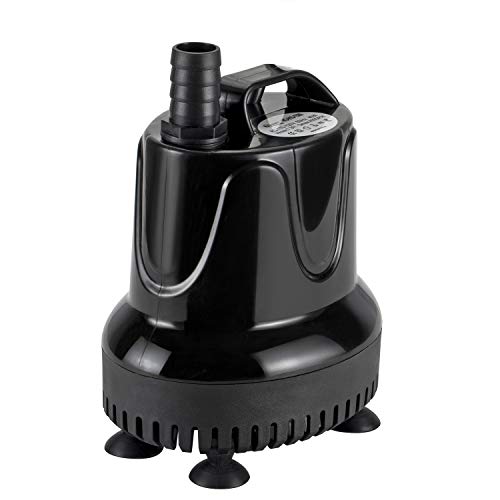
Powerful yet adjustable flow for aquariums, ideal for powering media reactors and filters.

Dependable powerhead for strong water movement, perfect for reef tanks and reactor setups.
Check discounted items inAquarium Water Pumps




[…] You’re part of the small club that’s tried—and maybe succeeded. Ensure consistent flow from a gentle filter to prevent pellet settling and cloudy […]