Dropsy’s your betta’s body leaking fluid from organ failure, usually kidneys, and you’ve got roughly a week before pinecone scales become a death sentence.
Start with a $15 test kit—zero ammonia’s non-negotiable—then set up a 5-gallon quarantine with sponge filter, exact 78°F match.
Maracyn 2’s your heavy hitter: double dose day one, single daily through day five, full course or you’re breeding superbugs.
Skip the Melafix, it’s fancy tea tree oil that won’t touch gram-negative bacteria.
Epsom salt baths help—1 tablespoon per gallon, 5-8 minute dips—while your main tank gets 1 tablespoon API salt per 5 gallons.
Recovery’s a marathon, not a sprint: appetite creeps back weeks 1-2, bloating fades by week 4, but kidney damage often lingers like that houseguest who overstays.
Prevention’s boring but effective—weekly water tests, 25% changes, one fasting day weekly—because genetics you can’t fix, but tank conditions you absolutely can.
The details on pulling a fish back from the brink, and knowing when to make the hard call, wait just below.
At A Glance
- Dropsy causes fluid buildup from organ failure, showing pinecone scales and curved spine over 2–3 days.
- Quarantine immediately in a 5-gallon tank with matched temperature and removed carbon before antibiotics.
- Treat with Maracyn 2: double dose Day 1, single doses Days 2–5, then 25% water change.
- Perform daily Epsom salt baths at 1 tbsp per gallon for 5–8 minutes to reduce swelling.
- Recovery takes weeks; maintain pristine water, complete full antibiotic course, and monitor for relapse.
Is Your Betta Bloated? Early Warning Signs You Can’t Miss
So, you’ve noticed your betta’s looking a bit… round. You’re squinting at the tank, wondering if you’ve just overfed the little guy again (we’ve all been there, friend), or if something’s actually wrong.
First things first: grab a test kit. Your water parameters—ammonia, nitrite, nitrate—tell the real story. Poor conditions stress fish out, and stressed fish get sick. Stress detection starts with noticing behavior changes: is he hiding? Ignoring food? Sulking like a teenager? This fluid buildup happens when organ failure disrupts the fish’s internal liquid balance.
These early signs matter. A swollen belly‘s coming in 2–3 days if you don’t act. You know your fish. Trust that gut—yours, not his.
Dropsy vs. Constipation: How to Tell in 60 Seconds
Dropsy and constipation look practically identical until you’re staring at scales that stick out like pinecones, which is exactly why you’ve got about sixty seconds to get this right before you pick the wrong treatment and waste your money.
Here’s your cheat sheet, fellow fish parent:
- Symptom timing matters: Constipation bloat hits fast after overfeeding; dropsy creeps in over 2–3 days with appetite loss first
- The pinecone test: Gently view your betta from above—raised scales mean dropsy, flat scales mean constipation
- Diagnostic imaging isn’t happening: You’re not getting an ultrasound for a $15 fish, so trust your eyes
- Spine check: Dropsy curves sideways; constipation keeps them straight, just uncomfortable
Bottom line: no pinecones, no panic—fast for 24 hours, then try a pea. Pinecones? Quarantine now, treat aggressively, as stable water parameters minimize stress and disease susceptibility.
What Pinecone Scales Actually Mean (And What Comes Next)
You’ve spotted the pinecones, and your stomach just dropped—fair enough, it’s not exactly a “yay, aquarium decorations” moment.
Those pinecone scales? That’s scale morphology gone rogue. Each scale stands out like armor plating since fluid’s pushing from inside. It’s a diagnostic indicator, plain and simple—dropsy’s calling card, not constipation’s softer bloat.
What comes next:
- Symptom progression accelerates fast. You’ve got days, not weeks.
- Kidney and liver damage is already happening. Sorry, that’s the reality.
- Curved spine, bulging eyes, clamped fins follow if you wait.
But here’s the thing—catching this nowmeans you’re still in the game. Quarantine tank, antibiotics, Epsom salts. You’ve got moves to make.
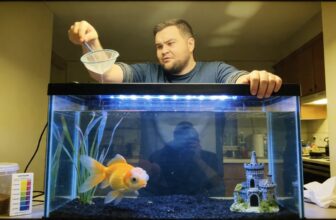
Use a clear mesh net as a quarantine tank lid to maintain light transmission and prevent your betta from jumping during treatment.
Why Your Betta Got Sick: 4 Common Causes
Why does dropsy always seem to hit the fish you actually like? It’s not personal—your betta’s immunity probably cracked under pressure. Dropsy strikes when defenses crumble, and you’re often the accomplice, sorry to say.
- Stress overload: Cramped tank size, wonky temperature swings, or bullying tankmates tank immunity fast.
- Environment failures: Weak filtration and “nutwater” (that’s nasty, nutrient-soup water to us regular people) breed bacteria. Using a gentle flow filtration prevents stressing delicate betta fins.
- Diet disasters: Bad food choices weaken organs, setting up kidney failure.
- Genetics: Some bettas lose the lottery, no matter how pristine their setup.
You can’t fix genetics with medication, but you can control the rest.
When Dropsy Is Still Treatable (And When to Let Go)
Not every bloated betta is a lost cause, but you need to know what you’re looking at before you start pouring chemicals into the water like a mad scientist.
Catch dropsy early—no pinecone scales, just a puffy belly and a fish who’s hiding—and you’ve got a shot. That’s immune stress talking, not organ failure. You can turn it around with clean water, proper meds, and an immune boost from good nutrition. If your betta’s immune system is already compromised, maintaining stable water parameters is essential to prevent a similar stress response in other fish.
See those raised scales? Spinal curve? You’re managing suffering, not curing disease. At that point, euthanasia (clove oil, $8 at most pharmacies) becomes the kindest choice.
Know the difference. Act accordingly.
Build Your Betta’s Quarantine Tank Tonight
How fast can dropsy spiral out of control? Faster than you’d like, friend. You’ve got maybe 48 hours before your betta’s kidneys throw in the towel. Tonight, you’ll build that quarantine setup.
Dropsy moves fast—48 hours before kidneys fail. Build the quarantine tank tonight.
Grab a 5-gallon tank—nothing fancy, $15 at any pet store. You’re not building a palace, you’re building a hospital.
- Add a gentle sponge filter, since your fish can’t handle current right now
- Toss in a cave or two—stress reduction starts with hiding spots
- Match the temperature exactly to his main tank, no exceptions
- Keep lights dim; think romantic dinner ambiance, not interrogation room
Bottom line: a bare tank kills fish. A proper quarantine setup buys you time. Build it now, treat tomorrow.
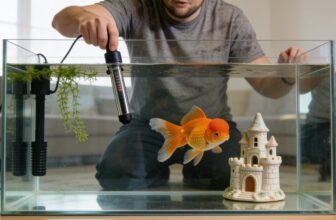
Most small desktop kits lack a heater, so you will need to buy a preset 50-watt heater separately to maintain steady 78°F for your betta.
Move a Sick Betta Without Shock or Stress
Your quarantine tank’s ready, water’s conditioned, and now you’ve got to move a fish who’d rather hide in his favorite mug than cooperate. Don’t just net him and dump—he’s already fragile, and shock kills faster than dropsy does.
Start with stress minimizing acclimation: scoop him with tank water into a clear bag, float that bag in your quarantine tank for twenty minutes, temperature-matching so he doesn’t feel the shift. Add a tablespoon of tank water every five minutes, then release him gently. No sudden movements, no bright lights, no audience.
He’ll thank you by not dying. For optimal recovery, consider adding a low-noise wave maker to maintain gentle water circulation and oxygen distribution in the quarantine tank.
Maracyn 2 for Dropsy: Complete Dosing Schedule
Why does every fish medication come with instructions that read like a chemistry exam written by a lawyer? You’re not alone in squinting at that Maracyn 2 label, friend.
Here’s your lifeline, plain and simple:
- Remove carbon filters first, or you’re literally throwing money into the filter
- Day 1: double-dose with 2 packets per 10 gallons of water
- Days 2-5: single packet daily, same volume, no skipping for maximum efficacy
- Day 6: 25% water change, then repeat if needed—full resistance management demands you finish what you start
This schedule works, but only if you commit. Cloudy water? Normal. Quitting early? That’s how bacteria laugh at you. Stick to it, and you’re giving your betta a real fighting chance. A reliable sump setup uses heavy‑wall PVC for leak-free plumbing during treatment.
Epsom Salt Baths That Reduce Swelling Fast
When your betta’s belly looks like it’s smuggling a marble collection, you’ve got two options: panic, or grab some Epsom salt.
Epsom Salt Dosage keeps it simple: one tablespoon per gallon, temperature matched, no fancy thermometer required here.
Swelling Reduction Techniques work through osmosis—fancy word for drawing fluid out through the skin, like a sponge wringing itself dry.
Dip your fish five to eight minutes. Watch closely; they’re drama queens when stressed.
If he flops like a dad doing the worm at a wedding, shift him to a revival tank—quarter saltwater, three-quarters main tank water—for five minutes.
Apply daily until that belly deflates. For added electrolytes during recovery, consider dosing API Aquarium Salt in the main tank at one tablespoon per five gallons. You’ve got this.
Methylene Blue Dips: Safe Duration and Setup
Epsom salt bought you time, but it won’t touch the bacteria party happening inside.
Epsom salt bought you time, but it won’t touch the bacteria party happening inside.
You need methylene blue. Ten seconds max, people—any longer and you’re the villain in this story.
- Grab a plastic or glass container (no metal, except you hate your fish)
- Mix 5 teaspoons per 3 gallons of dechlorinated water
- Match temperature exactly—stress-reduction protocols demand it
- Never dump this stuff in your main tank; saltcolor safety means keeping it contained
Dip, watch, pull. Distressed? Revive in diluted saltwater. It’s harsh medicine, but dropsy doesn’t negotiate. Your betta’s counting on you to not mess this up. After treatment, consider using a 40 PPI sponge in your main filter to help prevent recurrence.
Does Melafix Help With Dropsy?
Melafix sits in that awkward middle ground—helpful sidekick, not the hero you need.
You’re desperate, I get it. That swollen little body breaks your heart. But here’s the truth: Melafix won’t cure dropsy. It’s tea tree oil, basically—antibacterial for surface wounds, fin rot, minor scrapes. Gram-negative bacteria causing dropsy? It laughs at Melafix.
Still, you *can* use it strategically. Follow the Melafix dosage precisely—5 ml per 45 liters daily—while your real antibiotics do the heavy lifting. It prevents secondary infections, which matters when your fish already struggles.
Bottom line: prioritize dropsy prevention through pristine water quality, and save Melafix for backup duty.
Water Changes and Filter Rules During Antibiotic Treatment
Strip out that carbon filter before you dose a single drop—seriously, do it now, or you’re basically throwing antibiotics into a black hole. Carbon sucks up medication faster than you can say “filter quality,” leaving your betta swimming in expensive, useless water. You’re part of this hobby since you care, so don’t half‑step the dosing protocols.
- Pull carbon cartridges, leave mechanical filtration running
- Top off evaporated water before adding antibiotics
- Match new water temperature to avoid shocking your fish
- Resume carbon 48 hours after final dose to clear residue
Finish the full course, cloudy water and all—quitting early breeds superbugs, and nobody wants that guilt.
Real Recovery Timelines: What to Expect Week by Week
Once you’ve started treatment, you’re probably staring at your betta like it’s a slow-loading webpage—wondering if anything’s actually happening. You’re not alone in this, and yes, we all do the daily scale-check routine.
| Week | What You’ll See |
|---|---|
| 1-2 | Appetite returns slowly, pineconing softens; immune-stage mortality peaks here—stay vigilant |
| 3-4 | Bloating subsides, energy rebounds; most survivors stabilize during this window |
| 5+ | Full recovery possible, though kidney damage lingers; long-term prognosis remains guarded |
Don’t panic if progress stutters—bettas heal on fish time, not human time. Finish every antibiotic course, keep testing water weekly, and accept that some fighters simply won’t make it. The ones who do? They’re worth every sleepless check.
Keep Dropsy From Coming Back
Since you’ve already fought this battle once, you know exactly how much it costs—sleep, worry, and probably a small pharmacy of fish meds you’ll never use again.
You’re in this now, so here’s your keeping-it-dead checklist:
- Test water weekly, change 25%, zero slack on ammonia—grain-negative bacteria love a dirty tank, and you’ve met them
- Lock in diet optimization: high-protein pellets, fast one day weekly, since a chunky betta is a stressed betta
- Nail stress management: caves, plants, stable 78°F temp, no tankmates that bully
- Quarantine everything new—fish, plants, snails, that “free” decoration from Craiglist
You didn’t nurse your fish back to lose him to laziness. Small habits, big payoff.
Frequently Asked Questions
Can Dropsy Spread to Other Fish in My Tank?
Yes, dropsy spreads through bacterial contamination, so you’re not off the hook.
Your other fish face that serious risk if their immunity is compromised, think cooties in kindergarten, but infinitely sadder.
Quarantine that sick betta immediately; clean water isn’t just aesthetics, it’s desperate damage control.
Keep parameters stable, or you’ll play whack a mole with illnesses.
Bottom line: isolate fast, medicate properly, and hope your finned friends have better constitutions.
How Long Can a Betta Live With Untreated Dropsy?
You’ll typically see mortality within days to weeks—it ain’t pretty. Early-stage bettas might linger 1–3 months, barely, but that’s the exception, not the rule.
- Progression timeline: rapid if untreated, think “weekend project gone wrong” fast
- Kidney and liver damage—those filtration organs—can’t self-repair
You’re watching fluid buildup slow-cook your fish. Most untreated cases decline within 1–2 weeks, tops.
Bottom line: untreated dropsy’s basically a countdown you don’t want to run.
Is Dropsy Painful for Betta Fish?
Yes, dropsy causes significant pain. You’re seeing your betta’s organs swell, scales jut out like a pinecone—that’s pressure, and pressure hurts.
Pain assessment in fish means watching what they can’t say. Zero appetite, hiding, clamped fins—that’s your betta’s body screaming. They’re not drama fish; they’re stoic, until they’re not.
Symptom monitoring matters since by the time you notice the swelling, the internal damage has been building for days, maybe weeks. You’re catching the aftermath, not the start.
The fluid buildup? It presses on everything. Imagine wearing a corset two sizes too small, permanently.
Practical moves:
- Quarantine tank with Stress Coat ($8), hidey-hole, gentle bubbler
- Epsom salt bath—1 Tbsp per gallon, 5-8 minutes, not a spa day, actual relief
- Antibiotics if you’re fighting infection at the root
Bottom line: treat fast, watch close, accept hard truths. Dropsy isn’t a diagnosis—it’s a symptom of “something’s very wrong.” Your betta’s counting on you to notice before the pineconing starts.
Can I Use Aquarium Salt Instead of Epsom Salt?
Don’t swap aquarium salt for Epsom salt—they’re different tools entirely.
Epsom salt (magnesium sulfate) draws out fluid; aquarium salt (sodium chloride) irritates tissues, worsening dropsy’s swelling. For dosage guidelines, stick to 1 tablespoon Epsom salt per gallon, 5-8 minute baths. Aquarium salt isn’t a viable salt alternative here.
- Epsom salt: reduces edema (fluid buildup)
- Aquarium salt: dehydrates, stresses kidneys
Bottom line: keep them separate, like socks and sandals.
Why Did My Betta Get Dropsy After a Water Change?
Your water change likely stressed your fish, weakening its immune system and letting a bacterial infection take hold. You probably missed something—maybe chlorine, temperature shock, or wonky parameters. Without water quality testing, you’re flying blind, and your betta paid the price.
- Stress crashes immunity fast
- Gram-negative bacteria love vulnerable fish
- Test kits run $10–15, cheaper than replacements
Next time, match temperature, treat tap water, and test before, during, and after. Your fish deserves better detective work.
Rounding Up
Dropsy’s a beast, no doubt—your betta’s swimming against the tide now. You’ve got the tools: kanamycin, clean water, and a watchful eye. Catch it early, you might turn the tide; miss the window, well, that’s the hobby’s hardest truth. Prevention’s cheaper than cure—ten bucks in test strips beats a twenty-dollar funeral. Keep your water pristine, your fish fed modestly, and your ego in check. That’s the game.