You can’t keep goldfish and clownfish together—period.
Goldfish need freshwater at 65‑72 °F and pH below 7.5, whereas clownfish demand saltwater at 75‑82 °F and pH 8.1‑8.4.

Replaces electrolytes and supports gill function during goldfish recovery or routine care.
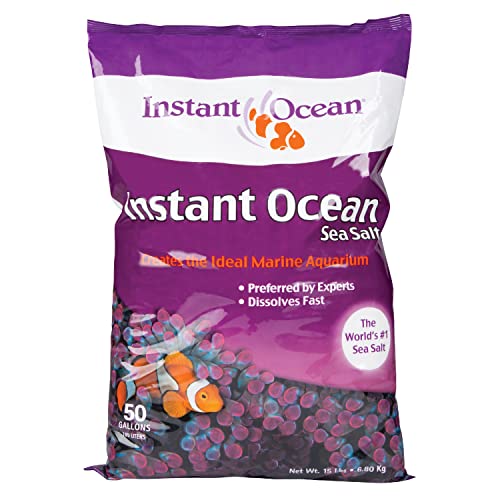
Creates stable saltwater for clownfish tanks, matching natural reef salinity and essential minerals.

Boosts calcium and alkalinity for reef tanks, helping clownfish and corals thrive.
See today's best deals onAquarium Salt
There’s no overlap: brackish water kills both, and “splitting the difference” on temperature just stresses everyone into sickness.
Goldfish grow to 12 inches, bulldoze small clownfish at feeding time, and turn your water toxic with waste; clownfish need pristine, stable conditions you simply can’t provide in a goldfish tank.
Set up two separate tanks—freshwater for your goldfish, a 20‑gallon reef kit ($300‑$800) for your clownfish—or pick one species and do it right.
The details below explain exactly which fish actually work as tank mates for each.
At A Glance
- Goldfish are freshwater fish; clownfish require saltwater, making salinity needs mutually exclusive.
- Goldfish thrive in 65–72 °F water, while clownfish need 75–82 °F to survive and stay healthy.
- Clownfish need pH 8.1–8.4; goldfish suffer chronic harm above pH 7.5, leaving no safe overlap.
- Goldfish grow to 12 inches and are territorial, outcompeting smaller clownfish for space and food.
- Goldfish produce heavy waste that overwhelms filtration, endangering clownfish who need pristine water.
Why Goldfish and Clownfish Can’t Share a Tank
You simply can’t put goldfish and clownfish in the same tank, and it boils down to this: one dies in saltwater, the other suffocates in fresh.
It’s like inviting a polar bear and a sunbather to the same pool party, somebody’s leaving miserable, or not leaving at all.
Your clownfish needs 75–82°F water, pH 8.1–8.4, and stable salinity around 1.023 specific gravity—think tropical vacation, permanently.
Your goldfish prefers 65–72°F, neutral pH, zero salt.
That overlapping comfort zone? Practically nonexistent.
You’ll chase temperature and chemistry constantly, never winning.
Stressed fish get sick.
Breeding becomes impossible, disease resistance crumbles.
You’ll medicate, lose fish, blame yourself.
Separate tanks.
It’s the only kind move.
A reef tank supplement like Brightwell Aquatics KH Buffer targets pH 8.3 with a specific carbonate system, which is entirely unsuitable for a goldfish’s freshwater needs.
The Saltwater-Freshwater Divide: Instant Death for One Species
Putting a goldfish in saltwater isn’t just a bad idea—it’s a death sentence, plain and simple.
You might think water’s water, right? Nope. Goldfish lack the adaptation to process salt—osmosis goes haywire, their cells shrivel, organ failure follows fast. The salinity impact is brutal: minutes to hours, not days.
Flip it, and your clownfish drowns in its own body fluid. No gills for freshwater, no backup plan. Evolution built these critters for opposite oceans.
- Goldfish: zero salt tolerance
- Clownfish: needs 1.020-1.025 specific gravity
You can’t split the difference. Pick a team, commit fully, own your choice. Fishkeepers maintaining a freshwater tank can use API Aquarium Salt to provide essential electrolytes for goldfish gill function during recovery or routine care.
Temperature Wars: Finding a Middle Ground That Kills Both
When you’re staring at two thermometers that read seventy-six and sixty-eight degrees, don’t kid yourself into thinking seventy-two is the sweet spot—it’s the kill zone for both fish, and splitting the difference just means nobody wins.
Your clownfish needs tropical warmth, 75-82°F, or its immune system crashes. Your goldfish wants 65-72°F, or it gasps, stressed and aging fast. Temperature adaptation? Forget it. These fish evolved on opposite thermal planets.
Tropical fish need tropical heat. Coldwater fish need cold water. Evolution doesn’t negotiate.
You can’t hack this with a heater dial and wishful thinking.
- Clownfish at 72°F: sluggish, prone to disease
- Goldfish at 72°F: metabolic overdrive, shortened lifespan
There’s no salinity compromise that fixes thermal mismatch, either. Different problem, same result—two unhappy fish.
Even if you tried a lower temperature, Rosy Red Minnows demonstrate how stable water parameters within a strict range are essential for fish longevity, preventing stress and disease.
Bottom line: one tank, one temperature, one survivor. Pick your favorite, or buy two tanks. Your wallet won’t thank you, but your fish might live.
PH Mismatch: Why 8.2 Kills Goldfish Slowly and 7.0 Kills Clownfish Fast
As you busy fiddling with that pH test kit, your fish are already writing their wills. You’re chasing a fantasy. Clownfish demand 8.1–8.4; goldfish suffocate above 7.5.
pH buffering keeps marine tanks stable, but you’re fighting chemistry with a turkey baster and hope. At 8.2, your goldfish suffer chronic ammonia burns, kidney failure—slow torture. Drop to 7.0? Your clownfish face osmotic stress, their cells literally flooding, death in hours. No middle ground exists. One tank, two incompatible bloodstreams. Pick a side, friend. Your wallet and your conscience will thank you later.
In a mixed setup, even a water clarifier like Aqueon Freshwater Aquarium Water Clarifier would be unsafe for the saltwater species due to incompatible water chemistry.
How Goldfish Bulk Pushes Small Clownfish to the Margins
You survived the pH nightmare, barely. Now you’re facing the real tank terror: aqufish bulk.
Your goldfish isn’t just big—it’s growth dominance incarnate. Twelve inches versus three. Twenty gallons per fish versus… whatever’s left, buddy. That’s space competition, and you’re losing.
| Factor | Goldfish Reality | Your Clownfish’s Fate |
|---|---|---|
| Size | 12 inches, beefy | 3 inches, snack-sized |
| Space needed | 20+ gallons each | Reef corners, maybe |
| Behavior | Territorial pressure | Hiding, always hiding |
| Result | Tank boss | Tank ghost |
Your clownfish craves belonging in a reef community, not this freshwater bully pulpit. Without a weighted lid your goldfish could jump to its death when startled by the conflict.
Bottom line: separate tanks, or you’re sponsoring a slow eviction.
Goldfish Waste Overload: The Pollution Clownfish Can’t Survive
Your goldfish eats like a teenager at a buffet and poops like it’s getting paid by the pound, which means you’re running a sewage treatment plant disguised as a fish tank.
That waste overwhelms your filter. Filtration overload hits hard—ammonia spikes, nitrites bloom, and your water chemistry crashes. Goldfishes’ constant grazing disrupts nutrient cycling, the invisible cleanup crew that keeps tanks livable. Clownfish need pristine, stable water; they’re delicate reef dwellers, not sewer survivors. Reliable ion‑selective membranes improve color accuracy when testing for these pollutants, but they don’t solve the waste volume.
You can’t biohack your way out of this. More water changes? Still drowning in waste. Bigger filter? Goldfish outproduce it.
Separate tanks or one species dies. Pick.
Feeding Frenzies When Species Fight for Completely Different Foods
When the dinner bell rings in a shared tank, nobody wins.
You’ll watch your goldfish hoover everything—flakes, pellets, your hopes—while your clownfish starves politely in the corner.
That’s the feeding hierarchy in action, and it’s brutal.
Goldfish are the tank’s loud relatives at Thanksgiving.
Goldfish are the tank’s loud relatives at Thanksgiving—hogging the flakes, starting drama, and leaving everyone else picking at crumbs.
They’ll trigger territorial disputes over food that neither species even wants.
Your clownfish needs brine shrimp and algae; your goldfish needs, well, everything.
You’ll buy separate foods, schedule different feedings, and still fail.
One gets obese, the other malnourished.
Neither thrives.
Keep them apart.
Dinner time shouldn’t be combat.
Goldfish thrive on immune‑boosting goldfish flakes while clownfish require protein‑rich insect or shrimp pellets.
The Brackish Water Myth: Why Half-Salt Doesn’t Save Either Fish
Brackish water isn’t a clever compromise—it’s a trap dressed up as middle ground.
You’ve probably heard the whispers, right? “Just split the difference,” they say, like salinity compromise is ordering a medium pizza instead of large or small. Here’s your myth debunked moment: it doesn’t work.
Goldfish need freshwater, full stop. Their kidneys, frankly, aren’t built for salt. Clownfish? They’ll waste away below ocean-strength salinity, think sea level 1. level 1.020-1.025 specific gravity, not this half-baked middle.
Both fish suffer in brackish conditions, osmoregulation failing, stress climbing, immune systems tanking. You’ll watch neither thrive, both merely survive, badly.
Skip the shortcut. Two tanks, two happy fish. Without proper electrode maintenance, no meter can reliably track the saline stress harming your fish.
Anemone Requirements That Turn Goldfish Tanks Into Danger Zones
Three things goldfish absolutely don’t need: bubbles, pirate ships, and a venomous sea anemone waving tentacles in their personal space.
Your clownfish craves coral symbiosis—a partnership with anemones that demands intense anemone lighting (metal halides or LEDs running $200-$400) and pristine saltwater. You’re looking at 8-10 watts per gallon, enough to fry a goldfish’s lack of eyelids right off. To accurately monitor the saltwater conditions your clownfish needs, you might consider a 6‑in‑1 Digital Water Monitor with Bluetooth for remote tracking.
| Goldfish Reality | Clownfish Dream |
|---|---|
| Dim, peaceful tanks | Blazing reef-grade sun |
| Room to wander | Anemone real estate |
| No stinging roommates | Toxic tentacle hugs |
| Simple gravel bottom | Live rock scenery |
| No membership fees | Exclusive salt club only |
Skip the combo tank. Double your happiness with two setups instead.
Stress Disease: How Wrong Water Opens Both Fish to Infection
Your goldfish’s body is built for slow, cool rivers, not the simmering reef soup a clownfish needs. You’re forcing two immune systems to fail simultaneously, and it’s not pretty.
When you split the difference on temperature—say, 74°F—you’re not compromising, you’re betraying both fish. Your goldfish’s metabolism ramps up, exhausting it. Your clownfish shivers internally, sluggish and vulnerable. Neither feels at home, and fish without home-court advantage lose fast.
That stress? It triggers immune suppression, meaning their defenses drop. Plus, you’re brewing immunebial imbalance—basically, bad bacteria party while good guys bail. Stressed fish get infections, as dropsy and organ failure often follow this exact pattern. Simple.
Here’s what you’re really risking:
- Your goldfish gasping at the surface, fins clamped, watching you fail them
- Your clownfish hiding in corners, color fading to ghost-white stress
- That sinking feeling when you spot fuzzy white patches—fungus won
- The loneliness of explaining to fellow aquarists why your tank’s half-dead
You want bragging rights in this hobby? Earn them with separate tanks.
Test Failed: What Dies First When You Mix These Fish Anyway
So you’re wondering which fish croaks first in this doomed experiment—honestly, it’s almost a toss-up, but my money’s on the clownfish taking the plunge ahead of your goldfish, and here’s why that’s darker than it sounds.
| Factor | Clownfish | Goldfish |
|---|---|---|
| Salinity adaptation | Zero—freshwater kills in hours | Tolerates brief salt exposure |
| Temperature shock | Cold water = instant stress | Warm water = slow burn |
| Lifespan comparison | 3-6 years, cut to days | 10-15 years, cut to months |
| Immune collapse | Immediate | Gradual |
Your clownfish lacks salinity adaptation entirely—dump it in goldfish water and its cells literally explode, osmosis gone wrong, like a sad balloon. Meanwhile, your goldfish faces a slower death, kidney failure from salt, heat stress shortening that impressive lifespan comparison you’d hoped for. You’re watching two different tragedies unfold, one fast and ugly, the other drawn-out and cruel. Neither fish belongs in this mess, and neither do you, friend.
Clownfish Tank Mates That Thrive in Real Reef Conditions
- Damselfish – They stick close to reef compatible corals, defending tiny territories like they’re paying rent.
- Gobies & Blennies – These bottom-dwellers sift sand, keeping things tidy while minding their own business.
- Firefish – Colorful wallflowers that dart into rockwork when spooked, which is always.
- Cleaner Shrimp – The reef’s dental hygienists, picking parasites off grateful tankmates, no appointment needed.
You’re building something here—a community that actually belongs together.
Goldfish Tank Mates for Cold, Spacious Freshwater Aquariums
Whilst clownfish get all the Hollywood glory, you’re over here trying to build a decent community tank for fish that actually remember your face — goldfish, the humble pond-dwellers with surprisingly specific social needs.
You need cold-water companions that won’t turn your aquarium into a fin-nipping warzone. Think white cloud minnows, zebra danios, or bristlenose plecos — hardy souls who share your goldfish’s chill temperament and temperature preferences, around 65-72°F.
Skip goldfish breeding unless you’ve got 75 gallons and industrial-grade aquarium filtration. These fish are waste machines, and your standard hang-on-back filter will surrender faster than you can say “water change.”
Bottom line: match temperature, size, and mess tolerance. Your goldfish will thank you — well, probably not, but they *will* remember you while they poop.
Running Two Tanks: The Realistic Setup for Both Species
You’ve sized up the cold-water crew for your goldfish, and now you’re staring at that empty corner of your living room wondering if you can squeeze in a second tank for clownfish.
You’re not crazy. You’re just committed. Running dual systems isn’t cheap—expect $300-800 for a 20-gallon reef starter kit—but you’re building a community as a hobbyist who refuses to compromise.
- You’ll master two aqu filtration systems, freshwater and salt, earning bragging rights at every club meeting
- You’ll join an exclusive tribe who get both worlds without the guilt of killing fish
- You’ll learn breeding protocols, since clownfish spawn when happy, and that’s pure magic
- You’ll finally stop lying to guests about why “Nemo” lives in a wine cooler
Two tanks, twice the water changes, zero regrets.
Frequently Asked Questions
Can Clownfish Survive in Freshwater for Even a Day?
No, clownfish can’t survive freshwater for even a day.
Their osmoregulation limits are strict—these little guys pump out excess salt constantly, and freshwater tolerance is basically zero. Put them in tap water and their cells swell, organs fail, it’s over fast. We’re talking hours, not days.
- Saltwater fish need salt—shocking, right?
- Their bodies literally can’t handle the osmotic shock
- No acclimation trick fixes this
Keep them in marine tanks, period.
Will Goldfish Grow Stunted in Warm Saltwater Temporarily?
No, and it’s worse than you’d think.
You’d watch your goldfish struggle in that warm saltwater, their gills burning from salinity they can’t process, their bodies flooded with temperaturewater stress that crashes their immune system. Growth stalls, organs fail. Unlike clownfish with their snappy salinity adaptation rates, goldfish lack the tools—no specialized cells to pump out salt, no tolerance for 75°F+ temps.
- Stunting: Warmth speeds metabolism but salt blocks nutrient absorption—you get a starving, bloated fish
- Organ damage: Kidneys shut down within hours, not days
- Price of “temporary”: Even 24 hours causes irreversible gill scarring
Bottom line: You’re not testing limits, you’re torturing a pet. Keep species in their lanes—your goldfish deserves a cold, fresh pond, not a reef cosplay.
What Happens if I Slowly Acclimate Them to Each Other’s Water?
Slow acclimation won’t fix fundamental water compatibility issues.
You’re asking a freshwater fish to drink saltwater, and a saltfish to live in a pond—biology doesn’t bend that way.
Goldfish’ll bloat, suffer organ failure; clownfish’ll suffocate, their cells literally exploding from osmotic shock.
Even gradual shifts, we’re talking weeks, can’t rewrite their physiology.
Different salinity needs, temperature gaps, pH mismatches—it’s a compatibility wall, not a hurdle.
Two tanks, friend.
Your wallet’ll hate you, but your fish’ll thank you.
Can I Use a Tank Divider With Different Water Sides?
You can’t use a tank divider with different water sides. Water chemistry doesn’t work that way—salt and fresh water mix instantly through any gap, seam, or even the divider material itself.
You’d need a solid, sealed barrier with zero permeability, which doesn’t exist in standard aquarium gear. Even “waterproof” dividers leak ions over time.
Plus, temperature equalizes fast, so you’re still stuck with one zone that’s wrong for somebody. It’s a neat idea, but physics wins.
Have Any Aquariums Successfully Mixed These Species?
No, you’re chasing a unicorn here.
Mixed species compatibility between goldfish and clownfish fails since tank ecosystem dynamics demand opposite worlds—salt versus fresh, warm versus cool.
You’d need two separate water columns, impossible filtration, and a PhD in chemistry.
Even public aquariums don’t try this stunt.
Save your money, your sanity, and your fish—keep them in their own tanks, period.
Rounding Up
You can’t merge these worlds. One tank, two fish, zero survivors—that’s the math.
Keep your goldfish in cold, spacious freshwater, your clownfish in warm, salty reef conditions. Running two tanks costs more, certainly, but watching both species thrive beats watching one circle the drain.
Buy the second filter. It’s cheaper than a funeral, and way less depressing.

Monitors ammonia, nitrite, nitrate, and pH to keep goldfish water safe and stable.
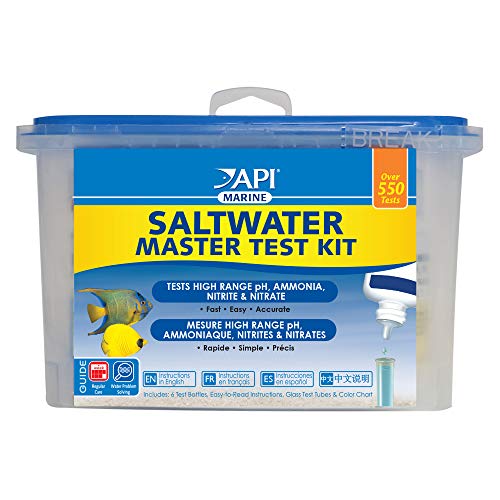
Tracks pH, ammonia, nitrite, and nitrate for pristine clownfish reef conditions.

Continuously displays toxic ammonia levels, giving early warning before water chemistry turns deadly.
Browse discountedAquarium Test Kitson Amazon