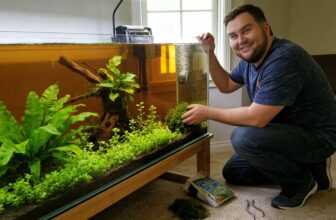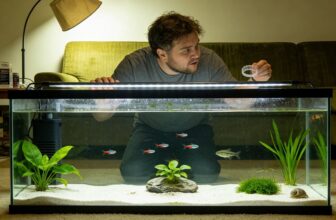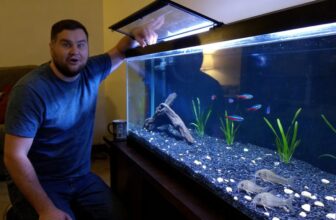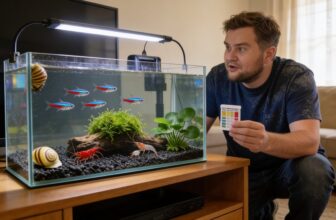
The best aquarium plants for beginners thrive on inconsistency, not expertise. Start with Dwarf Sagittaria ($15 for 15 plants) for a low-light carpet that spreads without fuss.
Pelia Moss builds soft, column-feeding cushions that never need trimming.
Skip Dwarf Hairgrass unless you want CO2 headaches and daily tweaking. Green Hygro guzzles nitrates fast, keeping your water parameters stable.
Anubias Nana ($8–$12) and Java Moss ($6–$10) attach to any hardscape with zero CO2 demand. Marimo Moss Balls ($5–$10) graze algae off glass while looking like古法过滤器.
Match every choice to your light PAR and tank volume first. Low-light, low-maintenance wins every time for new aquarists.
The next section breaks down exact pairings for your setup.
At A Glance
- Beginner plants need light, root tabs, liquid fertilizer, and a timer.
- Dwarf Sagittaria thrives in low light with root tabs and pH 6.5–7.5.
- Java Moss and Java Fern survive in low light without CO2 or rich substrate.
- Guppy Grass and Hornwort remove nitrates and need no rooting or special gear.
- Amazon Sword requires root tabs and medium-high light, suited for 30-gallon tanks.
3 Care Basics Every Beginner Needs Before Buying Plants
Before a single root hits the water, beginners need to nail three basics or risk a very soggy funeral.
First, lighting—most cheap hoods won’t grow squat.
Second, CO2 injection isn’t mandatory for easy plants, but it helps faster growth.
Third, nutrient dosing matters; root tabs feed root feeders, liquid ferts feed column feeders.
Skip these, and plants melt into brown sludge.
Skip these, and plants melt into brown sludge.
Get a $20 timer, root tabs for $10, and a liquid fertilizer for $15.
That’s it.
No fancy gear required.
Nail these, and your tank thrives, you look smart, and the fish stop judging you.
For shrimp tanks, choose a copper‑free gel formula that gently supports plant and invertebrate health.
When buying root tabs, evaluate cost per gram rather than per tablet to get the best value for your budget.
Dwarf Sagittaria: The Easiest Foreground Carpet Plant
Just one plant can transform a bare tank into a lush foreground carpet, and Dwarf Sagittaria does it without breaking a sweat. It’s a root feeder with narrow, grass-like leaves, thriving in low light and growing fast. Water flow tolerance? Moderate—it won’t uproot easily. Temperature stability is its forte, happily staying between 72-82°F. For a 5-gallon tank, this plant is a no-brainer. Adding a fast growth floating plant like Water Spangles can naturally reduce algae by creating shade. To support healthy growth in harder water, using chelated iron supplements helps keep iron soluble for root feeding plants like Dwarf Sagittaria.
| Feature | Why It Matters |
|---|---|
| Low light need | No fancy LEDs needed, saves cash |
| Fast growth | Covers bare spots in weeks |
| pH range 6.5-7.5 | Fits most tap water setups |
| 15 plants for ~$15 | Cheap way to fill the foreground |
| Beginner-proof | Survives clumsy trimming |
For less than the cost of a pizza, you get a carpet that makes you look like a pro. Grab a bundle—your tank’s lower half will thank you.
Pelia Moss: A Low-Light Carpet That Won’t Overgrow
Pelia Moss is the low-light carpet plant that won’t stage a hostile takeover of your tank. It’s a column feeder, so no root tabs needed. Temperature 68-82°F, pH 5.0-8.0—so easy you’ll feel like part of the club. For reliable low-tech growth, a drop checker can help ensure CO₂ levels stay in the safe green zone.
- Pelia propagation: Just snip a cushion, let it float, or press it down. It’ll cling to driftwood or rock without fuss.
- Moss aesthetics: Tight, dark green cushions look tidy, not messy, giving your tank that “I planned this” vibe.
It grows medium-slow, won’t overrun your 10-gallon setup. Bottom line: this is your forgiving, low-maint carpet. Buy one portion, plop it in, belong. For optimal growth, pair this moss with a dual‑stage regulator to maintain steady CO₂ delivery as cylinder pressure declines.
Dwarf Hairgrass: A Beginner Carpet Plant Worth the Effort
Dwarf Hairgrass is the carpet plant that looks like it belongs on a golf green, yet it comes with a warning label: beginners should avoid it. But here’s the truth—it’s a rewarding aquascaping challenge for those willing to learn. It demands medium lighting, consistent nutrients, and often CO2 injection necessity to thrive. For a sterile, pest-free start, consider the Greenpro Dwarf Hairgrass tissue culture cup, which provides ample growth material. Proper lighting with blue LEDs in the 445-470nm range ensures efficient photosynthesis for healthy carpet development.
| Need | Reality |
|---|---|
| Light | Medium to high; cheap LEDs won’t cut it |
| CO2 | Strongly recommended for dense carpet |
| Substrate | Root tabs or nutrient-rich soil required |
| Trimming | Weekly cuts keep it short and uniform |
| Patience | Takes 4-8 weeks to establish; expect algae |
You’re joining a club of aquarists who earned that lush lawn—it’s a badge of honor, not a beginner trap.
Green Hygro: Fast Background Growth for a Quick Setup
Green Hygro is not a plant that will make you wait. It rockets upward, filling a 10-gallon background in weeks.
Green Hygro care is simple: medium light, a column feeder, and it thrives in temps from 64 to 86°F with a wide pH range.
- Fast nitrate removal—it sucks up excess nutrients like a sponge.
- Lush green leaves for that full, quick setup look.
Just trim it back when it gets too tall, and share cuttings with your new fishkeeping friends.
It’s the forgiving, fast-growing colleague you want on your team.
Bottom line: For a speedy, low-fuss background, this is your plant.
Amazon Sword: Classic Background Plant for Bigger Tanks
If you’ve got a bigger tank—say, 30 gallons or more—the Amazon Sword is basically the plant equivalent of a reliable SUV: it’s big, sturdy, and gets the job done without drama. As a root feeder, it needs root tabs or rich substrate to fuel its broad leaves. For optimal anchoring and nutrient delivery, use API ROOT TABS buried in the gravel near the roots.
Tank sizing is vital here; trying to stuff this into a 10-gallon is like parking an 18-wheeler in a studio apartment. Its swords size—often reaching 18 to 24 inches—creates a lush backdrop you and your fish will love. This plant’s towering leaves serve as a vertical backdrop that anchors the entire design. You’re not just adding a plant—you’re building a shared, living environment.
- You’ll feel proud watching that massive green wall grow.
- It instantly makes smaller tanks feel cramped, so choose wisely.
- Root tabs become your new best friend—no drama, just growth.
- You’ll belong to the club of aquarists who can grow a real statement piece.
- Every fish gets a natural, comforting hideout.
Bottom line: if your tank fits, this is your plant.
Java Fern: The Undemanding Plant That Fits Any Tank
Java Fern is your forgiving friend. It’s undemanding, adapting to fluctuating water parameters with slow, steady growth.
Plant placement is flexible—anchor it to driftwood or rock, or let it drift freely. Nutrient uptake happens through its leaves, not roots, so no rich substrate needed.
It thrives in low light, 60-83°F, pH 6.0-8.0. For a 10-gallon tank, this is your low-maintenance hero. No CO2, no fuss. Just attach and relax. For nano tanks under ten gallons, a Small‑Tank Driftwood piece works perfectly for anchoring the plant. A rimless ultra‑clear glass tank enhances the visual appeal of this setup by making the plant nearly disappear into the background.
Bacopa: Slow-Growing Stems for Shelter and Style
- You can anchor it, or just let it drift for Floating use ideas.
- Its gentle sway brings calm to any corner.
- No surprise takeovers, just reliable beauty.
- Perfect for 10‑gallon tanks, it won’t bully neighbours.
- Low light keeps it simple; you belong here.
- For betta setups, the gentle flow of a sponge filter matches Bacopa’s relaxed growth.
- Using a 5‑6 mm thick leveling mat under your tank reduces vibration and prevents glass cracking.
Guppy Grass: Best Floating Plant for Fry and Water Quality
Whereas the Bacopa sways like a gentle daydream, Guppy Grass gets straight to business—this is the no‑nonsense floating plant for anyone raising fry or fighting algae. It’s a column feeder, meaning it sucks nutrients straight from the water, making Water Quality Control effortless. For your Guppy Tank Setup, just let it float; it provides instant, tangly hideouts for baby fish. For tanks with gentle currents, a compact filter like the Tetra Whisper IQ 45 gal maintains flow without disturbing floating Guppy Grass. For precision water quality checks, the APERA AI209 provides reliable auto-calibration and waterproof durability.
| Feature | Benefit |
|---|---|
| Fast growth | Outcompetes algae quickly |
| No roots needed | Zero fuss, just drop and go |
| Dense foliage | Fry shelter from hungry adults |
| Nutrient sponge | Cleans water without extra gear |
Price: about $10 for a bundle. Bottom line: Guppy Grass is the lazy aquarist’s best friend.
Hornwort: Fastest Way to Clean Your Aquarium Water
If Guppy Grass is the lazy aquarist’s best friend, Hornwort is the overachieving cousin who shows up and fixes your water while you’re still deciding on a filter.
This feathery, fast-growing colossus, reaching up to 120 inches, absorbs nitrates like a champ—making it the fastest way to clean your tank.
This feathery colossus absorbs nitrates like a champ, making it the fastest way to clean your tank.
- Provides dense fry shelter among its bright green needles, giving baby fish a safe hiding spot.
- Rapid nutrient absorption starves out algae, keeping water crystal clear effortlessly.
- No rooting needed—just let it float, and it moves with the flow, creating a natural, calming sway.
- Thrives in 50–85°F, so you can even skip a heater.
- Costs about $10 for a three-stem bundle on Amazon.
- A liquid water clarifier can provide a fast backup by binding fine particles into larger clumps for filter capture.
Bottom line: Grab it, drop it in, and watch your water transform.
For a passive backup to this live plant’s work, consider adding a Seachem denitrate media bag to your filter for consistent anaerobic denitrification.
American Waterweed: Beginner Plant for Unheated Tanks
Hornwort’s a solid choice if you want instant nitrate cleanup, but it needs some warmth.
American Waterweed thrives in cold water—even unheated tanks—making it your low‑temp hero.
It’s a column feeder, so no root tabs needed, just high light for fast, bright‑green growth.
- Ideal for 10‑gallon setups, 45‑65°F range
- Functions as background or floater, offering fry hideouts
- Works well with guppy grass or java moss for a chill, low‑tech community
- Using an air stone that produces fine bubbles supports better root oxygenation and plant health
For safety in unheated tanks, dry‑burn prevention stops the heater from operating when the water level is too low, which is a feature found on many mini aquarium heaters compatible with small setups.
Bottom line: If your tank stays cool, grab this plant. It’s forgiving, tidy, and won’t demand heaters you don’t own.
Anubias Nana & Barteri: Two Survivors for Any Light
- You’ll feel relief when they survive your first tank mistakes.
- You’ll share pride watching Barteri leaf size variation—from tiny Nana to broad Barteri.
- You’ll enjoy calm knowing they need zero CO2.
- You’ll belong to the club of “I kept something alive.”
- You’ll save money—$8–$12 per pot, lasting years.
- You’ll appreciate that these plants attach to rocks or wood just like corals on ceramic frag plugs with rough textures for strong adhesion.
- Just as coral glues with gel consistency prevent runoff during reef aquascaping, a thick cyanoacrylate gel ensures your plant’s rhizome stays secured to rock or wood without slipping.
Bottom line: attach, don’t bury, and they’ll forgive your learning curve.
Marimo Moss Ball: The Zero-Maintenance Algae Decor
Marimo Moss Ball is actually an algae, not a moss—but don’t let that fool you; it’s the ultimate plant for anyone who wants greenery without the guilt. It’s the laziest living decor you’ll ever own, spinning slowly in low light, eating nitrates, and never demanding a trim. Perfect for nano tanks, a single ball sells for $5–$10 and provides natural algae control, keeping glass cleaner. Just roll it occasionally to keep its round shape and prevent dead spots. You belong to the club of effortless success. For low-tech setups, an IP67 sealed silicone build like the Fishkeeper Smart LED withstands splashes while illuminating your moss ball.
| Care Aspect | Requirement | Why It Works |
|---|---|---|
| Light | Low | Grows in dim corners |
| Feeding | Column feeder | Absorbs waste nutrients |
| Growth | Slow (0.5”/year) | Never overcrowds |
| Placement | Anywhere | Great tank decoration |
| Maintenance | None | Rinse every 2 months |
A built‑in 12‑hour timer ensures consistent lighting cycles for your moss ball.
Java Moss: Versatile Plant That Attaches to Anything
Java Moss’s reputation as the “duct tape of planted tanks” is well earned—it sticks to almost anything, thrives on neglect, and costs about $6–$10 for a golf-ball-sized portion.
You won’t need fancy gear; just drop it in, and it’ll cling to driftwood or rocks, forgiving your early mistakes.
- It transforms plain decor into lush, living art, making your tank feel like a real underwater world.
- As fish spawning sites, it gives fry a safe, snag‑free hideout, turning your tank into a nursery.
- Its forgiving nature means you belong here, no matter your skill level.
- Mastering Aquascaping techniques becomes easier with its forgiving anchor‑anywhere habit.
- Watching it slowly spread feels like a quiet, shared victory—your tank, growing together.
It’s the plant that says, “I’ve got you.”
Unlike many artificial options that require heavy bases and soft, fin‑friendly leaves, Java Moss offers a natural alternative that attaches to anything without needing substrate or pruning.
For a stable foundation that won’t lift under fish activity, consider pairing it with high-density panels as a base for your hardscape.
It’s the plant that says, “I’ve got you.”
How to Choose the Right Plants for Your Tank Size and Light
Since your light fixture and gallon size aren’t just random numbers—they’re the filter that separates thriving plants from sad, melting floaters.
Proper plant selection starts by matching your tank lighting to each species’ needs. A 10-gallon tank with medium light happily hosts Green Hygro or Guppy Grass, whereas low-light setups favor Java Fern or Anubias Nana.
Matching your light and tank size first is the secret to picking the right plants.
For smaller tanks, Dwarf Sagittaria in 5 gallons or Marimo Moss Balls in 1 gallon work beautifully. Root feeders like Amazon Sword demand 30-gallon homes and medium-high light.
Beginners should stick with low-light, low-maintenance options.
Bottom line: match your light and tank size first, then pick plants—it’s that simple, and your tank will thank you.
For example, many small tanks like a 5-gallon setup benefit from gentle flow to protect shrimp and plants from being overwhelmed, and using an ultra-quiet design filter like the DaToo helps maintain a calm environment.
Frequently Asked Questions
Do I Need CO2 for Beginner Aquarium Plants?
No, most beginner-friendly aquarium plants—like Java Fern, Anubias, Amazon Sword, or Dwarf Sagittaria—do not need added CO2.
They thrive with low to medium light and a decent fertilizing routine. Use root tabs (tablets pushed into gravel) for root feeders like Amazon Sword, and a liquid fertilizer for column feeders like Guppy Grass or Hornwort.
Skip the fancy CO2 gear; you can grow a lush tank without it—think of it as the lazy aquarist’s cheat code.
Can I Root All Plants in Gravel Substrate?
No, rooting all plants in gravel is a fantasy—like expecting a cactus to thrive in a swimming pool.
Gravel root tabs are your lifeline for root feeders like Dwarf Sagittaria or Amazon Sword, but coarse substrate issues plague column feeders like Java Fern or Anubias, which prefer attaching to driftwood.
For gravel, stick with low-light, slow-growing species. Skip the carpeting plants unless you enjoy frustration.
Bottom line: gravel works, but only with the right plants and root tabs.
How Often Should I Trim Fast-Growing Plants?
Trim fast-growing plants like Guppy Grass or Hornwort every one to two weeks.
For floating plant control, simply scoop out excess to keep light reaching lower leaves.
Stem plant shaping? Snip tops and replant them—it’s like giving your tank a haircut.
This prevents overcrowding, keeps water clean, and maintains that lush look you’re after. A quick weekly trim keeps things tidy without much fuss.
Will These Plants Survive in Low Light?
Yes, many of these plants show strong low light adaptation. Dwarf Sagittaria, Anubias Nana, Java Fern, and Java Moss all thrive with minimal light—they’re shade tolerant, meaning they don’t need intense bulbs to grow.
Guppy Grass and Hornwort likewise handle dim conditions, though they’ll grow slower.
For a 10-gallon tank, Anubias Nana ($8–12 per pot) works great as a foreground plant; it’s practically unkillable.
Just avoid high-light species like Dwarf Hairgrass.
Bottom line: stick with these, and you’ll belong to the “low-light success club” without fuss.
Can I Keep These Plants in a Tank Without a Heater?
Yes, many of these plants can survive without a heater, thanks to their wide temperature tolerance. Species like Hornwort (50-85°F), Java Fern (60-83°F), and Anubias (72-82°F) are cold water species that adapt to unheated tanks.
Guppy Grass and Bacopa likewise handle cooler temps. Just avoid Amazon Sword and Dwarf Hairgrass, which prefer warmer water.
For a heater-free setup, stick with these hardy picks—they’ll thrive in your room-temperature aquarium without fuss.
Rounding Up
So, you’ve tossed a few plants in and, like a neglected house guest, they haven’t died yet. That’s the secret. Your tank isn’t a garden; it’s a jury-rigged life raft for green hitchhikers. Pick Dwarf Sag for the floor, Anubias for the wood (glue counts as effort), and Java Moss for sheer stubbornness. Keep the light dim, the fertilizer low, and your expectations lower. A planted tank isn’t a masterpiece. It’s a happy accident you bought at PetSmart. You’ll be fine.