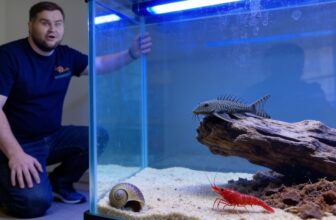
Yes, they can work, but your betta‘s personality calls the shots.
You’ll need at least **15 gallons, six to eight rasboras** minimum, and a backup tank ready since some males play nice as others turn into pint-sized tyrants.
Introduce the rasboras first, let them school up, then float the betta in a cup to test his mood—flaring means drama, calm means green light.
Match water at 76-80°F and pH 6.5-7.5, baffle that filter for gentle flow, and pack in Cryptocoryne and Java Fern so nobody stares each other down.
Watch for torn fins or cornered rasboras; that’s your 11 p.m. tank-splitting signal.
Female sororities? Trickier—20+ gallons, heavy planting, and crossed fingers.
Feed both twice daily, skip Sundays for water quality, and grab Corydoras or snails if you want free cleanup crew.
This pairing’s doable, not guaranteed, and your spare tank will earn its keep faster than you think—stick around for the full breakdown on making peace in your glass box.
At A Glance
- Male bettas generally tolerate harlequin rasboras, though individual temperament ranges from mellow to aggressive.
- Schools of six or more rasboras reduce betta harassment through improved social confidence and distraction.
- Minimum 30 gallons provides necessary territory boundaries, with 15 gallons as practical wiggle room for proper schooling.
- dense planting and floating shade break sight lines, lowering stress and aggression between both species.
- Daily monitoring for torn fins, cornering, or nonstop mirror flaring signals when backup tank separation becomes necessary.
Do Bettas and Harlequin Rasboras Actually Get Along?
If you’ve been wondering whether your flashy betta would tolerate a crew of harlequin rasboras, the short answer is usually yes—though “usually” does the heavy lifting here, and you’ll want to keep your expectations modest.
Betta temperament runs the gamut from chill landlord to tiny tyrant. You might score a mellow fellow who ignores his tankmates entirely, or you’ll end up with the fin-napping nightmare. There’s no guarantee, that’s the rub.
Rasbora schooling behavior actually helps, weirdly. Six-plus fish swimming together, they’re too busy with each other to bug your betta, and their quick movements don’t scream “threat” like some fish do.
You’ll still need backup plans—spare tank, you know, just in case your betta’s a jerk. To reduce potential disputes, ensure the tank size is at least 30 gallons to provide enough space and territory boundaries.
What About Female Betta Sororities?
Female betta sororities are a whole different beast, and since you’re already eyeing harlequin rasboras as tankmates, you’ve basically signed up for the advanced class without the textbook—congrats, I guess.
You’re managing multiple territorial females, not one grumpy roommate. Sorority hierarchy demands constant vigilance—someone’s always the bully, someone’s always sulking in the java fern. Add six harlequin rasboras, and you’ve got a soap opera with fins.
Skip this if you’re new to betta breeding knowledge. Seriously. One alpha female snaps, and your peaceful community becomes a crime scene.
Bottom line: experienced keepers only, 20 gallons minimum, backup tanks ready. To reduce aggression, ensure the tank includes gentle lighting and multiple hiding spots like driftwood or ceramic caves.
Tank Size: How Small Is Too Small?
Ten gallons. That’s your hard floor, your no‑excuses minimum for one male betta plus six harlequin rasboras. Anything smaller? You’re squeezing them into a studio apartment with three roommates, and the lease (their stress levels) will break.
Pref fifteen. Gives you wiggle room, lets your rasboras school properly, keeps your betta from claiming every inch as his personal fiefdom.
Tank dimensions matter more than you’d think, tall and narrow tanks waste that floor space rasboras need to roam, so go long and low when you can.
Space constraints hit different when you’ve got a surface‑dwelling territorial fish and mid‑water schooling fish sharing the same zip code, you need honest square footage, not creative accounting. A 55-gallon tank weighs around 460 pounds before décor and gravel, so the stand must have a load capacity that comfortably exceeds that total to prevent structural failure.
Twenty gallons minimum if you’re running a female sorority plus their rasbora entourage, anything less courts drama.
Betta and Rasbora Water Parameters Explained
Since both species share surprisingly similar demands, you’re not juggling some impossible compromise—you’re aiming for one sweet spot.
Both thrive in 76-80°F water with pH compatibility sitting pretty at 6.5-7.5, so you’re basically hosting two friends who like the same room temperature. No thermostat wars here.
Two friends who like the same room temperature—no thermostat wars here.
Watch pH fluctuation like a hawk, though—sudden swings stress everyone out, and nobody wants a fish meltdown on their hands.
- Keep temperature steady at 76-80°F (24-27°C)
- Maintain pH between 6.5-7.5 for both species
- Test water weekly to catch drift early
- Use a reliable liquid test kit, not those strip things
- Perform small, frequent water changes
Soft to moderately hard water suits both. You’ve got this.
For accuracy, choose a meter with 0.01 pH precision to detect small shifts before they cause stress.
How Much Water Flow Do They Need?
Though bettas and harlequin rasboras seem like they’d want completely different water workouts, the truth is the truth is they can absolutely share the same pool with a little compromise—think of it as a lazy river that occasionally picks up speed, nothing too extreme. You’ll need to dial in that flow just right, since bettas hate fighting currents while rasboras enjoy a gentle push now and then. Grab an adjustable hang-on-back filter, maybe twenty to forty bucks, and you’ll master those filtration adjustments without breaking a sweat. It’s like finding the sweet spot on a ceiling fan—everyone wins, nobody gets blown away. Additionally, installing a magnetic aquarium lid will help prevent bettas from jumping out when they seek calmer spots near the surface.
| What They Want | Flow Level | Your Fix |
|---|---|---|
| Betta | Low, almost still | Baffle the outflow with a sponge |
| Rasbora | Moderate, active streams | Angle the nozzle upward |
| Together | Lazy river vibes | Adjustable filter, $25-50 |
| Pro tip | Watch their fins | Tweak it weekly, you’re the boss |
Best Plants for Betta and Rasbora Tanks
Since bettas love to lounge on leaves like they’re poolside cabanas as rasboras dart through dense greenery playing hide-and-seek, your plant choices need to satisfy both personalities—think of it as furnishing a studio apartment for a catnapper and a CrossFit enthusiast at the same time. Prioritize a floating tank canopy and strategic lighting design.
- Cryptocoryne wendtii: Natural betta hammocks, low maintenance.
- Java Fern: Thick rasbora cover, nearly indestructible.
- Amazon Frogbit: Floating tank shade that cuts harsh glare.
- Anubias nana: Slow-growing perches for lazy afternoons.
- Water Sprite: Fast privacy walls, thrives anywhere.
Mix shadows and lanes, watch your community thrive. For additional background coverage, Jungle Vallisneria provides tall waving foliage that requires bright light.
How Many Rasboras Do You Really Need?
How many rasboras do you really need? You need six, minimum. That’s the magic number where rasbora coloration pops—those coppery oranges and blacks—and they start schooling like they actually enjoy each other’s company.
Fewer than six, and you’ll get stressed fish hiding behind your filter, which nobody wants.
Their breeding behavior also demands numbers; you’ll see males spar, females scatter eggs, and suddenly you’ve got a tiny soap opera. It’s oddly satisfying.
Your betta benefits too—a tight school keeps rasboras confident, not nippy. Aim for six to eight in 15+ gallons. More space, more rasboras, less drama. Simple math, really.
A dark sand or fine gravel substrate will further enhance their natural coloration and comfort.
Who Goes in First: Bettas or Rasboras?
Rasboras go in first. Always. You’re establishing a *bre choice hierarchy*—rasboras claim territory, form their school, and settle their nerves before the diva arrives.
Wait one week. Seriously, seven days minimum. Patience isn’t a virtue here, it’s survival.
Your *lighting schedule* matters too—keep it dim during introductions, nobody likes a spotlight when they’re meeting the new neighbor.
Here’s your playbook:
- Introduce 6+ rasboras first for confidence in numbers
- Quarantine the betta separately; don’t wing it
- Dim lights for 48 hours post-introduction
- Plant heavily so sight lines break, drama drops
- Watch from across the room; hovering stresses everyone
Bottom line: rasboras first, or you’re asking for fin-nipping theater.
A minimum group size 6-8 for rasboras ensures their social health and reduces stress, just as with neon tetras in the knowledge.
Is Your Betta Too Aggressive for Tank Mates?
Some bettas simply aren’t cut out for roommates, and pretending otherwise is like forcing your grumpy uncle to share his recliner—someone’s getting hurt. You need honest aggression monitoring before committing to a community tank. Poor water quality can cause swim bladder disorder in fish, so maintaining stable conditions is essential for any tank mates. Start compatibility testing early.
Watch your betta’s reaction to his own reflection—flaring nonstop? That’s a red flag. Try a mirror test for five minutes daily over a week. If he’s relentless, he’s probably not roommate material.
Even “peaceful” bettas surprise you.
Keep a backup plan ready—a spare tank, five to ten bucks at any pet store, saves lives when instincts kick in.
Reset Territories to Stop Aggression
Bettas are stubborn little landlords who memorize every inch of their domain, and when the tenant situation sours, you don’t negotiate—you redecorate.
Territory mapping means your betta has mental blueprints of every rock and leaf, so you rip those up. You pull him out for a day or two, shift the driftwood, replant the Crypts, maybe swap that hideout spot entirely. Using an adjustable HOB filter with a flow knob can help fine-tune the current to reduce stress during reintroduction.
Aggression timing matters; reintroduce him when everyone’s busy exploring, not when he’s fresh and feisty.
- Remove the betta temporarily (cup or spare tank)
- Rearrange all hardscape and plants
- Keep the lights dim during reintroduction
- Add new visual barriers
- Feed everyone simultaneously
You break the lease, not the fish.
When to Separate: Warning Signs You Can’t Ignore
When the water goes quiet—too quiet—that’s your cue to start counting casualties, and by casualties I mean torn fins, missing scales, or a rasbora that’s learned to hover near the top like it’s stuck there.
Early aggression shows up as stalking, flaring, or nipping—don’t brush it off. Temperature spikes above 82°F crank everyone’s temper, bettas especially.
You’ll separate when:
- One fish stops eating
- Fins look like shredded ribbon
- Your betta corners rasboras repeatedly
- Any injury draws blood
Trust your gut here. Peace costs one $10 tank divider, regret costs a fish. Act fast, rehome if needed—you’re not a failure, you’re responsible.
What Should You Feed Both Species Daily?
Since you’re already juggling two species with different nutritional leanings, you’ll want a feeding routine that’s simple enough to stick with but flexible enough to keep everyone thriving—think of it as meal prepping for a picky eater and an adventurous one under the same roof.
Your feeding frequency should land at twice daily, small portions each time, since nobody likes a bloated betta or cloudy water from overfeeding.
- Feed twice daily, tiny amounts they finish in two minutes
- Use high-quality betta pellets as your base (protein-rich, around 35-40%)
- Supplement with frozen brine shrimp or daphnia twice weekly
- Offer the same foods to both—rasboras love what bettas eat, bettas tolerate what rasboras eat
- Fast one day weekly; your fish won’t starve, and your filter will thank you
Nutrient balance happens automatically when you rotate protein sources and don’t overdo it. Skip the flakes if your betta sulks at them—he’s not being difficult, he’s just built for bugs.
Which Peaceful Fish Work Best as Additions?
You’ve got your feeding routine locked down, so now let’s talk about who else gets an invite to this underwater house party—because once the betta and rasboras settle in, you’ll probably want more than three fish staring back at you. Corydoras catfish make excellent community fish; they’ll vacuum your substrate while your betta judges from above. Otocinclus stay out of trouble, neon tetras add shimmer, and shrimp bring personality—if your betta’s feeling generous.
| Fish | Why They Fit |
|---|---|
| Corydoras | Peaceful bottom dwellers, eat leftovers |
| Otocinclus | Algae crew, keeps to themselves |
| Neon Tetras | Schooling flash, compatible lighting needs |
| Cherry Shrimp | Tiny cleaners, need moss hideouts |
| Snails | Zero drama, free tank janitors |
Bottom line: Pick peaceful, non-flashy swimmers. Overcrowd, and you’re hosting a soap opera.
Quarantine and Backup Setup Essentials
Before you dump anything into your main tank, you’ll need a quarantine tank—because nothing kills a vibe faster than ich spreading like gossip at a family reunion.
Smart quarantine protocols protect your whole crew, not just the new guy.
You’ll want backup filtration running too, so crashes don’t leave you scrambling like a dad at a bake sale.
- 10-gallon quarantine tank ($20-40)
- Sponge filter (gentle flow, $8-15)
- Heater matching main tank temp
- Backup filtration cycled and ready
- 2-4 week observation period
Your fish family deserves the safety net.
Frequently Asked Questions
Can Harlequin Rasboras Nip Betta Fins?
You won’t see harlequin rasboras nipping betta fins—they’re too chill for that drama.
- Peaceful schooling fish, not bullies
- Focus fin nip prevention on keeping six‑plus rasboras; a tight school keeps them busy, not bitey
- Fin niptration isn’t even in their vocabulary
Your betta’s fancy fins stay safe. Watch for *him* harassing *them* instead—that’s the real plot twist nobody warns you about.
Do Rasboras Show Betta-Like Flaring Behavior?
You won’t see your rasboras pulling that dramatic “flaring resemblance” thing bettas do—their territorial displays simply don’t work that way.
Harlequins school and shimmer instead, communicating through synchronized movement, not puffed-out gills. They’re chill neighbors, really.
Your betta might flare at *them*, certainly, but expect zero theatrical comeback. It’s like bringing a folk band to a metal concert—different energy entirely.
Bottom line: their body language reads peaceful, not confrontational, so you get community harmony without the soap opera.
Will Bettas Eat Rasbora Eggs if They Spawn?
Yes, your betta will snack on those eggs. Egg predation is basically guaranteed—bettas see tiny protein blobs, not future fish.
Spawning safety? Nonexistent without intervention.
- Separate breeding tank: $15-30 for a 10-gallon setup
- Spawning mops or dense moss: hides eggs, not foolproof
- Immediate removal of parents post-spawn: only reliable method
Your betta’s a opportunist, not a villain—just doing what bettas do. If you’re serious about rasbora fry, you’ll need dedicated breeding space. Otherwise, consider the eggs nature’s expensive fish food.
Bottom line: expect losses, plan accordingly, or don’t plan for babies at all.
How Long Until Betta Accepts New Rasboras?
Betta acclimation typically takes 3–7 days, sometimes two weeks for stubborn individuals.
Rasbora integration works best when you add them first, let them settle, then introduce your betta—reverse the order and you’re basically inviting drama to your tank party, and nobody wants that.
Watch for flaring, chasing, or fin-nipping. If your betta’s just posturing without contact, you’re winning. Full acceptance? That’s when he ignores them entirely, like a cat pretending the new dog doesn’t exist.
- Signs you’re on track: brief curiosity, then disinterest
- Red flags: sustained chasing, torn fins, hiding rasboras
- Pro move: rearrange décor during introduction—territory amnesia works wonders
Bottom line: patience beats force. Give it a week, keep water pristine, and have a backup tank ready—because even the friendliest betta sometimes wakes up choosing violence.
Should Rasboras Match Betta Color to Reduce Aggression?
You don’t need color matching for aggression mitigation—it’s a myth that’ll cost you extra at the fish store for zero benefit.
Betta aggression stems from territory and temperament, not whether your rasboras wear matching orange vests. You’ll see the same results with classic copper rasboras or wild-type color morphs.
- Save that $3-5 per fish premium for better plants instead
- Focus on group size (6+), tank space (15+ gallons), and introduction order
- A grumpy betta attacks neon tetras just as readily as lookalikes
Bottom line: buy healthy fish you enjoy watching. Your betta’s mood depends on elbow room, not coordination.
Rounding Up
So you’ve read the guide, weighed the risks, and still want to roll the dice on this aquatic odd couple? Go ahead, live dangerously. A 20-gallon tank, soft acidic water (pH 6.5-7.0), and a backup plan for when your betta decides he’s had enough of Kevin’s flashing copper flanks will run you maybe $150 in gear, plus that spare 10-gallon “sin bin” for $40 when diplomacy fails. Feed high-quality flakes ($8) and frozen bloodworms ($6), watch for nipped fins or hiding rasboras, and accept that some bettas are just antisocial jerks—no refund on fish personality. It’s science, not sorcery: compatible parameters, adequate space, and a school of six-plus rasboras usually keeps peace, but you’re gambling on temperament lottery here. Success looks stunning. Failure? Well, that’s why pet stores invented return policies, right? Buy the backup tank first, thank yourself later.