Red pest disease in goldfish strikes fast, turning fins into crimson warning signs you can’t ignore.
This contagious bacterial infection – caused by *Aeromonas* or *Pseudomonas* species – demands immediate action before it spreads through your whole tank.
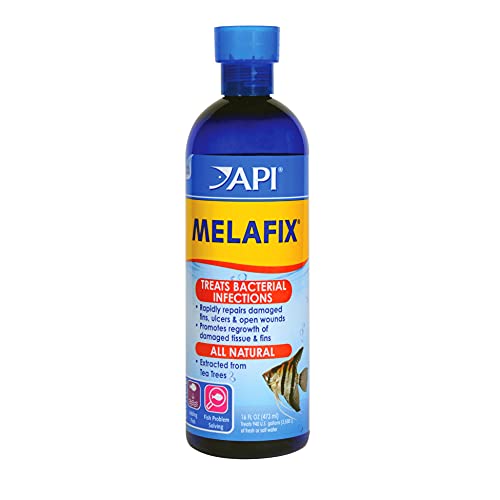
Treats bacterial infections like red pest effectively.


Reduces stress and promotes healing in sick goldfish.
Check discounted items inFish Medications
Start with the fundamentals: pristine water conditions. Lock ammonia and nitrite at 0 ppm with weekly 30% water changes, then quarantine affected fish in a dedicated 10-gallon setup.
Antibiotics? They’re your nuclear option, not your opening move. Most outbreaks trace back to ammonia spikes and neglected maintenance – fix the water, and you often fix the fish.
Stick to this water-first approach, and you’ll stop red pest in its tracks without turning your aquarium into a pharmacy.
At A Glance
- Red spots are often caused by high ammonia or nitrites bursting capillaries.
- Poor water quality is the most common trigger for Red Pest Disease.
- Immediate quarantine in a separate tank prevents rapid spread to other fish.
- Treatment requires fixing water quality first, then using vet-recommended antibiotics.
- Stress from overcrowding or temperature changes increases susceptibility in goldfish.
First Step: Quarantine a Goldfish With Red Pest
So, you’ve spotted those angry red streaks or dots on your goldfish. That’s red pest disease, a bacterial infection that spreads fast.
First step: get a quarantine tank set up – separate, clean, and cycled. This stops disease spread to your other fish, buying you time to treat without harming the main tank’s balance. A basic 10-gallon works, $15 at most pet stores, with a simple sponge filter and heater set to 70°F. No need for gravel; bare bottom makes cleaning easier. For a compact alternative, consider a Penn‑Plax Small World for temporary isolation. If you need a fully equipped kit, a 10 Gallon Fish Tank Kit with a filter and heater offers a complete ready-to-use setup.
Quarantine for at least a week, watching closely.
Bottom line: isolate now, treat later. It’s the smart, belonging move.
How to Spot Red Pest Disease Early
Before those red streaks turn into an all‑out bacterial war, you have to catch red pest disease early. Spot diagnosis hinges on noticing the subtle, early symptoms: faint red lines along the fins or body, like tiny blood vessels.
Your goldfish might hide more or rub against gravel. Look for clamped fins or loss of appetite too. These signs whisper trouble before redness explodes. For accurate detection, use a high-precision thermometer to monitor water temperature changes that can stress fish and trigger infections.
Catch it now, and you’re in control. Miss it, and bacteria throw a party you didn’t RSVP for.
A quick glance daily keeps your tank community safe. Using a programmable lighting timer can reduce fish stress by maintaining consistent day/night cycles. Stay sharp.
What Is Red Pest Disease in Goldfish?
By the time you see those faint red streaks, you’ve already spotted the early warning signs described on the last page. This is Red Pest Disease, a contagious bacterial infection that turns goldfish scales into a map of thin crimson lines, often on fins or tail. Good news: it’s treatable with quarantine, antibiotics, and clean water. Bad news: it spreads fast through tank water. Using a biological treatment with live bacteria can help restore water quality during recovery. Products like FritzZyme 7 accelerate the tank cycling process to safe levels within days.
| Key Aspect | Reality Check |
|---|---|
| Contagious transmission | High risk to tankmates; isolate immediately |
| Human safety | Zero risk – you can’t catch it |
| Treatment window | Days, not weeks; act fast |
Worried about your whole aquarium? You belong to a community that follows quick, simple steps – no scare tactics, just calm action.
The Bacterial and Environmental Causes of Red Pest
These bacteria are opportunists, always lurking. They only strike when your fish are vulnerable.
Keeping water clean and stress low is the real defense.
It’s not about the bacteria alone – it’s what lets them win.
Regular testing with highly accurate water test kits can help you maintain optimal water parameters and detect harmful ammonia, nitrite, or nitrate spikes before they weaken your fish.
For reliable readings, use a kit that stores in cool, dark conditions to preserve reagent accuracy and prevent false results.
How Poor Water Quality Triggers Red Spots
Poor water quality is the most common trigger for those alarming red spots on goldfish. High ammonia and nitrites, from a neglected tank, stress fish, causing capillaries to burst. This creates red streaks or spots on the body and fins – a clear sign of trouble. Using a conditioner like Seachem Prime can detoxify that harmful ammonia while preserving beneficial bacteria during water changes.
These damaged tissues then invite a serious bacterial infection, making red pest disease a real threat.
You want a healthy, happy fish, not a stressed one. Test your water weekly, using a reputable kit such as API Pond 5-in-1 test strips for accurate weekly monitoring. A simple liquid test kit costs around $20 and beats the heartache of a sick pet. Clean water prevents most problems before they start.
Bottom line: keep that water pristine.
Which Nutrients Strengthen Your Goldfish’s Immunity?
A goldfish with a weak immune system is like a castle with its drawbridge down – inviting trouble.
For immunity boosting, prioritize vitamin C; it’s a cheap, powerful antioxidant.
For immunity boosting, prioritize vitamin C; it’s a cheap, powerful antioxidant.
Mix in spirulina flakes ($8 a jar), which provide beta-glucans for nutritional support.
Don’t forget garlic-soaked pellets, a natural antibacterial booster.
Lack of these leads to weakness, plain and simple. Supplementing the water with pond salt can also aid recovery by improving gill function and reducing stress.
A diet rich in varied proteins, like brine shrimp, likewise helps.
Bottom line: feed a balanced, nutrient-dense menu.
Your fish will thank you, and the red spots will stay away.
Floating Goldfish Food Pellets with krill and spirulina are an excellent source of these immune-enhancing nutrients.How Stress Makes Your Goldfish More Vulnerable
Even a goldfish with the best diet and a fortress of vitamins can still fall victim if stress sneaks in the back door. It hijacks the immune system, turning a tough fish into a sitting duck for bacteria. Stress even awakens a hidden genetic predisposition for illness and triggers seasonal outbreaks when tanks get cramped or cold.
- Crowding chaos: Too many fish in a small tank spikes ammonia, stressing everyone, making red pest more likely.
- Hidden triggers: Sudden temperature drops or aggressive tankmates create chronic stress, lowering defenses fast.
- Weak link: A stressed goldfish stops eating properly, missing key nutrients, opening the door to infection.
Bottom line: control stress, or it controls your fish.
Using a stable, properly rated stand can prevent structural vibrations that add to fish stress, so choosing a steel-frame stand with a total load capacity of ≥ 1,100 lb ensures a safe, wobble-free foundation for the tank. A sturdy stand with six non-slip leveling feet also prevents wobbling on uneven floors, further reducing environmental stress.
Can Red Pest Spread to Other Fish in the Tank?
Why would a bacterial infection stay polite and only bother one fish? It won’t.
Red pest spreads through shared water, especially when a goldfish immune system is weak.
Red pest spreads through shared water, especially when a goldfish immune system is weak.
Ammonia sensitivity makes fish more vulnerable, so poor water quality turns a single case into a tank-wide problem.
The bacteria travel via contaminated water, not direct contact.
If one fish shows red streaks, others are at risk.
Quarantine the sick fish immediately.
Test ammonia levels; keep them near zero.
A strong immune system, supported by clean water, is your best defense.
Don’t wait – act fast to protect the whole tank.
Using a reef-safe epoxy putty to seal cracks in tank decor can prevent bacterial buildup and improve water quality.
Selecting a pump with a needle‑wheel impeller ensures finer bubble generation, which improves mechanical filtration and water clarity.
How to Clean the Tank and Fix Water Quality
Gravel vacuuming removes waste that spikes ammonia.
30% weekly water change dilutes toxins.
UV sterilizer and heater maintain a clean, stable environment. A 254 nm UV-C wavelength is essential for breaking down the DNA of harmful pathogens.
Good water stops the red mess short. For best results, choose a model with three‑stage filtration to ensure the mechanical and biological debris is fully captured during each cleaning session.
When and How to Use Antibiotics Safely
Antibiotics are a last resort, not a first impulse. They target the bacterial infection causing red pest disease, but misuse risks resistance. Dosage safety is critical: follow the medication label exactly, no guessing. Treatment duration must be completed fully, even if fish appear better.
| Step | Action | Caution |
|---|---|---|
| 1 | Quarantine fish first | Stops spread |
| 2 | Select appropriate antibiotic | Use vet-recommended type |
| 3 | Measure dose precisely | Overdose harms fish |
| 4 | Continue full course | Stop early, bacteria return |
| 5 | Monitor water quality | Prevents reinfection |
Completing treatment protects your tank community. You’ve got this – stick to the plan, and you’re part of the solution. Using activated carbon during treatment can neutralize the medication before it works.
Always remove activated carbon before dosing to prevent the medication from being absorbed and losing effectiveness.
Should You Treat Parasites and Bacteria Together?
Treating parasites and bacteria together is rarely the right move, and doing so without a clear diagnosis often makes things worse. You risk fueling medication resistance in both pathogens at once, a double dose of trouble. Worse, bacterial synergy – where one bug helps another thrive – can explode under clumsy treatment.
- A shotgun approach often kills beneficial bacteria, crashing your cycle.
- You’ll waste money on medications your fish doesn’t need.
- Separate treatment lets you spot which foe is winning, boosting your odds.
Stick to one culprit at a time. It’s smarter, cheaper, and saves your fish’s dignity – and yours. For goldfish recovering from illness, a targeted multivitamin like Seachem Flourish can support plant health and shrimp molting in a freshwater tank. Using a Flipper Bucket Buddy for your water change tools can help keep your workspace organized and reduce the chance of contamination.
Best Foods for Red Pest Recovery
Since a sick goldfish is basically a tiny, scaly patient that can’t tell you where it hurts, the best foods for red pest recovery focus on boosting its immune system without stressing its digestion.
A sick goldfish can’t speak, so feed it immune-boosting, easy-to-digest foods.
Immune support comes from high-quality, easily digestible proteins like brine shrimp or daphnia.
Dietary balance means adding spirulina flakes for vitamins, but avoid dry pellets that swell in the gut.
Frozen bloodworms, at about $5 a pack, offer gentle nutrition.
Skip peas or spinach for now – they’re too fibrous.
Stick to small, frequent meals.
A calm gut helps healing.
A feeder with precision portion control can ensure you deliver exactly the right amount of soft, protein-rich food without overfeeding or waste.
Bottom line: feed soft, protein-rich foods, and your goldfish will thank you by not looking like a tomato.
3 Stress-Reduction Strategies for Sick Goldfish
Why do sick goldfish look so stressed? They are – and that stress worsens red pest disease. Reducing it helps healing without extra drugs.
- Calm the tank with non medication remedies like adding broad, soft–leaved plants (Anubias, Java fern). They absorb toxins, create hiding spots, and muffle filter noise. Darkening the tank for 8–12 hours daily mimics a natural resting period, lowering cortisol (the stress hormone). Adding Java Fern provides gentle background foliage that thrives under low light without fancy equipment.
- Use environmental enrichment to distract and comfort. Place a smooth, sterilized terracotta pot or a soft silk plant gently inside. These provide quiet exploration spots, reducing frantic swimming and aggression from tankmates.
- Maintain stable water parameters – test ammonia (0 ppm), nitrites (0 ppm), and temperature (70–74°F) daily. Sudden changes shock their system; gradual adjustments build resilience. An energy‑efficient circulation pump with a low‑speed setting can maintain gentle water movement and even temperature distribution to prevent stress.
Bottom line: Less stress equals faster recovery, no medication needed.
Recap: Your Step-by-Step Red Pest Treatment Plan
Red pest disease is a bacterial infection that shows up as red streaks or spots on a goldfish, and it usually means something in the tank went wrong first.
This recap is your step-by-step plan: clean the tank, raise the temperature slowly to 70°F, quarantine the sick fish, and dose antibiotics under vet guidance.
Treat parasites if you spot tiny dots.
Boost immunity with frozen or live foods.
The red pest outlook depends on quick action – act within days.
Long term prevention means avoiding ammonia spikes, feeding a balanced diet, and keeping your fish community stress‑free.
Do this, and your goldfish gang stays healthy.
Goldfish produce a heavy bioload, so ensure your tank uses strong filtration to handle waste and prevent recurrence.
Consider using aragonitic calcium carbonate rubble in your filter or aquascape to naturally buffer water chemistry and reduce stress on your goldfish.
Frequently Asked Questions
Can Red Pest Disease Kill My Goldfish if Untreated?
Yes, it absolutely can. Untreated, red pest disease turns into a ticking time bomb for your goldfish. Early symptoms like red streaks, hiding, and clamped fins are your first big clue – ignore them, and the bacteria spreads fast.
A false diagnosis, say confusing this for ammonia burn, wastes precious time. You’ll then see lethargy, fin rot, and death within days if you don’t quarantine and treat with antibiotics.
Is Red Pest Disease Contagious to Other Aquarium Fish?
Yes, it is. Red pest disease spreads through contaminated water, not direct fish-to-fish contact. Transmission methods include shared equipment or netting.
Quarantine protocols are vital: isolate affected fish immediately in a separate tank. After all, who wants their whole aquarium looking like a crime scene? Use a dedicated net for the quarantine tank, and change water carefully. This keeps the community safe, since belonging to a healthy tank is better than a sick one.
How Long Does It Take for Antibiotics to Work on Red Pest?
Antibiotics for red pest typically show improvement within 48 to 72 hours – but antibiotic efficacy depends on catching it early.
Most treatments require a full 7 to 10 day course; stopping early invites relapse.
That itchy tank, those red streaks? They vanish gradually, like a bad joke you don’t get at first.
Stick to the schedule. Finishing the full treatment duration is non‑negotiable, friends, except you fancy a sequel.
Bottom line: don’t rush the cure.
Can I Treat Red Pest Without Removing Fish From the Tank?
Yes, treating red pest *in tank* is possible, but it’s a risky shortcut.
The fish stays in its home, but the real enemy is bacterial resistance – like a stubborn lock that refuses old keys.
You’ll dose antibiotics directly into the water, but if germs survive, they mutate faster than a plot twist in a bad B-movie.
Bottom line: in tank treatment works *if* you finish the full course, remove carbon filters, and maintain perfect water – otherwise, you’re just breeding superbugs.
What Water Temperature Is Best for Treating Red Pest Disease?
For treating red pest, aim for steady 70°F. A precise aquarium heater setting, say a 100‑watt adjustable heater ($20–$30), maintains that temperature.
Medication temperature stability is key – wild swings stress fish, delaying healing. Raise it slowly, one degree per hour, like a cautious dad easing into a cold pool.
Keep it there for the full week of antibiotics, then drop back gradually. Stable warmth, not a sauna; your fish thank you, eventually.
Rounding Up
So, you’ve got the toolbox. Now, will this actually work? Yes – if you act fast. Antibiotics like Maracyn-Two (around $15) stop the bacteria, but only after you fix that dirty water. Skip the parasite meds except if you see actual worms; guessing wastes time and money. Feed them Hikari sinking pellets ($10) – high protein rebuilds strength. Bottom line: clean tank, right drug, less stress. Red pest loses. Your goldfish wins.

Monitors ammonia and nitrite to prevent red pest.

Detoxifies ammonia and chloramines during water changes.

Boosts beneficial bacteria to stabilize tank cycling.
Browse discountedWater Quality Productson Amazon