Top 7 Causes of Goldfish Bloat and How to Avoid Them
That swollen belly on your goldfish isn’t just from one too many flakes. Bloat strikes fast in aquariums and tanks, turning your once-active swimmer into a listless floater. Most keepers panic at the upside-down floating or pinecone scales, but the real culprits hide in plain sight: overfeeding, water quality slip-ups, or sneaky infections waiting to take hold. The fix isn’t always another medication – sometimes it’s stepping back to basics. Knowing what triggers bloat saves you the heartbreak of losing a fish you’ve raised for years. Let’s unpack what’s really going on beneath the surface.

Tests ammonia, nitrite, nitrate, and pH to prevent water-quality bloat.

Quick dip-and-read strips reveal harmful water changes before bloat develops.

Continuously monitors ammonia to catch dangerous spikes that lead to bloat.
Find the bestAquarium Test Kitson Amazon
At A Glance
- Overfeeding is the most common cause, as goldfish lack stomachs and food ferments.
- Swim bladder disorder from overfeeding or fatty foods causes buoyancy issues.
- Dropsy from kidney failure shows pinecone scales and is often fatal.
- Chlorine or chloramine toxicity in tap water damages tissues, causing bloat.
- Biological cycle lag in new tanks can lead to recurring bloat issues.
Dropsy (Kidney Failure): Spot Pinecone Scales and Use Epsom Salt Baths
Goldfish bloat’s most dramatic villain is dropsy – which sounds like a pirate’s cough, but is actually kidney failure’s ugly final act. You’ll spot it by the pinecone scales, sticking out like a tiny, sad artichoke. That’s fluid buildup, not fat. Most digital thermometers offer a ±1 °C standard accuracy, ensuring reliable temperature readings during treatment.
The fix? An Epsom salt bath: one tablespoon per gallon of warm water, soak for ten minutes. It flushes toxins, easing the swelling. This isn’t a cure – dropsy’s often fatal – but it buys time. For a fish you love, it’s worth the shot.
Bottom line: catch those scales early, or you’re just watching the clock. An accurate digital floating thermometer ensures you monitor bath temperature precisely, matching lab‑grade standards to avoid further stress.
Swim Bladder Disorder: Why Your Goldfish Can’t Stay Upright
Why can’t your goldfish stay upright? That’s the mystery of swim bladder disorder, where swim bladder inflammation wreaks havoc on your fish.
This organ, basically a tiny balloon inside them, controls balance. When inflamed from overfeeding or fatty foods, your goldfish floats upside down or sinks like a stone. Choosing a low-waste diet like Floating Goldfish Food Pellets with krill and spirulina can help reduce bloat and maintain water clarity. For long-term health, always pair dietary changes with a tank size of at least 20 gallons per goldfish to prevent ammonia buildup that worsens conditions.
These buoyancy issues make eating nearly impossible, leading to starvation.
Treatment means cutting back on high‑fat flakes and switching to low‑protein pellets, often peas. Medications exist, but diet is your first fix.
You’re not alone in this fight; it’s a common struggle in our underwater community.
Parasites: How to Spot Camallanus Worms and Ich Early
Imagine this: your goldfish is lounging at the bottom of the tank like it’s paid off the filter, but there’s a hitch – it’s bloated and acting off. Camallanus worms are the sneaky culprit. You’ll spot them as tiny red threads poking from the vent, stealing nutrients and causing swelling. Then there’s Ich velvet, a parasite that dusts your fish in gold or rust powder, making them flash and scratch. Catching these early is key. Treat Camallanus worms with Levamisole; Ich velvet with copper-based meds. A quarantine tank saves stress. For broader parasite coverage, consider a product like API General Cure Powder which handles both ich and flukes. Always use a water conditioner during tank setup to neutralize chlorine and reduce stress on your fish. Spot them fast, and your goldfish stays part of the crew.
Bacterial Infections: Fin Rot and Columnaris That Cause Bloat
Your goldfish might look like it’s smuggling a grape under its scales – but it’s actually fin rot or columnaris, two bacterial infections that turn a sleek swimmer into a bloated balloon.
Bacterial transmission happens fast in dirty water, often from overcrowded tanks or contaminated decor.
These infections attack fins and gills first, then spread to the gut, causing fluid buildup.
Antibiotic resistance is a real problem here, meaning leftover meds won’t work.
Spot it early – ragged fins, white patches, lethargy.
Treat with aquarium-safe antibiotics, follow dosage exactly, and improve water quality.
You’re part of a careful community; keeping the tank clean is your best defense against bloat.
To confirm water quality regularly, use ammonia test kits for accurate monitoring and early warning.
For comprehensive monitoring of multiple water parameters, 7‑in‑1 Test Kits can provide lab-accurate results in about 30 seconds.
Genetic Disorders That Cause Goldfish Bloat (No Diet Can Fix)
In spite of the fact that a goldfish might be swimming in pristine water and dining on a premium diet, some bloating comes wired into its DNA. A genetic predisposition, born from centuries of selective breeding, means no amount of good food or clean gravel will fix it. The result is a fish that bloats, and it’s not your fault.
- Kidney Failure: A common inherited flaw; the organs fail to filter water, causing the belly to swell like a water balloon.
- Liver Damage: The liver can’t process waste, leading to fluid buildup that no diet can reverse.
- Gill Deformities: Misshapen gills trap water inside the body cavity.
- Heart Abnormalities: Weak circulation forces fluids into the belly.
Using a proper quarantine tank provides a separate environment to monitor such genetic bloating without stressing the main tank. A mesh net design promotes water circulation and prevents stagnant corners during isolation.
Why Overfeeding Is the #1 Cause of Goldfish Bloat
Though perfectly clean water and premium food can fix many problems, overfeeding remains the single most common cause of goldfish bloat – and it’s a shockingly easy trap to fall into.
You see, goldfish have no stomachs, so excess food simply ferments, bulging their bellies like a bad Thanksgiving.
Overfeeding prevention is simple: feed only what they can eat in two minutes, once daily.
True, balanced nutrition means skipping cheap, filler-loaded flakes for sinking pellets rich in protein and fiber.
Automated feeders with precision portion control can help ensure consistent, accurate servings.
Your fish will thank you – and stop looking like a tiny, grumpy balloon.
Portion control isn’t cruelty; it’s love.
These practices also help avoid the stress and higher mortality caused by overstocking in small tanks.
How Dirty Water Triggers Goldfish Bloat (and How to Fix It)
A dirty goldfish tank is a ticking time bomb for bloat. Dirty water means toxin buildup – ammonia and nitrite levels spike, stressing fish and causing fluid retention. This isn’t laziness; it’s chemistry gone wrong.
- Ammonia spikes burn gills, forcing fish to drink more, bloating their bellies.
- Nitrite poisoning suffocates cells, triggering internal swelling like a bad flu.
- pH crashes from waste rot dissolve protective slime coats.
- Foul sludge grows bacteria that infect guts.
Fix it: change 25% of water weekly. Use a gravel vacuum for leftover food. Test kit costs $15. Your tank stays fresh, your fish stays trim.
For immediate relief, Seachem Prime binds ammonia for 48 hours, detoxifying the water while the biological cycle catches up. The Tetra AquaSafe Plus formula offers instant chlorine and chloramine removal for emergency goldfish rescues.
Frequently Asked Questions
Can Fasting Help Cure a Bloated Goldfish?
Fasting can help a bloated goldfish, but the effectiveness hinges on the cause.
A fasting duration of 2-3 days allows the digestive system to clear out, often leading to quick recovery from simple overfeeding.
If bloating persists, it’s likely not a diet issue – think parasites or internal infection that need a vet.
Don’t expect fasting to fix everything, it’s just a first step.
Short fasts are safe, just avoid starving the fish for too long.
How Often Should I Feed My Goldfish to Prevent Bloat?
Studies show over 60% of goldfish bloat cases stem from overfeeding. To prevent it, feed goldfish once daily, offering only what they can consume in two minutes.
Goldfish digestion works best with small, frequent meals – so portion control methods like using a pinch of food or a feeding ring help. Stick to this routine, and you’ll avoid the bloated belly blues, joining the savvy owners who keep their fish fit.
Can Goldfish Bloat Be Contagious to Other Fish?
No, goldfish bloat itself is not contagious like a cold. The underlying *causes*, though – such as bacterial infections or parasites – can spread between fish via contaminated water or shared equipment.
That’s where quarantine protocols matter: isolate any bloated fish immediately for two weeks, checking for worms or fin rot.
Furthermore, stress factors like poor water quality or overcrowding weaken immunity, making outbreaks more likely.
Keep the tank clean, and you’re mostly in the clear.
What Is the Ideal Water Temperature for Preventing Bloat?
The ideal water temperature for preventing goldfish bloat is 68–74°F, the ideal temperature zone.
This avoids thermal shock, which stresses them and causes swelling.
Stability matters more than exact numbers.
A sudden change can trigger swim bladder issues, leading to bloating.
A good heater with a thermostat maintains this range.
Keep temps consistent; no bloat, no fuss.
Is It Safe to Use Aquarium Salt for Goldfish Bloat?
Yes, aquarium salt is safe for goldfish bloat when used correctly. It works by improving osmotic balance – helping fish regulate water and salt intake – which reduces fluid buildup.
Use a precise aquarium salt dosage of one teaspoon per gallon for a ten-minute bath, not the main tank. This gentle flush eases swelling without shocking the fish.
Think of it as a spa day, not a surgery. For best results, combine with clean water and a balanced diet.
Rounding Up
So, bloat‘s a beast with many bellies. You’ve got the dirty water, the dodgy diet, even plain bad genetics.
The fix? It’s not rocket science, just relentless routine.
Change that water weekly, feed like a miser (two pinches, not two handfuls), and quarantine new fish.
Catch the pinecone scales early? Try that Epsom salt bath – a dollar cure for a big problem.
Bottom line: clean tank, tight diet, sharp eyes. That’s your bloat-proof plan.

Treats parasitic worms and flukes that steal nutrients and cause bloating.
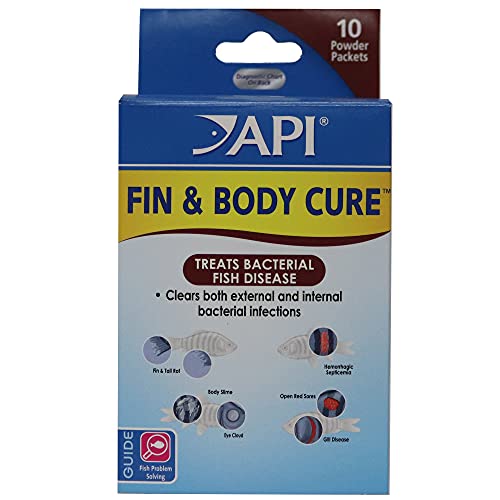
Antibiotic treatment for fin rot and bacterial infections that trigger bloat.

Eliminates ich and velvet parasites to reduce flashing, scratching, and stress.
Compare prices onAquarium Medicationstoday