Columnaris in guppies can wipe out an entire colony before you spot the first clamped fin. This aggressive bacterial infection lurks in every aquarium, striking when stress weakens your fish’s defenses.
Unlike typical fin rot, columnaris spreads fast – sometimes killing within 24 hours of visible symptoms. Your guppy may show classic cotton-wool patches, or subtler signs like faded color and rapid gill movement.

Targets columnaris and bacterial infections; safe for guppies in a hospital tank.
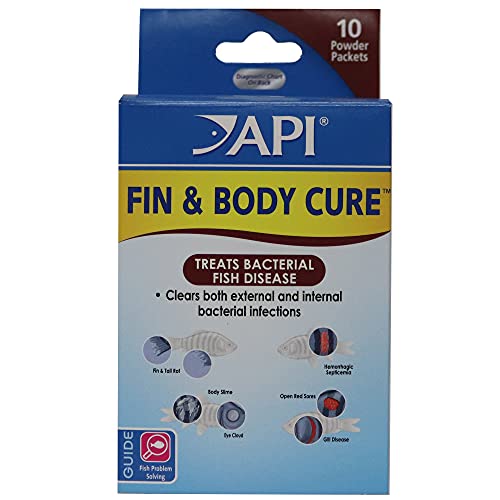
Antibacterial treatment for cotton-wool disease and fin rot; fast-acting for outbreaks.

Minocycline antibiotic fights severe bacterial infections including columnaris in guppies.
See top-ratedAquarium Medicationson Amazon
Water parameters matter more than medication here. Even pristine tanks harbor this bacterium, making prevention your strongest weapon. One overlooked spike in ammonia or an unplanned temperature swing invites disaster.
Quarantine tanks save lives, but timing separates success from total loss. Delay treatment, and columnaris becomes nearly unstoppable. Recognize the early warning signs, and you keep your colony breathing.
Ready to protect your guppies? Let’s break down exactly what this disease does, why it hits so hard, and how you stop it cold.
At A Glance
- Columnaris causes include poor water quality, stress, temperature shock, and weak immunity.
- Early symptoms are frayed fins, gray mouth sheen, and rubbing against tank items.
- Quarantine sick guppies immediately and use a hospital tank with sponge filter.
- Lower tank temperature to 72-75°F and treat with Furan-2 or Kanaplex.
- Prevention requires pristine water, low stress, balanced diet, and stable temperature.
What Is Columnaris and Why Do Guppies Get It?
In a quieter corner of your aquarium, columnaris is always lurking – the aquatic equivalent of that one relative who shows up only when you’re already having a bad day.
This bacterial infection thrives as part of your tank’s bacterial ecology, waiting for a weak moment.
Disease transmission routes include contaminated nets or water.
Poor water quality, stress from bullies, or shipping all crash a guppy’s immune system.
Once that guard drops, columnaris jumps in.
You’re not failing; it’s just opportunistic.
Keep water pristine, diet solid, and new fish quarantined – your best defense in this shared underwater home.
Removing activated carbon before dosing any treatment is essential to prevent absorption and maintain medication potency.
Using a Seachem Prime conditioner can help detoxify ammonia spikes that often accompany bacterial infections.
Common Symptoms: Cotton-Like Growths and Frayed Fins
You’re not alone – many hobbyists spot these signs too late. Watch for both frayed fins and fuzzy patches; catching them together means it’s time to act. Rapid‑action clarifiers bind particles for clearer water, but columnaris requires antibacterial treatment, not just flocculants. Routinely test ammonia levels with a reliable kit to prevent secondary infections that worsen during outbreaks.
Early Warning Signs You Shouldn’t Ignore
Why do so many guppy keepers miss the early signs of columnaris? Since they look for cotton-like growths first, not the subtle clues.
Before that white fuzz appears, watch for frayed fin edges, a slight gray sheen on the mouth, or your guppy rubbing against decor. These are the whispers before the scream.
Guppy genetics play a role – some lines resist better, but weak immune systems still falter. A strict quarantine protocol for new fish, lasting two weeks, stops the bacteria from ever reaching your main tank.
Catch it here, and treatment is simple. Ignore it, and you’re playing catch-up.
Detecting columnaris early may also mean monitoring water quality with high‑capacity test strips to rule out overall stress from poor parameters. Using kits with ISO 9001 certification ensures reliable results for ammonia and nitrate levels.
How Poor Water Quality Triggers Columnaris Outbreaks
Poor water quality is the single most common reason columnaris shows up in a guppy tank. When waste builds up, it creates poor oxygenation – guppies gasp at the surface, stressing their immune systems.
More troubling, biofilm buildup feeds columnaris bacteria, letting it multiply rapidly. This isn’t a mystery; it’s basic math. Excess fish waste plus infrequent water changes equals trouble. Using a portable, battery-powered thermometer like the QZQ Wireless model helps you quickly spot temperature swings that further stress fish.
Your API test kit ($35) should show zero ammonia and nitrite. If not, that’s your cue to act. A clean tank isn’t just nice – it’s your guppy’s best defense. Products like Seachem Purigen can simultaneously trap ammonia, nitrite, and nitrate to help maintain these critical parameters.
Why Weak or Stressed Guppies Are Most at Risk
Even with perfect water, a guppy can still catch columnaris if its immune system is already on the ropes. Stress is the real enemy here.
A bullied guppy, facing constant predator stress from tank mates, burns through its energy reserves fast. Temperature shock – a quick drop from 78°F to 72°F – sends its immune system into a tailspin. A poor diet doesn’t help either.
These weak, worn‑out fish have no defenses left. Columnaris bacteria, always lurking, move in. You see the pattern: stress breaks them down, bacteria finish the job. Feeding a diet low in immune‑boosting nutrients like omega‑3 and Vitamin C further weakens a guppy’s ability to fight off infection. Using an automatic feeder with precision portion control can help ensure consistent, stress-free feeding even during your absence.
Keep your guppies calm, fed well, and safe from bullies.
Step 1: Quarantine the Sick Guppy Immediately
Before you treat anything, you remove the sick guppy from the main tank. A proper quarantine tank setup uses a simple, bare 5-to-10-gallon aquarium with a sponge filter and heater.
This is not a luxury hotel; it is an ICU with zero stress. Employ stress reduction techniques: dim lighting, minimal disturbances, and a hiding spot like a PVC elbow. For a compact, clear hospital option, consider an Exo Terra Faunarium Large with its easy-access lid and disinfectable acrylic surface, or a mesh net breeding box that provides excellent water circulation and easy monitoring.
Columnaris spreads fast – think of it as a wet, bacterial wildfire. Isolating the fish additionally protects your other guppies from infection.
No medicating yet; first, the patient needs calm, clean water and zero competition to survive the night.
Test Water for Ammonia, Nitrite, and pH
Now, test the water. Columnaris thrives in poor conditions, so use an API Master Test Kit ($36) to check ammonia, nitrite, and pH.
Aim for zero ammonia and nitrite, and pH between 6.8-7.8. An ammonia spike stresses fish, inviting infection. A pH crash weakens immune systems fast.
Ammonia neutralizer helps if levels rise. Getting these numbers right means your guppy stands a real chance. It’s not glamorous, but neither is cotton mouth. Using a concentrated conditioner like Seachem Prime can detoxify ammonia during spikes while preserving beneficial bacteria.
Test daily, adjust as needed, and keep that water stable. For healthy biological filtration, rinse sponges in old tank water monthly rather than using tap water. Your fish will thank you – eventually. A clean tank is a happy tank.
Bottom line: test, fix, repeat.
Step 2: Lower Temperature to Slow Columnaris
Patience becomes a weapon when fighting columnaris – lowering the tank temperature slows the bacteria’s metabolism, buying time for medication to work. Gradually drop it to 72-75°F, one degree every few hours, to avoid shocking your fish. Ensure your digital thermometer uses ±1 °C accuracy to reliably track this gradual temperature shift. A glass tube analog thermometer also works without batteries, relying on colored liquid expansion for a fast and steady reading.
This cooling trick doesn’t cure them, but it buys you a precious window. It’s a tactical pause, not a victory lap. Keep the quarantine duration at a solid two weeks, and maintain water testing frequency every day. That meter reading matters now more than ever. Slow the bug, then let the medicine finish the job.
Best Medications: Furan-2 and Kanaplex
After cooling the tank to 72-75°F, the next move is picking the right chemical weapon, and Furan-2 or Kanaplex are the go‑to options here.
These are the best medications for columnaris, period.
Furan 2 Kanaplex both target the bacteria directly, but they work differently.
Furan-2 is a broad-spectrum antibiotic, great for early-stage cotton mouth.
Kanaplex, a kanamycin-based treatment, hits harder for advanced cases with gill damage or ulcers.
Both require removing carbon filters first.
Pick Furan-2 for mild outbreaks; choose Kanaplex when the fish looks rough.
Either way, you’re giving your guppy a fighting chance. For long‑term tank health, consider using beneficial bacteria supplements to restore biological balance after antibiotic treatment.
Installing a check valve in your airline can prevent back-siphoning during outages when using air-driven filters or airstones.Dose Medications Safely Without Overdosing
The medication bottle sits in your hand, and the label screams “Use exactly as directed” – for once, that warning isn’t just legal fluff. Guppy keepers, you’re part of a careful crew now. Overdosing stresses fish and wastes money. Using a digital temperature controller can help maintain stable water conditions during treatment. Submersible pumps provide consistent flow without external tubing, ensuring medication circulates evenly throughout the tank.
| Medication Dosage | Treatment Duration | Safe Practice |
|---|---|---|
| Exact bottle amount | Follow full course | Never skip days |
| Use a syringe for small tanks | Stop after label says | Watch fish behavior |
| Measure twice, dose once | Treat until symptoms fade | Confirm with water test |
Stick to the recommended medication dosage. Complete the full treatment duration, despite fish look better early. Rushing invites relapse. Your commitment shows you belong to the careful aquarist club.
Back-to-Back Treatments for Severe Cases
One or two back‑to‑back treatments might be necessary for severe columnaris, but it’s a last‑resort move that pushes fish to their limits.
This approach carries severe cases risk, as the medication stress can overwhelm an already weakened guppy.
You’re fundamentally betting the fish can handle a double dose of antibiotics like Furan-2 or Kanaplex within 48 hours.
Never exceed two days of back to back treatments; any longer invites organ damage or death.
It’s a gamble, not a routine fix.
For most, a single, careful round works better.
Bottom line: only attempt this when the fish is clearly fading fast.
Maintaining stable water temperature with a reliable heater is critical to reduce stress during treatment.
Using a model with overheating safeguard features prevents deadly temperature spikes during medication cycles.
Prevent Columnaris With Smart Tank Maintenance
How can smart tank maintenance stop columnaris before it starts? It’s about creating a stable, low-stress home. Regular filter maintenance keeps waste from building up, whereas weekly water changes (25-30%) prevent ammonia spikes. A gentle salt treatment (1 teaspoon per 5 gallons) boosts slime coat, a natural barrier. Avoid overstocking – stick to one inch of fish per gallon. For superior biological filtration, consider adding CerMedia MarinePure ceramic spheres to your filter setup. These porous ceramic spheres provide excellent biological filtration by hosting nitrifying bacteria in high-flow areas.
| Maintenance Task | Why It Matters |
|---|---|
| Filter maintenance | Removes debris, reduces bacteria load |
| Weekly water changes | Keeps ammonia and nitrite at 0 ppm |
| Salt treatment | Strengthens immune defenses |
Smart upkeep means fewer surprises. Your guppies will thank you – no cotton mouth drama.
Quarantine New Fish for Two Weeks
Smart tank maintenance can keep columnaris at bay, but it’s not a bulletproof shield. The real trick is new fish isolation. A two‑week quarantine duration gives you time to spot symptoms before introducing them to your community. Skipping this step is like inviting a stranger with a cold to dinner – polite, but risky.
Use a separate tank, even a cheap 10‑gallon ($15), with a sponge filter. Watch for cotton‑like growths or frayed fins. No signs? Great. You belong to the cautious crew that keeps guppies healthy without the panic. Patience pays off here. For the quarantine tank, consider a filter like the Marina S10 Power Filter for its quiet operation and reliable self-priming startup. A rimless ultra-clear design offers superior visibility for spotting early signs of disease during quarantine.
Feed a High-Quality Diet for Strong Immunity
Food is a guppy’s first line of defense, and high-quality nutrition turns a fragile fish into a tough little survivor. A strong diet builds resilience against columnaris before stress opens the door.
- Prioritize gut health with varied flake, pellet, and frozen foods; a happy gut means better nutrient absorption.
- Add probiotic supplements weekly – like Hikari Bio-Pure – to boost beneficial bacteria and crowd out pathogens.
- Avoid cheap fillers (e.g., wheat, soy) that bloat fish without delivering critical vitamins or minerals.
- Rotate brands monthly (e.g., Fluval Bug Bites, Omega One) to cover nutritional gaps and keep feeding interesting.
Simple rule: feed less, feed better. Your fish will thank you by not dying.
Consider using a kelp-enhanced growth formula to naturally boost leaf size and color intensity in any live plants within the tank.
For shrimp keepers needing precise hardness control, a shrimp mineral supplement can help ensure successful molting and overall colony health.
Frequently Asked Questions
Can Columnaris Be Transmitted to Humans?
No, columnaris cannot be transmitted to humans. There is zero zoonotic risk here – this bacteria is a fish-specific problem, not a people problem.
That’s a relief, right? You can handle the tank, clean equipment, or medicate sick guppies without worrying about catching anything.
Can Guppies Survive Columnaris Without Medication?
Can guppies survive columnaris without medication? Not really.
Think of it like a fire spreading in a dry forest – their own immune response, even with decent water quality, usually isn’t enough to stop it.
A stressed fish’s defenses are already weak, so the bacteria take over fast.
Without treatment, survival is a long shot.
Skip meds, and you’re basically betting on a miracle.
Bottom line: don’t gamble – medication is the safest bet for a comeback.
Is Columnaris Contagious to Other Fish Species?
Yes, columnaris is highly contagious to other fish species. It spreads through water, equipment, and direct contact, especially during cold water outbreaks or when stress triggers like poor water quality or bullying weaken immune systems.
This bacterium doesn’t discriminate – it infects any vulnerable fish. Quarantine sick fish immediately and avoid sharing nets between tanks.
Think of it like a bad cold at a family reunion: once it starts, everyone’s at risk. Prevention beats the cure, so keep that water clean.
Can Columnaris Recur After Successful Treatment?
Yes, columnaris can recur after treatment.
Even if the infection clears, a weak immune response means the guppy remains vulnerable.
If water quality slips – ammonia spikes, pH swings – the bacteria, ever present, rebounds fast.
Think of it like a cold returning when you’re run down.
To stay ahead: test water weekly, keep nitrates under 20ppm, and avoid overstocking.
Prevention is simpler than a second round of meds.
No one wants that sequel.
How Long Does It Take for Columnaris to Kill a Guppy?
An infected guppy timeline varies wildly, like a suspense movie with a bad director.
It can kill in 24 hours if the bacteria is aggressive, or drag on for several days.
Mortality rate factors include the fish’s original health and the speed of treatment.
Imagine a slow-motion stampede.
A weak immune system means a faster finish.
The disease doesn’t wait for a convenient time; it takes its shots when it can.
Bottom line: act fast, or the timeline gets very, very short.
Rounding Up
So, you’ve read all that, and now you’re thinking, “Great, my guppy looks like a moldy Q‑tip.” The verdict? Columnaris is a bacterial house party you didn’t invite, and your fish is the sad, frayed host. Treat it fast with aquarium salt ($5) and Maracyn‑Two ($12), or watch your tank become a cotton‑wool museum. Bottom line: clean water isn’t optional, it’s a bouncer. Quarantine new fish for two weeks, feed quality flakes, and stop pretending your filter can handle that extra guppy.

Measures ammonia, nitrite, and pH to catch water-quality triggers before columnaris strikes.

Quick weekly monitoring of key parameters helps prevent stress and bacterial outbreaks.

Continuous ammonia monitoring alerts you to dangerous spikes that weaken guppies.
Check discountedAquarium Test Kitson Amazon