You’ll need at least 30 gallons for one longnose hawkfish, though 40 gives them proper perch real estate and 100 lets you try pairs.
Keep temperatures at 75–80°F, salinity at 1.023–1.025, and stack live rock 8–12 inches high so they can survey their domain like tiny, judgmental landlords.

Accurate salinity readings keep your longnose hawkfish stable and stress-free.
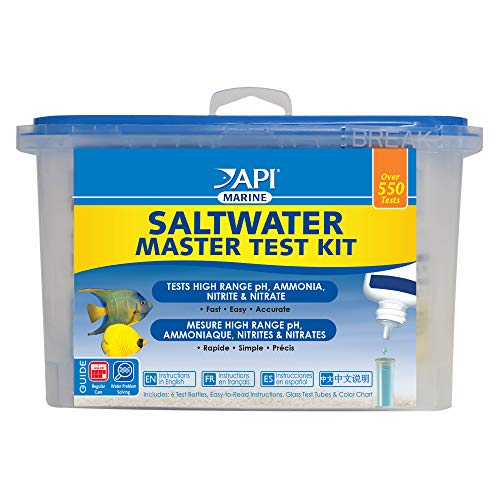
Monitors pH, alkalinity, and nitrates to keep your hawkfish thriving.
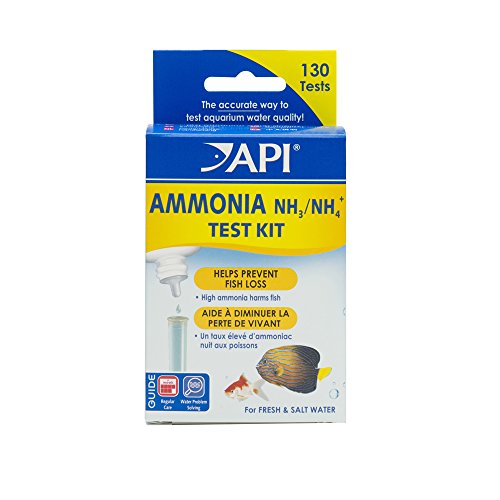
Detects ammonia early to protect your longnose hawkfish.
ShopAquarium Water Test Kitson Amazon
Feed frozen mysis twice daily, skip the shrimp tankmates unless you like expensive casualties, and drip-acclimate for 90 minutes since they lack swim bladders and despise surprises.
Now, breeding’s a whole sunset courtship ordeal with egg arcs and rotifer-fed fry tanks, but frankly, just getting them eating in dim light without stress-clamped fins is victory enough for most mortals.
There’s more to unpack if you’re still curious.
At A Glance
- House a single Longnose Hawkfish in 40+ gallons with elevated perches and caves for territorial security.
- Feed frozen mysis enriched with vitamins twice daily, avoiding live foods due to parasite risks.
- Choose tankmates carefully – anthias, clownfish, tangs, wrasses – never shrimp, crabs, or slow swimmers.
- Maintain water at 75–80°F, pH 8.1–8.4, specific gravity 1.023–1.025, with dim lighting and silent filtration.
- Quarantine newcomers 4–6 weeks, drip-acclimate 90 minutes, and monitor for clamped fins or respiratory distress.
Longnose Hawkfish Tank Size: 30, 40, or 100 Gallons?
So you’re staring at three tank sizes – 30, 40, 100 – and wondering which one’s actually going to keep your longnose hawkfish from giving you that flat, judgmental stare fish owners know all too well.
Here’s the truth: thirty gallons works, barely, if you’re committed. Forty gives your fish room to find that perfect tank perch without bumping his nose on the glass. And one hundred? That’s when you’re keeping a pair, or just want him to feel like he owns the place.
Now, lighting matters more than you’d think. These guys prefer it dim, being night-owls at heart, so don’t blast them. You’ll want that soft glow for algae control – too bright, and you’re scrubbing green fuzz every weekend.
Your hawkfish won’t care about your décor choices, but he’ll notice if there’s nowhere comfortable to park himself. Give him ledges, rocks with character, maybe a cave with attitude.
If you’re running a sump on any of these setups, consider a silent sump operation to keep his environment truly peaceful – hawkfish appreciate calm water as much as they do their hiding spots.
Remember: bigger tanks forgive more mistakes, and you’ll need that flexibility once you start juggling water changes with his carnivorous diet demands.
Water Parameters That Longnose Hawkfish Require
Since you’ve already wrestled with tank size, you’re probably hoping water chemistry will be the easy part – and honestly, it almost is.
These fish aren’t divas, but they do crave consistency. You’ll want to hit these marks:
Consistent water chemistry isn’t negotiable – these fish reward precision with presence.
- Keep temperature at 75–80°F, pH between 8.1–8.4, and alkalinity around 8–12 dKH
- Maintain specific gravity at 1.023–1.025, since salinity stability keeps stress diseases away
- Use nocturnal lighting – dim, gentle, maybe moonlight LEDs – since they’re wired for twilight hunting
And test weekly, I mean religiously. Bi-weekly water changes, especially in smaller tanks, keep nitrates from creeping up. Stable water means a bold, perching companion who actually shows himself.
For ammonia specifically, you’ll want to ensure saltwater unsafe levels stay below 0.5 ppm before coral stress sets in, making consistent testing essential in a reef environment with these active hunters.
Build the Perfect Perch and Rock Structure
Even though you’ve got your water locked down, you’re not done yet, as a hawkfish without a perch is basically a bird without a wire – technically alive, certainly, but missing the whole point. You’ll want stacked live rock, I mean proper architecture, caves below and a commanding view above.
Now, natural camouflage matters. Branching corals or macroalgae help your hawkfish disappear, because nothing says “I’m not here” like looking exactly like your surroundings. Aim for perch height around 8–12 inches up. Too low, and you’re wasting their talent; too high, and they miss the show.
You’re building them a throne, really. The rock structure should also incorporate caves and hiding spots similar to those found in quality betta tank setups, where territorial fish need defined spaces to establish their domain.
Choose Safe Tankmates for Your Hawkfish
Anthias and clownfish, the classic reef staples, tend to coexist fine as long as the hawkfish was established first.
You’ll want companions who respect that nighttime perch, who won’t crowd the colorful algae zones where your hawkfish lurks, watching.
Now, tangs and Christmas wrasse – big ones, maybe eleven inches – make solid neighbors, typically keeping to themselves.
Purple firefish work too, though I’d keep an eye on them.
Bicolor dwarf angels? Tricky, but doable.
Peaceful bottom-dwellers, really anything that won’t nip fins or steal prime real estate.
- Avoid shrimp, crabs – your hawkfish will snack.
- Skip slow swimmers; they’re stress magnets.
- Test water often, watch for hiding behavior.
When relocating established fish, use a fine-mesh net to minimize scale damage and reduce handling stress during the transfer.
Keep Multiple Longnose Hawkfish Without Fighting
Even though you’d think these perching loners would riot in close quarters, you can actually keep a pair – or even a small group – if you’re strategic about it.
You’ll want a 100-gallon tank minimum, I mean, space is non-negotiable for multiple territorials. Now, your perch design matters – create three distinct elevated stations with sight breaks between them. Aggression management hinges on introducing juveniles simultaneously, no exceptions. For smaller setups, a rimless low-iron glass tank offers excellent viewing clarity to monitor territorial behavior and spot early signs of conflict.
| Strategy | Why It Works |
|---|---|
| Add all together | Prevents established territory wars |
| Height variety | Reduces direct competition |
| 100+ gallons | Dilutes aggression through distance |
Rearrange décor if bickering starts, and you’ll keep your little community intact.
Reef Risks: Will Hawkfish Damage Corals?
Three questions you’ll ask yourself before dropping a hawkfish in your reef: will it perch on my corals, will it pick at polyps, and will I wake up to a tank full of annoyed invertebrates?
Three questions lurk before adding a hawkfish: coral perches, polyp picks, and waking to chaos?
I mean, it’s complicated. They’re perchers, not polyp-nippers, but that coral impact sneaks up on you – one heavy butt on a fragile acan, you’ve got tissue recession by Tuesday.
- Perching crushes delicate LPS, so place sturdy rocks where they’ll land
- Nocturnal feeding means you’re asleep when trouble brews
- Clams and feather dusters occasionally become midnight snacks, though rarely
Still, most reefers keep them successfully. Rebellion with limits.
A brief stint in a magnetic isolation box lets you observe a new hawkfish’s nocturnal behavior before committing it to your reef display.
Live vs. Frozen Foods: A Nutrition and Safety Guide
Where exactly does your hawkfish’s dinner come from, and does it actually matter? You bet it does, friend.
Live foods carry risk – parasites, bacteria, the whole unwelcome guest list. Frozen mysis, properly thawed? That’s your gold standard for nutrition safety, minus the drama. Your hawkfish hunts like a pro either way, seriously, but feeding efficiency tips toward the freezer section.
Here’s the deal:
- Thaw frozen food in tank water, not tap
- Enrich with vitamins when you’re feeling fancy
- Vary the menu – brine shrimp, crustacean chunks, maybe krill
You’re building trust, bite by bite.
For aquarists who also maintain planted tanks, copper-free fertilizers ensure your hawkfish’s invertebrate tank mates stay safe while supporting lush aquatic vegetation.
Teach Your Hawkfish to Eat Pellets and Flakes
The secret isn’t brute force – it’s deception and timing. You’ll need patience, since pellet transition doesn’t happen overnight. Start by mixing flakes with their usual frozen mysis, gradually increasing the ratio over two weeks. Stick to a consistent feeding schedule – twice daily, roughly 12 hours apart – so your hawkfish learns when meals arrive.
- Soak pellets in garlic guard or vitamin supplements; they’re more tempting that way
- Feed at the same spot each time, building association and trust
- Dim the lights slightly during meals; hawkfish feel safer, less exposed
And don’t worry if they spit food out initially. You’re in this together. Just as check valves prevent backflow in aquarium systems, maintaining consistent positive momentum in your feeding routine prevents regression to old habits.
Drip Acclimate New Hawkfish in 90 Minutes
Once your hawkfish is eating like a champ – pellets, flakes, the whole nine yards – you’re ready for the real test: getting it home alive.
Once your hawkfish is eating like a champ – you’re ready for the real test: getting it home alive.
Now, you’ve got options, but here’s where you join the club: drip acclimation. Skip the lazy float, I mean, you’re better than that.
Here’s your 90‑minute protocol:
- Float the bag – temperature match, 15 minutes, no drama.
- Snip a corner, airline tube, drip – three drops per second, roughly.
- Triple the bag volume, slow and steady.
Your hawkfish lacks a swim bladder, so sudden shifts wreck it. Drip acclimation’s your insurance policy. Monitor the temperature throughout with a digital thermometer featuring ±1 °C accuracy and a long probe cable to keep the display dry and readable.
Recognize Stress and Disease Early
Since your hawkfish can’t flash you a sad emoji when it’s hurting, you’ve got to learn its tells – and fast.
You’re part of a club now, one that notices fins clamped tight, rapid breathing, or your fish hiding when it should be perching bold – that’s stress signs talking. Disease indicators hit different: cloudy eyes, white patches, or that sunken belly look nobody wants.
Watch for:
- Faded color and frayed fins, the hawkfish version of a bad day
- Respiratory distress, gills pumping like it’s run a marathon
- Lethargy paired with appetite loss, the one-two punch you can’t ignore
Regularly testing your water with 7-in-1 test strips can help catch ammonia spikes and pH imbalances before they trigger these symptoms in your hawkfish.
Catch these early, and you’re already ahead.
Quarantine New Arrivals: Duration and Protocol
Quarantine for New Arrivals
But catching stress early won’t matter much if you’re introducing trouble at the door, so let’s talk quarantine – because skipping it is like letting a stranger sleep on your couch without asking if they’ve got a cold. You’re building a reef family, vetting members matters.
| Phase | Task | Timeline |
|---|---|---|
| Setup | Cycled quarantine tank, same parameters | Before arrival |
| Acclimation | Drip method, slow introduction | 1–2 hours |
| Observation | Health screening daily | Days 1–14 |
| Prophylactic dip | Preventive treatment if needed | Day 3–5 |
| Final clearance | No symptoms, eating well | 4–6 weeks total |
Quarantine timing isn’t negotiable. You wait. Health screening means watching fins, breathing, appetite. No shortcuts, no exceptions. Your hawkfish deserves a clean start.
Understanding Hawkfish Spawn and Courtship Behavior
How does a fish with no swim bladder manage a vertical dash to romance? You’ll find out when your pair starts their evening ritual, since spawning timing hits right around sunset – nature’s dimmer switch for shy breeders.
Now, watch closely. Courtship coloration shifts, subtle but real, as your male circles his chosen partner. She leads, he follows, and then – up they go.
- Look for the upward arc release at peak height
- Note how eggs scatter, suspended, drifting like slow snow
- You’ll spot the brief, almost touching moment before they separate
That’s the performance.
What to Do If Your Pair Spawns
Once your pair’s finished that sunset tango – that sharp upward arc, eggs drifting like they forgot gravity exists – you’re on the clock.
Now, spawning nutrition matters here, big time. You’ve gotta keep those parents loaded with enriched mysis, maybe some cyclops, so they’ve got reserves for round two. I mean, they’re gonna move again.
Egg-stage lighting? Keep it dim, almost rude – think twilight at a funeral. Too bright and you’re cooking prospects before they hatch.
Transfer those floating pearls to a rearing tank, gentle as you can. No sudden moves. You’re not just keeping fish now; you’re keeping hope.
Fry Care Requirements for Advanced Keepers
Fry Care for Advanced Keepers
Since you’ve made it this far – past the spawning, past the transfer, past that queasy moment where you realize you’re now responsible for hundreds of bite-sized lives – you’re gonna need a different playbook than the usual feed-and-wait routine. I mean, genetic selection already did the heavy lifting, so now you’re banking on microbial colonization, that invisible workforce that turns your expensive salt mix into actual habitat.
Set your heater to 75–80°F – call it 78°F if you’re feeling decisive, though anywhere in that fuzzy zone works – and let your alkalinity wander between 8–12 dKH, acknowledging that precision is a polite fiction when test kits disagree. Specific gravity? Park it around 1.023 to 1.025, which is basically reef standard with commitment issues.
Now, pair formation is where these fish get weird. One male, one female, and a spawning ritual that happens around sunset because apparently they watched too many nature documentaries. The male circles, she releases eggs upward into the current, they float, they hatch, and suddenly you’re running a larval rearing operation that demands rotifers, multiple daily feedings, and the kind of lighting schedule that ruins your sleep cycle.
- Dim illumination mimics their nocturnal origins – bright lights stress them, though they’ll forgive a diurnal shift if you transition slowly
- Robust water movement matters more than your Instagram-ready laminar flow; these perch-and-pounce predators need choppy neighborhoods
- Quarantine isn’t optional, even if your vendor swears their livestock is “pristine” – pathogen introduction crashes entire broods
Fry survival tanks need isolation, constant food density management, and the grace to accept that most won’t make it anyway.
Frequently Asked Questions
Do Longnose Hawkfish Need a Swim Bladder?
No, you don’t need to worry about a swim bladder with these fish. They lack one entirely – that’s just their anatomy. Instead, you’ll notice they perch on rocks, resting still, then burst forward in quick dashes when hunting. It’s weird, but it works for them.
Now, for health monitoring, watch for symptoms like listlessness or struggling to stay level. Those aren’t normal. They’re built this way, so difficulty perching means trouble, not biology.
Why Do Longnose Hawkfish Perch Instead of Swim?
You perch as you lack a swim bladder, that gas-filled organ most fish use for neutral buoyancy.
Without it, you sink – so you grip rocks and corals with your pelvic fins, waiting, watching.
This perch behavior isn’t laziness; it’s energy conservation and predator avoidance, letting you strike prey as staying invisible to threats below.
You rest where swimming fails you.
Can Longnose Hawkfish Recognize Their Owners?
Yes, they’ll know you. These fish are sharp, no pun intended – they’ve got that perch-and-watch instinct paired with real brainpower, so owner interaction builds fast.
They’ll link your face, yourshadow at the glass, to feeding preferences, maybe even wobble over hoping you’ve got mysis shrimp. I mean, it’s not dog-level devotion, but you’ll feel seen, probably around day three.
How Long Can Longnose Hawkfish Live in Captivity?
You’ll see longevity in captivity reach 5 to 7 years, maybe 10 if you’re really on top of things – water params, stress, all that jazz.
Their lifespan in aquarium settings hinges on you, honestly: stable temps, good eats, no tankmate drama.
It’s not rocket science, but it’s commitment.
Treat them right, they’ll stick around.
Slack off, you’ll find out.
Are Longnose Hawkfish Truly Nocturnal or Crepuscular?
You’ll find longnose hawkfish lean toward nocturnal behavior, though they show crepuscular activity at dawn and dusk.
They’re wired for night hunting, those big eyes scanning shadows from rocky perches.
Now, here’s the wrinkle: toss ’em food during the day, keep lights gentle, and you’ll condition them into daytime activity, mostly, anyway.
Think of it as being flexible, like a night owl who’ll do brunch if there’s coffee involved.

Staple diet your longnose hawkfish loves; thaw before feeding.

Enriches frozen foods to boost immunity and color.

Adds variety to keep your hawkfish eager at feeding time.
Check discounted items inAquarium Fish Food