Popeye disease—clinically, exophthalmos—is when fluid builds up behind your fish’s eye, pushing it outward in that unmistakable bulge.
You’re looking at injury from décor or tank-mates, ammonia spikes, pH swings, or cramped conditions stressing your fish’s system.

Tests ammonia, nitrite, nitrate, and pH so you spot triggers before eyes bulge.
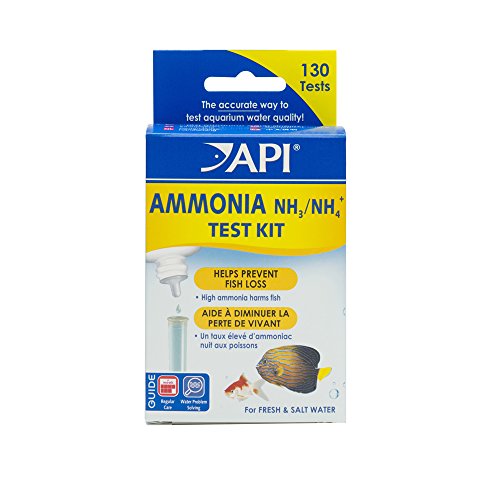
Monitors ammonia spikes closely during treatment for safer water recovery.

Catches toxic nitrite buildup that stresses fish and slows healing.
Check discounted items inAquarium Test Kits
One eye? Probably physical damage.
Both eyes? Likely bacterial infection or organ stress.
You’ll need pristine water—zero ammonia and nitrite, nitrates under 20 ppm—plus Epsom salt baths at 1–3 teaspoons per 5 gallons to draw fluid out.
Antibiotics only if the eye turns cloudy or weeps.
Prevention means softening driftwood edges, stocking by adult size not juvenile cuteness, and filter turnover around 4× hourly.
I mean, it’s mostly just good housekeeping with a water testing kit.
Now, there’s more to the story if you’ve got a minute.
At A Glance
- Popeye stems from physical injury, poor water chemistry, or bacterial infection behind the eye.
- Early signs include eye protrusion, cloudy film, hiding, and loss of appetite.
- Treatment requires pristine water, Epsom salt baths, and antibiotics only if infection appears.
- Quarantine affected fish immediately and maintain hospital tank parameters matching the main aquarium.
- Prevent through proper stocking, safe décor, regular testing, and consistent water changes.
What Is Popeye Disease and Why Do Fish Eyes Bulge?
One moment you’re admiring your tank, the next you’re squinting at a fish whose eye looks like it’s planning an escape. That’s Popeye disease, or exophthalmos if you’re feeling fancy—fluid buildup behind the eye pushes it outward, sometimes one eye, sometimes both.
Now, here’s where it gets interesting. Your tank’s gen ecology mechanisms—the whole web of bacteria, chemistry, and balance you’re barely managing—directly shape this outcome. Poor water quality, that creeping environmental impact of overfeeding and lazy changes, creates the perfect storm. You’re not just housing fish; you’re running a miniature ecosystem, and apparently, you’re letting the paperwork slide.
Beyond basic water maintenance, ensuring your fish receive bioavailable vitamins through quality supplements like those found in liquid vial formulations can strengthen their immune response against the bacterial infections that often underlie Popeye disease.
How Serious Is Popeye Disease for Your Fish?
So you’ve spotted the bulge, maybe some cloudiness setting in, and you’re wondering if this is a **”wait and see” situation or a “frantically text your fish-keeping friend at midnight” emergency. It’s midnight-text territory, friend. Popeye isn’t instantly fatal, but you’re gambling with eye health here—rupture, blindness, septicemia** if bacteria hit the bloodstream.
It’s midnight-text territory, friend—Popeye isn’t instantly fatal, but you’re gambling with eye health here. Act now.
Symptom monitoring matters. Catch it swelling, catch it early.
- Eye rupture means permanent damage, and fish don’t do well with “pirate” aesthetics
- Septicemia kills fast, so you’re racing the clock
- Secondary infections turn one problem into a tank-wide headache
Act now. Your fish depends on it.
Regular water parameter testing—ideally twice-weekly for crowded tanks or daily during treatment—helps catch the ammonia spikes and bacterial blooms that often trigger Popeye before visible symptoms appear.
Early Warning Signs Your Fish Has Popeye
When you’re staring at your tank wondering if that eye looks a little… prouder than usual, you might already have your answer. Popeye starts subtly, and you’re the one who’ll catch it first.
Look for these clues:
- One or both eyes jut out, just slightly—like someone’s pushing from behind
- Eye color changes, turning cloudy or developing a gray film
- Your fish hides more, darts less, maybe skips a meal
- That twitchy, stressed body language you recognize from rough water changes—gen stress, basically
Spot it early, and you’ve got a shot. Miss it, well, that’s another story.
A cramped 3-gallon bowl or smaller can spike ammonia fast, stressing immune systems and making Popeye more likely.
Is Popeye Caused by Injury or Poor Water Quality?
You’ve spotted the swelling, maybe caught that cloudy gleam early—nice work, really—but now you’re staring at your tank and wondering what actually did this.
- Injury — maybe a scrape from that jagged rock, or rough net handling, or your cichlid being a jerk, sets off fluid buildup behind the eye (injury plays a role in how some species heal)
- Poor water chemistry — ammonia spikes, nitrate soup, pH swings, they all stress fish internally, and Popeye becomes your tank’s warning light
- Both at once — since fishkeeping rarely picks one villain, and you’re here figuring it out together
Maintaining excellent water quality often requires proper filtration, and many aquarists find that advanced sump systems with adjustable baffle chambers and noise-reducing components help prevent the stressful conditions that can trigger Popeye in sensitive fish.
One Eye or Both: What the Swelling Pattern Means
Unilateral swelling points to physical trauma, maybe poor genal genetics making your fish prone to bumps.
Bilateral? You’re looking at systemic issues—environmental stressors like ammonia spikes, chronic nitrate poisoning, the slow-burn stuff that weakens kidneys.
Check your water, and you’ll know which enemy you’re fighting.
For tanks showing bilateral swelling, nitrate targets below 20 ppm in freshwater systems can help prevent the chronic poisoning that stresses fish kidneys over time.
Test Your Water: Check These Parameters First
Why guess at what’s making your fish’s eye bulge when the water itself will rat you out? Grab your test kit, since you’re hunting for the usual suspects—ammonia, nitrite, nitrate, pH, the whole lineup. Water stress weakens your fish’s immune system, you see, and that opens the door to trouble.
Now, here’s what you’re really after:
- Ammonia and nitrite should read zero, always, no excuses
- Nitrates below 20 ppm keeps the bacterial load from exploding
- pH stability matters more than chasing some “perfect” number
Most hobbyists get reliable results from 7‑in‑1 test strips that check multiple parameters in about 30 seconds, making weekly monitoring far less of a chore.
I mean, you’re already in this hobby, right? Test weekly, log it, know your tank like you know your own living room.
Fix Water Parameters: Changes and Filtration
Once your tests spill the bad news—and let’s be honest, they usually do—it’s time to roll up your sleeves and fix this mess, since water doesn’t right itself as you’re hoping for the best.
- Swap that water — start with a 30% change, maybe 40% if things look grim, and repeat every other day until your parameters stabilize.
- Audit your filter quality — since a garbage filter just circulates problems.
- Replace tired filter media, but never all at once; stagger it so you don’t crash your cycle.
- Adjust flow management — too strong and fish stress, too weak and waste piles.
- Deploy aeration techniques — surface agitation, air stones, whatever gets oxygen moving.
Test again in 24 hours. And yes, you’ll be doing this again.
For a 75-gallon tank, aim for a filter delivering 300-400 GPH to achieve approximately four turnovers per hour, which supports heavy bioloads and eliminates dead zones that harbor bacteria.
Quarantine Sick Fish to Protect Your Main Tank
Whether you’re dealing with a single swollen eye or both globes protruding like someone’s about to ask you to solve a riddle, you’ve got to get that fish out of the main tank before things spiral. Quarantine protocols aren’t just fancy hobbyist flex—they’re your first line of defense, and yeah, they work.
Set up your hospital tank, ideally ten gallons, maybe more if you’re feeling generous. Now, disease monitoring starts here: watch that fish like it’s the season finale you’ve been waiting for.
- Transfer gently; nets aren’t wrestling grabs
- Match temperature and pH exactly
- Check daily for changes in swelling or behavior
Choose a transparent isolation box with suction-cup mounting to keep your patient visible for observation without adding stress to an already compromised fish.
Use Epsom Salt to Reduce Eye Swelling
Epsom Salt Treatment for Popeye
So you’ve got your fish in quarantine, and that eye’s still bulging like it’s judging your life choices—now what?
You’re going to reach for Epsom salt—yeah, the same stuff your grandma swore by for sore feet.
Here’s the deal with Epsom salt dosage:
The standard Epsom salt dose runs 1–3 teaspoons per 5 gallons—dissolve it fully before your fish ever touches the water.
- Mix 1–3 teaspoons per 5 gallons of quarantine water
- Dissolve completely before your fish hits the bath
- Keep them soaking 10–15 minutes, maybe twice daily
Why it works: osmotic reduction. The salt pulls excess fluid from behind that swollen eye through the magic of concentration gradients—water moves where salt ain’t. Less pressure, less bulge, less drama.
Don’t eyeball it too hard; start low, watch closely.
When Does Popeye Need Antibiotics?
Since you’ve got that fish quarantined and you’ve maybe already tried the Epsom salt route—maybe the swelling’s down, maybe it’s not—you’re now staring at the tank wondering if this thing needs actual drugs, or if you’re just throwing medicine at a problem that wants time and clean water instead.
Here’s when you’re reaching for antibiotics: eye medication timing matters when that eye’s gone cloudy, ulcerated, or you’re seeing secondary infection signs—red streaks, ragged fins, the whole sepsia nightmare. Symptom monitoring saves you from over-medicating; if it’s just bulging and clear, hold off. But if your fish is crashing, hiding, refusing food? You’re not overreacting. You’re protecting your little underwater roommate.
- Cloudy, ulcerated, or weeping eyes scream bacterial invasion
- Lethargy plus fin rot means systemic infection’s brewing
- Three days of pristine water with zero improvement—pull the trigger
If you’re seeing fin rot alongside the Popeye, consider broad‑spectrum antibacterial treatments like Kanaplex—which contains kanamycin for weak‑eating fish—since bacterial infections often require aggressive intervention when symptoms compound.
Prevent Popeye Through Proper Stocking
You’ve got your fish through the rough patch, or maybe you’re just tired of playing medic, and now you’re wondering how to stop this from happening again. Look, proper stocking isn’t glamorous, but it’s your shield. Here’s the drill:
- Base your stock on adult size, not cute juvenile inches
- Everybody gets elbow room—territorial types need buffers
- Your filter’s rated for the volume you’ve actually got, not the tank you wish you had
Crowding spikes ammonia, stresses immune systems, and suddenly you’re explaining eye bulges to internet strangers. Stockterm selection matters. Pick compatible temperaments, avoid mixing fin-nippers with slow movers.
One inch per gallon? That rule’s garbage. Research bioload, factor in behavior, and when in doubt—subtract a fish. Your tank’s happier half-full than overcrowded and sick.
Upgrade before you’re desperate. Prevention’s cheaper than medication, and honestly? Less humiliating.
When selecting a starter kit, prioritize larger tanks which reduce stress for community fish and require less frequent water changes than cramped alternatives.
Select Safe Décor to Prevent Injuries
Preventing Injuries with Safe Décor
The battlefield of your aquarium isn’t the water column—it’s every jagged rock, every twisted root, every “natural” decoration you impulse-bought since it looked dramatic under pet-store lighting.
You’re building a community here, not an obstacle course. So inspect your décor like you’d check a playground—no sharp edges, no trap zones, no excuses.
- Sand down rough spots on driftwood and stone until they’re genuinely smooth safe décor
- Skip the “decorative” glass shards and ceramic ruins; they’re eye-level hazards for panicked fish
- Position everything so fleeing fish won’t corner themselves, since injury prevention starts with escape routes
You’ve got this.
Feed Fish Properly to Reduce Risk
Precision Feeding Guidelines
Four minutes of overfeeding can undo four days of pristine water chemistry, and your fish won’t thank you for the buffet—they’ll blame you when their eyes start bulging from the bacterial bloom you invited.
Now, here’s the deal: controlled feeding isn’t about starving anyone—it’s about precision.
- Feeding frequency: twice daily, maybe three times for small mouths
- Portion control: what they devour in two minutes, tops
- Diet variety: rotate pellets, flakes, frozen treats so they actually thrive
Remove the mess they ignore. You’re not running a soup kitchen; you’re managing a closed system where every uneaten flake rots into ammonia.
Maintain Long-Term Popeye Prevention
Standing War Against Popeye
If you’re still fighting Popeye in your tank after treating the sick fish, you’re missing the point—this isn’t a one‑time battle, it’s a standing war against dirty water and sloppy habits.
Now, you’re building a community where fish thrive, not just survive, and that means embracing stress reduction as your daily practice.
Strong genetics help, certainly, but environment wins every time.
- Test water weekly; know your numbers, own your tank’s story
- Quarantine newcomers; don’t let strangers crash your carefully tended world
- Feed mindfully, clean gently, repeat—boredom, I mean consistency, breeds excellence
Frequently Asked Questions
Can Popeye Disease Spread to Other Fish?
Popeye disease itself doesn’t spread—it’s not contagious, no immune transmission happens between your fish.
But you’re not off the hook. The real killers, poor water quality and bacterial infections that often tag along? Those absolutely spread.
Is Popeye Disease Contagious Between Fish Species?
Popeye disease isn’t contagious between fish species, though you’re right to wonder.
I mean, think about it: bacterial causes spread through water, certainly, but the disease itself—exophthalmia from injury or poor conditions—doesn’t jump tanks via viral transmission genetics or anything exotic.
Diagnostic imaging might show fluid buildup, but that’s for one unlucky fish.
Now, keep water clean, and you’re protecting friends across species without much drama.
Can Fish Recover Full Eyesight After Popeye Treatment?
You want honest odds, so here’s the deal: eye recovery varies, vision prognosis depends on damage depth.
- Early treatment? You’ll likely see full recovery, clear eye, working sight.
- Cloudy cornea or rupture? Sorry, no—scarring blocks light, partial or total blindness follows.
- One eye lost? Your fish adapts, hunts, lives well enough.
- Both gone? That’s rough, you’ll need hand-feeding, rearranged tank life.
How Long Does Popeye Treatment Typically Take?
Your treatment duration spans one to two weeks for mild cases, though the recovery timeline stretches longer if you’re dealing with bilateral swelling or secondary infections.
You’ll notice reduced protrusion within days, but cloudiness can linger.
Stick with it: water changes, Epsom salt, maybe antibiotics if it’s bacterial.
And hey, fish heal slow, so don’t panic if progress isn’t instant. Patience wins here.
Should I Euthanize a Fish With Ruptured Eyes?
You shouldn’t rush to euthanize. Ruptured eyes aren’t automatically fatal, and fish adapt surprisingly well—one blind eye, or even two, and you’ll still see them finding food, piloting familiar tanks.
Now, eye surgery options exist but they’re specialist territory, pricey, and honestly? Rarely worth the stress.
Legal considerations around home euthanasia vary by region, so check local guidelines.
If your fish eats, swims, shows spunk, give them a chance. Quality of life, not perfection, matters here.
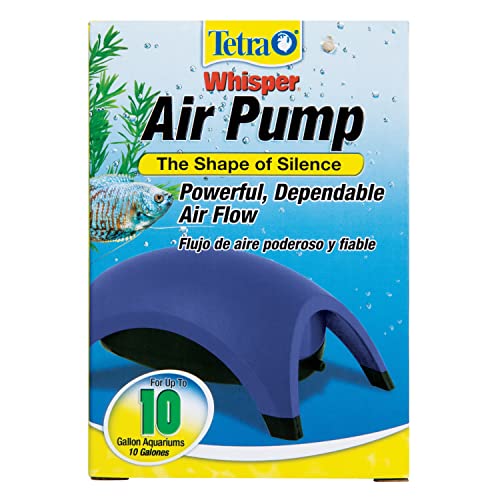
Adds steady oxygen to reduce stress and support recovery during treatment.

Produces fine bubbles for gentle water movement and better gas exchange.
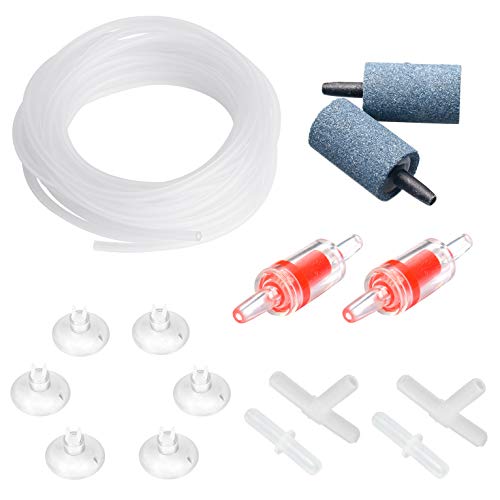
Delivers air reliably and prevents backflow, keeping tank oxygen steady.
Browse discountedAquarium Air Pumpson Amazon