A goldfish turning white can send any aquarist into panic mode, but the cause is often fixable with quick detective work. Start by testing ammonia, nitrite, and pH—spikes here are the usual culprits. A $15–25 master test kit beats guesswork every time.
Low dissolved oxygen (below 5 mg/L) leaves fish gasping with translucent, washed-out skin. A silent piezoelectric air pump restores levels overnight without the buzz.
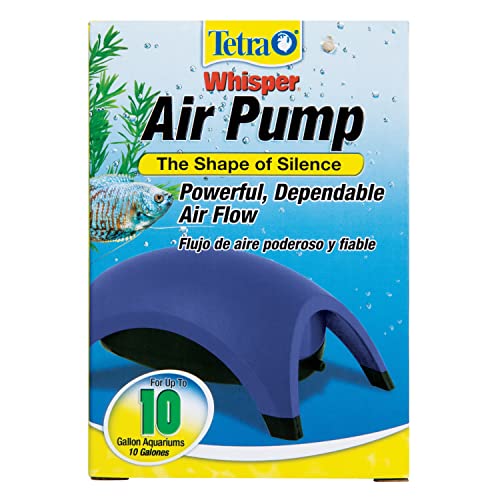
Quietly restores oxygen levels and helps bring back your goldfish's color.
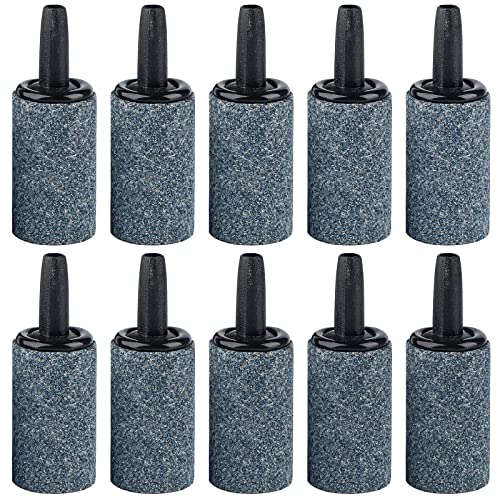
Creates fine bubbles for efficient oxygen exchange and a healthier tank.
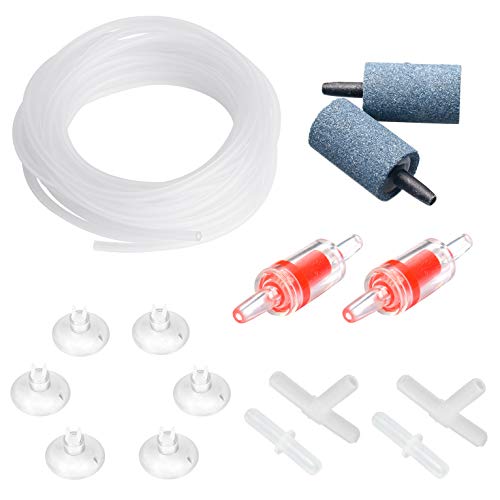
Prevents backflow and keeps oxygen flowing steadily to your tank.
See today's best deals onAquarium Air Pumps & Accessories
Insufficient lighting bleaches pigments over time; an 8–10 hour photoperiod from a $20 Nicrew timer LED brings color back. Diet matters too—spirulina and astaxanthin are non-negotiable for vibrant goldfish.
Medication overdoses, sharp decor injuries, even simple aging can drain that signature orange. Each trigger tells its own story. Which one is haunting your tank?
At A Glance
- Poor water quality from ammonia or nitrite causes stress and color fading.
- Insufficient light or photoperiod below 8 hours directly leads to whitening.
- Diseases like ich, columnaris, or fungal infections cause white patches or film.
- Poor diet lacking spirulina or astaxanthin washes out natural pigments.
- Medication overdose strips color; stop treatment and perform a 50% water change.
Is Your Goldfish Turning White? Start With Water Quality
When a goldfish turns white, poor water quality is the most common suspect. High ammonia or nitrite, both ideally at 0 ppm, stress fish until color fades. Proper storage of test kits in cool, dark conditions preserves their accuracy by up to 30%.
White eyes often signal cloudy eye infection, not just parameter issues. White eggs mean infertility, not environmental failure—transparent eggs are the fertile ones.
Test kits cost $15–25; a master kit saves headaches. Keep temps stable between 68–74°F and pH near neutral. Sudden swings cause pale panic.
Fix water first—it’s the cheapest, likeliest fix. If color returns, great. If not, move to diet or lighting. Use a 9‑in‑1 Test Kit to rule out ammonia, nitrite, nitrate, and carbonate imbalances before changing other variables. Start here.
Do White Spots Mean Illness? Diseases That Cause Whitening
White spots aren’t just a fashion choice gone wrong. They’re often a distress signal from your fish, indicating illness.
Ich symptoms include tiny salt‑like grains, flashing, and clamped fins; it’s highly contagious. Columnaris causes cottony white patches on the mouth or body, often from poor water quality. Both need fast action. Maintaining excellent water quality with live nitrifying bacteria can prevent the stress that makes fish susceptible to these infections.
- Ich: White dots, rapid breathing, rubbing against tank decor. Treat with heat (86°F for 3 days) or medication.
- Columnaris: Fuzzy white growth, especially near gills. Caused by bacteria; treat with aquarium salt or antibiotics.
- Fungal infection: Fluffy white patches, often after injury. Use antifungal meds.
- Costia: Grayish-white film, lethargy. Rare but treatable with formalin.
If you see white spots, don’t panic—just observe and treat quickly. API General Cure Powder is a pre-measured packet that handles parasites like ich and flukes with a 48-hour dosing interval. Your goldfish is counting on you.
When Injury Causes Scale Loss and Whitening
Even if your goldfish hasn’t caught a disease, a sudden white patch can still mean trouble—often from a physical injury. Scale loss from tank mates or sharp decorations exposes raw skin, which turns white as it heals. That patch isn’t color fading; it’s a wound signaling infection risk. Using a fine nylon mesh net minimizes further damage during handling and transfer. For tanks with glass up to 0.4 inches thick, AQQA Magnetic Glass Cleaner prevents injuries from sharp scrapers during routine cleaning.
| Injury Source | What It Looks Like |
|---|---|
| Aggressive tankmate | Torn scales, reddened area |
| Sharp decoration | Clean scrape, white patch |
| Net handling | Abraded scales, fuzzy edge |
| Jumping out | Bruised side, whitened spot |
Focus on injury recovery and tank safety by removing hazards. Add API Stress Coat ($8) to help slime coat repair. Clean water speeds healing. Your fish is counting on you.
Is Low Oxygen Making Your Goldfish Turn White?
Injury isn’t the only thing that turns a goldfish pale. Low oxygen levels cause skin to look translucent, signaling trouble. When oxygen deficiency hits, your fish struggles with respiratory distress—gasping at the surface, gills moving too fast or too slow. This isn’t just stress; it’s a silent crisis you can fix. A piezoelectric air pump provides silent, vibration-free aeration ideal for small tanks. Weekly brushing of your air stone maintains pore openness and prevents silent crises.
- Check the water surface for ripples—stagnant water means poor oxygen.
- Make certain your filter creates flow, like a $30 sponge filter, to aerate.
- Use an air stone and pump, costing around $20, for deeper circulation.
- Test dissolved oxygen if you’re unsure—levels below 5 mg/L risk paleness.
Fix the air, and color often returns.
How Insufficient Light Causes Color Fading
Just as your goldfish isn’t gasping for air doesn’t mean it isn’t sending you a signal. Insufficient light, specifically a lack of the UV spectrum, directly causes color fading.
Goldfish need consistent photoperiod cycles—think 8–10 hours daily—to maintain lively pigments. Without it, their skin cells stop producing color, turning them pale or white. For nano tanks, a model like the NICREW Clip‑On Aquarium Light provides multiple ramping options to simulate natural dawn and dusk cycles.
A simple LED aquarium light, like the $20 Nicrew timer model, mimics natural daylight. Set it on a timer for stable cycles.
Your fish wants to belong in a bright, predictable world. Give it that, and you’ll see its true colors return. Models like the Pawfly 11 W offer respectable PAR for low-demand plants, helping maintain vibrant fish colors in a planted setup.
Can a Poor Diet Cause Goldfish Turning White?
Since a goldfish’s color comes directly from its diet, feeding it the wrong food is like painting a house with watered-down paint—it just won’t stick.
These fish need a balanced mix of proteins and veggies. Skimp on that, and their vivid oranges fade to pale white.
Here’s what happens with a poor diet:
- Missing nutrients – Without proper vitamins, pigments literally wash out.
- Lack of diet variety – Feeding only flakes is like you eating only crackers; colors dull fast.
- No color additives – Many quality foods include natural pigments like spirulina or astaxanthin.
- Stunted growth – A malnourished goldfish stops growing *and* loses color.
Bottom line: feed a varied, high‑quality diet. Your fish will thank you, and stay golden.
Choosing a food like the Tetra Goldfish Variety Pellets with ProCare probiotics supports gut health and helps maintain vibrant colors.
For added nutritional support, using a copper‑free gel fertilizer in a planted tank can boost plant health without harming invertebrates.
Did Medication Make Your Goldfish Pale?
Overdosing on medication is a quick way to make a goldfish look like a ghost. You measure wrong, and that fish goes pale fast. Dosage effects are brutal: too much strips color, kind of like a bad bleach job. Medication recovery is possible, though. Stop the meds, do a big water change—50% at least—and let the tank settle. Color often returns within a week if no permanent damage set in. Always double-check those labels; a half-dose beats a ghost-fish any day. As an alternative, a product like Seachem Prime can be used to detoxify residual ammonia from the water change, supporting the biological cycle’s recovery. For emergency goldfish rescues, a product like Tetra AquaSafe Plus offers instant action to neutralize chlorine and chloramine in the new water. Stick to the directions, and your goldfish stays golden.
Is Your Goldfish Just Getting Old?
A goldfish’s aging process can be as subtle as a slow fade, not a sudden ghosting. Over a couple of years, its color gradually whitens—a natural, unhurried shift common in designer breeds. This is not a crisis; it’s just the circle of life, everyone.
- Genetics largely dictate if a fish loses color with Age; some are simply born to go pale.
- Poor Lighting accelerates fading, but age-related whiteness happens regardless.
- A balanced Diet won’t reverse it, though it supports overall health.
- The rate of change—slow and steady—distinguishes aging from illness.
If your goldfish is old and otherwise healthy, accept the dignified fade. No drama needed. To support your goldfish during this natural shift, you can use an aquarium timer that simulates sunrise/sunset cycles to reduce stress. Using a light riser can also help reduce stress by providing even illumination that prevents dim corners and supports a stable environment for your aging fish.
Is Color Change From Genetics Permanent?
| Cause | Sign | Permanence |
|---|---|---|
| Genetics | Gradual whitening over months | Permanent |
| Age | Slow fading over years | Permanent |
| Poor diet | Sudden paleness | Reversible |
A poor diet causing sudden paleness can be reversed by switching to high-quality food like Tetra Goldfish Flakes enriched with Vitamin C. Using a supplement containing L-Ascorbyl-2-Polyphosphate ensures stable vitamin delivery even in moist feeds.
Frequently Asked Questions
Can a Goldfish Regain Its Color After Turning White?
Yes, but it’s a maybe—not a guarantee. If the whitening stems from bad water, poor diet, or low oxygen, fixing those can reverse the color. Genetic causes or pigment loss from old age? That’s permanent, like a bad dye job.
For recovery, check ammonia and nitrite (both should be 0ppm). Improve lighting and feed quality food. No dramatic changes; patience is key.
Bottom line: treat the cause, not the symptom, and hope for the best.
How Long Does It Take for a Goldfish to Turn White?
Like a houseplant slowly losing its green after weeks in a dim corner, a goldfish’s color fade rarely happens overnight. Typically, it takes weeks to months, depending on the cause.
Genetic pigment loss is often gradual, showing over a year or two as the fish matures.
Nutritional deficiency causes can accelerate the process, turning a fish white within a few weeks if diet is poor.
Sudden whitening? That signals illness or stress, demanding quick action.
Do White Goldfish Eggs Ever Hatch?
No. White goldfish eggs never hatch. Egg development requires fertility, and white means the eggs are dead or unfertilized.
Transparent eggs with a visible embryo are fertile and will hatch. White eggs, by contrast, are infertile and will simply rot.
This happens naturally during spawning attempts. If you see white eggs, remove them immediately to prevent fungus from spreading to healthy ones.
It’s disappointing, indeed, but it’s just nature’s way of saying “better luck next time.”
Why Is My Goldfish’s Head Turning White but Not Its Body?
If it’s genetics, the head just lacks pigment—no fix needed, it’s like a bad hair day that never ends.
But ammonia burn? That’s from toxic water (test kits cost $10–$15). High ammonia levels scorch the head’s delicate skin first.
Check your filter and do a 25% water change. If ammonia spikes, use a conditioner like Seachem Prime ($8).
Bottom line? Rule out ammonia first—your fish will thank you, and you’ll feel like a hero.
Can a Goldfish Recover From a Cloudy Eye Infection?
A cloudy eye infection is one of those things you can’t just whistle past the graveyard with. Recovery depends entirely on how deep the eyeball trauma goes and what infection stages it has reached.
If caught early, clean water and a little salt often fix it. But once the eye is physically scarred, that cloudiness sticks around.
Honest? There’s no proven cure. Prevention beats treatment every time.
Keep the tank stable, and you likely never see this.
Rounding Up
So, there you have it—a whole aquarium’s worth of reasons your goldfish might be ghosting you. Don’t throw in the towel just yet. The fix is usually simple: check your water parameters (like ammonia and pH levels, test kits run $10–20), swap out a third of the tank weekly, and toss in some color-enhancing pellets (about $8 a bag). Rule out illness first, then light and diet. Bottom line: stable water solves nine out of ten pale-fish problems. Sort that, and your little buddy should get its mojo back.

Complete ammonia, nitrite, and pH testing to catch the most common cause of fading.

Dip-and-read strips monitor five key water parameters in seconds.

Simple strips track pH, nitrite, nitrate, and hardness for routine checks.
Check discounted items inAquarium Water Test Kits