A small blue fish swims in a cup at the pet store. Many people think this fish lives only a year or two. Proper care can double that time. The secrets are simple but exact. Water temperature matters down to the degree. Tank size changes everything. Most owners learn too late. You will want to know the numbers before you buy.
At A Glance
- Optimal lifespan reaches 3–4 years with proper care versus average 2–3 years.
- Minimum 5‑gallon tank with filter and heater prevents stress‑induced shortening.
- Stable 78–80 °F water with zero ammonia/nitrite sustains metabolic health.
- Twice‑daily feeding of quality pellets prevents obesity and organ failure.
- Weekly water testing and changes protect gills from toxic parameter spikes.
How Long Do Betta Fish Live in Home Aquariums?
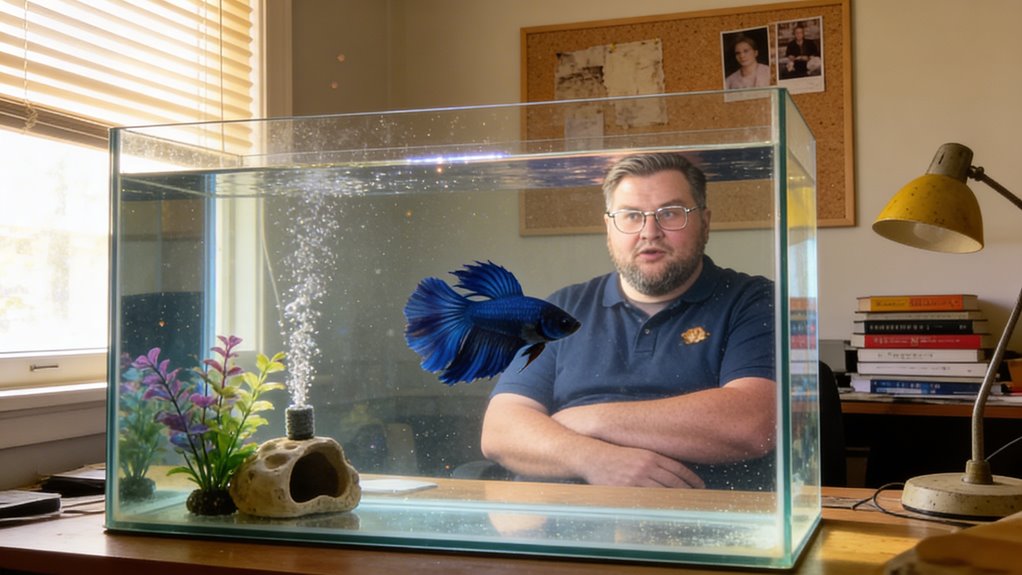
A betta fish glides through still water, its fins trailing like silk ribbons, and someone watching might wonder how many years this small life contains.
The answer, for those who keep these fish in tanks at home, sits near three years on average.
Care matters deeply here.
The care we give determines the time we get.
A betta’s lifespan stretches longer when its diet tank lifespan receives proper attention, meaning both the food given and the home provided work together like two hands cupping water. Diet diversity—offering pellets, frozen brine shrimp, and occasional bloodworms—keeps the fish strong, just as eating different foods keeps children growing.
The tank itself must hold enough gallons for the fish to turn around easily, rest near the surface, and feel safe. Poor space creates stress, and stress steals days, then months, then entire years.
Most store-bought bettas arrive already six months old, sometimes a year.
A patient keeper, giving clean water and varied meals, may witness four years of ribbon-finned swimming.
How to Spot a Healthy Betta Before You Buy
Pick up the small cup, the one holding a flash of blue or red, and look close before money changes hands.
Check the fish’s body for smooth scales without spots or fuzz, like examining a marble for cracks.
Look at the eyes—they should sit flat, not bulge outward like tiny balloons.
Good breeders use careful breeding selection, pairing only strong parents.
Ask the seller about geny feeding, which means giving baby fish the right tiny foods so they grow sturdy.
A healthy juvenile, six months old with bright fins, will stay with you longer.
Choose wisely, and you belong to the circle of keepers who see three years together.
Tank Size Mistakes That Steal Years From Your Betta
Where does a betta fish truly live—in the water we give, or in the space we deny?
A tiny bowl suffocates. A filter tank circulates clean water, letting gills breathe easy. Proper lighting day and night mimics home rivers, whereas steady tank temperature—78 to 80 degrees Fahrenheit—keeps metabolism humming. Small spaces mean stress, and stress steals years.
- A filter tank removes waste bettas cannot escape
- Gentle lighting provides rhythm, twelve hours on, twelve off
- Stable tank temperature prevents the shock of sudden cold
- Five gallons minimum offers territory to claim, rest to find
Space is not luxury. It is the belonging every living thing requires.
Water Parameters That Make or Break Betta Health
Water, not walls, holds the true shape of a betta’s life.
Temperature swings above 82°F or below 76°F slow digestion until organs struggle, so a reliable heater matters.
Nutrient balance means ammonia stays at zero, nitrites too, while nitrates rest below 20 ppm—test weekly with liquid kits, not strips that lie.
pH fluctuations wider than 0.4 in a day burn gills like acid; aim for stable 6.5 to 7.5, changed gradually when needed.
Clean water invites trust, the same way a steady hand reassures a child learning to swim.
Betta-Safe Tank Mates (And Fish to Avoid)
A single mirror held too close breeds fury, yet set at a gentle distance it merely stirs curiosity. Betta temperament follows this same law of proximity, where space shapes conflict or calm.
Compatible tank plants create natural sight barriers, letting fish share territory without confrontation, while algae control keeps shared waters clean enough for fragile fins to heal. Peaceful communities demand thoughtful selection.
- Snails move slowly, never threatening territory
- Small tetras, in groups of six or more, draw attention away from bettas
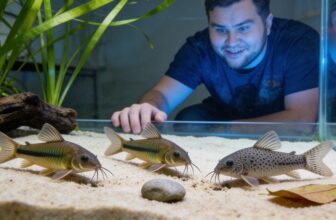
- Corydoras catfish stay below, minding their business
- Shrimp, if small and numerous, become scenery not rivals
Avoid fin‑nippers, flashy fish, and any creature that mirrors the betta’s own bright aggression.
Daily Care Habits That Maximize Betta Lifespan
Morning light drifts through the tank glass, and with it comes the first care.
Feeding happens twice daily, small pinches the fish can finish in two minutes. This dietutrient timing prevents overfeeding, which fouls water and shortens life. The morning portion, given after lights rise, mimics dawn hunting. The evening portion, two hours before darkness, lets digestion complete before rest.
Lighting cycles matter *similarly*. Eight hours of bright tank light, followed by sixteen hours of dimness, copies the betta’s natural home. A simple outlet timer handles this, costing less than a cup of coffee.
Consistency builds trust between keeper and fish.
Sick Betta Warning Signs to Act On Immediately
Several signs of illness hide in plain sight, waiting for the watchful eye to notice them before trouble grows too large.
Those who share their days with these fish learn the quiet language of fins and color. When a betta falls silent, the body speaks instead.
Watch for these warnings, the ones that ask for help:
- Gentle fin edges turning rough or frayed
- Soft discoloration spreading across bright scales
- End fin drooping, no longer fanned in greeting
- Heavy lethargy, stillness at the water’s surface
Act quickly. The window closes fast, but care returns what was fading.
Why Most Wild Bettas Die Younger Than Yours Should
Stubbornness keeps a wild betta alive just long enough to breed, and little longer.
A rice paddy holds little mercy.
Water shifts with monsoons, turning foul in days.
A gen predator—perhaps a heron, perhaps a dragonfly nymph—strikes without warning.
Habitat competition forces males into endless battles, tearing fins, draining strength.
No one changes the water.
No one removes the wounded.
A wild betta feels constant fear, a low hum of alarm that ages its small body fast.
Your fish, given clean water and solitude, escapes this grind.
The difference is not luck.
It is care, offered steadily, like a hand held out.
Frequently Asked Questions
Do Female Bettas Live Longer Than Males?
Female bettas often show greater genitat longevity than males, living closer to three years with proper care. Their stress resilience stems from less territorial aggression, reducing injuries and chronic anxiety. Males, purchased older and fighting more, typically survive about two years from acquisition. This difference matters to caretakers seeking lasting companionship with these vivid creatures.
Can Betta Fish Recognize Their Owners?
Fish can learn faces, and bettas prove this well. Owner recognition develops through daily feeding rituals, where the betta associates a specific shape with safety and food. Their eyes notice color patterns on hands and clothing, storing these details in a small but working memory. This recognition creates gentle connection, the fish showing calm when familiar signals appear, sparking quiet satisfaction in being known by something other than human hands.
Does Tank Lighting Affect Betta Lifespan?
Tank lighting directly shapes a betta’s lifespan, much as sunlight steadies a growing plant.
Excessive lighting intensity stresses the fish, suppressing immune function and accelerating aging. Too little disrupts sleep cycles, breeding lethargy.
Proper lighting stabilizes water chemistry by fueling beneficial plants that absorb harmful waste. These plants, like helpful neighbors, keep the shared home clean.
Balanced light—eight to ten hours daily—supports natural rhythms, reducing anxiety and extending life. A dim, restful corner remains crucial for nighttime retreat.
Gentle observation: stressed fish hide like children avoiding bright, noisy rooms.
Is It Safe to Feed Bettas Live Insects?
Live insect safety for bettas depends on source and type.
Safe insects come from pet stores or home cultures, never from outdoors where pesticides hide.
Feeding frequency stays limited: one or two small insects weekly, replacing—not adding to—regular pellets. Overfeeding causes bloating, a painful, balloon-like swelling.
Gut-loading insects with fish food twenty-four hours beforehand boosts nutrition. Think of it as packing a lunchbox before sending a child to school.
Remove uneaten portions within ten minutes.
How Much Sleep Do Betta Fish Need Daily?
Betta fish need darkness for 12–14 hours each night, a sleep schedule matching their tropical origins.
Their daily rest happens near the tank bottom, where they nestle into soft plants or hiding spots.
Without adequate darkness, bettas grow pale and lethargic, their colors fading like wilting petals.
A simple timer on the aquarium light protects their rhythm, offering the security every creature needs to thrive.
Rounding Up
A clean five-gallon tank, steady warmth, and careful feeding stretch a betta’s days from months into years. Small choices, checked each morning, build a life longer than most owners expect. The fish cannot ask for help, so quiet attention becomes its voice. Patience rewards both creature and keeper. Start today, stay steady, watch closely.