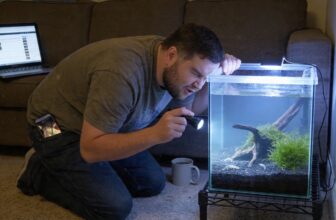
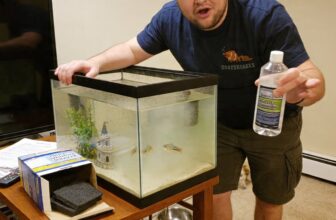
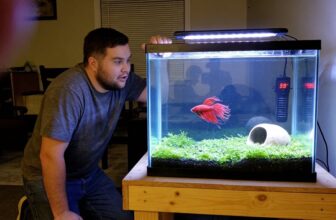
A pom pom crab isn’t hard to keep—you just can’t skip the stuff it needs for survival, and I’ve definitely learned that the hard way.
They’re tiny, topping out at one inch, and act like a little cleanup crew for algae and leftover food, but you need a tight-fitting lid (anything bigger than a quarter-inch gap is an escape route).
Stick them in a five-gallon tank with a gentle sponge filter, low lighting, and water between 68 and 78°F.
Use small gravel or coarse sand, add java moss and anubias for cover, and feed sinking shrimp pellets every other day plus blanched zucchini weekly.
Avoid aggressive tank mates like bettas or cichlids—these guys are peaceful bottom-scavengers, not brawlers.
Weekly 25% water changes and a secure lid are your only real chores.
Curious about which plants they love most?
Keep going.
At A Glance
- Pom Pom Crabs thrive in 5‑gallon tanks with a secure, escape‑proof lid.
- Use a sponge filter with gentle flow to avoid stressing the crab.
- Feed sinking shrimp pellets every other day and blanched vegetables weekly.
- Maintain pH 6.5‑7.5, temperature 68‑78°F, and zero ammonia/nitrite.
- Provide live plants like Java moss and driftwood for hiding and foraging.
Why a Pom Pom Crab Belongs in Your Freshwater Aquarium
If you’re looking for a tiny tank inhabitant that pulls its own weight, the pom pom crab earns its keep.
It’s a peaceful, 1‑inch powerhouse that cleans up algae and leftover food without bothering your fish or shrimp.
You get a living filter, a conversation starter, and a low‑maintenance buddy—all in one fuzzy package.
They’re hardy, too, thriving in temps from 68‑78°F and pH around neutral.
No need for fancy gear; just a 5‑gallon tank with live plants and a secure lid.
Bottom line: it’s a no‑fuss addition that makes you look like a savvy aquarist without the stress.
Weekly water changes of about 25% are essential for maintaining their stable water quality.
Pom Pom Crab Origins: Where They Come From
You’ve already heard why a pom pom crab is an easy win for your tank. Their origins? A bit mysterious, like a good fishing story.
But here’s what we know:
- They’re freshwater, not saltwater—a common mix-up.
- Found in tropical spots across Asia and Africa.
- Specific haunts include Madagascar and Taiwan.
- They prowl rivers and streams, not the ocean.
- They thrive best in dim lighting and a calm, well-planted environment similar to other tropical freshwater species.
How Big Do Pom Pom Crabs Actually Get?
Since you’re eyeing those tiny claws with pom‑poms, the big question is how big they actually get. Spoiler: not very.
You’re looking at a max of about 1 inch (2.5 cm)—carapace included. Rare individuals might reach 1.5 inches (3.8 cm), but that’s the exception, not the rule.
That pint‑size means they’ll never outgrow a 5‑gallon tank. Perfect for nano setups where every inch counts.
You won’t need to upgrade later, so you can plan your scape with confidence. Bottom line: they stay small, stay charming, and stay right at home in your little world.
For their small aquariums, 40 PPI fine sponge captures debris without harming delicate creatures.
How to Spot a Pom Pom Crab: Color and Claws
Look closely, and you’ll spot the crab—not by its subtle coloring, but by those ridiculous pom‑pom claws. You’re really looking for those wacky tufts, not fancy paint jobs. They’re your ticket into the club.
- Base color: Light brown with gray, black, and white splotches—think mottled camouflage, not neon.
- Claw tufts: Tiny hair‑like structures that trap food particles, making them look like mini cheerleaders.
- Legs: About equal length to its carapace; they’re slender and fast.
- Size: Max 1 inch (2.5 cm)—so you’ll need patience, not a magnifying glass.
Bottom line: Spot the pom‑poms first, then the subtle hues. You’re officially in the know.
Given their tiny size and jumping potential, a cut-to-size aquarium cover helps prevent escapes during maintenance.
Is a 5‑Gallon Tank Enough for a Pom Pom Crab?
Surely, a 5‑gallon tank meets the absolute minimum for a single Pom Pom crab, but don’t expect it to be a sprawling crab condo.
You’re giving them a studio apartment, not a mansion. That’s fine for one little guy—he’s only an inch big—but you’ve got zero room for tank mates.
No shrimp, no snails, just him and his pom‑poms. Think of it like a tiny, solo bachelor pad. It works, but you can’t add guests.
For a single crab, it’s enough. For a community, you’ll need a 10‑gallon. Stick with one crab, and you’re golden.
However, you must ensure the tank uses gentle flow filtration to avoid overwhelming your small crab.
Setting Up the Perfect Tank for Your Pom Pom Crab
You’ve sized your tank—now let’s turn that glass box into a crab’s personal spa. First, you’ll need a secure lid; these guys are Houdini-level escape artists. I’ve lost one to a quarter-inch gap—learn from my mistake.
- Temperature: Keep it steady between 68‑78°F; a 50‑watt heater works for a 5‑gallon.
- Filtration: Use a sponge filter—gentle flow keeps their pom-poms intact, and it’s cheap ($10‑$15).
- Lighting: Low‑light LED, 6‑8 hours daily; no fancy rigs needed.
- Hiding spots: Add driftwood or PVC pipes; they’re shy and need cover.
Bottom line: prioritize escape-proofing and gentle water movement.
For easy maintenance, a 55 gallon aquarium stand can provide sturdy support and built-in power outlets for your heater and filter.
Best Substrate and Plants for Your Pom Pom Crab
Since these little guys spend most of their time foraging on the bottom, your substrate choice matters more than you’d think.
Skip soft sand—it packs tight, trapping food. Use small gravel or river rock; it lets debris fall through for easy cleanup. Coarse sand works too, just rinse it first.
> Skip soft sand—it traps waste. Use gravel or river rock for easy cleanup. Coarse sand works, rinsed first.
Now, plants aren’t optional. They’re your crab’s buffet and hiding spot. Java moss and marimo balls are perfect—they trap edible bits in their hairs. Add anubias or java fern; they’re tough and low-light. No CO2 needed. Root tabs? Save them for the plants, not the crab.
Bottom line: go with pea gravel, then anchor some moss. Your crab’ll feel right at home.
For extra hiding spots, floating plants like Water Spangles create natural shade and reduce algae.
What Do Pom Pom Crabs Eat in an Aquarium?
Since your pom pom crab is an omnivore, it’ll eat just about anything that doesn’t eat it first. In your tank, it’s basically a tiny, living vacuum cleaner with fuzzy fists.
- Algae and biofilm – your crab constantly grazes on these natural growths, keeping glass and decor cleaner than you ever will.
- Detritus – leftover fish food, decaying plant bits, and general tank crud become a five-star meal for it.
- Blanched vegetables – offer zucchini, spinach, or cucumber slices once a week; they’ll vanish within hours.
- Sinking pellets – any high-quality shrimp or crab pellet works fine; drop one per crab every other day.
A porous air stone producing fine bubbles will improve oxygenation for your crab’s grazing areas. That’s the buffet. Your crab won’t judge you for your cooking—it’s already pleased.
How to Feed Your Pom Pom Crab a Balanced Diet
Why overthink it? You’re feeding a 1‑inch crab that eats algae, detritus, and pellets.
Toss in sinking shrimp pellets (about $5 for 4 oz) every other day—just one or two. Add blanched zucchini or spinach once a week. For an even easier option, you can use Aqueon Shrimp Pellets which sink quickly and efficiently target bottom‑feeders while reducing waste. Marimo moss? That’s their buffet. It traps tiny food bits, so they forage naturally.
Keep it simple: variety without waste. They’re scavengers, not gourmets.
Miss a day? No sweat—they’ll scavenge leftover plant matter.
Stick to this routine, and you’ll have a happy, healthy pom pom. You’ve got this.
Safe Tank Mates for a Peaceful Pom Pom Crab
Since pom pom crabs are basically the introverts of the aquarium world—peaceful, non‑aggressive, and easily spooked—you’ll want tank mates that won’t stress them out or steal their snacks.
Since pom pom crabs are shy and peaceful, avoid tank mates that stress them or steal their food.
Your best bet is calm, top‑dwelling species that mind their own business.
- Small, gentle fish like neon tetras or celestial pearl danios—they stay in the open water, letting your crab forage in peace.
- Dwarf shrimp (cherry or amano) are ideal; they’re too busy grazing to bother your pom pom.
- Snails like nerites or mysteries—slow, harmless, and they help clean leftover food.
- Other pom pom crabs if you have a 10‑gallon tank, but provide plenty of hiding spots.
Stick with these, and your little crab will feel like part of the crew.
For a peaceful setup, you might also consider a 2‑gallon glass tank as a safe, dedicated home for a single pom pom crab.
Tank Mates to Avoid for Pom Pom Crabs
Not every fish is crab‑friendly. You’ll want to steer clear of any aggressive, fast‑moving species that sees your tiny 1‑inch buddy as a snack. That means no cichlids, no larger gouramis, and definitely no bettas—they’ll bully or eat him.
avoid territorial bottom‑dwellers like dwarf crawfish or predatory invertebrates. They’ll stress your crab, and stress leads to hiding, not thriving. Stick with peaceful top‑dwellers or calm bottom‑feeders.
Large plecos should also be avoided due to territorial aggression when space is inadequate.
- No cichlids, gouramis, or bettas
- No territorial crawfish or predatory inverts
Keep it chill, keep your crab safe, and you’re part of the smart‑tank club.
Why a Tight Lid Is Non‑Negotiable
Your lid isn’t optional—it’s the single most important piece of gear in your tank. Without it, your pom pom crab becomes a master escape artist, usually found dried out behind the stand. Trust me, I’ve been there. A snug, mesh or glass lid keeps them where they belong. Using a quality lid system helps avoid the need for a drop‑checker monitor to catch pressure spikes from humidity.
- Fits like a glove – measure your tank’s rim; gaps bigger than a quarter inch are escape routes
- Mesh over glass – glass cuts humidity but blocks light; use mesh for better airflow
- Clips or weights – light lids get pushed up; secure them with tank clips or a book
- Check daily – condensation or a displaced crab means trouble; fix it fast
Bottom line: a dollar store lid fails; invest in a proper one. Your crab stays safe, and you stay sane.
Ideal Water Parameters for Pom Pom Crabs
While pom pom crabs aren’t goldfish—they don’t need a chemistry degree to keep alive—you still can’t just dump them in tap water and call it a day.
Aim for a pH between 6.5 and 7.5—neutral works beautifully.
Keep the temperature steady between 68°F and 78°F; that’s 20°C to 25°C for the metric‑minded.
Use a simple liquid test kit, not strips—they’re unreliable.
Ammonia and nitrite must read zero, nitrates below 20 ppm.
A small sponge filter works fine.
You’re providing stability, not perfection, and your crabs will thank you by waving those pom‑poms.
Invest in a reliable device like a digital pH meter for precise pH monitoring.
Pom Pom Crab Care Mistakes to Avoid
Since you’ve already got the temperature and pH dialed in, let’s talk about the mistakes that’ll turn your pom pom crab’s life into a slow‑motion disaster. You’re part of the club now, so skip these blunders:
- Skipping the lid – they’re escape artists. A secure lid isn’t optional; it’s a requirement.
- Overfeeding meat – indeed, they’ll eat it, but too much fouls the water. Stick to algae wafers mostly.
- Ignoring plants – no moss means no foraging. Live plants are their buffet and safety net.
- Adding aggressive tank mates – peaceful crabs turn into stressed snacks. Stick to gentle fish.
Be sure to mount your heater near the filter outflow for even heat distribution and to avoid direct contact with décor that could crack the glass.
Bottom line: avoid these, and your crab won’t plan a great escape.
Frequently Asked Questions
Do Pom Pom Crabs Molt and How Often?
Yes, you’ll watch your pom pom crab molt, shedding its exoskeleton to grow.
They do it every few weeks as juveniles, slowing to every month or two as adults—no set schedule, just when they’re ready.
Don’t freak if you see a ghost crab; it’s normal.
Leave the molt in the tank; they’ll eat it for calcium.
A secure lid’s a must, since molting leaves them vulnerable and escape‑prone.
Top tip: stable water keeps molting stress low.
Can Pom Pom Crabs Live With Dwarf Shrimp?
Yes, you can mix pom pom crabs with dwarf shrimp—generally it works.
Your crabs are peaceful opportunists, not dedicated hunters. They’ll ignore adult shrimp but might snatch a tiny baby shrimp if it wanders too close, so don’t expect perfect cohabitation.
Provide plenty of moss (like marimo) for hiding spots—your shrimp will thank you, and your crab won’t miss a meal.
Bottom line: it’s a low-risk match for seasoned aquarists, but shrimp fry might vanish.
How Long Do Pom Pom Crabs Typically Live?
You’ll typically get 2–3 years out of a pom pom crab, sometimes a bit less if your setup’s off.
They’re not marathon runners—more like reliable little comedians with claws.
Keep water between 68–78°F, pH 6.5–7.5, and avoid temperature swings; they hate surprises.
A steady diet of algae wafers, blanched veggies, and the occasional meat treat helps, but don’t overfeed.
Lose the drama, keep the tank stable, and you’ve got a solid two-year buddy.
Do Pom Pom Crabs Need Land Area in the Tank?
No, you don’t need a land area. Pom pom crabs are fully aquatic—they’ll drown if you force them onto dry land. They’re not like those semi-terrestrial crabs you see at beach shops.
Stick with a secure, water-filled setup, like a 5-gallon tank with live moss and hiding spots. Their pom-pom claws filter food from the water, not the air. So skip the beach vibe; your crab’s a pure swimmer, not a sunbather.
How Can You Tell Male From Female Pom Pom Crabs?
You can’t easily tell male from female pom pom crabs—they lack obvious external differences. No flashy fins or claws here. Except you spot eggs under a female’s abdomen or witness mating behavior, you’re pretty much guessing. Even experts struggle. It’s like trying to sex a zeppelin; you just don’t know until something obvious happens.
Don’t stress over it; focus on tank setup and peaceful mates instead. That’s your best bet.
Rounding Up
You want the real verdict? Get a Pom Pom crab. Seriously. This little one-inch goober packs serious utility into a tiny, fuzzy package.
- Why it works: It’s a living filter that saves you elbow grease.
- The catch: You need a tight lid (they’re Houdinis) and peaceful tankmates—nix any nippy fish.
- Cost: Expect to pay $10–$20, a steal for zero-drama algae control.
Look, I’ve kept weirder, less helpful pets. This crab cleans your water, doesn’t eat your plants, and looks like it’s perpetually cheering. Bottom line: grab a 5-gallon, add moss, and let this chaotic little janitor do its thing. You won’t regret it.