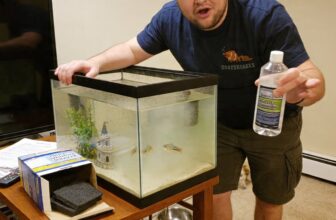
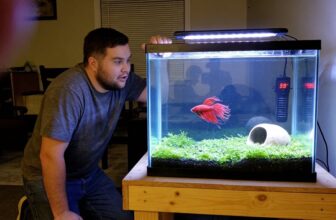
Grab smooth, pH‑neutral gravel in the 3–8 mm range and call it a day.
Carib Sea Peace River (~$15) gives you that natural river‑bed look with rounded pebbles that won’t shred fins, as Spectrastone Shallow Creek (~$10) delivers the same safety on a budget.

Smooth rounded pebbles create a natural river-bed look without shredding delicate betta fins.

Budget-friendly, pH-neutral gravel that safely anchors plants and supports beneficial bacteria.
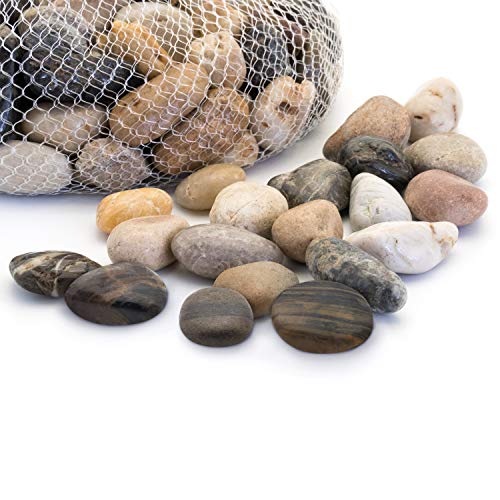
Earthy tones make betta colors pop while porous surfaces host the bacteria that clean your tank.
Check discounted items inAquarium Gravel
Both host beneficial bacteria—that’s the invisible crew breaking down ammonia—and anchor plants without turning your tank into a chemistry experiment.
Skip sand as you enjoy stirring away hydrogen sulfide bubbles, and avoid anything under 3 mm as you want a choking hazard.
Rinse twice before setup, clean half weekly, and you’ll spend more time watching your fish than testing water.
The specifics on depth, cleaning tricks, and when to swap it out are waiting below.
At A Glance
- Choose smooth, rounded gravel (3–5 mm) to prevent fin tears and mouth injuries.
- Select pH‑neutral substrates like Carib Sea Peace River or Spectrastone Shallow Creek gravel.
- Avoid sand due to compaction risks and hydrogen sulfide pocket formation.
- Pick earthy or dark colors to highlight betta hues and reduce visible debris.
- Clean half the gravel weekly, alternating zones to preserve beneficial bacteria colonies.
Why Gravel Matters for Your Betta’s Health
Although you might treat gravel like the tank’s throw rug, it’s actually the multitasking foundation keeping your betta alive and your water chemistry stable.
You’ll find the right substrate texture protects those delicate fins—smooth, rounded pebbles prevent cuts that rough, jagged stuff causes. (Nobody wants a betta with a gravel rash.)
Meanwhile, bacterial colonization happens in those tiny spaces between stones. Beneficial bacteria break down waste, keeping ammonia in check. Think of it as your tank’s microscopic cleanup crew—working 24/7 so you don’t have to.
Think of gravel as your tank’s microscopic cleanup crew—working 24/7 so you don’t have to.
A key step is proper rinsing (at least twice) to prevent cloudy tank syndrome after setup.
Why it matters:
- Anchors plants and décor
- Supports nitrogen cycle
- Creates natural foraging zones
- Maintains stable pH
Bottom line: Skip the bare-bottom look. Your betta needs this foundation, and frankly, so does your sanity at water-change time.
Betta Gravel vs. Sand: Which Should You Choose?
Whereas gravel’s been the safe bet for most betta keepers, sand’s been creeping into the conversation like that one friend who swears they “don’t do drama”—and honestly, both have their moments.
Gravel wins if you’re watching your wallet and want zero hassle with substrate chemistry. Sand looks sleek, certainly, but you’ll fight compaction and hydrogen sulfide pockets like you’re diffusing a tiny ticking time bomb.
Gravel anchors plants better, won’t blow around during water changes, and plays nice with most filters. Sand demands gentler handling, costs more upfront, and requires stirring to stay healthy.
For budget aesthetics and straightforward maintenance, gravel’s your teammate. Many artificial plants use heavy resin weighted bases that anchor easily in gravel without floating.
What Size Gravel Won’t Harm Your Betta?
If you’re staring at a wall of gravel bags wondering whether your betta will try to swallow the stuff, you’re asking the right question—because size absolutely matters here, and not in the way those overpriced “betta-specific” substrates want you to think.
Gravel grain size directly impacts how safely your fish navigates its home. You’ll want pebbles measuring roughly 3–8 millimeters, roughly the size of a standard pencil eraser or slightly smaller. Substrate texture needs consideration too—smooth, rounded pieces let your betta rest comfortably while preventing mouth-related mishaps during feeding. Anything smaller risks accidental ingestion; anything larger creates awkward gaps where food disappears and waste accumulates. For quick and safe tank maintenance, consider a Laifoo Siphon Vacuum with its detachable filter screen to protect your fish during cleanup.
| Gravel Grain Size | Best Use Case |
|---|---|
| Under 3mm | Skip it—choking hazard, plus it clouds water |
| 3–5mm | Solid choice for most 5-10 gallon setups |
| 5–8mm | Ideal for planted tanks, hides root tabs well |
| Over 10mm | Too chunky, betta’s food falls into crevices |
| Mixed sizes | Just don’t, you’ll hate vacuuming it later |
Stick with uniform 4–6mm smooth gravel and you’ll sleep better.
How Rounded Edges Protect Delicate Betta Fins
Size isn’t the whole story, though—you’ve got the right pebbles picked out, but run your thumb across them and you’ll feel what your betta’s fins encounter every single day.
Rough gravel texture shreds delicate membranes like tissue paper. Rounded edges erase that risk entirely, giving you fin safety without second-guessing every swim.
Rough gravel shreds betta fins like tissue paper; smooth, rounded edges eliminate the risk entirely.
Your betta drifts through planted tanks, brushes the bottom during rest—that smooth surface prevents tears, infections, and the heartbreak of watching ragged fins heal. Think river-worn stones, not broken glass.
Check before buying: jagged equals vet bills, polished means peace of mind.
Bottom line: smooth gravel protects your fish, period.
Even when using a clear mesh net cover to prevent jumping, the smooth substrate below ensures your betta’s fins stay protected from any accidental scrapes against the bottom.
Why pH-Neutral Gravel Keeps Water Stable
Since your betta’s world is smaller than your shoebox, every chemical shift hits harder—pH-neutral gravel keeps that water chemistry locked steady, no drama, no surprises.
You want pH control that works when you sleep, not chemistry lessons at midnight. Acidic or alkaline substrates swing your parameters like a pendulum, stressing your fish and wrecking your water stability. pH-neutral gravel—including Carib Sea Peace River and Spectrastone Shallow Creek—sits at 7.0, right where bettas thrive.
- No calcium carbonate leaching, no sulfuric surprises
- Beneficial bacteria colonize better in stable conditions
- Less monitoring, more Netflix
Skip the “natural” limestone if you enjoy emergency water changes. Many aquarium buffers, like those non‑phosphate formulas, prevent algae blooms while stabilizing pH. Your fish, and your sanity, thank you.
How Much Gravel Do You Actually Need?
Stick with 1.5 pounds per gallon, and you’ll nail your budget selection without breaking the bank. This substrate isn’t just decorative; it’s bacteria real estate. For betta tanks, a sponge filter is gentle on the gravel and helps maintain the beneficial bacteria. Don’t go overboard, you’re landscaping, not quarrying. Less is more, except when it isn’t.
Best Overall: Royal Imports River Pebbles
If you’re after gravel that actually earns its keep, Royal Imports River Pebbles are the ones to beat.
- Budget substrate that doesn’t scream “cheap”—usually under $15 for 5 pounds, though bigger tanks need multiple bags (yes, even your “modest” 10-gallon, we see you).
- Nutrient cycling gets a solid foundation here; the pebbles’ porous surface hosts beneficial bacteria that break down waste, keeping ammonia in check—think of them as tiny janitors you don’t have to tip.
- Aesthetic contrast works beautifully, those earth-toned stones make your betta’s colors absolutely pop, especially against dark or iridescent fins.
Smooth, rounded edges protect delicate fins—no impromptu fish surgery required.
You’ll need to boil them first, which honestly feels like making tea for rocks, but it’s worth it.
Bottom line: reliable, handsome, and your betta won’t file complaints.
Using a feeding ring reduces surface clutter below 8% and keeps floating pellets contained for less waste.
Best Pre-Washed: GloFish Aquarium Gravel
Not everyone wants to boil rocks on a Sunday afternoon, and that’s where GloFish Aquarium Gravel steps in.
- Pre washed color means you skip the hassle, dump and go
- Substrate cheapness keeps your wallet happy—usually under $15 for 5 pounds
- Neon pinks and electric greens aren’t subtle, but hey, neither are you
You want instant tank glow without elbow grease. This delivers. Safe particle size protects your betta from swallowing bits. Artificial dyes won’t poison anything—they just look like a nightclub.
Bottom line: grab this if boiling gravel sounds like your personal hell.
Consider pairing with a clip-on LED light like the Pawfly Bluetooth model for vibrant color displays.
Best Natural Look: Carib Sea Peace River Gravel
During neon gravel has its fans, some people just want their tank to look like an actual riverbed instead of a rave. You’ll find your people here.
Carib Sea Peace River Gravel nails those natural aesthetics you’re craving. It’s pH-neutral, so your water chemistry stays drama-free, and the smooth, earthy pebbles mirror your betta’s wild home. Your substrate ecology thrives too—beneficial bacteria love settling into this stuff, keeping ammonia in check while anchoring your java ferns and anubias. Since this gravel sits on a foam mat, the uniform support prevents pressure points that could stress your aquarium seals.
What you actually get:
- Zero pH swings that’d stress your fish (and you)
- Fine texture plants can actually grab onto, roots and all
- A surface your betta can rest on without looking ridiculous
Small particles mean you’ll vacuum carefully, or you’ll accidentally suck half your bed up. Dad joke: it’s the only time you’ll want riverbed head in your life.
Bottom line: Buy this if you want your tank to look like nature, not a nightclub.
Best Value: Spectrastone Shallow Creek Gravel
Since your wallet deserves a break without your betta paying the price, Spectrastone Shallow Creek Gravel delivers solid performance at a price that won’t make you wince. You get pH-neutral substrate that won’t mess with your water chemistry, non-toxic coating, and a 5-pound bag sized right for most betta setups. Budget aesthetics? Check. Substrate cost that leaves cash for plants? Absolutely.
| Feature | Spec | Why It Matters |
|---|---|---|
| Bag size | 5 lb | Covers 3-4 gallons comfortably |
| Particle size | Small-medium | Safe for betta mouths, easy on fins |
| Coating | Non-toxic | No chemical nasties leaching in |
| Color | Natural earth | Lighter than photos, good contrast |
| Price | Around $10 | You’ll still afford dinner |
The color runs lighter than marketed, which actually helps dark bettas pop. You won’t mistake it for high-end aquascaping gravel, and that’s fine. It vacuums easily, plants grip adequately, and your fish won’t care about your thriftiness. For first-timers building community tanks on a shoestring, this belongs in your cart. For bettas with sensitive barbels, the coarse pea-gravel FANTIAN offers a similar budget-friendly option but with a 1–2 mm grain size that promotes strong root anchoring.
What Betta Gravel Colors Work Best?
You’ve got the budget pick locked in, so now you’re staring at color swatches like you’re repainting a kitchen. Here’s the straight talk: budget color trends lean toward earthy, natural tones, not neon disco floors.
- Natural browns and tans—these mimic your betta’s wild habitat, making *them* the star.
- Dark slate or black—creates dramatic contrast, like a stage spotlight for colorful fins.
- Soft white or cream—clean, bright, but shows debris faster (vacuum more, regret less).
Substrate texture impact matters more than hue—rough gravel tears fins, smooth pebbles keep your fish gliding happy. Pick what feels like *your* tank, not a Pinterest board.
How Deep Should Your Gravel Bed Be?
How deep should you go? You want a gravel depth of about 1.5 inches, maybe 2 if you’re growing plants—think of it as a cozy blanket for roots, not a swimming pool.
Your substrate height matters more than you’d guess. Too shallow, and you lose that natural look plus stable bacteria colonies. Too deep, well, you’re just hoarding gravel, and your wallet notices.
Hit that sweet spot: 1–2 inches, period. You’ll get healthy plants, happy fish, and you won’t overthink it.
That’s the depth that works, so stick with it.
How to Clean Gravel Without Stressing Your Fish
Why does gravel cleaning feel like you’re defusing a bomb whilst your fish watch? You’ve mastered substrate cycling, but now you’re wielding a gravel vac like it’s a weapon. Deep breath. Your betta needs you calm.
- Go slow, friend. Hover that siphon just above debris—don’t plunge it like you’re drilling for oil.
- Clean half your gravel weekly, alternating zones. This preserves beneficial bacteria and keeps algae‑control microbes happy.
- Dim the lights first. Your betta won’t panic, and you’ll spot waste easier.
Skip scrubbing every speck. Some “dirt” feeds your ecosystem. You’re maintaining a habitat, not performing surgery.
When to Replace Your Betta Gravel
Although your gravel might look fine sitting there all innocent, you’ll need to swap it out eventually—just not as often as you’d think.
Gravel lifespan stretches years with decent care. You’re not on the hook monthly here. Replacement timing hits when plant roots choke the substrate, colors fade ugly, or vacuuming feels like archaeology. Beneficial bacteria cling tight, so don’t panic‑flush your ecosystem. Test water if parameters drift—gravel’s rarely the culprit.
Gravel lasts years—replace only when roots choke it, colors fade, or cleaning turns into an excavation.
Signs you’re due:
- Roots exploding everywhere you look
- Cracks, rough edges risking fin tears
- That “meh” aesthetic you can’t unsee
Bottom line: Clean beats replaced, until biology or boredom says otherwise.
How to Set Up Fresh Gravel in Your Tank
Whether you’re rescuing your betta from a gravel disaster or just finally admitting that neon pink substrate was a mistake, setting up fresh gravel doesn’t have to feel like moving day for a fish.
You’re part of a community that gets it—substrate lighting can only hide so many sins.
Here’s your game plan:
- Rinse your new gravel thoroughly, until water runs clear—cloudy tanks betray beginners.
- Check water flow after installation; too much pressure stirs debris, too little stagnates.
- Position substrate lighting to highlight natural tones, not expose every speck of fish waste.
Bottom line: clean gravel, balanced flow, soft lighting—you’ll nail this.
Frequently Asked Questions
Can Betta Fish Live Without Any Substrate?
Yes, bettas can survive bare‑bottom, but you’d miss some perks.
Without gravel, you’d lose the biological filtration that helps your water chemistry stay stable, plus you’d see every speck of waste—meaning more frequent substrate cleaning, ironically, of the glass itself.
Bare tanks additionally stress bettas; they crave hides and plants to feel safe.
You’ll work harder on maintenance, honestly, and your fish won’t thrive as much.
Use gravel.
Does Gravel Affect Betta Bubble Nest Building?
Gravel doesn’t wreck your betta’s bubble nest plans, but substrate texture matters more than you’d think.
Smooth, rounded pebbles let him build without popping bubbles on jagged edges.
Rough gravel? That’s just asking for architectural disaster.
You’ll want pea-sized, polished stones—nothing that’ll shred his delicate bubble engineering.
Nest building’s instinct-driven, so he’ll try regardless, but you’re basically choosing between a sturdy foam dome and a leaky roof here.
Is White Gravel Safe for Betta Eyesight?
Yes, white gravel’s safe for your betta’s eyesight.
The substrate texture matters more than color—rough, jagged pieces can scratch, but smooth, rounded gravel won’t.
Light reflection can occasionally startle shy fish, though bettas adapt quickly.
You’re overthinking this one; your fish won’t go blind staring at a pale bottom.
Just pick smooth pebbles, avoid mirrored finishes that flash like a disco ball, and you’re golden.
Can I Mix Different Gravel Types Together?
Yes, you can mix gravel types.
It’s like blending spices—you’ll get subtle texture variation and visual depth your betta won’t mind a bit.
- Gravel texture: Smooth pebbles pair fine with finer substrates, just avoid sharp edges that’d scratch your betta.
- Water chemistry: Confirm both types are pH‑neutral; test after mixing since some substrates leach minerals.
Bottom line: pre‑rinse thoroughly, aim for consistent depth, and your tank’ll look custom without stressing your fish or your wallet.
Does Dark Gravel Make Betta Colors Fade?
No, dark gravel won’t fade your betta—you’ll actually see his color intensity pop like fireworks on asphalt.
The color substrate creates contrast, making reds and blues electric.
Substrate texture matters more than shade; smooth pebbles prevent fin snags.
Light reflection plays tricks though—dark bottoms absorb light, so you’ll need decent tank lighting.
Your betta’s genes control fading, not your gravel choice.
Go dark if you want drama.
Rounding Up
You’ve got the map—now pick your gravel. Go with 2-4mm rounded pebbles, pH-neutral, no sharp edges to shred those fancy fins. Anchor plants two inches deep, vacuum weekly, replace when gunk won’t quit. Your betta doesn’t care about color— that’s on you, friend. Whether you spend eight bucks on river stone or splurge on fancy glass, stable water and clean gravel matter more than aesthetics. Give your fish solid ground; they’ll do the swimming.
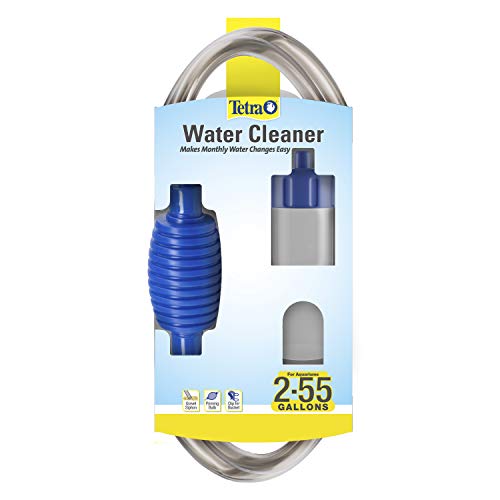
Makes weekly gravel cleaning fast and easy, removing waste without disturbing your betta.

Monitors ammonia, nitrite, nitrate, and pH so you can keep water stable and safe.

Detoxifies ammonia and chloramines during water changes, protecting your betta and its bacteria.
See today's best deals onAquarium Maintenance