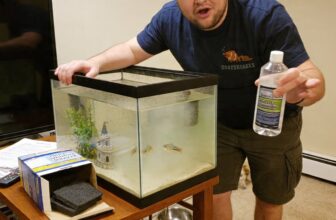
Yes, you can safely clean a fish tank with vinegar—just grab that $3 gallon of plain 5% distilled white vinegar from the hardware store and keep every drop away from swimming fish, since acetic acid stresses them fast.
You’ll mix equal parts vinegar and warm water, let it sit 10–20 minutes on glass or soak decorations for 4+ hours, scrub with an old toothbrush, then rinse until that sharp smell vanishes completely.
Never use apple cider or scented vinegars; they leave weird residues, like dressing your tank for a salad it didn’t ask for.
Unplug heaters first, skip the bio-filter media, and test pH afterward with a digital meter to be certain.
It’s cheap, effective, and oddly satisfying—like weaponizing pantry science against geology that’s been squatting on your rim.
Stick around and you’ll master the drip-free wipe technique that saves your floors, your dignity, and probably your marriage.
At A Glance
- Use only plain distilled white vinegar (5% acidity), never apple cider or scented varieties.
- Always remove fish and rinse surfaces twice until vinegar odor completely disappears.
- Soak decorations and rocks for 4+ hours in equal parts vinegar and hot water.
- Unplug equipment before cleaning heater tubes and filter housings with diluted vinegar.
- Test water with a digital pH meter after any cleaning to verify safe parameters.
Is Vinegar Safe for Your Aquarium?
You’re standing there with a bottle of distilled white vinegar, wondering if you’re about to nuke your tetras into oblivion. Relax. The answer’s yes, vinegar belongs in your aquarium toolkit—when you respect its power.
Vinegar is 95% water and about 5% acetic acid, that sour stuff in pickles. It won’t torch your fish through the glass, but direct contact spells acidic fish stress. Never dump it in with swimmers present.
Rinse until vinegar odor vanishes completely. That smell means acetic acid remains, and residue can drop your tank’s pH fast. Your fish didn’t sign up for a chemistry experiment. Using a digital pH meter after cleaning helps verify the water is back to a safe level.
Bottom line: vinegar’s safe when you’re the one controlling the bottle, not the water.
What Kind of Vinegar to Use (and What to Avoid)
Since you’ve already got that bottle in hand, let’s make certain it’s the right one, or you’ll turn a simple cleaning job into a condiment catastrophe. You’re here since you want your tank spotless, your fish thriving, and your wallet intact—so grab distilled white vinegar, period. It’s got 5% acetic acid, costs about $3 for a gallon, and cuts through limescale like nobody’s business. Save the artisanal stuff for your salad.
| Use This | Skip That |
|---|---|
| Distilled white vinegar | Apple cider vinegar |
| Plain, no additives | Scent options (lemon, lavender) |
| 5% acidity standard | Organicine alternatives (untested) |
| $3/gallon hardware store finds | Fancy balsamic (yes, someone tried) |
Scented varieties leave residues that stick around, and experimental organicine alternatives haven’t earned their stripes with your finned friends. Stick to boring, reliable, cheap. For your fish feeder, USB charging eliminates disposable batteries and reduces waste.
Safety Rules Before You Start Cleaning
Before you even think about putting vinegar near that tank, let’s get the ground rules straight—because “oops” isn’t a word you want to learn as your fish are still swimming.
Acid safety isn’t scary, it’s just respect with a label. Rinse your hands after handling vinegar, keep it away from your eyes, and for the love of fish everywhere, don’t mix it with bleach—that’s toxic gas territory.
Follow basic aquarium etiquette: never clean biological filter media with vinegar (you’ll nuke your beneficial bacteria), keep drips minimal, and always rinse every surface twice. Your tank’s ecosystem is your responsibility, treat it like one. If you need to cover the tank after cleaning, consider using a clear mesh lid to maintain high light transmission while preventing fish from jumping.
Tools You Need for a Vinegar Clean
Even if your fish judge your cleaning skills from behind the glass, you don’t need a garage full of gadgets to get the job done right.
You’re basically assembling a small, slightly smelly toolkit.
Grab distilled white vinegar—cheap, effective, probably hiding in your kitchen already.
For vinegar storage, keep it sealed, cool, away from curious pets who think everything’s a snack.
You’ll need a spray bottle, clean sponges, paper towels, and an algae scraper.
Razor blade for glass, soft cloth for acrylic—don’t mix them up, or you’ll weep.
Match tools to your cleaning schedule: weekly wipes need less gear than monthly deep cleans.
For precise plant trimming or deep-tank access, consider adding stainless steel aquarium tweezers with a curved tip to your kit.
How to Deep Clean an Empty Tank
Mix equal parts distilled white vinegar and warm water in a spray bottle, then coat every surface. Let it work on that stubborn DIY algae as you question your life choices. For nasty tank odor episodes, spray extra generously on silicone corners where gunk hides.
| Problem | Vinegar Strength | Your Time Investment |
|---|---|---|
| Light haze | 50/50 mix | 10 minutes |
| Stubborn calcium | 100% vinegar | 20 minutes |
| DIY algae clusters | 100% vinegar + elbow grease | 30 minutes |
| Lingering tank odor | Double spray, extra soak | 25 minutes |
After cleaning, consider calibrating your digital thermometer to maintain accurate temperature monitoring for your fish. Scrape glass with a razor, wipe acrylic gently, rinse until you smell nothing. Dry with microfiber. You’re back in the club now, tank sparkling, fish plotting revenge.
How Long Vinegar Should Sit on Each Surface
Timing vinegar on your tank surfaces isn’t rocket science, though your first attempt might feel like you’re conducting a mad experiment in your kitchen.
Here’s your vinegar timing cheat sheet:
Empty tank glass: 10–20 minutes for standard limescale, 30–45 for stubborn crust (that white stuff you ignored for months).
Decorations: 4 hours minimum, overnight if you’re feeling patient—which you’re probably not.
Filter housings and heater tubes: 15–30 minutes, then scrub with an old toothbrush your partner won’t miss.
Acid residue lingers longer than you’d expect, so rinse until that sour smell vanishes entirely. Bottom line: when in doubt, add five minutes and rinse twice.
For thorough biological filtration, remember that components like ceramic rings can also benefit from a brief vinegar soak to remove hard deposits without harming beneficial bacteria.
What to Do If Vinegar Spills in Your Tank
Spills happen. You’ll knock that vinegar bottle someday, and your heart’ll skip.
First, don’t freeze up—move. Your emergency protocol starts now: grab a cup and scoop out the spill zone immediately, tossing that acidic water.
Test your tank’s pH pronto; watch for sudden drops below 6.5, which stress fish fast.
Grab your pH buffer—sodium bicarbonate works in a pinch—and raise those levels slowly, just a teaspoon dissolved first.
Aerate like crazy; vinegar depletes oxygen.
Remember, you’re part of a community that’s botched this before. They’ve survived.
Your fish trust you. Breathe, buffer, and you’ll laugh about this later.
For ongoing stabilization after the spill, consider adding a passive nitrate remover like Seachem de*nitrate to prevent future pH fluctuations from organic buildup.
How to Clean Glass With Fish Still Inside
How often do you catch yourself squinting through smudged glass, wondering if your fish are judging your housekeeping? You’re not alone, and yes, they probably are.
Acid cleaning with vinegar works wonders, even with swimmers inside. Grab a clean cloth, dampen it with distilled white vinegar—don’t spray directly—and wipe exterior panels only.
For algae control on interior glass, use an aquarium-safe magnetic scraper instead. Keep vinegar away from the water column; your tank’s buffering capacity handles tiny accidental drips, but you’re not making salad dressing here.
Your fish tolerate a foggy view better than chemical exposure.
How to Wipe the Rim Without Drips
The rim’s where stubborn water lines set up camp, and you’ve already mastered wiping glass without flooding the place—now you’re ready for the trickier territory.
First, adopt the rimless technique: fold your vinegar‑dampened paper towel into a thick, absorbent pad. Hold the tank’s edge with one hand while wiping with the other—your palm acts as a splash guard.
For the drip‑control method, angle the towel slightly upward, working from back to front. Gravity’s your frenemy here; let it pull moisture *away* from the waterline, not toward your floor.
Clean towel swaps every few inches prevent re‑spreading gunk.
Short strokes win. Longer ones tempt fate, and fate’s got sog socks waiting.
Bottom line: steady hands, folded towels, and you’ll join the dry‑socks club with the rest of us.
Just remember that air‑powered filters require no additional pump inside the tank, keeping your setup even simpler to wipe around without drips.
How to Soak Decorations and Rocks
Where do you put that crusty pirate ship when it’s covered in ten months of calcium graffiti? You soak it, obviously.
Mix equal parts white vinegar and hot water in a bucket—your plastic plants and resin castles need this. Let them marinate four hours minimum.
That decoral texture you’re so proud of? Vinegar cleans into every crevice without melting anything that cost more than a burrito.
Rocks demand extra attention since rock porosity hides deposits where brushes can’t reach. Fully submerge them, or you’ll spot-treat patches like a hopeless dad painting a fence.
Scrub with an old toothbrush, rinse until the smell vanishes, air dry completely. (Yes, completely. Your tetras can smell residue you can’t.)
Your tank will look like you actually planned the aesthetic.
For any natural stone decor, always rinse until water runs clear after cleaning to remove all vinegar residue, just as you would when prepping new substrates like Aqua Natural Midnight Pearl or FANTIAN river rocks.
How to Clean Heaters, Filters, and Lids
Since your heater looks like it’s been dredged from a shipwreck and your filter housing has enough calcium crust to repurpose as chalk, you’re going to need vinegar’s help—but not, I repeat *not*, for everything inside that box.
| Equipment | Soak Time | Critical Warning |
|---|---|---|
| Heater tubes | 30 min dunk | ac heater maintenance requires unplugging first bud |
| Filter housing | 20 min after filter disassembly | Keep bio-media away from acid |
| Glass lids | 10 min only | Rinse twice, smell kills good vibes |
Scrub gently with an old toothbrush, rinse until spotless, dry completely, then reinstall everything securely. Your fish will high-five you later.
Stubborn Stains: When to Repeat the Process
Even after a solid vinegar soak, some stains cling like a bad habit—white, crusty patches that laugh at your first attempt, mocking you from the glass.
- Stain persistence happens when limescale ages into that cement‑like crust, the kind that’s seen things.
- Repeat frequency: if glass still feels gritty, hit it again within 24 hours—fresh acid works better than tired acid.
- Stubborn acrylic demands patience; you’ll scrub, sigh, and scrub again.
- Third time’s the charm, or you’re doing archaeology at that point.
Bottom line: persistent stains surrender to persistence. Re‑soak, re‑scrape, reclaim your view.
Prevent Hard Water Buildup Between Cleans
You’ve scrubbed the tank spotless, but those white mineral ghosts will return the moment you let your guard down—hard water doesn’t sleep, and neither should your prevention habits.
Hard scaling prevention starts simple: top off evaporated water with distilled or RO water weekly. Skip the tap, you’re just adding fresh ammunition for mineral scaling. Wipe the rim line every Sunday with a damp microfiber—takes forty seconds, saves forty minutes of scrubbing later. Keep water levels high; less surface area exposed means less crust. Consider a water softener pillow ($8–12) if your tap runs especially cruel.
Bottom line: an ounce of distilled water beats a pound of vinegar every time.
When You Need Something Stronger Than Vinegar
Though vinegar handles everyday mineral crust like a champ, there comes a day when you’ll stare at a tank and realize acetic acid isn’t cutting it anymore—maybe you’ve inherited a thrift-store aquarium with a decade of neglect baked into the silicone, or you’re rebuilding after a nasty ich outbreak that turned your tank into a petri dish.
When acid acid residue won’t budge, you’re not failing the hobby—you’re just leveling up. Grab a dedicated mineral-remover (hydrochloric or phosphoric-based, $8-$12 at hardware stores). It’s acetic-acid-strength on steroids, dissolving what vinegar surrenders to.
- Strip old silicone? Mineral‑remover,acid vinegarsolution‑,,,‑d wins.
- Post-disease sterilization? Bleach beats acid every time.
- Etched acrylic stains? Vinegar’s too gentle; you need the heavy stuff.
Rinse obsessively, though—fish don’t appreciate chemical surprises. Your tank, your rules, your call.
Frequently Asked Questions
Does Vinegar Kill Snails or Shrimp?
Vinegar kills snails and shrimp if you dump it straight into the tank—don’t do that.
You’re looking at vinegar toxicity versus shrimp resistance in a very lopsided fight.
- Direct contact: 100% vinegar dissolves soft bodies within minutes
- Diluted rinses: safe for tank decor, provided you rinse thoroughly
- Accidental drips: your tank buffer neutralizes small amounts instantly
Bottom line: Keep vinegar outside the tank, use it only on empty equipment, and your inverts live to crawl another day.
Can I Use Vinegar to Clean Silicone Seals?
Yes, you can. Vinegar won’t degrade silicone seals—that’s your objection handled, you’re welcome.
- Cleaning efficacy: acetic acid dissolves mineral crust on seal edges fast
- Silicone safe: pure aquarium-grade silicone laughs at 5% vinegar, though aged, cracked seals need replacing, not just cleaning
Spray diluted vinegar, wait ten minutes, scrub gently with a toothbrush, rinse twice.
Don’t soak seals overnight; you’re not pickling them.
Bottom line: It’s cheap, it’s effective, and your tank won’t spring a leak.
How Often Should I Vinegar-Clean My Tank?
Clean with vinegar only when you’ve got mineral buildup, not on a fixed calendar.
You’ll deep-clean an empty tank every 3–6 months, or when limescale laughs at your scrubbing.
For rim lines and lids, wipe weekly—takes two minutes, saves you grief.
Filter housings? Monthly soak, never the bio–media, that’s your bacteria’s condo.
Vinegar frequency depends on your water hardness; soft water folks coast longer.
Your cleaning schedule: weekly touch-ups, quarterly deep dives, spot-checks when crust appears.
Skip the regimented guilt—fish don’t run on spreadsheets, and neither should you.
Will Vinegar Remove Algae Permanently?
No, vinegar won’t banish algae permanently—it’s a temporary fix, not a magic spell.
- Vinegar dissolves mineral buildup (that “pergæ prevention” you’re after), but algae? It’s just visiting, not moving out.
- For long term algae control, you’ll need consistent light management, nutrient limits, and maybe some hungry snail roommates.
Think of vinegar as a polite eviction notice, not permanent security. Keep at it, and you’ll belong to the low‑maintenance tank owners’ club eventually.
Is Vinegar Safe for Driftwood?
You’ll want driftwood toxicity and pH impact on your radar. Vinegar’s acetic acid strips tannins fast, which sounds great until your water chemistry throws a tantrum. Quick 15‑minute dips? Safe. Overnight marathons? You’re asking for trouble—wood gets mushy, releases odd compounds.
- Drawback: pH swings if residue lingers
- Drawback: softens fibers, risks rot
- Use‑case: algae‑covered spiderwood, $12‑20 online
Rinse like your fish are watching. They’re not—they’re judging.
Bottom line: Vinegar’s your spot‑treatment buddy, not a driftwood spa day.
Rounding Up
You have got this. Vinegar is your secret weapon, cheap, safe, and shockingly effective, like a Swiss Army knife that only costs three bucks at the grocery store. Clean tanks mean happy fish, and happy fish mean you are doing something right. Keep that bottle handy, stay patient, and your aquarium stays crystal clear. That is the whole game.