You can safely pair neons with at least fifteen tank mates if you pick peaceful, similarly‑sized species.
Cory catfish stay on the bottom, minding their own business.
Dwarf gouramis hover near the top, adding color without bullying.
Cherry or ghost shrimp scavenge leftovers, but need dense plants to avoid nippy noses.
Stick to groups of six rummy nose tetras or kuhli loaches; they share your tank’s pH 6.0–7.0 and 72–80°F zone.
Avoid aggressive livebearers like swordtails unless you maintain a strict 4:1 female ratio.
Stick with the calm crew, and your neons will thrive.
There’s more to unpack on a few risky choices ahead.
At A Glance
- Cory catfish are calm bottom dwellers that peacefully school with neons in a 20‑gallon tank.
- Bristlenose plecos are nocturnal algae eaters that avoid neons and stay in the lower zone.
- Dwarf gouramis are timid top swimmers that complement neon tetras in stable, warm water.
- Rummy nose tetras share water needs with neons and thrive in schools of six or more.
- Cherry shrimp consume leftover food and hide among plants to avoid nippy neons.
Why Choosing the Right Tank Mate Matters for Your Neon Tetras
Since you’re basically running a tiny underwater Airbnb, picking the wrong neon tetra roommate can turn your tank into a silent warzone or a stressful fish prison.
You want a peaceful community, not a gladiator arena. A wrong pick, like a fin‑nipper, spikes stress, weakens immune systems, and kills that mellow vibe you’re after.
Neons need calm, not chaos. Stick with gentle, similar‑sized schoolers that share their water zone.
This isn’t just about survival—it’s about creating a shoal you’re proud to watch.
Get the neighbors right, and your tank feels like a real home.
Bottom line: harmony starts with smart choices. For a similar low‑flow environment, consider pairing them with captive‑bred Danios to support conservation while maintaining a peaceful community.
Cory Catfish: Peaceful Bottom Dwellers That Stay Out of Sight
If you want a tank mate that minds its own business, cory catfish are your best bet. These plucky bottom-dwellers stick to the substrate, so they won’t crowd your neons’ mid-water zone. You’ll love their quirky “blink-and-you-miss-it” movements—they’re like tiny armadillos with fins. They thrive in groups of six, so you’re not just getting a fish; you’re building a community. Here’s the quick scoop:
| Cory Catfish Pro | Why It Works with Neons |
|---|---|
| Peaceful nature | Won’t nip or chase |
| Bottom-dweller | No zone overlap |
| Schooling habit | Chill group dynamic |
| Sinking food diet | No feeding competition |
| Small size (1–4 in) | Fits tight spaces |
Keep a 20-gallon tank, soft sand substrate, and stable pH around 7.0, and you’re in business. They’re the quiet roommates every neon tetra needs. Excessive filter flow can stress these fish, so consider using a spray bar to reduce turbulence in the tank.
Dwarf Gourami: A Colorful Mid-Water Neighbor That Stays Calm
Why not consider a fish that won’t turn your neon tetra tank into a soap opera? Dwarf gouramis—those flashy, three‑inch mid‑water swimmers—keep the peace. They’re timid, so your neons stay stress‑free. Tank needs? Just 10 gallons, 72–80°F, pH 6.0–7.0. Perfect match.
You’ll love their calm vibe. They hover near the top, flashing reds and blues, whereas your neons zip below. No drama, just quiet company. Feed them flakes or pellets, same as your tetras. Ensure you maintain stable conditions to prevent stress in both species.
Bottom line: Dwarf gouramis fit right in. They’re your tank’s cool, colorful neighbor who never causes trouble. Add one, and you’re part of the peaceful crew.
Shrimp (Ghost or Cherry): Safe Scavengers for Heavily Planted Tanks
Shrimp—ghost or cherry—make a surprisingly perfect cleanup crew for your heavily planted neon tetra tank.
Ghost shrimp, those clear little scavs for about $0.50 each, vanish against your plants, as cherry shrimp add pop for $3–$5 a pop.
Ghost shrimp vanish at $0.50 each; cherry shrimp add pop for $3–$5.
Both need the same water as your neons: pH 6.0–7.0, temp 72–80°F.
They’ll munch leftover flakes and algae, keeping your tank tidy.
But they’re snack-sized for nippy neons, so you’ve got to layer in java moss or cholla wood.
Give them dense cover, and you’ll have a micro‑community that clicks—cleaner, calmer, cooler.
That’s belonging, friend.
Use a 10‑gal quarantine tank with gentle flow for disease monitoring if adding new shrimp to the community.
Rummy Nose Tetras: The Perfect School for Your Neon Tetra Tank
Rummy nose tetras are the ideal schooling partner for your neon tetras, no contest. They share identical water needs—pH 6.0–7.0, temps 72–80°F—and eat the same flake food.
You’ll need a 20‑gallon tank minimum, plus a school of six or more for their sanity. Their bright red noses and black‑and‑white tails create a stunning contrast against neon blues.
Certainly, they’re a bit sensitive to water shifts—your regular testing pays off. They won’t nip or bully.
Bottom line: if you want a cohesive, peaceful community that looks like a pro set it up, these are your fish. Like neon tetras, rummy nose tetras benefit from a sponge filter for gentle mechanical and biological filtration, especially during breeding or when fry are present.
Dwarf Neon Rainbowfish: Active Swimmers That Need Extra Room
If you’ve got the space—and I mean 30 gallons minimum—the Dwarf Neon Rainbowfish might just be the flashy mid‑water teammate your neon tetras never knew they needed.
They’re energetic, zipping around like little blue rockets, so your neons won’t feel crowded.
Keep males in check with a 2:1 female ratio to avoid breeding squabbles.
They thrive in planted, low-light tanks with a pH of 6.0–6.5.
Setting up gentle filtration with a sponge over the intake mimics their preferred slow stream conditions.
- Active swimmers need open swimming lanes.
- Males flash iridescent blue; females stay silver.
- Feed them the same micro-pellets your neons love.
Bottom line? They’re gorgeous buddies if you’ve got the gallonage.
Harlequin Rasboras: Shy Schoolers That Thrive in Groups of Eight
Two harlequin rasboras are just a couple of wallflowers—get eight or more, and you’ve got a party. These shy schoolers finally feel secure in a gang of eight to ten, matching your neon tetras’ calm vibe. They’re mid-water swimmers like neons, so they won’t crowd each other. They also require soft, acidic water similar to your neon tetras to stay healthy and stress-free.
- Needs: 10-gallon tank minimum, pH 6.0–7.0, temps 72–80°F
- Eats the same tiny flakes as neons (small mouths, remember?)
- Perfect for creating that tight-knit community you’re after
Bottom line: grab a squad of eight—your neons will have shy, reliable friends who won’t steal the spotlight.
Snails: Zero-Conflict Cleanup Crew for Your Neon Tetra Tank
Snails are the ultimate zero‑conflict cleanup crew for your neon tetra tank. They’ll munch leftover food, algae, and detritus without bugging your neons. Your tetras won’t care about them, and snails won’t bother anyone—total peace.
| Snail Type | Tank Size | Best Use |
|---|---|---|
| Nerite | 5 gal | Algae glass, won’t breed |
| Mystery | 5 gal | Eats waste, adds color |
| Ramshorn | 10 gal | Cleans plants, hardy |
Drop a nerite in for glass cleaning or a mystery for personality. They’re low‑maintenance pals that keep your tank sparkly. Feed sinking wafers occasionally. Bottom line: add one snail per 5 gallons for a zero‑drama cleanup team. You’ll feel like a community hero. For targeted feeding, consider a suction‑cup feeding ring to keep wafers contained and prevent waste from drifting.
Bristlenose Plecos: Algae-Eaters That Won’t Bother Your Neons
Since you’ve already got a clean‑up crew with snails, now meet the Bristlenose Pleco—a bottom‑dwelling algae eater that won’t bother your neons. They’re nocturnal, so you’ll rarely see them during the day. They max out at 5 inches—small enough for a 25‑gallon tank.
- Eat algae like it’s their job, but you’ll still need to drop algae wafers at night.
- Keep just one male, except you enjoy territorial drama. They’re tough guys.
- They ignore neons completely; different zones, different lives.
Bottom line: a low‑key, hardworking buddy for your community.
If your tank has driftwood, you can supplement its diet by harvesting algae from the surface, just as bamboo shrimp do in their environment.
Mollies: Keep a Female-Heavy Group for a Peaceful Tank
If you’re looking for a fish that’s basically the golden retriever of the aquarium—friendly, sociable, and not too bright—mollies are your answer.
They’re peaceful, shoaling fish that glide around with neons, rarely bothering anyone.
But here’s the trick: you need a female‑heavy group, about three girls for every guy. Males squabble otherwise, turning your calm tank into a tiny wrestling ring.
Keep at least five mollies total, and they’ll form a relaxed, belonging school.
Their water needs match neons perfectly—pH 6.0–7.0, temp 72–80°F.
Bottom line: stick to that ratio, and your tank stays chill.
To keep the water clean and safe during feedings, consider using a 3D‑Printed Betta Hide that doubles as a feeding ring to corral pellets and reduce waste.
Platies: Hardy Livebearers That Adapt to Neon Conditions
Why settle for a fish that throws a tantrum every time the pH drifts? Platies are your chill, adaptable buddies, thriving in that same 6.8–7.0 pH sweet spot your neons love. They’re hardy livebearers, so you’ll get easy fry if you keep a 3:1 female-to-male ratio—otherwise, males get a little too competitive. At about $3 each, they’re a steal. The included Aqueon 10-gallon Complete Starter Kit provides a solid glass tank with a quiet filter and preset heater that keeps the water steady at 78°F.
- Fit right into a 10-gallon tank
- Peaceful, mid-water swimmers
- Won’t hassle your neons, just sharing the space
You’ve seen them in every LFS; they’re the reliable friend who never flakes. Bottom line: grab a small group, and they’ll slot right into your community without drama.
Kuhli Loaches: Eel-Like Night Owls That Leave Neons Alone
Platies are great, definitely, but maybe you want something that’s weird in a charming way? That’s where kuhli loaches come in—these eel-like night owls (3–4 inches) prowl the bottom after dark, leaving your neons alone all day. They’re peaceful, timid, and need groups of three or more in a 15-gallon tank or larger.
| Need | Spec |
|---|---|
| Tank size | 15 gal minimum |
| Length | 3–4 in (7–10 cm) |
| Behavior | Nocturnal, bottom-dwelling |
| Diet | Sinking foods (pellets, bloodworms) |
Keep parameters stable—pH 6.0–7.0, temp 72–80°F. They’re sensitive to changes. Like the rubbernose pleco, they thrive with driftwood for hiding and gentle water flow. Bottom line: if you want a weird, peaceful oddball that won’t bother your neons, kuhli loaches are your weirdo squad.
Swordtails: Bigger Tank Mates That Need a 4:1 Female Ratio
Swordtails thrive with compatible tank mates like large catfish and other peaceful fish that won’t trigger their aggression. What’s bigger, flashier, and still chill enough to hang with neon tetras? Swordtails, my friend. They’re 5‑inch showstoppers that cruise mid‑water, not bothering your neons.
But here’s the catch—males get feisty without enough ladies. You’ll need a strict 4:1 female‑to‑male ratio. That means buying five swordtails for every one male. Why? To spread out his attention and stop constant chasing.
They prefer pH around 7.0, slightly harder water than neons, but they’ll adapt. A 15‑gallon tank minimum, and you’ve got a peaceful, eye‑catching crew. Bottom line: easy, flashy, but you gotta manage the ratio.
Cardinal Tetras: The Closest Safe Relative to Neon Tetras
If you’re after a fish that’s nearly identical to neon tetras but harder to kill, cardinal tetras are your best bet. They share the same peaceful nature, schooling habits, and water preferences (pH 6.0–7.0, 72–80°F). You’ll immediately spot the difference: that bold red stripe runs their entire lower body, not just halfway. For best results, provide dim, dappled lighting and a dark substrate to mimic their natural environment and reduce stress.
| Feature | Neon Tetras | Cardinal Tetras |
|---|---|---|
| Red stripe | Half body | Full body |
| Hardiness | Moderate | More robust |
| Max size | 1.5 in | 2 in |
| School size | 6+ | 6+ |
Keep a group of at least six, and you’ll feel like you’ve joined an exclusive club of people who know a better backup dancer when they see one.
Guppies or Zebra Danios: Choose the Right Active School for Your Tank
You’ve got two solid options here, and honestly, you can’t go wrong with either—but they fit different tanks and temperaments.
Guppies hit a smaller 5‑gallon minimum, max out at 2 inches, and they’re chill. Go all‑male to dodge fry chaos, or keep a 2:1 female‑to‑male ratio. They eat the same flakes as your neons.
Zebra Danios need 10 gallons minimum, reach 2.5 inches, and they’re speed demons. Their constant zooming can spook shy neons—so pair them with bold neons only. School of five works fine. For either tank, biological filtration from porous ceramic media helps maintain water quality for your school.
Bottom line: want a mellow, colorful friend? Pick guppies. Want a lively, high‑energy crew that matches your neons’ pace? Go danios.
Frequently Asked Questions
Can Neon Tetras Breed in a Community Tank?
Yes, they can, but it’s a gamble.
You’ll lose most eggs and fry to hungry tank mates—that’s just nature. Adult neons, corys, even shrimp snack on them.
You’d need dense plants or a separate breeding tank to see any success.
Without that, you’re basically hosting a free buffet.
It’s possible, just not likely, so if you want fry, set up a dedicated tank.
Otherwise, enjoy your community.
How Long Do Neon Tetras Typically Live in Captivity?
You’re looking at 5–8 years, maybe longer with pristine care.
That’s a solid commitment for such a tiny fish.
They’re hardy, but water quality matters—keep pH 6.0–7.0, temp 72–80°F, and feed small flakes or micro-pellets twice daily.
A 20-gallon tank reduces stress, helping them thrive.
Mistreat them, and you’ll lose years quickly.
Bottom line: stable water conditions + a properly sized tank = a long, colorful life.
Don’t slack on maintenance.
Do Neon Tetras Need a Heater in the Tank?
Yes, you do need a heater.
Neons are tropical fish, so they require a stable 72–80°F range.
Without one, temperature swings stress them out, cutting their lifespan short.
A simple 50-watt heater (around $15) works for a 20-gallon tank.
Think of it as their tiny, electric blanket—they’ll stay active and colorful, not sluggish and pale.
Don’t risk it; your neons will thank you by swimming longer.
What Is the Ideal Neon Tetra Group Size for Safety?
You’ll want at least six neon tetras for safety—that’s the magic number.
Smaller groups stress them out, making them hide more, and you lose that classic shimmering school.
Think of it like a party: six is the minimum to feel like a crowd.
Ten or twelve is even better, reducing nippy squabbles and mimicking their wild shoals.
More means less chance of one getting singled out, so go bigger if your tank allows—it’s cheaper than replacing stressed fish.
Can Neon Tetras Live With Betta Fish Peacefully?
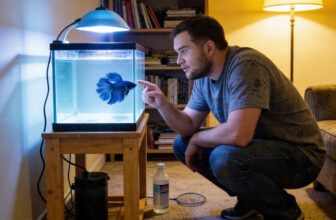
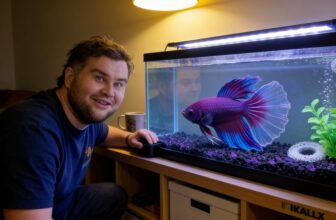
No, you shouldn’t pair neon tetras with a betta. Bettas often see neons as snacks or rivals, especially in smaller tanks.
You’d need a heavily planted 20‑gallon minimum and a calm betta, but it’s still a gamble. Surprise nipping or stress is common.
Skip the betta for your neons’ safety. Instead, try peaceful tank mates like corydoras or harlequin rasboras. They’ll vibe better with your school.
Rounding Up
So, you’ve got options. Plenty of them. But picking the wrong ones turns your peaceful tank into a fishy Thunderdome, and nobody wants that.
Stick with slow, gentle species that won’t nip or outgrow your neons. Corydoras (about $4 each) are like tiny, whiskered roombas—they stay low and don’t bother anyone. Dwarf gouramis add color without drama, just keep one male per tank.
Bottom line: if it’s bigger than your neon’s mouth or faster than its fins, skip it. Go boring, go safe. Your neons will thank you by not hiding behind the filter.