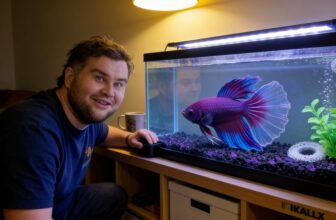
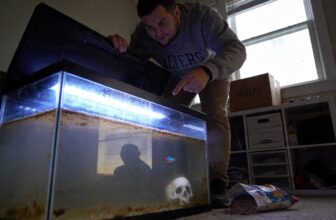
A twenty-gallon glass box, filled two-thirds with water, holds more complexity than it appears. Dwarf cichlids, small fish no longer than a thumb, carve territories into this limited space like neighbors sharing a fenced yard. They need soft sand, not gravel, since they sift mouthfuls of it searching for food. The water must stay between 74 and 80 degrees, steady as a held breath, or their colors fade and they hide. Someone watching closely learns patience, the kind that comes from noticing small changes day after day. But even careful keepers miss something important until it’s almost too late.
At A Glance
- House dwarf cichlids in 20–30 gallon tanks with soft sand, driftwood, caves, and gentle filtration mimicking slow streams.
- Maintain stable water parameters: 74–80°F, pH 6.0–7.0, and soft 4–10 dGH with fully cycled filtration.
- Feed high-quality sinking pellets twice daily, supplemented with frozen brine shrimp, bloodworms, and occasional live blackworms.
- Perform weekly one-third water changes with consistent testing of nitrate, pH, and hardness to ensure long-term health.
- Observe quietly for early stress indicators like pale gills or hesitant movement, and choose beginner-friendly species such as *Apistogramma borellii*.
Dwarf Cichlid Care: What You Need Before You Buy

Before you carry home a bag of water with a darting jewel inside, you’ll need more than good intentions.
These fish live five to ten years, growing three inches long, and they demand stable homes. A reliable lighting schedule matters deeply, twelve hours of gentle brightness, then true darkness, so their bodies rest. Duty cycle management, that’s just the timer controlling when lights turn on and off, keeps their world predictable. They feel safer when nothing changes suddenly.
Water stays 72 to 86 degrees, slightly acidic, and must stay clean always. Weekly water changes, one-third of the tank, aren’t optional.
Minimum Tank Size and Setup Checklist
A dwarf cichlid needs room to claim, although it stretches only three inches from nose to tail.
Twenty gallons stands as the true minimum, though thirty offers breathing space for a pair or small group.
Twenty gallons is the floor, but thirty gives them room to breathe.
Fine gravel or sand covers the bottom, letting them dig like they would in flooded roots back home.
Plants, driftwood, and caves create walls between neighbors, keeping tempers quiet.
A gentle filter, maybe a sponge over the intake, won’t push them around too much.
Tank lighting, kept moderate and timed to eight hours, feeds plants without sparking an algae control headache—balance, patience, and weekly water changes of one-third keep the whole system calm and welcoming.
Exact Water Parameters: Temperature, pH, and Hardness
How does a fish feel the water around it? Dwarf cichlids feel every tiny change, like you feel a draft through a window crack.
They need water cycling to finish before they swim inside—four to six weeks of patience, testing ammonia until it reads zero, every single time.
Keep temperature steady at 74–80°F, pH soft between 6.0–7.0, hardness gentle at 4–10 dGH. Aquarium lighting stays soft; harsh beams stress them, and stressed fish get sick.
Measure weekly. Write numbers down. Belonging comes from showing up, again and again, with care they can trust.
Substrate and Filtration: What Dwarf Cichlids Actually Need
Once the water holds steady at the right warmth and softness, the tank still isn’t ready.
The substrate composition matters deeply—fine sand, soft as riverbed silt, lets these fish root and silt through gills without tearing delicate tissues. Sharp gravel wounds their bellies, invites infection, shortens lives.
Fine sand lets fish root safely; sharp gravel wounds, infects, kills.
Filter flow must stay gentle, like a slow stream, not a rushing current. Dwarf cichlids fight strong water, exhaust themselves hiding from it. A sponge over the intake, or a canister set low, keeps peace in the tank.
Together, soft ground and quiet water make home. They feel safe, dig caves, raise young, belong.
Top 5 Dwarf Cichlid Species for Beginners
Which dwarf cichlid fits your hands first?
Consider five gentle choices that welcome newcomers into the hobby. *Apistogramma borellii* shows yellow bodies with soft blue spots and remains peaceful during breeding behavior. *A. cacatuoides* displays bright red spots and that famous cockatoo fin, thriving under breient lighting that makes colors pop. *A. hongsloi* offers pink bases with red swirls, forgiving of small mistakes. *A. macmasteri* grows larger fins with red tips, dazzling beginners. *A. agassizii* presents gold with black stripes, though it guards territory more fiercely. Start here, find your footing, join the community of keepers who’ve walked this same path.
Handling Aggression in Community Tanks
A small clay pot turned on its side sits half-buried in fine sand, its dark entrance no wider than a thumb, and this modest cave becomes the center of a three-inch fish’s whole world.
Territory partitioning transforms this tight space from battleground into boundary. Each dwarf cichlid carves out roughly eight inches of tank floor, marked by scent glands rubbed against rocks and plants.
Aggression mapping means watching closely, noting which fish flares fins, which retreat, which guard specific corners. When maps overlap, aquarists add more caves, driftwood barriers, or dense vegetation walls.
Peace comes from respect—each fish knows its place, and the community thrives together.
Tank Mates That Work (and Ones That Don’t)
Since dwarf cichlids see the world in triangles—three inches of fish claiming thirty gallons of water—they notice every neighbor who swims past their cave. They feel safest with companions who respect their borders, so choose wisely and everyone finds their place.
- Small tetras and rasboras swim overhead, busy and harmless
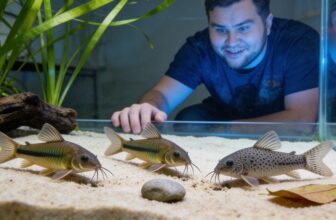
- Pygmy corydoras sift sand below without stealing caves
- Otocinclus manage algae control along glass and leaves
- Bristlenose plecos stay small enough for thirty-gallon harmony
Avoid fin-nippers and large cichlids; they trigger fear, not comfort. During bremelon breeding, even gentle fish need extra hiding spots, since protecting eggs makes parents bold, and stress spreads through the whole tank like ripples. Choose neighbors who bring calm, and your dwarf cichlid family will thrive together.
The Best Diet for Colorful Dwarf Cichlids
Bright foods make bright fish, though color doesn’t come from flakes alone.
High-quality sinking pellets anchor the daily menu, about two to three grains per fish, twice daily. Frozen brine shrimp and bloodworms, fed three times weekly, release those red swirls and blue spots aquarists crave. Live foods, like blackworms, offered once weekly, deepen coloration variations most keepers recognize. Feeding frequency matters as small, frequent meals beat one heavy feast. They digest better, spread peacefully, claim their corners without squabbling. It’s like sharing snacks at a playground, calm and steady. A varied diet makes every dwarf cichlid glow exactly where they’re meant to belong.
How to Breed Dwarf Cichlids: From Spawning to Free-Swimming Fry
When a pair feels safe, they’ll begin.
Successful breeding demands attention to water chemistry, keeping temperature near 80°F and hardness soft. Habitat design means caves or clay pots where social hierarchy plays out peacefully. Genetic selection rewards patience—choose vivid, healthy parents. Environmental enrichment through plants and hiding spots encourages natural behavior and protects fry survival.
- Adjust water chemistry to trigger spawning instincts.
- Monitor behavior to confirm pair bonding and territorial comfort.
- Establish a feeding schedule of baby brine shrimp for fry.
- Maintain health monitoring to protect vulnerable young.
Free-swimming fry appear in five days, rewarding dedicated caretakers with belonging.
Catching Diseases Before They Spread
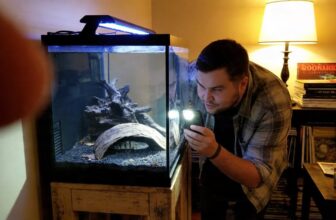
A magnifying glass held against the tank glass reveals what still water hides.
Tiny white spots, like grains of salt, signal ich. Velvet looks like gold dust, fin rot turns edges pale and frayed. These changes come quiet, so a keeper must watch with patience and care.
Early detection saves the whole community. A separate tank, the disease quarantine, holds new fish for two weeks before they join the family. This waiting room protects everyone.
Watchful eyes in quiet water keep the whole community safe from hidden harm.
Sick fish need calm, clean water, not panic. Quick eyes and steady hands build trust, and trust keeps these bright fish thriving together.
Keeping Dwarf Cichlids Healthy for 5-10 Years
The quarantine tank now sits empty, its glass wiped clean, and the keeper turns toward the long years ahead.
These fish live five, perhaps ten years. That promise demands steady hands.
- Water change schedules: one-third weekly, no excuses
- Test strips: nitrate, pH, hardness, weekly checks
- Breeding myths: they won’t spawn in dirty water, no matter the temperature tricks
- Quiet observation: early signs hide in stillness, before disease spreads
Stability sustains. The keeper who returns each Tuesday with a bucket, who notices a pale gill or hesitant fin, belongs to this work.
Frequently Asked Questions
Do Dwarf Cichlids Need Dim Lighting or Bright Lights?
Dwarf cichlids prefer moderate lighting intensity, not dim or harshly bright. Their natural streams receive dappled sunlight through canopy shade, so they feel secure with that balance.
Water chemistry stays stable when lighting doesn’t overheat the tank, and substrate selection of dark fine sand helps them feel hidden, reducing stress from brighter bulbs above.
A simple LED with floating plants creates comfortable shadows, reminding us that feeling safe often means having somewhere to retreat, not total darkness.
Can I Keep a Single Male Without Any Females?
A single male Dwarf Cichlid does well alone, though he’ll claim every cave and shell as his own. Territory aggression stays mild without rivals, but he’ll still patrol his patch with fierce pride. Longevity monitoring matters more—without breeding stress, males often reach eight to ten years. Provide at least three hiding spots, keep water steady, and he’ll thrive as a solitary, colorful companion. One fish, one kingdom, content.
How Often Should I Rearrange Tank Decorations?
Decoration frequency depends on the fish’s comfort, not a calendar date. He’ll rearrange when territorial disputes spike, roughly every two to three months, or after adding new tankmates. Substrate turnover happens naturally as they dig, so complete swaps aren’t needed often. He changes only what’s necessary, watching their behavior for stress signals like hiding or chasing. Stability matters more than novelty. He moves one piece, waits a week, then decides if more’s required. Patience prevents upset.
Do Dwarf Cichlids Jump Out of Open-Top Tanks?
Yes, they’ve got jumping instincts for predator avoidance in layered habitat design with open water above. Escape safety demands mesh lids, lowered water levels six inches down, or enclosure alternatives like rimless tanks with guards. Stress mitigation through behavioral enrichment—plants, caves—reduces panic leaps. Tank placement away from commotion, steady water chemistry, and health monitoring of their social hierarchy keeps them grounded, calm, belonging.
Is Tap Water Safe if I Let It Sit Overnight?
Overnight settling doesn’t make tap water safe for dwarf cichlids. Chlorine evaporates, but chloramine, a tougher chemical, stays put. Test kits read both, so they’re worth keeping handy. He’ll match treated water to his tank’s pH of 6.0-7.0, avoiding shock. A dechlorinator works faster, costs little, and removes both threats completely. She’ll sleep easier knowing her fish aren’t gasping from invisible harm.
Rounding Up
A 20‑gallon tank, soft sand, and driftwood give dwarf cichlids a proper home.
They’ll show their best colors when water stays at 76 °F, pH 6.5, and you feed them varied meals.
Patience matters—weekly testing and gentle watching catch problems early.
These fish reward steady care with five bright years, sometimes ten.
That’s the quiet joy of keeping them well.