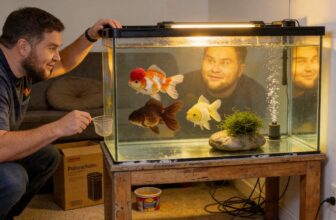
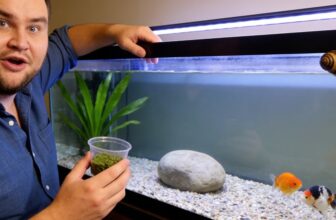
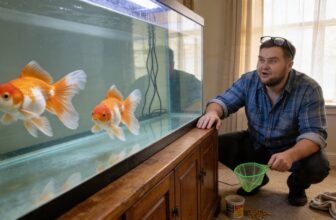
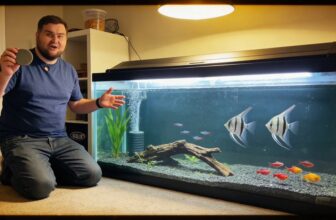
You’ll need a clear plan before buying a tang—some cost $40, others hit $2,000, and tank sizes range from 55 to 300 gallons.
Setup runs $500 to $1,500, plus $30 monthly for nori and spirulina flakes.
Aggression drops with rockwork and territories; quarantine prevents costly losses like ich or HLLE.
Start with a Tomini or Sailfin. Stick around—there’s more to nail down before you commit.
At A Glance
- Tang species range from $40 Brown Tang to $2,000 rare Gem Tang, requiring 55‑300+ gallon tanks.
- A 55‑gallon tank suits Brown or Tomini Tangs; 180‑gallons is minimum for Royal Blue Tang.
- Strong filtration, fine sand, rockwork with territories, and stable 22‑28°C water are essential.
- Safe tank mates include clownfish and blennies; avoid same‑species tangs, triggers, and groupers.
- Feed nori daily, spirulina flakes, and frozen mysis twice weekly; juvenile tangs eat 2‑3 times daily.
Why Tangs Are Both Rewarding and Challenging
Since you’ve read through the species list, you already know tangs are a mixed bag—gorgeous, active, and absolutely ready to test your patience.
You’re joining a club of reefers who’ve learned the hard way, but that’s the bond.
Their beauty? Unbeatable.
Their demands? Real.
- Ich magnets – marine ich loves tangs first. Quarantine every new fish for two weeks, no shortcuts.
- Territorial bullies – they’ll wage scalpels-on battles. Keep one tang, or introduce a shoal together.
- Picky grazers – nori sheets daily, spirulina, occasional protein. Skip this, and you’ll see head erosion.
Unlike tangs, the royal gramma rarely grazes and prefers cave‑lined territory to avoid stress.
Bottom line: you get what you earn. Commit to their quirks, and you’re in the inner circle.
A magnetic anti‑jump cover prevents tangs from leaping out during territorial disputes.
How to Choose the Right Tang for Your Tank
Alright, you’ve heard the warnings—ich, territory, picky eating. Now, let’s cut through the noise. Your tank’s size is your first filter. A 55-gallon limits you to a Brown or Tomini; a 120-gallon opens up Achilles or Gem options. Match temperament too. Skip aggressive Clowns if you want peace. Using a Maggie Muffler Mini on your overflow standpipe can further quiet gurgling and reduce noise.
- Quarantine first—two weeks minimum, no exceptions.
- Feed nori daily to avoid HLLE (head and lateral line erosion).
Bottom line: pick a tang that fits your tank, not your wishlist. That’s how you belong to the club of successful tang keepers.
For a 55-gallon tank, a heater with 200W wattage like the Aqueon Adjustable Pro provides stable temperature control.
12 Popular Tang Species for Saltwater Aquariums
Royal Blue Tang — $60‑$250, 12″, needs 180 gal, semi‑aggressive.
You’ll recognize Dory instantly, but this tang isn’t a pushover.
It’ll scrap with similar-shaped fish, so introduce it last or solo.
Feed nori daily, and watch for ich—these guys are magnets for it.
A reusable bio‑sponge in your filter supports the nitrogen cycle needed for healthy tangs.
For a durable alternative, consider a PET plastic tank that is shatter‑proof and lightweight.
Want something easier? Try the Brown Tang ($40, 8.3″, 55 gal).
It’s semi‑aggressive but chill for a tang, munching algae like a tiny lawnmower.
Crave a showstopper? Gem Tang ($1,500‑$2,000) is rare, gorgeous, and demands respect—single specimen only.
Your tank, your vibe. Pick a tang that fits your crew.
Tank Size Matters: Minimum Gallons for Each Tang
Achilles Tang needs 120 gallons minimum, Black Tang same, Royal Blue Tang jumps to 180 gallons, and the beastly Fowleri Tang demands 300 gallons. You’re not just buying a fish; you’re buying a swimming space.
- 55 gallons: Perfect for Brown or Tomini Tangs, your starter tangs that won’t run your wallet dry.
- 100‑120 gallons: Fits Purple, Sohal, or Gem Tangs—your mid‑range, semi‑aggressive beauties.
- 150‑180 gallons: Royal Blue and Clown Tangs need this to swim without bickering.
- 300 gallons: Only for Fowleri; it’s a peaceful giant, but that tank real estate is non‑negotiable.
Bottom line: Don’t cram a big fish in a small box—they’ll sulk, you’ll stress, and nobody wins. Join the club of smart keepers.
For smaller tangs, a 30 gallon tank offers a compact option suitable for starter species or quarantine setups. Larger tanks with real glass construction provide better clarity and durability for long-term tang health.
Aquascaping Techniques to Minimize Tang Aggression
So you’ve got the tank size sorted—great, now let’s talk about making certain your tangs don’t kill each other.
Build rockwork into clear territories, not one big pile. Break the line of sight with tall arches or pillars—your tang can’t bully what it can’t see. Use a central “no‑man’s‑land” zone, open sand in the middle, with caves on each side for retreats.
Add low‑profile rocks at the back, high ones up front, creating multiple grazing lanes. Tight spaces break chase lines, giving your fish easy escape routes. Consider using low‑iron glass for the tank to maximize visual clarity and reduce distortion when viewing these territorial setups. Consistent buffering from KH Buffer Supplement helps maintain stable pH levels essential for healthy coral growth in a reef tank environment. Get it right, and you’ll see calm, not conflict.
Why Tangs Bully Each Other (And How to Stop It)
Why do tangs go after each other like it’s a personal grudge? Simple: they’re fiercely territorial, viewing similar shapes or colors as rivals.
Your tank’s cramped quarters amplify this; nature didn’t intend for them to share a 6‑foot box.
Here’s how you stop the brawls, or at least get a ceasefire:
- Add more than two tangs – a group of 3+ spreads aggression, but don’t mix identical species unless it’s a shoal.
- Rearrange rockwork – no territory means no fighting; reset the layout before introducing new tangs.
- Introduce juveniles together – they grow up as buddies, not enemies.
- Use a mirror trick – a floating mirror distracts bullies, letting victims recover. Works, weirdly.
Bottom line: you can’t change their nature, but you can outsmart it. For smaller tank setups, ensure gentle flow is prioritized, as strong currents can overwhelm delicate invertebrates often kept alongside tangs. Using a filter like the Cascade 300, suitable for both freshwater and saltwater, provides reliable self-priming and adjustable flow to match tang needs.
The Best Tank Mates for Tangs (And Fish to Avoid)
You’ve wrestled with tang-on-tang turf wars, so now let’s talk about who actually gets along with them—and who’ll end up in a full-blown knife fight.
| Safe Tank Mates | Risky Picks | Avoid at All Costs |
|---|---|---|
| Clownfish | Dwarf Angelfish | Same-Species Tangs |
| Chromis Damsel | Foxface Rabbitfish | Triggers, groupers |
| Dartfish | Hogfish | Sohal Tang (nope!) |
| Blennies | Larger Wrasses | Pufferfish |
Stick with peaceful, small-bodied fish like dartfish or blennies—they’ll hide when your tang gets moody. Clownfish and chromis damsels add color without drama. But never add a second tang unless your tank’s over 200 gallons with tons of rockwork. Aggressive predators like triggers or groupers? That’s asking for a scalp wound. Your tang’ll thank you. Use NIST-traceable tools like a hydrometer to ensure water salinity stays stable, preventing stress that could trigger aggression. Maintaining a strict water quality regimen with regular testing helps prevent ammonia spikes that increase territorial behavior.
Skip the Quarantine, Risk Your Tang’s Life
Look, nobody likes playing fish doctor. But skipping a two-week quarantine is like inviting a bacterial house party without telling the tang. You’re not just risking one fish—you’re jeopardizing your entire tank.
Here’s why you need that separate, bare-bottom tank:
- Stress kills first – New fish are already stressed; quarantine lets them settle without bullies.
- Overnight disasters – Pathogens like velvet hide; quarantine catches problems before they explode.
- Cost math sucks – A $20 quarantine setup beats losing a $400 Achilles Tang any day.
- Peace of mind – You’ll sleep better knowing your main tank’s safe.
Consider using a Hygger Dual-Channel light to provide a stable photoperiod for any macroalgae in the quarantine tank, supporting nutrient export.
Bottom line: quarantine isn’t optional. It’s the price of belonging to the reefing club.
Remember, adding a high-quality biological media to your quarantine tank can support beneficial bacteria and improve water quality.
Common Tang Illnesses: Ich, Velvet, and HLLE
How does a fish go from swimming gracefully to looking like it’s been through a blender?
That’s Marine Ich: tiny white spots like salt grains covering your tang, causing scratching and heavy breathing.
Velvet’s worse—a gold, dusty sheen that suffocates fish fast, often killing within days.
HLLE eats away at the head and lateral line, leaving pits and erosion from poor diet or stray voltage.
You’ll spot these early if you watch closely, and a weekly symptom checklist catches early rot, preventing weeks of trouble.
Don’t gamble; treat with copper or freshwater dips in quarantine.
Your tang’s life depends on it—and you want that smooth swimmer back.
Maintaining excellent water quality standards also helps prevent stress that triggers these outbreaks.
What to Feed Your Tang for Health and Color
What’s the secret to a tang that flashes electric color instead of looking like a dull dishrag? Diet, pure and simple. Feed yours like the algae‑grazing machine it is, and you’re in the club.
- Nori sheets daily – clip one to the glass; they’ll graze all day, boosting immunity and that vivid sheen.
- Spirulina‑based flakes – pack vitamins, prevent HLLE, and make colors pop like a neon sign.
- Frozen mysis or brine – twice a week for protein, but don’t overdo it; you’re not running a steakhouse.
- Fresh veggies – blanched spinach or peas; they’ll thank you with zero bloat.
Stick with this menu, and your tang stays a showstopper. For maximum color and vitality, pair this diet with full‑spectrum RGBW lighting that supports the algae growth your tang craves. Supplementing with a kelp-enhanced growth formula can further boost leaf size and color intensity for any marine plants in the tank.
How Cleaner Shrimp Keep Your Tang Healthy
Ever watch your tang hover, fins flickering, like it’s waiting for something you can’t see?
That’s your fish signaling for a cleaning station.
Cleaner shrimp—like the Skunk or Fire Shrimp—remove parasites, dead skin, and bacteria from your tang’s body.
Cleaner shrimp like Skunk or Fire Shrimp remove parasites, dead skin, and bacteria from your tang’s body.
They’re nature’s little medics, no prescription needed.
Just pair a shrimp species from your tang’s native region—costs $20‑$40—and watch the partnership form.
It’s a low‑stress, high‑reward setup: your tang stays itch‑free, your shrimp gets a meal, and you avoid many common diseases.
Remember that dim lighting and floating plants help reduce stress for sensitive fish like tangs.
Avoid feeding the shrimp any protein‑heavy foods to prevent water quality issues.
Bottom line: a cleaner shrimp isn’t optional, it’s your tang’s best bodyguard.
Head and Lateral Line Erosion: Causes and Prevention
You notice a pitted, eroded look on your tang’s face or along its lateral line—those tiny sensory pores running down its side.
That’s Head and Lateral Line Erosion (HLLE), and it’s ugly. The culprit? Usually poor diet or water quality.
- Feed Nori daily – It’s a vitamin‑packed vitamin patch, not just snack.
- Activated carbon – Some brands leach dust; use low‑dust or skip it.
- Stable pH – Don’t chase numbers, but avoid wild swings.
- Quarantine new fish – Stress triggers HLLE; a quiet start helps.
Fix those, and your tang’s face stays smooth. A captive‑bred specimen may show greater resilience to stress-related erosion. Using a programmable dosing pump ensures consistent water chemistry and nutrient levels that support healing. You’ve got this.
Beginner-Friendly vs. Expert-Only Tangs
Whether you’re just dipping a toe into saltwater or you’ve already got calluses from scraping coralline algae, picking the right tang can make or break your tank’s vibe.
Start with a Brown Tang—$40, 55 gallons, easy, semi-aggressive but forgiving. It’s built for beginners. For reliable water flow, consider a pump with adjustable flow control and ultra-quiet operation, like the VIVOSUN 800GPH model.
Avoid the Achilles Tang: $400-$600, 120 gallons, aggressive, disease-prone, and a picky eater. It’s not your friend yet.
- Beginner picks: Brown Tang ($40), Sailfin Tang ($60-$150), Tomini Tang ($90-$600).
- Expert-only: Achilles Tang ($400-$600), Gem Tang ($1,500-$2,000).
Bottom line: Start simple, level up later. Your tang selection decides your sanity. Trust us.
Tang Costs: Budget for Purchase, Tank, and Care
So what does a tang actually cost you, once you factor in the tank and the daily care? The fish itself is just the tip of the iceberg, and you’ll feel it in your wallet.
Here’s a breakdown:
- Tang purchase price: $40 for a Brown Tang up to $2,000 for a rare Gem Tang.
- Tank setup: A 55-gallon tank costs around $500; for a 180-gallon, you’re looking at $1,500 plus. Ouch.
- Hydrometer & test kits: $50 for basics to keep water perfect, or your tang gets sick fast.
- Ongoing diet: Nori sheets, spirulina, and mysis shrimp run $30 monthly. Cheaper than vet bills.
You belong in the tang club, just know your budget before you submerge.
Frequently Asked Questions
How Long Do Tangs Typically Live in Home Aquariums?
You’re looking at a wild lifespan of up to 30 years, but in your home tank, you’ll usually get a few years—sometimes just weeks if stress creeps in. That’s the harsh reality.
Most tangs die young from poor water quality or ich, not old age. Your best bet? Give them a big tank (55–300 gallons), rock-solid water, and a two‑week quarantine. Skip that, and you’re gambling. Bottom line: nail the basics, and your tang might hit 25 years. Slack off, and you’re lucky to get one.
Can Different Tang Species Be Kept Together in a Large Tank?
Yeah, you can mix different tang species in a big tank, but it’s not a free-for-all.
You’ll need at least 180 gallons to give everyone elbow room—think Royal Blue or Clown Tangs.
Aggression’s the real villain here; don’t pair similar-looking tangs (like two Zebrasomas) or you’ll trigger scalpels-out turf wars.
Instead, choose one aggressive type, like a Sohal, with peaceful ones, say a Fowleri.
Introduce them all at once—it cuts down bullying.
Bottom line: research species first, or you’ll have expensive fish food.
How Often Should I Feed My Tang for Optimal Health?
You should feed your tang two to three times daily, offering just what they can eat in two minutes.
Stick to herbivore staples—nori sheets clipped onto a veggie clip work great, plus spirulina flakes for variety.
They’re grazers by nature, so small, frequent meals keep them healthy and less aggressive.
For bonus points, toss in mysis shrimp once a week.
Bottom line: consistency beats feast-or-famine schedules every time.
What Water Parameters Are Critical for Tang Survival?
You need stable water parameters—temp 76-82°F, salinity 1.020-1.025, pH 8.1-8.4, ammonia and nitrite at 0, nitrate under 20 ppm.
These aren’t suggestions; they’re your tang’s lifeline.
Mess up, and ich or velvet shows up fast.
Your fish doesn’t care if you’re new; it just needs consistency.
Keep a test kit handy and check weekly.
It’s not fancy, but it works.
Do Tangs Need Special Lighting for Their Coloration?
No, you don’t need special lighting just for tang coloration—they’ll pop under standard reef lights anyway. Their vivid blues and yellows come from diet and health, not fancy LEDs.
That said, good lighting (like T5s or mid-range LEDs, $100–$500) helps spot parasites like ich early and supports algae growth they graze on.
Focus more on water quality and nori sheets than wattage; a stressed tang loses color fast, regardless of bulbs.
Bottom line: buy reliable lighting for the tank’s ecosystem, not the fish’s looks.
Rounding Up
So, you’re probably not *starting* with a Gem Tang. That’s smart. Most tangs need 75‑100 gallons—minimum—and a $500+ setup just for the tank. Moreover, you can’t skip quarantine; marine ich (a parasite that looks like salt grains) will nuke your fish otherwise. Stick with a hardy yellow tang (~$50) or a kole tang (~$60) if your tank’s under 120 gallons. They’re less aggressive and tougher to kill. Bottom line: a tang’s beauty is a trap without a big enough wallet or tank. Don’t get cute; get prepared.