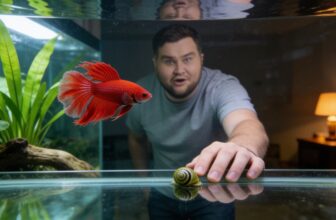
Best live foods for betta fish transform your pet from surviving to thriving. Daphnia top the list since their crunchy exoskeleton scrubs the gut clean, preventing bloat and constipation. Feed 4-6 per serving.
Mosquito larvae offer protein but harvest only from clean, rain-filled containers to avoid pesticides. Black worms (2-3 per meal) boost color but are treats, not staples.

High-protein treat that boosts color and energy, feed sparingly.

Insect-based pellets mimic natural diet, supports digestion and vitality.
Nutrient-rich shrimp enhances color and provides essential fatty acids.
Check discounted items inLive Fish Food
Wingless fruit flies (1-2 every other day) mimic wild prey. Micro worms work for fry.
Tubifex worms carry parasite risk – freeze first. Fairy shrimp culture easily in saltwater.
Chop mealworms finely. Vinegar eels need just apple cider vinegar.
Stick with daphnia for daily feeding; the rest are supplements. Stick around for culturing tips.
At A Glance
- Daphnia acts as a natural fiber supplement, scrubbing the gut and preventing bloating.
- Wingless fruit flies closely mimic wild betta diets with tiny, skittery prey.
- Bloodworms should be limited to once weekly to avoid iron overdose and constipation.
- Tubifex worms require freezing to kill parasites before feeding to bettas.
- Brine shrimp should be fed 2-3 times weekly as a supplement, not a staple.
Why Daphnia Are the Top Live Food for Betta Digestion
Since betta digestion is famously delicate – these fish evolved to process small, fibrous prey in the wild – daphnia stand alone as the safest, most effective live food for keeping things moving.
Their crunchy exoskeleton acts like nature’s fiber supplement, scrubbing the gut clean.
A simple Daphnia culture setup costs under $20 and yields endless meals.
Feed 4-6 per serving, and watch your betta’s belly stay flat.
No bloating, no constipation.
For Betta digestive health, daphnia are the undisputed champions.
They’re the low-risk, high-reward choice every keeper should master.
This approach mirrors insect protein sources that enhance immune support and reduce waste in other fish.
A diet rich in such natural foods also benefits from stable vitamin C to maintain overall health in captive environments.
Bottom line: if you want a happy, regular betta, start culturing daphnia today.
Feeding Mosquito Larvae Safely Without Risk
Safety is the name of the game when offering mosquito larvae. You’re inviting wild, potentially risky meals into your careful community.
Mosquito reproduction can escalate fast if larvae mature, so harvest them young, ideally before day five.
Pesticide avoidance is critical – never gather near lawns or farms. Those chemicals kill bettas quietly.
Collect from clean, rain-filled containers only.
Refrigerate wild larvae for up to two weeks, rinsing them first.
Feed just 3-5 per meal, stopping if your betta pauses.
It’s a simple, rewarding staple when done right.
The bottom line: safe sourcing plus strict portion control makes this a worry-free, natural treat. A healthy filter bacteria activity supports water quality during this feeding routine. Products like Fritz Aquatics FritzZyme 7 provide live nitrifying bacteria that accelerate biological filtration and maintain stable water parameters during feeding routines.
Black Worms: A High-Protein Treat for Better Color
Black worms are a high-protein treat that can seriously boost your betta’s color. Their rich worm protein content fuels rapid color improvement, making scales pop like tiny neon signs. But remember, they’re a treat, not a staple – feed only 2-3 per meal to avoid constipation. For a similar live feeding benefit, consider RODI Water Cultivation Advantages for keeping live foods like copepods free of contaminants. A high-quality RO/DI system ensures your live food cultures remain uncontaminated by harmful dissolved solids.
| Aspect | Detail |
|---|---|
| Protein boost | High, for color improvement |
| Feeding limit | 2-3 per meal |
| Risk | Overfeeding causes digestive issues |
Serve these squirmy morsels sparingly, fellow keeper. Your betta will thank you with striking hues, but go easy – nobody likes a bloated fish. They’re the secret sauce, not the main dish.
Wingless Fruit Flies: A Near-Perfect Match to Wild Diets
Wingless fruit flies are about as close as you can get to replicating what a betta would snack on in the wild. They’re tiny, skittery, and irresistible – a bug that flies (or doesn’t) right into your fish’s instincts.
Wingless fruit flies: a tiny, skittery bug that perfectly taps into your betta’s wild instincts.
- Breeding setup: A simple culture jar with medium. Costs under $10. No mess.
- Feeding frequency: 1–2 flies per meal, every other day. Easy.
- Why they work: Wingless won’t escape; bettas hunt them eagerly.
They’re not a complete diet, but man, do they fit. A solid, low‑effort live food for the discerning keeper. Bottom line: worth culturing.
Micro Worms: High-Protein Live Food for Fry and Adults
Since you can’t just feed your betta the same flake pellets every day without feeling a little guilty, micro worms offer a high‑protein alternative that’s almost comically easy to raise.
They’re a solid choice for both a baby betta and adults, packed with protein to support growth.
That said, their fat content is a bit high – too much leads to constipation.
- Feed sparingly, not as a sole staple.
- Culturing is a breeze; just oatmeal and starter.
- Your betta will hunt them with gusto.
Bottom line: Use micro worms as a supplement, not a main course.
They’re a fun rotation food, especially when you need a quick, nutritious boost.
For raising fry safely, consider using Acrylic Fish Breeding Isolation Box options to separate them from adults.
A mesh net design promotes free water circulation to keep the fry clean and oxygenated.
Moina: The Tiny Daphnia With More Protein
If micro worms are the easygoing cousin of live foods, moina is the overachieving sibling who shows up with more protein and a smaller waistline. This tiny daphnia packs a serious protein comparison punch, leaving regular daphnia in the dust. For best results, ensure your aquarium outflow uses 5–9 mm clearance for effective surface skimming to keep the water clear for feeding. Using a 40 PPI sponge on the intake can help trap fine debris while maintaining gentle flow for moina cultures.
Its small size – barely a millimeter – makes for excellent fry suitability, letting baby bettas hunt without choking. For adults, it’s a protein-rich meal that mimics their wild diet.
- Higher protein than standard daphnia
- Perfect for fry growth
- Easy to culture at home
Bottom line: Moina is a powerhouse for bettas of all sizes.
Brine Shrimp: When to Feed This Rich Live Food
Artemia salina, more commonly known as brine shrimp, is the live food that everyone recommends but few warn you about overdoing.
It’s rich – really rich – so feed it only 2–3 times per week.
Overdo it, and your betta’s digestion suffers, ruining both its health and your tank aesthetics with uneaten mess.
For a standard Betta size, 4–6 shrimp per meal is plenty. This precise feeding matches the portion clip mechanism found in many automatic pond feeders, which dispenses controlled amounts.
They’re easy to culture, but need saltwater, not freshwater.
Use them as a supplement, not a staple.
Bottom line: brine shrimp are a treat, not a daily driver.
Keep it moderate, and your betta stays lively.
If you do decide to culture your own supply, you can store the hatched shrimp in a 200 mL chamber to keep them fresh before feeding.
Mysis Shrimp: A Staple Live Food That Keeps Bettas Regular
Why settle for a live food that works only as an occasional treat when you can pick one that doubles as a staple and a digestive aid? Mysis shrimp, otherwise called opossum shrimp, are high in fiber and roughage, keeping bettas regular. Feed just one or two per day because of their size. A reliable flow control switch gang valve ensures stable air delivery when culturing these shrimp in a separate tank.
They’re not too rich in fat, making them safe as a daily meal. For a breeding setup, they’re easy to culture – just guarantee enough food to prevent cannibalism. Add them to your betta’s diet variety; even fussy eaters love them. Bottom line: a reliable, gut‑friendly staple. For quieter maintenance, you can combine these with Ultum silencer components to reduce overflow noise during feeding times.
Bloodworms: Why This Treat Should Be Limited to Once a Week
Notwithstanding its blood‑red color and dramatic name, the bloodworm – the bright red larva of the midge fly – is more of a cheat code than a staple.
Bettas go wild for it, and that Betta palatability is exactly the problem. These wrigglers pack an iron punch, so much so that an iron overdose is a real risk with too many meals.
- Feed only once a week, max two meals.
- Too rich; causes constipation and bloat.
- Think of it as candy, not dinner.
Bottom line: Use bloodworms as a rare reward, not a routine. Your betta’s belly will thank you.
Even in a rimless acrylic aquarium, the same feeding caution applies to avoid water quality issues.
For bettas developing bloat from overfeeding rich treats like bloodworms, antiparasitic treatment guidelines recommend removing activated carbon from the filter and adjusting doses for delicate species before medicating.
Tubifex Worms: Parasite Risk vs. Reward in Live Food
Starting with tubifex worms – the wriggling, reddish bundles often mistaken for bloodworms – means stepping into the highest‑risk corner of live food.
The parasite risk is real, but the reward? A protein-packed treat.
The parasite risk is real, but the reward? A protein-packed treat.
Here’s the deal:
- Wild is risky; they carry parasites from stagnant sludge.
- Commercial sourcing safety matters – buy from reputable sellers only.
- Worm lifecycle management: freeze them to kill off nasties, then feed 1–2 per meal.
- Avoid overfeeding; uneaten worms rot fast in substrate.
Bottom line: stick to frozen, buy smart, and treat sparingly.
Your betta will thank you – no hospital visit needed.
Using a product like Seachem Prime in the tank water can detoxify ammonia from any decaying food, further protecting your fish.
Liquid treatments like Fritz Aquatics ACCR Water Conditioner also maintain stable pH while binding leftover ammonia from uneaten worms.
Fairy Shrimp: Easy Live Food to Culture as a Staple
From tubifex worms’ sludge‑dwelling parasite roulette, it’s a relief to land on fairy shrimp – a live food that won’t make you play doctor.
Live food culturing is a breeze here; just start a culture in a simple container with saltwater and aeration. You’ll never buy them again.
For feeding schedule optimization, give your betta 2–3 per meal, twice a day max. Mix with other foods for complete nutrition – no single live food has it all. Dissolves cleanly, no clouding Crystalpro Liquid Mineral Salt provides essential minerals for overall fish health without clouding the tank.
They’re easy, reliable, and perfect as a staple.
Bottom line: boring to watch, brilliant to feed.
A copper‑free formula like Brightwell Aquatics Shrimp Florin ensures these shrimp remain safe for sensitive invertebrates.
Mealworms: Chop Them for Safe Betta Feeding
Fairy shrimp are easy; mealworms are the tough‑guy of the live‑food world. Their hard outer shell and large size mean you can’t just toss them in. You need proper mealworm chopping first.
- Chop finely – Use sharp scissors to cut mealworms into tiny pieces, ensuring your betta can swallow and digest them safely.
- Feed sparingly – Offer just 1–2 chopped pieces per meal, no more than twice weekly, to avoid constipation.
- Always supervise – Remove any uneaten bits after 10 minutes to prevent rotting in the tank.
- Storage tip – Refrigeration slows growth, giving you a steady supply of softer baby mealworms.
For bettas in larger setups, consider providing a dense piece of untreated Mopani wood to create sturdy hiding places that mimic their natural environment. Adding a coral driftwood piece also supports beneficial bacteria growth in the tank.
Bottom line: Chomped mealworms become safe feeding tips that help your betta thrive without the risk.
Vinegar Eels: A Long-Lasting Live Food for Clean Tanks
If you can keep a clean tank, vinegar eels might just be the most hassle‑free live food on this list. They’re tiny, wriggly, and high in protein, perfect for bettas and fry.
Vinegar eel cultivation is absurdly simple – just apple cider vinegar and a jar. Their tank cleanliness compatibility is key; in a messy tank, they’ll survive but look gross. In a clean one, they last for hours, uneaten and safe. A three‑stage filtration system prevents the seal leaks and motor failures common in many electric cleaners. For betta keepers who prioritize zero-maintenance equipment, manual siphon power provides a reliable alternative without electric shock risk.
- Pros: Easy to culture, high protein, stays alive.
- Cons: Needs clean water, small for adults.
Bottom line: If your tank stays tidy, you’ve found your lazy-day live food.
Frequently Asked Questions
Can Betta Fish Eat Live Foods From Pet Stores?
Yes, bettas can eat live foods from pet stores. The key is pet store quality matters, as reputable shops sell cultured, disease-free options like daphnia or brine shrimp, which are safer than wild caught risks.
For instance, wild mosquito larvae or tubifex worms may carry parasites from stagnant water, but store-bought cultures are cleaner.
Stick with familiar options – avoid overfeeding rich treats like bloodworms at 1–2 meals weekly.
Bottom line: choose store-bred, not wild-sourced, for a happy, healthy betta.
How Often Should I Rotate Live Food Types?
Rotating live food types is the key to a betta’s bliss, or you risk a picky piscine pal.
A solid variety schedule means feeding one food for two days, then swapping. For example, three days of high-protein brine shrimp, two of fibrous daphnia, then one treat of black worms.
This feeding frequency prevents boredom and digestion woes. Aim for four types weekly, skipping bloodworms as a staple.
Your betta will thank you.
Do Live Foods Improve Betta Fish Color?
Yes, live foods can boost betta color. Natural pigments in options like brine shrimp and daphnia increase vibrancy when part of a varied diet.
Feed mysis or black worms 2–3 times weekly for rich hues. No single live food does it all – mix them up.
Overdo it? Your betta gets fat, not fancy.
Stick to rotation, avoid treats as staples, and watch those scales pop. Simple: variety equals brilliance.
Can I Breed Multiple Live Foods Together?
You can breed multiple live foods together, but it’s a bad idea. Different species need different conditions, and mixing them creates messy bacteria culture management.
You’re better off with separate breeding containers – like keeping daphnia in one, microworms in another. Think of it as throwing a party where nobody likes the same music; chaos follows.
For reliable results, isolate cultures. It’s less work, avoids cross-contamination, and keeps your betta’s meals consistent.
Bottom line: separate containers make life easier and your fish happier.
Is There a Live Food Safe for Sick Bettas?
Yes, several live foods are safe for sick bettas – with caution. Medicated feeding means choosing options with high nutrient density to aid recovery without stressing digestion.
Micro worms or vinegar eels work well: they’re soft, easy to eat, and won’t foul the tank. Avoid rich foods like bloodworms or tubifex.
Feed sparingly – 2-3 micro worms per meal – to prevent overloading. Start small, watch for improvement.
Bottom line: gentle, protein-rich live foods support healing.
Rounding Up
So, there’s your live food lineup. Pretty fantastic, right? Daphnia for digestion, worms for color, and fruit flies for fun.
The Breakdown:
You’ve got staples (fairy shrimp, daphnia), treats (black worms), and risky business (tubifex, except cultured). *Splendens* deserve solid strategy, not sloppy snacking.
The Bottom Line:
Pick three live foods. Rotate them. Don’t overfeed. Your betta will flash brighter fins and a fatter belly – without the fat.

Detoxifies ammonia and nitrites, keeps water safe during live food feeding.

Reduces stress and promotes slime coat, ideal after adding live foods.

Boosts biological filtration, maintains stable water quality with live food diets.
See today's best deals onAquarium Water Conditioners