Chalk bass need 30 gallons minimum, plus 15–20 more per fish, since hierarchy matters – dominant ones front, subordinates behind.
They eat flakes, mysis, squid, grazing live rock between feeds; two small meals daily, scattered wide.

High-protein treat that encourages natural foraging and growth.

Balanced daily diet for omnivorous reef fish, easy to scatter.

Nutrient-rich supplement to vary diet and reduce feeding boredom.
Check discounted items inFish Food
Water stays 72–76°F, pH 8.3, salinity 1.020–1.025, tested weekly.
They live five to eight years if Popeye or parasites don’t intervene.
School five or six for confidence, add clownfish or wrasses as mates, skip triggers and lions.
Now, breeding’s almost automatic – clean water, three to four fish, dawn spawning – so there’s more to unpack if you’re sticking around.
At A Glance
- Feed omnivorous diet of flakes, brine shrimp, mysis twice daily across scattered zones.
- House five to six fish in 30+ gallons with caves, stable 72–76°F water, and secure lids.
- Avoid triggers, lionfish, fin-nippers, and cramped conditions with clownfish.
- Breeding pairs form naturally; collect eggs promptly and raise fry on rotifers.
- Provide 15–20 gallons per additional fish to establish healthy hierarchy.
Chalk Bass at a Glance: Reef-Safe, Shy, and Schooling
Though they might not win any beauty contests against the flashier reef fish, Chalk Bass (*Serranus tortugarum*) have built a quiet reputation among aquarists who know what matters – now, that sounds like damning with faint praise, but hear me out.
Quiet beauty for those who know what matters in reef keeping.
Their Chalk bass coloration – soft lavender, peach, and pale blue stripes – shifts under reef lighting like watercolor bleeding on wet paper. Not screamingly bright, but honest, you know?
And here’s the thing: Chalk bass vocalizations, low-frequency grunts and pops during courtship, make them audible participants in your tank’s soundscape. Stɑy in groups, five or six ideally, because they’re schooling fish, and schooling means safety, means reduced stress, means you’ll actually see them instead of just their hiding spots.
When introducing new individuals to your established school, a magnet acclimation box with its gentle water flow and magnetic grip through the glass can reduce transfer stress while letting them adjust to your tank’s parameters.
Tank Size and Space Requirements for Chalk Bass
So how much room does a fish the size of your thumb actually need? More than you’d guess, honestly. Chalk Bass need space planning that respects their shy, schooling nature – cramped quarters stress them, and stressed fish hide, sulk, jump.
Tank dimensions matter: length beats height, since these fish dart horizontally along rockwork. A 30-gallon minimum keeps a small group comfortable, though 15–20 gallons per fish lets hierarchies form without bloodshed.
- 30 gallons minimum for your starter group – anything smaller invites trouble, and not the fun kind.
- 15–20 gallons per additional fish so everyone claims territory without constant bickering.
- Prioritize floor space over vertical drama; these bass stay low, weaving through caves and crevices.
Live rock piles, secure lids (jumpers, every one), and patience during acclimation – low light at first, then standard reef brightness once they settle. I mean, nobody thrives under interrogation lamps on day one.
A rimless low‑iron glass design maximizes horizontal viewing so you can observe their schooling behavior without visual distortion from thick glass frames.
Water Temperature, pH, and Salinity Guidelines
Since Chalk Bass hail from reef slopes and rubble zones in the western Atlantic, they’re fussy about water chemistry – not neurotic, mind you, but firm in their preferences.
| Parameter | Ideal Range |
|---|---|
| Temperature | 72–76 °F |
| pH | 8.1–8.4 |
| Alkalinity (dKH) | 8–12 |
| Specific Gravity | 1.020–1.025 |
Now, pH fluctuations? A nightmare. These fish tolerate narrow windows, so sudden swings crash their immune systems. I mean, test weekly. Salinity stability matters too – evaporation spikes salinity fast, so top off with fresh water, not salt. For reef tanks in this pH range, marine pH buffers such as Seachem Reef Buffer or Brightwell Alkalin8.3-KH Buffer can help maintain the stable 8.3 target these fish demand.
Keep parameters steady. Your bass will thank you. Well, they’ll swim normally. Close enough.
Rockwork and Caves: Building Secure Hideaways
Where does a chalk bass go when the world feels too bright, too loud, too full of looming shadows? Into the rockwork, naturally, those craggy sanctuaries where reef texture matters more than you’d think.
Cave placement shapes everything – these fish stake claims, form hierarchies, find their people. Now, placement isn’t random. You want options, variety, escape routes.
Three things to remember:
- Stack live rock loosely, gaps matter, breathing room
- Vary reef texture – smooth, porous, sharp, let them choose
- Position caves near the bottom, chalk bass stay low, they like it down there
Secure fish feel brave. Brave fish belong.
In larger systems, incorporating adjustable baffle chambers helps maintain stable water conditions that keep these shy fish calm and encourage them to venture out from their rocky retreats.
What to Feed Chalk Bass and How Often
Once the rockwork’s in place and the caves feel like home, hunger starts calling.
Diet selection matters – think omnivorous opportunists, not picky gourmands. They’ll take flakes, brine shrimp, mysis, krill, maybe some squid if you’re feeling fancy.
Algae helps, too, so live rock or a refugium keeps them grazing between meals.
Feeding frequency? Two small meals daily works, maybe three if they’re growing.
Scatter food across zones so everyone gets a bite without brawling.
And yes, variety prevents nutritional boredom – because even bass get tired of the same old shrimp, probably.
For planted aquaria that also house Chalk Bass, maintaining chelated iron in the water column supports any live algae sources and plant-based grazing areas.
Preventing Overfeeding and Food Aggression
Even though they’re small, chalk bass eat like they’ve got something to prove, and that appetite can quickly turn from charming to catastrophic.
Feeding stress builds fast in tight quarters, and unchecked portions bloat bellies, foul water, and shorten already brief lives.
Feeding hierarchy develops quick – dominant fish monopolize meals while subordinates hide hungry.
Spreading food across zones keeps peace, lets everyone claim territory.
- Portion control – pea-sized amounts, twice daily, no more
- Multiple stations – disrupts hierarchy, reduces chasing
- Watch the bellies – gently rounded means stop, sunken means worry
They’re fish, not garbage disposals.
Just as precise flow control matters when maintaining aquarium water quality with siphon equipment, exact portion control keeps these territorial fish healthy and stress-free.
Chalk Bass Behavior: Jumping, Hiding, and Schooling
Leap they will, given half a chance – chalk bass are notorious jumpers, and that skittish streak doesn’t fade with familiarity. Sudden movements, bright light switches, even the shadow of a passing hand serve as jumping triggers, so a secure lid isn’t negotiable, it’s survival.
Secure lids aren’t paranoia for chalk bass – they’re survival against their own frantic, trigger-happy instincts.
Now, cave utilization defines their daily rhythm. These fish crave structure – rock piles, shells, any crevice worthy of the name. Without refuge, they stress, and stressed chalk bass waste away.
But give them company, and something shifts. Schooling binds them, calms them; five or six together moves as one liquid thing. Solitude? Unnatural. Crowded? Unworkable. Balanced groups, roughly fifteen gallons per fish, hit the sweet spot. They’ll still dart, still vanish into rockwork, but they’ll also linger, hover, belong.
Hierarchy forms fast – dominant fish front and center, subordinates trailing. Watch for it. And yes, they hide when strangers approach the glass. Patience earns trust; three weeks, maybe, before boldness surfaces. I mean, relatively bold. We’re still talking chalk bass here.
Adequate lighting enhances their color vibrancy and overall well-being, mirroring considerations from betta care where proper illumination supports visual health and natural behaviors.Compatible Tank Mates for Chalk Bass
Choosing companions for chalk bass means balancing their peaceable nature against their occasional skittishness, their reef-safe credentials against their opportunistic appetites.
- Clownfish and anthias bring calm energy, matching their gentle swimming, sharing space without hierarchy wars.
- Algae control specialists like lawnmower blennies make excellent partners, grazing surfaces while chalk bass pick plankton mid-water.
- Lighting cycles matter here – sync compatible species that settle similarly when beams dim, reducing panic at dusk. Tangs, fairy wrasse, cardinalfish fit this rhythm; they retreat together, emerge together, a synchronized community.
Now, this grouping works because everyone understands the pecking order, or rather, the lack of one. The aquarium becomes shared territory, not battleground.
I mean, isn’t that the point? Belonging, without the drama.
Maintaining stable water chemistry is essential for this peaceful community, so consider using a pH precision 0.01 meter like those found in quality aquarium kits to keep parameters in optimal ranges for all inhabitants.
Species to Avoid With Chalk Bass
Why keep a chalk bass only to watch it vanish? Successful reef keeping means knowing who doesn’t belong in your community tank. Pred life presents obvious dangers: triggerfish, lionfish, and larger bass relatives view these small, peaceful fish as live food.
Now, coral compatibility isn’t the issue here – chalk bass themselves are reef-safe grazers – but tankmates must share that gentle disposition. Avoid any species known for fin-nipping, territorial aggression, or shrimp-hunting tendencies. I mean, even a hungry clownfish can turn bully if cramped. Choose wisely, and your chalk bass schools in security, not hiding.
While freeze-dried treats work well for turtles, similar caution applies when selecting prepared foods for sensitive reef fish, as aggressive eaters may outcompete timid species at feeding time.
Lifespan and Growth Rate
So how long does a chalk bass actually stick around? Typically one to two years in captivity, though cultural variation means some individuals sprint toward maturity as others saunter. They grow fast, these little fish – reaching adulthood quicker than many reef dwellers – and that algae growth in your refugium? It fuels their omnivorous appetites between feedings.
Now, here’s what keeps your community thriving:
- Stock 15–20 gallons per fish so nobody feels cramped
- Expect rapid juvenile growth, then a steadier cruise through adulthood
- Monitor size differences; hierarchy forms, and the little ones need escape routes
Their brief stay makes each healthy year count.
Unlike fine pre-washed aquarium sand that can trap impurities and extend filtration life in reef systems, chalk bass thrive best with stable water parameters rather than specialized substrate choices.
Popeye, Parasites, and Disease Treatment
1. Popeye diagnostics start with the obvious – bulging eyes, cloudy lenses, that tragic goldfish-at-a-carnival look. It’s bacterial, usually, or water quality throwing a tantrum. Quarantine helps, antibiotic food too, maybe UV sterilization if you’re fancy.
Parasite prevention means watching for protozoan cysts, those tiny freeloaders that love stressed fish. Keep parameters tight – 72–76°F, pH 8.1–8.4 – and don’t skip water changes. Healthy chalk bass resist most pathogens, but slack off and, well, nature finds a way.
Now, treatment isn’t rocket science, but it demands attention. Catch issues early, act fast, and your fish stays in the club.
Acclimating New Chalk Bass to Your Tank
Once the med tank clears out and your chalk bass is steady-eyed again, the next test arrives: getting a new fish settled without the whole operation going sideways. Quarantine procedures buy you time, they really do, catching problems before they spread like gossip in a small tank. Now, acclimation protocols matter more than most hobbyists admit – temperature, salinity, pH, all matched slow, over thirty minutes minimum, drip if you’re fancy. Low lights, caves nearby, and a mesh lid since these jumpers panic. Keep the group small, three max, let hierarchy settle gentle. Patience here means belonging later.
Patience here means belonging later – drip slow, dim the lights, and let the hierarchy settle gentle.
- Drip acclimate – thirty to sixty minutes, matching temperature and salinity drop by drop, no rushing it.
- Dim the lights – strings up stress, gives them rock to hide under while they figure out the new neighborhood.
- Quarantine first, always – two weeks minimum, watch for Popeye, parasites, anything that turns your reef into a hospital ward.
How Chalk Bass Breed: Pairing and Spawning
Pairing and Spawning
Where does the next generation of chalk bass actually begin? With two fish, actually, since these synchronous hermaphrodites keep both male and female equipment on hand, swapping roles daily like coworkers trading shifts.
Pairing happens naturally – add three or four to your tank, watch them sort themselves, establish hierarchy. The dominant pair emerges, others drift to background roles or need rehoming. No forced matchmaking required, which is nice.
Spawning triggers include pristine water, obviously, but additionally subtle gen breeding cues: temperature holding steady around 74–75°F, dawn light shifts, maybe that particular moment when everyone’s eaten well and feeling cooperative.
Eggs release into the water column, drift upward, settle on rocks. Collect quickly – filters, curious shrimp, they all snack. The pair will spawn again tomorrow, trading jobs, patient as clockwork.
Raising Fry: Eggs to Juveniles
Raising Fry
The real work begins the moment you spot those pinprick eggs glinting on rock surfaces, which is to say: now, and with some urgency. Egg collection must happen fast – filters devour them, snails cruise by like they own the place, and suddenly your breeding project becomes a very expensive snack bar. So, gentle suction, transfer to a hatching tank, done.
Now Fry nutrition: forget flakes, that’s rookie stuff. These babies need rotifers, phytoplankton, the good green water of life itself. Keep it coming, or watch them fade.
- Collect eggs within hours using turkey baster or siphon
- Feed rotifers and phytoplankton constantly, starting day two post-hatch
- Transfer juveniles at eight weeks, or find them homes
Frequently Asked Questions
Do Chalk Bass Need a Night-Light?
Chalk bass do not require a night-light; they need a natural night cycle with darkness for proper rest.
Their substrate preference for rocky caves and crevices means they retreat to these hiding spots when lights dim, feeling secure without illumination.
A consistent day-night rhythm supports their health, reduces stress, and prevents skittish behavior.
Standard aquarium lighting suffices – just guarantee complete darkness overnight.
Can Chalk Bass Change Color When Stressed?
Yes, chalk bass display a stress response through pigment shift, typically lightening or darkening their pale pink-purple bodies when threatened.
This rapid color change, reversible once calm, serves as camouflage or warning.
Observers note it during sudden movements, poor water conditions, or aggressive encounters.
Maintaining stable parameters – 72–76 °F, pH 8.1–8.4 – minimizes episodes.
Stress-related fading usually resolves within hours if environment improves.
How Many Chalk Bass Form a School?
Chalk bass form small groups of roughly three to six individuals, though pairs are common in smaller tanks.
Their school dynamics remain loose – think casual acquaintances, not synchronized swimmers – since each fish still claims personal space near rocks and caves.
In the wild, their habitat range spans deeper Caribbean reefs where modest aggregations forage together yet scatter quickly when threatened.
Stock accordingly, or expect shy, isolated behavior instead of cohesive schooling.
Are Chalk Bass Sensitive to Medication?
Chalk bass show moderate medication sensitivity, though no extreme drug reactions are documented.
Standard marine treatments – antibiotics, copper, formalin – require standard dosing with careful observation.
Quarantine new specimens, dose conservatively, watch for stress signs like clamped fins or rapid breathing. They’re hardy, not bulletproof.
Do Chalk Bass Make Clicking Sounds?
Chalk bass do produce clicking communication through acoustic signaling, though it’s subtle, easy to miss.
They grind pharyngeal teeth, creating soft pops and snaps – territorial chatter, mostly.
Now, this isn’t loud; you’d need quiet tanks, listening ears.
I mean, some keepers never notice.
But it’s there, a basslet Morse code, saying *back off* or *here I am*.
Small fish, small voices.
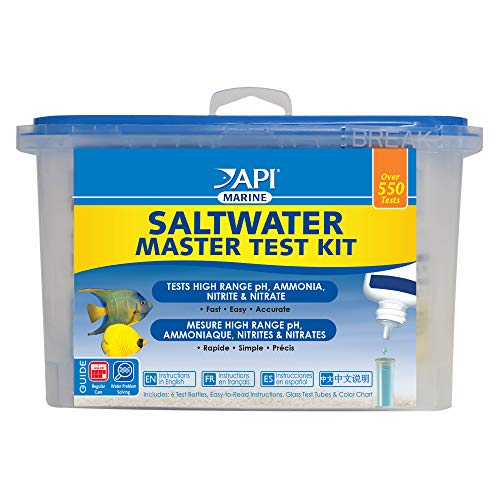
Monitors pH, ammonia, nitrite, nitrate for stable water conditions.

Stabilizes pH and alkalinity to prevent swings.

Accurately measures salinity for precise specific gravity.
Browse discountedAquarium Water Careon Amazon