Betta fish jumping out of their tank is a cry for help, not a stunt. Your betta jumps since something is wrong.
Poor water quality is the top trigger; ammonia buildup from irregular cleaning feels toxic, prompting a desperate leap. Tank boredom from too-small spaces (under five gallons) adds restlessness.

Restores damaged slime coat and gills after a jump or water-quality stress.

Detects ammonia and pH swings before they trigger a desperate leap.
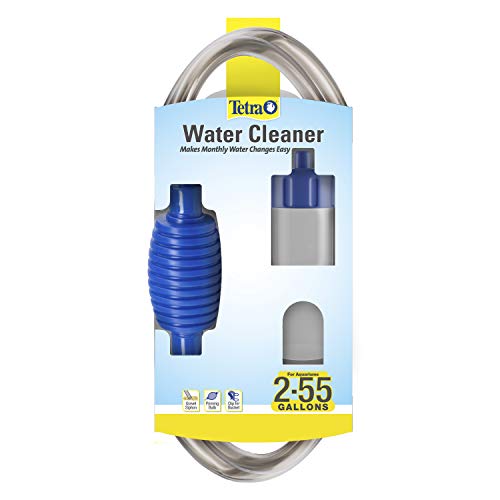
Makes weekly water changes easy and removes waste that feeds ammonia.
Check discounted items inAquarium Maintenance
Sudden pH or temperature spikes cause panic, and broken light cycles confuse their sleep. For emergencies, check dried gills and use API Stress Coat.
Stop the escape before it starts—keep reading to fix each cause.
At A Glance
- Poor water quality from ammonia buildup triggers desperate jumping to escape toxicity.
- Tank boredom in tanks under five gallons causes restless jumping behavior.
- Sudden pH or temperature spikes stress bettas into thinking water is toxic.
- Improper lighting disrupts sleep cycles, leading to confusion and jumping.
- Damaged gills or slime coat after a jump requires emergency first aid.
Why Your Betta Is Jumping (Start Here for Immediate Fixes)
Start by checking the water. Poor water quality is the number one reason bettas start jumping. They’re literally gasping for a cleaner option.
If your betta already jumped and you’re reading this, check for dried gills and a damaged slime coat. The slime coat is their immune system’s first line of defense. A torn slime coat means infection risk spikes. Dried gills mean breathing becomes painful. Using a conditioner with aloe vera additive like API Stress Coat can help accelerate fin and slime‑coat healing. A damaged slime coat from jumping may also require a gentle antifungal remedy like API Bettafix to prevent secondary infections.
You belong to the group that wants to fix this. So inspect those parameters immediately, before considering any other cause. Your betta isn’t being dramatic—it’s trying to survive.
Improve Water Quality to Stop Jumping Triggers
Water quality issues often sneak up on betta owners, turning a calm tank into a jump-ready escape room.
Water quality issues often sneak up on betta owners, turning a calm tank into a jump-ready escape room.
Ammonia buildup from irregular cleaning, extreme pH shifts, or sudden temperature swings all trigger that desperate leap.
Your betta isn’t being dramatic; it’s fleeing toxic water.
- Weekly 25% water changes with gravel vacuuming keep ammonia below 0.5 ppm.
- Stable pH between 6.5-7.5 prevents chemical shock.
- Temperature at 78-80°F avoids thermal stress.
- Proper lighting routine supports their sleep cycle, reducing restless jumping.
Aquarium test strips provide 99% accuracy for quick ammonia checks between water changes.
Using an API Freshwater Master Test Kit provides accurate liquid-drop readings for ammonia, nitrite, nitrate, and pH to help maintain these conditions.
A tank cover is your last line of defense—but clean water is the real fix.
How to Size Your Tank and Environment to Prevent Restlessness
A cramped tank is a restless betta’s worst enemy. A five-gallon minimum prevents tank boredom, but ten gallons is ideal for swimming room. A poor light schedule disrupts their sleep, causing confusion and jumping. Choosing a tank with a 7000 K LED mimics natural sunlight, helping to stabilize their internal clock and reduce stress. A lamp with gradual sunrise simulation can further ease your betta into a natural waking cycle, reducing shock.
| Tank Size | Tank Boredom Risk | Light Schedule Benefit |
|---|---|---|
| 2.5 gal | High | Hard to regulate |
| 5 gal | Moderate | Easier to control |
| 10 gal | Low | Stable day/night cycle |
| 15 gal | Very low | Perfect for rest |
| 20 gal | Minimal | Best for routine |
You want a setup that feels like home, not a prison. Give them space and a consistent light schedule, and they’ll stay put.
Fix pH and Temperature Spikes That Cause Escape Attempts
Even after giving your betta a bigger home and a proper light schedule, sudden pH or temperature changes can still drive them to jump. These spikes stress them into thinking the water is toxic and they need to flee.
- Invest in a heater with a thermostat. A good 25-watt heater costs $15–$20 and keeps temperature consistency within one degree. No more cold shocks. For very small tanks, models with thickened glass tubes provide added durability against accidental bumps. Many of these heaters also feature overheat protection that automatically shuts them off at 97-99°F to prevent cooking your fish.
- Test pH weekly with a liquid kit. Aim for 6.5–7.5 pH, and use a pH buffer ($8) for pH stability. Drastic swings trigger escape attempts.
- Slowly acclimate new water. Match temperature and pH before adding. A digital thermometer ($6) helps avoid sudden changes.
- Cover the lid tightly. It’s your final safety net. A glass lid ($12) blocks accidental jumps even if parameters slide a tiny bit. Your betta stays safe.
First Aid: What to Do If Your Betta Has Already Jumped
Since no amount of prevention guarantees a betta won’t take a flying leap—sometimes they nail that 2-3 inch jump in spite of your best efforts. Your emergency response starts right now. Gently scoop him up, check for dried gills, and return him to tank water. Don’t panic—bettas can survive a few minutes out. To safely handle your betta during rescue, use a soft nylon mesh net to prevent fin damage. Ensure your sponge filter’s gentle bubble flow minimizes stress during recovery.
| Step | Action | Why |
|---|---|---|
| 1 | Return to tank immediately | Dampness revives gills |
| 2 | Add aquarium salt | Improves gill function if dried |
| 3 | Apply API Stress Coat | Restores slime coat recovery |
| 4 | Keep lights off, low stress | Reduces shock |
| 5 | Watch for bottom-laying | Normal; give time |
Your betta might act dramatic, but proper care brings him back. You’ve totally got this.
Frequently Asked Questions
Can Bettas Jump Out of a Fully Covered Tank?
Yes, a betta can still jump out of a fully covered tank if conditions are poor. A tight lid is critical, but tank height matters—bettas can launch 2-3 inches, so a cover that’s too low leaves gaps.
More significantly, poor water condition, like ammonia buildup, will drive them to find cleaner water, even squeezing through tiny openings. Fix the water, not just the lid.
How Can You Tell if a Betta Is Stressed Before Jumping?
A stressed betta is a ticking time bomb—look for glass surfing, where he repeatedly swims along the tank walls, and fin clamping, when fins stay tight against his body like he’s hugging himself.
These signs mean something’s off: poor water, cramped space, or bad light.
Fix the root cause before he takes a literal leap of faith.
You want a calm, happy fish, not a daredevil.
Do Bettas Jump More at Certain Times of Day?
Bettas do jump more at night. Their circadian rhythms—internal clocks—get scrambled by irregular lighting, sparking restless nocturnal activity. A poor sleep cycle leaves them disoriented and more likely to leap after dark.
Fix this by offering at least eight hours of complete darkness daily. Think of it as enforcing a fish curfew. Cover the tank, use a timer. Bottom line: consistent lights-off time cuts jumping risk.
Can Tank Decorations or Plants Reduce Jumping Behavior?
Tank decorations can reduce jumping—but it depends which ones. Floating plants, like hornwort or frogbit, give bettas cover they instinctively crave for safety; bored bettas jump less when they feel hidden.
Silk plants soften the tank too, though they won’t stop a determined escape artist. Think of it as making your betta’s home feel like a cozy lounge, not a bare cage.
Cover the top still, but adding these helps.
Is There a Way to Train a Betta Not to Jump?
Training a betta not to jump is like teaching a cat not to chase a laser pointer—futile. You can’t train instinct; you manage it.
Focus on Tank size (5+ gallons minimum) and stellar Water quality (zero ammonia, stable pH). Those prevent the desperation that causes jumping.
Bettas jump for survival, not sport. So, skip the training; cover the tank. It’s easier, and honesty, we’ve all tried training something stubborn. A lid is your victory.
Rounding Up
So, your betta’s jumping isn’t a party trick—it’s a cry for help. Fix the water, cover the tank, and stop the pH rollercoaster. One owner ignored a tiny ammonia spike; his betta cleared a three-inch gap, landed on a rug, and survived only since he found it within two minutes. That’s luck, not a plan. Don’t test that ten-minute clock. Keep conditions stable, keep the lid on, and your fish stays put.
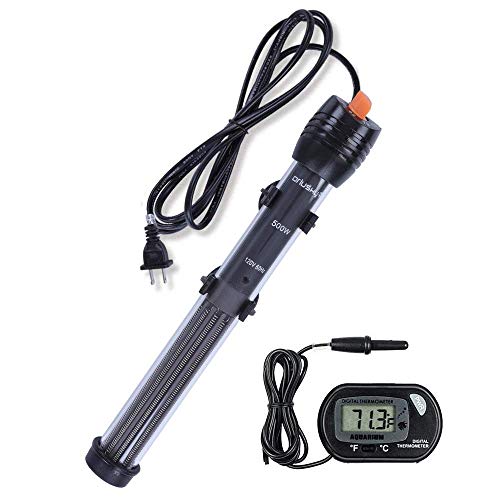
Keeps temperature stable and prevents panic-inducing cold or hot shocks.

Blocks escape gaps while letting light reach your betta’s tank.
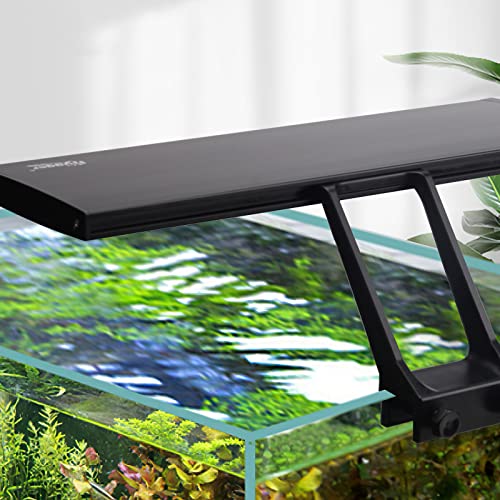
Mimics natural day-night cycles to reduce stress and nighttime jumping.
See today's deals onFish Tank Accessories