
I’ve spent a lot of time researching and trying out coral care methods, so I know exactly why beginners panic when their Green Star Polyps turn into a neon invader overnight, and that fear is completely justified.
You don’t really “feed” GSP, their zooxanthellae do the cooking, so skip the spot-feeding fuss. Their built-in algae partnership means photosynthesis handles nutrition without any reef food supplements from you.

Compact, programmable reef light that boosts coral color and photosynthesis.

Produces shimmer and blue spectrum for vivid polyps and steady growth.
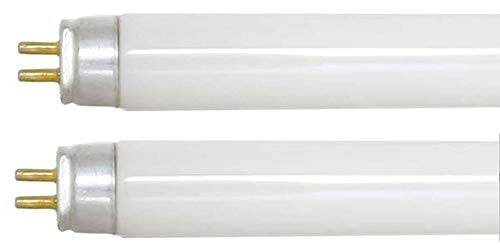
Even actinic coverage keeps Green Star Polyps neon and spreading.
Check discounted items inAquarium Lighting
Place that purple mat on an isolated mid-tank rock island, or it’ll roll over your prize chalice coral like floral wallpaper. I learned this the hard way when my first colony annexed three LPS corals before I noticed.
Give it moderate, swirling water flow, not a fire hose, just enough to keep detritus dancing without blasting the polyps flat. A gyre pump or angled powerhead at mid-tank does this perfectly.
Mount frags with a clean razor blade cut through the rubbery mat, a dab of IC Gel super glue, and sixty seconds of pressure. For a living backdrop, glue pea-sized dots straight onto dry acrylic or glass aquarium walls.
Dial in 50 to 150 PAR of actinic-heavy lighting, stable alkalinity, and low phosphates**, or you’ll get a brown, stringy protest. I run T5 bulbs heavy on the blue spectrum and keep phosphates** under 0.05 ppm for that electric green pop.
You’re buying a neon carpet that thrives on benign neglect, and the real skill is pruning it before it annexes the neighborhood. Stick around for the trimming tricks and the closed polyp fix-it list that saved my colony twice.
At A Glance
- Place GSP on an isolated mid-tank rock island to contain its rapid encrusting growth and prevent overrunning other corals.
- Provide moderate, random water flow of 20–40 times tank turnover to prevent debris buildup without blasting polyps closed.
- Target 50–200 PAR of lighting with actinic blue spectrum to maintain vivid neon-green color and avoid browning or bleaching.
- GSP requires no direct feeding; it relies on its symbiotic zooxanthellae and absorbs dissolved nutrients from the water.
- Propagate by cutting the purple mat with a razor blade and gluing the trimmed piece to a new surface using cyanoacrylate gel.
Are Green Star Polyps Right for Beginner Reefers?
So, why do so many seasoned aquarists roll their eyes and mutter “weed” when someone mentions green star polyps?
Because they’re almost too easy, spreading fast over your rocks.
They’re almost too easy, spreading fast over your rocks.
That’s actually perfect for you, though.
You’ll get quick success, seeing that neon mat claim territory, which feels like joining an exclusive club.
Here’s the verdict:
- They’re forgiving if you fumble parameters.
- They don’t demand spot feeding.
- They’ll even survive a mild tank tantrum.
- Maintaining a stable buffer capacity ensures the pH stability needed for their rapid growth.
- Securing initial frags is a breeze with a high-viscosity cyanoacrylate gel that cures in seconds underwater.
Just start with a $15 frag in a 5-gallon tank, and you’ve got a living light show. Honestly, you’ll feel like a reefing rockstar.
What Water Temperature, Salinity, and Alkalinity Do GSP Need?
Since green star polyps shrug off temperature swings that would send pricier corals into a sulk, you can keep your tank between 72 and 82°F without losing sleep.
Still, they’re not invincible, so here’s your cheat sheet for water chemistry.
- Salinity: Target 1.023–1.025 specific gravity. It’s the sweet spot—think of it as their comfy sweatpants zone.
- Alkalinity: Lock in 8–12 dKH to buffer against pH dips, keeping their skeletons growing steady.
- Stability: Ammonia must stay at zero—they forgive many sins, but not that one.
Even light spread with no hot spots helps avoid stressing the mat, so position your fixture to eliminate harsh beams. For consistent readings, use a NIST-traceable hydrometer to verify your salinity stays in range.
Basically, don’t chase perfection. Just keep things boringly consistent, and your mat will thrive.
How Much Light Do Green Star Polyps Need?
You’ve already dialed in temperature, salinity, and alkalinity, so now let’s shine a light—literally—on what keeps that neon green pop from fading to a sad khaki. Your GSP relies on zooxanthellae, tiny algae living inside its tissue, turning light into food. Without enough, the colony starves, shrinks, and dulls. It’s not picky, though. Any reef LED works, but actinic blues make that green glow like a highlighter. Start around 50–100 PAR, then crank it up slowly. Even coverage from 90° lenses helps prevent shadowed areas that stress the polyps. Uniform distribution prevents shadows and polyps stress.
| Light Level | PAR Range | What You’ll See |
|---|---|---|
| Low | 30–50 | Brown, stringy, never opens |
| Moderate | 50–100 | Green, steady, slower spread |
| High | 100–200+ | Neon, dense, rapid growth |
| Too High | 200+ | Bleached, retracted, burnt |
If you accidentally bleach a section, you can trim away the damaged mat easily, much like detachable leaves on silk plants let you pop off and rinse individual pieces without uprooting the whole decor. Bottom line: don’t overthink it. Strap on a used AI Prime or Kessil, set it to 60%, and watch the magic.
Why Water Flow Makes or Breaks Your GSP Mat
If your GSP mat stays stubbornly shut, don’t blame the coral—blame the lazy water around it. You see, these polyps need flow to flush away their slime coat and bring dissolved goodies, since standing water is like hosting a party where no one takes out the trash.
- Target 20–40x tank turnover: this skims debris off the mat, preventing algae that smothers the purple stolon.
- Use pulsing, random patterns: a cheap $30 wavemaker beats a steady blast, mimicking reef surges so every polyp gets a turn.
- Watch for “wind sock” tentacles: extended, fluttering polyps mean you’ve nailed it; withdrawn ones scream for adjustment.
Set it, tweak it, and let it rip—your mat will thank you by spreading like happy gossip. Using rust-resistant stainless steel tools for routine maintenance prevents microscopic pitting that could otherwise introduce contaminants near the sensitive mat. Installing an acrylic disk silencer on your return line further reduces turbulence and micro-bubbles that can irritate the delicate mat.
Where Should You Place Green Star Polyps in Your Tank?
Picking the right spot for your green star polyps really comes down to flow first, light second—mess those up, and you’ll be staring at a purple rubber mat that’s closed for business. You want that sweet spot where moderate-to-high current sweeps past, keeping debris off the mat, but not a firehose blast that’ll keep polyps tucked in, sulking.
Flow first, light second—nail a sweeping current or end up with a closed purple mat sulking under a firehose.
- Aim for mid-tank on its own rock island unless you enjoy scraping purple stolons off everything.
- Light-wise, 50–150 PAR works, LEDs are fine. Using an adjustable aquarium light riser helps you dial in that ideal intensity without shifting your entire mounting setup.
- Isolating the colony on a frag plug rack keeps the spreading mat contained and simplifies future propagation.
Bottom line: give it space, steady flow, and watch it spread like gossip.
How to Feed GSP for Faster Growth and Brighter Color
Placement squared away? Now, you’re probably itching to see those polyps explode.
Honestly, they don’t need much—their built-in algae, zooxanthellae, handle most meals via light.
Still, a little snack turbocharges growth.
- Broadcast feed: Mix reef-roids into your flow twice weekly; it’s lazy and effective, like me avoiding the gym.
- Spot feed: Target each polyp head with a baster—think meaty juices, not chunks.
- Light discipline: Crank PAR, not just duration, to fuel their internal food source.
Skip this, and they’ll grow fine—boring but true.
Which Fish and Inverts Are Safe With Green Star Polyps?
Finding tank mates for green star polyps is more about dodging troublemakers than curating a guest list, as these daisy-like corals are tough but not invincible.
You’re in good company with most reef-safe fish—clownfish hosting near the mat, blennies perching, and gobies darting around create a lively scene without nibbling.
Steer clear of polyp-munchers like puffers or butterflyfish; they’ll treat your GSP like a snack bar.
For inverts, trusty cleaners like trochus snails and scarlet hermits are safe bets.
Avoid peppermint shrimp, though, as they sometimes develop a taste for polyps.
Basically, stick with the classic, peaceful cleanup crew and you’ll nurture a thriving, no-drama reef.
Corals You Should Never Place Near GSP
Some corals just don’t get the memo that green star polyps are basically the fast‑spreading mat landlord of the reef—they’ll smother anything too slow to step aside.
You’ll want to keep these three far away:
- Precious Zoanthids – Those expensive $50‑a‑polyp beauties? GSP will blanket them like cheap carpet, and you’ll cry.
- Slow‑growing Chalices – Their delicate, saucer‑like skeletons can’t outrun the purple mat’s bulldozing advance.
- Clingy Clove Polyps – They just intermingle into a tangled mess, creating a weedy, impossible‑to‑separate hybrid lawn.
Trust me, save yourself the heartache and the pruning shears. Give GSP its own isolated rock island, and everyone thrives.
GSP Won’t Open? Check These 5 Causes First
Ever stared at a closed-up GSP colony and wondered if it’s staging a silent protest against your reef-keeping skills?
Don’t take it personally—we’ve all been there. Your polyps usually retract because of fixable slip-ups, not your general worthiness as a reefer.
Let’s troubleshoot together.
| Cause | Quick Fix |
|---|---|
| Parameter swings | Test alkalinity and salinity; stabilize with small, frequent water changes. |
| Nipping tank mates | Watch for peppermint shrimp or blennies taking sneaky bites. |
| Excessive flow | Relocate to a moderate zone where tentacles sway, not thrash. |
| Algae smothering | Gently baste the mat to clear debris; it’s like fluffing a pillow. |
You’ve got this.
Why Your Green Star Polyps Are Losing Their Neon Color
When your green star polyps start fading from electric neon to a washed-out pastel, the culprit is almost always a mismatch between your lighting and what their resident algae crave. Those tiny zooxanthellae—the symbiotic algae feeding your coral—need specific light intensity to produce vivid pigments.
- Too little PAR: Dim lighting starves zooxanthellae, causing them to abandon ship and leaving polyps pale.
- Too much PAR: Overly intense light stresses the colony, triggering a bleaching response.
- Wrong spectrum: Actinic blues intensify neon hues; lacking them dulls your polyps’ natural fluorescence. Adjust your fixture’s intensity and spectrum and watch that glow return.
How to Stop Algae From Smothering the Purple Mat
Since your green star polyps’ rubbery purple mat—that stolon, as we call it—spreads like spilled pancake batter across your rockwork, it’s a magnet for the fuzzy, filamentous algae that loves to squat on slow‑flow real estate.
First, crank up your powerhead; a lazy current invites fuzz.
Next, siphon the mat gently during water changes—think of it as vacuuming your living room, but wetter.
Introduce a cleanup crew, like trochus snails, which mow algae without bumping polyps.
Keep phosphates low with GFO, since algae’s a drama queen that’ll crash your reef party.
Your purple mat deserves to shine.
How Fast Do Green Star Polyps Grow and When to Trim
Green star polyps grow ridiculously fast, like a teenager who just found protein shakes—2 to 5 centimeters (about 1 to 2 inches) of new mat per month is standard when their basic needs are met.
That purple mat, their connective base, will swallow bare rock before you finish your coffee.
You’ll need trimming when it trespasses onto neighboring corals’ turf.
- Watch the Edges: Look for the mat creeping up expensive zoa colonies.
- Trim Monthly: Peel and cut the rubbery mat with a razor blade—it’s oddly satisfying.
- Use Barriers: Place a bare rock border to contain its ambition, or accept your new GSP garden.
Think of it as underwater lawn care for your reefing tribe.
How to Frag GSP and Mount It to Plugs or Rock
You’ve already peeled back the runaway mat to keep your zoa garden safe, so now let’s put those trimmed bits to work.
Frag this softie by slicing its rubbery purple mat, not individual polyps, with a clean razor blade—no finicky glue needed right away.
Wedge the trimmed piece into a hole in a frag plug, or simply rubber‑band it to a rock, letting it attach on its own.
Keep the flow low for a few days so it doesn’t blow away before encrusting.
It’s almost laughably easy—I’ve accidentally stuck mats to my fingers.
Soon, you’ll have gifts for the whole reef club.
How to Glue GSP to Tank Walls for a Living Backdrop
Ever wonder why the back wall of your tank sits bare as the rocks battle for space?
Ever stare at that bare back wall while the rocks hog all the glory?
You’re not alone—we’ve all stared at that glass void.
Transform it with a living GSP backdrop.
It’s easier than you think, trust me, I’ve glued myself to frustration more than once.
Here’s your no-fuss game plan:
- Dry and prep: Towel‑dry the wall spot; wipe the mat’s underside—moisture kills adhesion.
- Glue dots only: Apply pea‑sized cyanoacrylate gel dabs, not a smear, so it cures fast without smothering the tissue.
- Press and pray: Hold firmly for 60 seconds.
Wait, you’re done—nature handles the rest, spreading that neon green curtain.
Frequently Asked Questions
Why Do GSP Sometimes Detach From the Mat?
You’re dealing with a sneaky survival move—detachment often happens when flow’s too strong, water’s stale, or light’s dim, so the polyps bail, hoping to land somewhere better.
- Check your pump: a focused blast shreds that rubbery mat connection.
- Test your alkalinity: swings stress them out fast.
- Inspect for algae creeping underneath, lifting the mat like bad wallpaper.
Anchor loose pieces with glue or mesh, and tweak flow to a broad, moderate sweep—your colony stays put then, looking sharp.
Can pH Fluctuations Kill a Full Colony?
Yes, ph swings can absolutely nuke your whole colony, though they’re tougher than you’d think.
Think of pH as the coral’s mood ring—they’ll sulk shut for a day, but rapid drops below 7.8, or spikes over 8.6, start dissolving that rubbery stolon, the mat it all grows from.
You’ll see polyps bail out, turning into sad little floating escape pods.
A seasoned tank once lost a dinner-plate-sized mat overnight from a kalkwasser mishap.
Stability’s your real friend here—test weekly, since these guys hold a grudge.
Keep it boringly steady, and they’ll spread like cheerful, unkillable turf.
Are Blue Lights Enough for Long-Term Health?
Blue lights alone aren’t enough for long-term GSP health.
You’ll see your polyps stretch and fade over weeks, like a sun-starved houseplant leaning desperately toward a window. Their tiny algae tenants—zooxanthellae—need a fuller spectrum, especially reds and whites, to photosynthesize properly. It’s a slow decline, not a dramatic meltdown.
- Intense blue? Great for pop, poor for fuel.
- Mix in 20–30% white/red channels, or run a full-spectrum preset.
- A cheap $60 LED bar with day whites prevents a “haunted tank” look.
Keep your mat happy—blast it with a balanced sunrise, not a disco party, and you’ll avoid a pale, reclusive colony.
Why Do New Polyps Grow Deformed Tentacles?
You’ll see wonky, twisted tentacles if your flow’s too weak or your light’s patchy. GSP polyps stretch out weirdly hunting for better current and photons.
- Bounce your powerhead off the glass for indirect, moderate‑high flow—you want every polyp wiggling, not blasted.
- Upgrade to a $60‑80 reef LED if your old puck leaves dark corners.
They’ll self‑correct within a week once conditions even out. Simple fix, really—think of it as your coral politely complaining. Just adjust and watch them fall in line.
Will Iodine Dips Help After Shipping Stress?
An iodine dip won’t fix deformed tentacles, so skip it—you’re just soothing your own nerves, not the coral’s.
Shipping stress hits GSP hard, making new polyps emerge weird and wonky. It’s temporary, like a bad haircut you can’t stop staring at. Your best move is stable, clean water and strong light, letting zooxanthellae—the tiny algae inside feeding them—do their work.
Specs to lock in:
- Alkalinity 8–12 dKH
- Calcium 400–500 ppm
- Zero ammonia
Keep flow moderate-to-high to sweep off grime. New polyps typically straighten out in 2–3 weeks without you messing with bottles. Only consider iodine if you spot infection—fuzzy, sloughing tissue—but that’s rare. Bottom line: don’t panic-dip.
Rounding Up
You’ve chosen GSP—a fast, forgiving coral demanding a firm hand. Verdict: Perfect for beginners, but it’ll colonize your tank if you’re passive.
- Light: Crank it high; their zooxanthellae need fuel.
- Flow: Blast them with chaotic current to shed gunk from the purple stolon.
- Placement: Isolate that mat on a solo rock, or your prized Acropora becomes a green toupee.
Trim monthly, glue frags to plugs, sell ’em for $10–15. With stable calcium and zero ammonia, you’ll grow a shimmering backdrop that’s the envy of your reef club—scissors mandatory.

Pulsing random flow sweeps detritus away and keeps polyps open.

Compact circulation pump creates gentle current ideal for nano reefs.
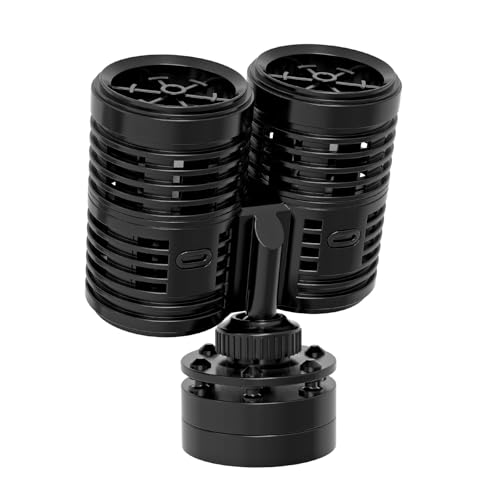
Adjustable water movement prevents dead spots and mimics reef surges.
See today's best deals onAquarium Wavemakers


