Elegance corals want soft sand, not rock, sitting low under 80–120 PAR light that won’t bleach them, and flow gentle enough to sway tentacles without whipping them.
Feed twice weekly—brine shrimp, Mysis, chopped small—using a turkey baster held two inches above, since these are hunters, not beggars.

Targets food exactly where tentacles can grab it, no waste.
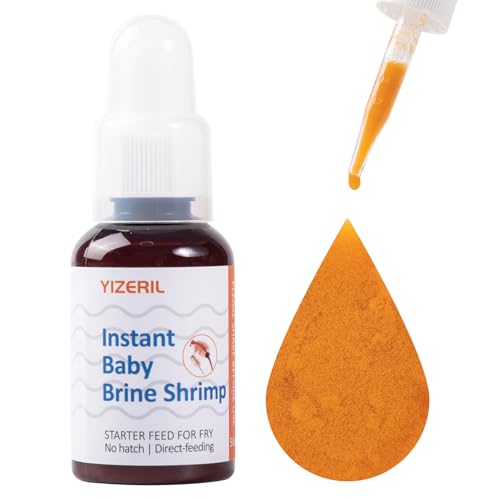
Nutritious meaty meal that triggers natural feeding response.

High-protein soft food corals readily accept and digest.
See today's best deals onAquarium Food
Grow an inch yearly, maybe, if summer warmth cooperates.
Frag with a band saw, one mouth per piece, iodine dip, patience.
Stable chemistry beats perfect numbers, and pests like hermits?
Nighttime terrorists.
There’s more to unpack if the basics feel too simple.
At A Glance
- Target 80–120 PAR with full‑spectrum blues and whites, acclimating from bottom placement to prevent bleaching.
- Maintain moderate flow of 20–40× turnover with gentle tentacle sway; avoid strong current that strips tissue.
- Feed twice weekly using syringe‑delivered brine shrimp, Mysis, or krill chopped into small pieces.
- Frag with electric bandsaw cutting one mouth per piece, then dip in iodine before monitoring recovery.
- Space elegance corals at least six inches apart and from aggressive tankmates to prevent stinging conflicts.
Why Won’t My Elegance Coral Open?
Staring at a closed Elegance Coral is like waiting for a stubborn garage door—frustrating, vaguely embarrassing, and usually fixable if you know where to look.
Waiting for a stubborn garage door—frustrating, vaguely embarrassing, and usually fixable if you know where to look.
The culprit often hides in plain sight: light shock, flow tantrums, or neighbor drama with nearby tankmates.
Check these first—
- Too-bright beams bleach coral coloration; too dim starves zooxanthellae
- Aggressive tankmates trigger retraction; six inches minimum, people
- Bristleworms, hermits, shrimp—tiny terrorists at 3am
Now, acclimation takes weeks sometimes. Patience, not panic.
Parameter swings? Another story.
But start here. The coral wants to open; it genuinely does.
Excessive turbulence and overflow noise from improperly baffled sumps can also stress Elegance Corals into staying closed, as they prefer gentle, distributed water flow rather than chaotic currents.
What Water Parameters Do Elegance Corals Need?
Once the coral finally opens, the real work begins—because keeping it that way means nailing the chemistry. Stability, really, that’s the whole game.
Target Ranges
- Temperature: 74–83°F (23–28°C)
- pH: 8.1–8.4
- Alkalinity: 8–12 dKH
- Calcium: 400–450 ppm
- Magnesium: 1200–1350 ppm
- Nitrates: ≤20 ppm; Phosphates: 0 ppm
And hey, tank cycling before adding one? Non-negotiable. Nothing tanks coral aesthetics like ammonia spikes turning tentacles into soup. Test weekly, adjust slowly—reefers who rush, crash.
To maintain that 8–12 dKH window consistently, consider using a multi-component carbonate buffer system designed specifically for reef aquariums, which automates pH regulation at 8.3 and supports the aragonite formation elegance corals need for skeletal growth.
How Much Light Do Elegance Corals Need?
So how much light does an elegance coral actually want—not what it can tolerate, but what keeps those tentacles waving like they mean it? I mean, these creatures aren’t sun-worshippers, but they’re not cave-dwellers either.
The sweet spot? 80-120 PAR. Call it 100 PAR your safe baseline, like that one restaurant everyone in the reef club agrees on. Light intensity matters, certainly—too much and you’ll bleach this beauty faster than a bad haircut. But spectral balance, now that’s the secret handshake. Blues, whites, some warm tones. Full spectrum, not disco-ball chaos. Fixtures delivering 60-130 µmol/m²/s at working depths, such as the NICREW HyperReef 100 Gen 2 with its 90° lenses, provide reliable coverage for LPS colonies at the lower end of this range.
Sweet spot is 80-120 PAR—100’s your safe bet, like that restaurant everyone in the reef club finally agrees on.
Bottom placement, gentle acclimation. Your zooxanthellae helpers need time to adjust—rushing gets you a stressed coral, and nobody wants that reputation.
How Much Water Flow Do Elegance Corals Need?
Why does flow matter so much for a coral that just sits there looking pretty? Well, stagnant water means debris settles, bacteria multiplies, and your coral fundamentally suffocates in its own waste. Not exactly the vibe we’re going for.
For Elegance corals, shoot for moderate flow—roughly 20-40× turnover, though “moderate” varies by who you ask. Too gentle, and detritus accumulates; too aggressive, and tissue sloughs off like a bad sunburn.
- Flow calibration matters more than raw pump power
- Aim for tentacles gently swaying, not whipping around in distress
Pump selection should prioritize adjustable output. Random flow patterns work, steady fire-hose streams do not.
Now, I mean, every tank differs—yours might need tweaking. Watch the coral’s response, adjust incrementally, and trust observation over manufacturer specs.
When selecting a circulation pump, consider that three‑speed settings allow you to fine-tune flow intensity for different times of day or coral behavior, matching output to demand rather than running at maximum power continuously.
Where Should You Position Your Elegance Coral?
Where does this particular coral actually want to live? The tank bottom, mostly—soft sand, not rock, since tissue damage stings. Now, coral placement matters: give it room, six inches minimum from neighbors, since elegance corals throw hands with anything nearby. Lighting strategy sits at moderate intensity, 80-120 PAR, though 100 PAR works fine. Too bright, she bleaches; too dim, she starves. To protect against unwanted intruders or jump-prone fish that might disturb your coral’s environment, consider light-transmitting mesh covers designed for aquarium use.
| Position | Light Needs | Spacing |
|---|---|---|
| Bottom, soft substrate | 80-120 PAR | 6+ inches from corals |
| Moderate flow zone | Gradual acclimation | Avoid aggressive tankmates |
| Open space below | 100 PAR baseline | Single specimen recommended |
Flow? Moderate. She hates a hurricane, loves a steady breeze.
What Should You Feed Elegance Corals?
Feed your Elegance Coral twice weekly, supplementing what its zooxanthellae algae partners already provide through photosynthesis.
Now, the menu matters for coral aesthetics. You want soft, meaty offerings—brine shrimp, Mysis shrimp, krill, maybe some reef roids if you’re feeling fancy.
Chop everything small, I mean really small, or your coral just stares at it like a disappointed relative.
Market trends push flashy labeled foods, but honestly? Basic seafood works fine. Copepods, daphnia, tiny fish bits—whatever’s digestible.
Watch those tentacles extend, that’s your green light.
And hey, skip the overfeeding. Nobody wants an algae farm, and your elegance definitely doesn’t.
To further enhance nutrient uptake and support long-term health, consider soaking frozen foods in a full-spectrum vitamin supplement designed for marine corals before feeding.
How Do You Target Feed an Elegance Coral?
How exactly does one get food into a coral that can’t move?
Now, targeted feeding sounds technical, but I mean, you’re basically shooting snacks at a stationary target.
Two-word trick: syringe feeding. Use a turkey baster or pipette, release brine shrimp or Mysis about two inches above extended tentacles, and watch those sticky strips grab prey.
Syringe feeding: turkey baster, pipette, two inches above sticky tentacles. Done.
Prey selection matters—size it to the mouth, maybe quarter-inch pieces. Fragments work, whole krill, not so much.
Feed twice weekly, moderate enthusiasm, no overfeeding. Watch tentacles extend, retract, you’ve succeeded.
Timing? Evening helps, the coral’s hunting then.
That’s the club secret.
Just as betta enthusiasts use low-flow filtration to protect delicate fins from damage, elegance corals need gentle water movement during feeding so food particles remain within reach of their tentacles rather than being swept away.
How Fast Do Elegance Corals Grow?
Once the feeding routine settles in—tentacles grabbing, retracting, snack successfully snagged—most reef keepers start wondering what kind of timeline they’re looking at.
Elegance corals, you see, aren’t in any rush. Growth growth clocks roughly one inch, maybe one and a quarter, per year. Seasonal variation matters—summer warmth accelerates, winter slows. Patience, then, becomes the shared badge of this hobby.
| Factor | Typical Range | What It Means |
|---|---|---|
| Annual growth | 1–1.25 inches | Slow, deliberate expansion |
| Adult size | 12 × 8 inches | Years to reach maturity |
| Tentacle spread | 4–6 inches | Account for this in placement |
| Summer growth | +20–30% | Warmer temps, faster metabolism |
| Winter growth | Baseline or slower | Cooler temps, conservation mode |
Now, comparing notes at the local reef club—who’s winning, who’s waiting—that’s where belonging lives. I mean, nobody’s bragging about their racing coral. Maintaining crystal clear water through proper filtration, such as using a protein skimmer matched to your tank’s waste load, supports the stable conditions these slow growers need to thrive.
Which Tank Mates Can Live With Elegance Corals?
Reef keepers, bless them, usually figure out pretty quick that elegance corals don’t do well with just anybody.
These corals need space—six inches minimum from neighbors—or they’ll sting whatever touches those long, hungry tentacles. Now, compatible companion fish? Think peaceful bottom-dwellers: Royal Grammas, Lawnmower Blennies, the occasional cautious clownfish pair. But skip the cleanup crew entirely. No hermits, no shrimp, definitely no bristleworms—they’ll nip at fleshy tissue like it’s a buffet.
And substrate choice matters more than you’d guess. Soft sand beds let them settle naturally; sharp rocks scratch tissue, invite infection.
Tank size? Thirty gallons minimum, ninety better. Room to breathe, you know?
For aquarists needing to temporarily isolate problematic tank mates or protect vulnerable specimens, mesh net breeding boxes allow water circulation while preventing unwanted interactions with prized corals.
What Is Elegance Coral Syndrome?
Nobody knows precisely where elegance coral syndrome comes from—bacterial hitmen, water chemistry gone sideways, coral genetics playing dice—and that uncertainty stings worse than the diagnosis itself. You’re standing there, PAR meter in hand, watching tentacles retract like they’ve seen something awful.
Now, the syndrome strikes fast. Oral discs swell, polyps refuse food, and symbiotic balance collapses between host and zooxanthellae. Recovery rates sit somewhere between “maybe” and “don’t hold your breath.”
- Retracted tentacles signal early infection
- Swollen oral discs look like bad allergies
- Photosynthetic partners abandon ship
- Death follows, usually, within weeks
Prevention means vetting suppliers hard. Regular water quality assurance tools can help detect subtle chemical shifts that may stress elegance corals before visible symptoms appear.
Why Do Elegance Corals Bail Out?
Why Elegance Corals Bail Out
Why does a coral—an animal cemented to rock for millennia—suddenly decide to pack its bags? Elegance corals bail out when their baseline needs collapse, a final stress indicator after subtler warnings go unheeded.
Why does a coral—cemented to rock for millennia—suddenly decide to pack its bags?
Bailout triggers stack fast or slow: relentless flow above 40× turnover strips tissue, bare nutrition leaves them hollow, and parameter swings—temperature spikes, pH crashes—push them past threshold. They abandon skeleton, flesh crawling toward perceived safety.
Watch for early signals: tentacles stay retracted, the oral disc shrinks, feeding response fades. These cries for stability, ignored, become the prelude to departure. Respond early, or watch them wander.
How Do You Treat Brown Jelly Disease in Elegance Corals?
Treating Brown Jelly Disease in Elegance Corals
Treatment demands speed, isolation, and a willingness to get your hands wet—literally. Brown jelly disease, that soupy brown menace, spreads fast—so fast it makes your head spin, and not in a fun way.
Now, here’s the battle plan:
- Move the coral to quarantine protocol immediately, no shortcuts
- Remove all jelly with a turkey baster, gentle now, don’t tear tissue
- Apply precise antibiotic dosage per coral weight—too little fails, too much burns
- Keep water pristine, check daily, and maybe, just maybe, your elegance pulls through
I mean, it’s coral ICU, but someone’s gotta do it.
How Do You Frag an Elegance Coral?
Fragging Elegance Coral
Slice into an Elegance Coral at your own risk, I mean, this is not beginner fragging territory—tissue sits deep in that skeleton, stubborn and unforgiving, which means one slip with the blade and you’re holding two halves with questionable odds of survival.
Propagation techniques demand precision. Australian specimens fare best, so:
- Retract tentacles with gentle agitation
- Cut with an electric bandsaw, one mouth per frag minimum
- Dip in iodine solution or reef dip
Frag success remains elusive. Slow growth, deep tissue, and finicky recovery mean most attempts disappoint. But when it works, you’ve earned bragging rights in this particular corner of the reefkeeping world.
How Do You Keep Elegance Corals Healthy Long-Term?
Keeping Elegance Corals Alive for Years
Once the frag saw goes cold and the iodine dip dries, the real work begins—anyone can hack a coral in half, but keeping it alive for years? Now, that’s reefkeeping cred.
Those who belong, who actually *belong*, know the game: water, flow, feeding, patience. I mean, coral genetics matter—some lineages just *thrive*, others sulk and fade. And your symbiotic algae? They’re doing the heavy lifting, photosynthesizing lunch you fuss over PAR readings.
Long-term health means acknowledging what you don’t control, then controlling what you can.
- Test water weekly; stability beats perfection
- Feed twice weekly, soft and meaty
- Moderate flow, 20-40× turnover; no hurricane mode
- Respect spacing; elegance corals sting neighbors
Frequently Asked Questions
Can Elegance Corals Survive Without Target Feeding?
Now, obsessive target feeding—twice weekly, soft meaty bits—bridges the gap.
Starvation’s possible, mediocrity’s likely, excellence demands the effort.
Do Elegance Corals Change Color Under Different Lighting?
Yes, light modulation drives pigment adaptation in elegance corals. Their zooxanthellae shift density and coral proteins fluoresce differently under varying PAR intensities.
Too much light bleaches them pale; too little dulls their vibrancy.
Now, stable 80-120 PAR keeps colors honest, but acclimate slowly—shock turns a specimen ghost-white fast.
I mean, they’re moody that way. Think of it as coral tanning, except burning means melting, which nobody wants.
Should Elegance Corals Be Dipped Before Adding to Tank?
Dip timing matters, and yes, elegance corals should be dipped.
Now, the acclimation protocol isn’t fussy, but it saves headaches:
- Dip every new coral, period. Pests hide in elegance skeletons like bad roommates you didn’t interview.
- Use iodine or commercial reef dip, five to ten minutes, maybe—nobody times this with a stopwatch.
- Rinse in tank water afterward.
- Then float, drip, standard stuff.
I mean, skip it and you’ll learn why the hard way.
Can Elegance Corals Recover From Complete Skeleton Exposure?
Skeleton exposure? Brutal. Full recovery depends on how deep the damage goes—surface scrapes, maybe, but exposed polyps with tissue still attached stand a fighting chance.
Now, light adaptation matters here, since sudden intensity burns damaged tissue. I mean, slow acclimation, roughly 80-120 PAR over weeks, not days.
Clean water, stable parameters, 74-83°F, and patience.
It heals, slowly, or it doesn’t. No guarantees in reef keeping.
Do Elegance Corals Benefit From Supplemental Strontium Dosing?
Yes, they do. Strontium supports skeletal development, though elegance corals aren’t the hungriest consumers.
Strontium bioavailability matters—dosing ions that precipitate out wastes money and patience. Aim for 8–10 ppm, testing weekly since guessing invites disaster.
Now, dosing protocols: drip or dose daily, never dump. I mean, stability beats spikes. And honestly? If levels read fine, skip the bottle—overdosing clogs more tanks than underdosing ever has.

Makes clean frag cuts with one mouth per piece, less stress.

Prevents infection and aids healing after fragging or handling.

Measures real light so you can hit 80–120 PAR confidently.
Browse discountedAquarium Tools & Maintenanceon Amazon