You can reasonably expect 15 years from a domestic koi, but Japanese bloodlines often hit 40-plus, sometimes 60.
Your pond’s depth matters more than you’d think—a shallow tank cuts that number in half. Prioritize a 5-foot deep zone, quality high-protein pellets, and a filter rated for double your pond’s gallons.
Skip cheap food; it leads to fatty livers.
At A Glance
- Domestic koi average 15 years; Japanese varieties often exceed 40 years.
- Male koi typically outlive females, living 25-30 years versus 20-25.
- Minimum 250 gallons per koi and deep zones extend lifespans toward 40 years.
- High-protein pellets and limited feeding prevent fatty liver and ammonia spikes.
- Quarantine new fish for 30 days to prevent disease and reduce early mortality.
What Determines How Long a Koi Fish Lives?
So, what actually determines how long a koi fish lives? It’s mostly genetics, your care, and a bit of luck. Male koi tend to outlive females, for instance.
So, what actually determines how long a koi fish lives? Mostly genetics, your care, and a bit of luck.
But you’ve got the real power here. Feed them a balanced diet—high-protein pellets plus brine shrimp or algae—and don’t overdo it. Overfeeding? That’s a fast track to a shorter life. Similarly, just as Seachem Reef Dip provides a trusted disinfectant for sensitive aquatic life, a clean environment is critical for koi health.
Your pond’s size matters too; cramped quarters stress them out. Aim for at least 250 gallons per fish.
Keep water clean, pH steady between 7.0 and 8.6, and you’re setting them up for success. Using a collapsible 5‑gallon bucket can make daily water changes easier, helping maintain those ideal water parameters.
The Average Koi Lifespan: Domestic vs. Japanese Varieties
Now, let’s look at how long these fish actually live, since not all koi are created equal.
You’ll find domestic koi average just 15 years—think of them as the budget commuter car of the koi world.
Japanese varieties, nevertheless, typically cruise past 40 years, with some legendary ones hitting 60 or more thanks to superior genetics and meticulous breeding.
That’s a massive difference, right? It boils down to bloodlines and care standards.
If you’re aiming for a lifelong pond companion, going Japanese costs more upfront but pays off in decades of enjoyment.
Bottom line: domestic for short-term fun; Japanese for the long haul.
Providing a high light transmission cover can support koi health and reduce stress, which is critical for maximizing their lifespan.
Maintaining stable water parameters with regular testing and an adjustable heater further supports koi longevity and disease resistance.
Do Male Koi Live Longer Than Females?
You might think gender wouldn’t matter much in a pond, but male koi tend to edge out females by a few years on average.
Males avoid the stress of egg-laying—spawning drains energy and strains their immune system.
Females, though essential to your breeding dreams, pay the price with a slightly shorter clock. A male often reaches 25–30 years, while females hover around 20–25.
Don’t worry, though—your pond needs both. If you’re after max lifespan, lean male-heavy for your school. That’s the quiet secret among hobbyists like us.
As with anemones, stable water parameters encourage longer, healthier lifespans in fish. Supporting this with a balanced calcium-to-phosphorus ratio in their diet further promotes longevity and strong bone health.
How Genetics Shape Koi Life Expectancy
That male-versus-female lifespan gap? It’s real, but genetics matter way more. Your koi’s DNA loads the dice before you even fill the pond. Here’s how lineage shapes their years:
- Bloodline purity: Japanese koi, bred for centuries, average 40+ years. Domestic lines? Around 15 years—less careful breeding, shorter lives.
- Breed-specific quirks: Larger varieties like Kohaku often outlive slender types. Chunky bodies handle stress better, oddly enough.
- Inbreeding risks: Some breeders prioritize color over health. You’ll spot weaker fish early—they’re smaller, slower, or prone to illness.
Bottom line: Start with quality stock. It’s the cheapest insurance for a long life.
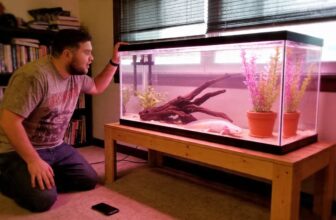
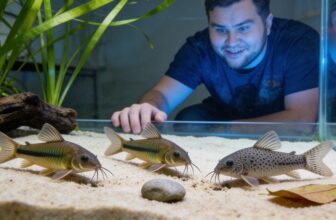
Additionally, providing soft substrate and driftwood can help reduce stress and support natural behaviors that improve overall health. For koi kept indoors, replicating a dark sand environment can further mimic natural habitats and reduce stress on their barbels.
Why Pond or Tank Size Matters for Koi Lifespan
Your koi’s lifespan doesn’t just boil down to luck or lineage—it’s directly tied to the size of their pond or tank, since cramped quarters sabotage growth and health.
Your koi’s lifespan is tied to pond size—cramped quarters sabotage their growth and health.
Adult koi hit 24–36 inches, so a single fish needs at least 250 gallons—a school demands 1,000+.
A shallow, four-foot zone keeps water cool in summer; deeper areas absorb winter warmth.
Too small, and you’ll stunt their growth, shorten their years, and create a stunted, stressed fish.
Size isn’t just luxury; it’s necessity.
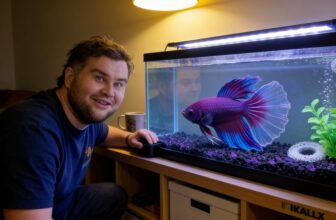
For indoor setups, a tank with a rectangular design offers the broader surface area needed for stable oxygen exchange and water quality. A rimless low‑iron glass tank delivers 91% light transmission and superior clarity, enhancing visibility of your koi.
Bottom line: give them room to swim, and they’ll repay you with decades of companionship.
The Right Water Parameters for a Long-Lived Koi
Since water quality is the invisible life support system for your koi, getting it wrong can cut their time with you by decades. You’re not just keeping fish; you’re managing a delicate chemistry set. Nail these specifics:
- pH 7.0–8.6: Test weekly. A swing of even 0.5 stresses them, inviting disease. Keep it steady, like your morning coffee ritual. Use a digital pH meter with automatic temperature compensation for reliable readings.
- Ammonia 0 ppm, Nitrite ≤0.25 ppm: Your filter’s doing the heavy lifting. If these spike, you’ve got a poop party nobody wants. Perform 10% weekly water changes. Any trace of ammonia must be 0 ppm as even low levels stress fish and invite fin rot.
- Dissolved oxygen ≥6 mg/L: Use an air pump. Warmer water holds less oxygen, so match aeration to summer heat. They breathe harder than you after a jog.
Get these right, and your koi won’t just survive—they’ll thrive.
How Nutrition Boosts Koi Lifespan
Nutrition might sound less dramatic than water chemistry, but it’s the daily fuel that determines if your koi hits forty or fizzles out at fifteen.
You’re part of the crew that wants those decades, so feed smart.
Mix commercial pellets with natural goodies: algae for fiber, brine shrimp for protein.
Mix commercial pellets with natural goodies: algae for fiber, brine shrimp for protein.
Don’t overdo it—fat koi don’t live long.
A balanced diet boosts immunity, slashes disease risk, and keeps their metabolism humming.
You’ll notice brighter colors, more energy, and a calmer pond.
That’s your payoff.
Feed them like you’d feed yourself: variety, moderation, and a little love.
Your koi will thank you by sticking around.
For additional immune support, consider a powder containing L‑Ascorbyl‑2‑Polyphosphate, a stable form of vitamin C that resists breakdown in moist feeds and ensures consistent nutrient availability.
Just as a protein skimmer removes surface film to improve water clarity, a balanced diet prevents organic buildup inside your koi’s system, supporting long-term health.
The Best Foods for a Healthier, Longer Life
Okay, let’s get one thing straight: you can feed your koi the fanciest pellets on the market, but if you’re just tossing in any old flake, you’re basically hoping for a fifteen-year fish.
For a healthier, longer life, you need to switch it up.
- High‑protein pellets (40‑45% protein) from brands like Hikari or Saki-Hikari; they float, mimic natural feeding, and cost around $15‑25 for a 2.2‑lb bag.
- Fresh veggies like shelled peas or chopped romaine—they boost fiber and keep digestion smooth.
- Live treats such as brine shrimp or bloodworms; you’ll find them frozen at pet stores for $5‑8.
Mix and match, and you’re in the inner circle.
Pairing good nutrition with a biological pond filter helps clear waste and keeps water quality high.
A multi‑stage filtration system can also remove toxins and debris to further reduce stress on your koi.
Overfeeding: The Surprising Lifespan Killer
Since you love your koi, you might think extra food equals extra love—but that’s actually the fast track to a fish funeral. Overfeeding clogs their digestive tract, spikes ammonia, and fattens them up for an early grave.
| Overfeeding Effect | What Happens to Your Koi |
|---|---|
| Fatty liver | Organ failure creeps in |
| Polluted water | Ammonia burns their gills |
| Slow digestion | Bloated bellies, no energy |
| Shorter lifespan | You lose years, not weeks |
You’re not alone—many keepers do this. But portion control? That’s how you join the long‑life club. Stick to 2‑minute feeds, three times daily. Your fish will thank you, and your filter won’t wage war. A floating pellet formula like TetraPond Koi Vibrance allows you to easily monitor consumption to prevent overfeeding. Choosing a low‑voltage safety setup for your pond lighting can further protect your koi from stress and electrical hazards.
How to Manage Pond Temperature Through the Seasons
If you’re planning to serve your koi in a temperature‑shock smoothie, you need to get seasonal pond management right. Your pond’s temperature swings are the real drama queens of koi keeping.
- Install a pond heater or chiller – They’re pricey ($300‑$1,500), but they keep your water steady between 59‑77°F year‑round. For larger ponds, prioritize units with titanium heat exchangers to resist saltwater corrosion if you later add marine plants.
- Add shade cloth in summer – A 70% shade cover over shallow areas drops temps by 5‑10°F, preventing heat‑stress.
- Use a floating de‑icer in winter – It keeps a hole in the ice for gas exchange, no matter how cold it gets.
Bottom line: stable temps = stable koi. Manage the seasons, and your fish won’t feel shocked. For indoor setups, a 1,100‑lb capacity stand ensures your tank remains structurally sound while you monitor water temperature.
Common Diseases That Shorten Koi Lifespan
So you’ve got your pond temperature locked in, but here’s the thing—koi can handle a little seasonal drama.
The diseases that cut their lives short? Those you can’t ignore.
Bacterial infections, like fin rot or ulcers, creep in when water quality dips.
Parasites—think anchor worm or ich—show up uninvited.
You’ll spot clamped fins, flashing, or lethargy.
Catch them early, treat immediately.
Keep your filter clean, remove dead leaves, and test pH weekly.
It’s not glamorous, but you’re in this together.
A little vigilance now saves you heartbreak later.
Your pond’s a team effort.
Testing pH weekly helps you maintain the proper bioload balance, just as adjusting protein skimmer sizing prevents foam loss in a reef tank.
A four daily feeding events schedule mimics natural foraging patterns, supporting health and reducing stress.
Koi Herpesvirus: What Every Owner Must Know
When you can handle most bacterial infections with a clean filter and a watchful eye, koi herpesvirus (KHV) plays by completely different rules. This virus hits hard and fast, causing roughly 80% mortality within days. You can’t cure it—only prevent or manage outbreaks. During treatment, ensure your filtration system includes media like Seachem Purigen to help manage water quality and reduce stress on infected fish. Larger tanks with accurate interior volume help reduce stress, which is critical for fighting viral outbreaks.
- Watch for red or white gill lesions alongside gasping at the surface; that’s KHV knocking.
- Quarantine every new fish for 30 days at 70°F; it’s the only real defense you’ve got.
- Raise water temperature to 86°F temporarily—this slows viral replication, giving survivors a fighting chance.
Bottom line: test before you buy, never skip quarantine, and keep your koi community tight.
Daily Habits That Prevent Common Koi Diseases
Since you’ve already met KHV—the viral nightmare that demands quarantine and temperature tricks—most other koi diseases are way easier to sidestep with a few daily habits.
Start each morning by scanning your pond for anything off: a clamped fin, a sluggish swimmer, or a fish hanging near the surface. That’s your early-warning system.
Remove decaying leaves or leftover food pronto—rotting muck breeds bacteria and parasites.
Feed only what they’ll eat in two minutes, no more.
A quick water test for ammonia and nitrite keeps your bio-filter balanced.
Trust your gut; you’ll catch trouble before it spreads.
Consistent feeding times can also help reduce stress and support digestion.
Pond Construction Tips for Maximum Koi Lifespan
Your daily disease checks are a solid habit, whereas the pond itself can make or break your koi’s shot at hitting forty years. Build it right, and you’re giving them a fighting chance.
- Go deep, but not too deep. A 5-to-6-foot deep zone keeps water cool in summer and warm in winter, dodging temperature swings that stress koi. Shallow shelves? Great for basking, but don’t skimp on the depth.
- Overfilter like you’re paranoid. A filter rated for double your pond’s gallons—say, a 2,000 GPH pump for a 1,000-gallon pond—handles waste better. Your koi don’t care about your budget.
- Add shade, stat. A 40% shade cover over the shallow end blocks UV rays and algae. Your fish won’t thank you, but they’ll live longer.
Bottom line: invest in depth, filtration, and shade. It’s the cheapest insurance for a forty-year friend.
Frequently Asked Questions
Can Koi Live With Goldfish Without Affecting Lifespan?
Yes, you can house koi with goldfish, and they won’t directly affect each other’s lifespan—assuming you’re not a neglectful pond parent.
The trick is size and water quality. Koi grow huge (24‑36 inches) and need 250‑500 gallons each, plus a heavy-duty filter. Goldfish produce more waste than you’d think. Overcrowd or slack on water changes, and stress cuts years off both.
How Do I Choose a Koi With Good Genetics?
You’ll spot good genetics mostly by looking at the parents—that’s the real giveaway.
If you can’t see them, fish from a trusted Japanese breeder. They’re pricier, $100–$500+ for a juvenile, but their line averages 40 years.
Avoid cheap pond stock; it’s a gamble.
Check for clear eyes, smooth scales, and a strong, straight body.
That’s your short‑cut to a long‑lived buddy—don’t settle for less.
What Is the Best Way to Transport a New Koi Safely?
The best way to transport a new koi safely is a calm, dark, and gentle ride. You’ll need a large, clean plastic bag—double-bagged for leaks—filled one-third with pond water and two-thirds pure oxygen. Keep the bag in a styrofoam cooler to stabilize temperature (59-77°F is ideal). Avoid sudden jolts; treat them like your favorite takeout. No feeding before travel reduces waste stress. Acclimate them slowly once home.
Do Koi Hibernate, and Does That Extend Their Life?
Yes, koi do hibernate—sort of.
They enter a slowed-down state called torpor when water drops below 50°F, not true sleep.
You’ll notice them hovering near the bottom, barely moving.
Does it extend their life? Not guaranteed, but it can—by lowering metabolism and stress, like a long winter nap.
Just keep water oxygenated and avoid feeding below 50°F; don’t let them starve or suffocate.
It’s more about surviving winter than adding years.
How Often Should I Test My Pond Water for Parameters?
You should test your pond water at least once a week during warm months, and every two weeks in winter.
That’s the sweet spot for catching issues early—ammonia or nitrite spikes can kill your koi fast.
Grab a reliable liquid test kit (not strips, they’re junk).
Test pH, ammonia, nitrite, nitrate.
It’s not glamorous, but consistent testing is the best insurance for a thriving pond.
Don’t skip it, or you’ll regret it.
Rounding Up
So, here’s the hard truth: if you treat your koi like a goldfish in a bowl, you’ll get five years, tops. But if you mimic their Japanese roots—deep water, steady pH, and a diet that doesn’t turn them into a blimp—you’re looking at forty-plus years. That’s longer than most marriages, people. Bottom line? Invest in a big pond (250 gallons per fish) and a solid filter (expect $500–$1,000). Your payoff isn’t just a fish; it’s a decades-long, slightly sassy, scaled roommate.