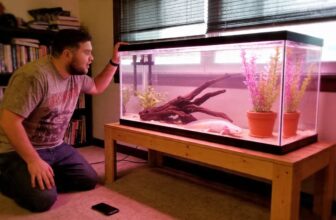
A 20-gallon glass box sits on a sturdy table, empty except for a thin layer of gravel. Water waits in jugs nearby, dechlorinated and matched to room temperature, about 72 degrees Fahrenheit. The nitrogen cycle, nature’s invisible cleanup crew, needs two to four weeks to grow on filter sponges and tank surfaces. Beginners often feel eager, then disappointed, when fish die too soon. That grief is preventable. The first step is patience, measured in test strips and daily waiting.
At A Glance
- Choose hardy, peaceful fish like guppies or zebra danios that tolerate beginner mistakes.
- Start with a 20-gallon tank for stable water parameters and easier maintenance.
- Cycle the tank 2-4 weeks before adding fish to establish beneficial bacteria colonies.
- Always dechlorinate tap water and test pH, hardness, and ammonia levels before use.
- Feed only what fish eat in two minutes and change 25-30% water weekly.
Pick Hardy Fish for Your First Aquarium

Grab a small net and walk past the crowded fish wall at any pet store, past the shimmering blues and the ruffled fins that flutter like tiny ballerinas.
Walk past the shimmering blues and ruffled fins that flutter like tiny ballerinas, toward something simpler.
Look instead for the modest fish, the ones that survive small mistakes.
Guppies, zebra danios, and pygmy corydoras tolerate uneven temperatures and missed feedings without complaint.
These hardy species offer color choice variety enough to please any eye, yet demand little beyond clean water and patience.
Community compatibility matters: peaceful fish share space without quarrel, creating calm that welcomes beginners.
Avoid fancy “diva” fish until fundamentals feel familiar.
Start small, learn slowly, belong to the quiet world beneath the surface.
Start With 20 Gallons (Smaller Tanks Fail Beginners)
Even though a bright fishbowl on the kitchen counter looks cheerful, it hides trouble beneath its curved glass.
A twenty-gallon tank offers beginners forgiveness that small containers cannot. Water parameters stay steadier, like a wide river versus a shallow puddle.
Lighting schedule becomes manageable—eight hours daily, set by a simple timer. Decor style and plant selection expand; soft-leaved anubias tolerate mistakes. Filtration type matters less when volume dilutes errors. Heater placement stays away from walls, circulating warmth evenly. Water hardness and substrate choice become adjustable, not desperate fixes.
Small tanks punish beginners. Larger ones welcome them home.
Cycle Your Tank Before Adding Any Fish
Even though the filtered water from your faucet looks clean and ready, it carries invisible poisons that harm fish.
A cyclingating filter houses beneficial bacteria, tiny living helpers too small to see.
These bacteria run the Nitrogen cycle, a three-step process where ammonia becomes nitrite, then nitrite becomes nitrate, which plants eat or water changes remove.
Set up your tank, turn on the filter, and wait two to four weeks.
The bacteria need time to grow, like yeast rising in bread, invisible but essential.
Do not add fish yet.
Test the water weekly.
When ammonia and nitrite read zero, your tank welcomes its first fish.
Condition and Test Your Tap Water
Once the empty tank hums with its new filter and the waiting weeks begin, another quiet task demands attention.
The tank hums with potential, and waiting becomes its own quiet work.
- Test the chlorine level in your tap water; trust your nose.
- Condition every drop before it touches the glass; chemicals sting fish gills.
- Measure tap hardness, the minerals dissolved like invisible sugar; soft water needs minerals, hard water needs dilution.
- Consider pH buffering, a steadying hand that keeps the water from swinging sour or bitter.
This patient work, measured in drops and degrees, builds the belonging place where fragile lives will breathe easy.
When to Add Your First Fish (Water Test Milestones)
Three numbers, written on a simple chart, will tell you when the water is ready for its first small swimmer.
Ammonia, then nitrite, then nitrate—each has its own line on the test strip. Patience matters here. Nit cycle timing usually stretches two to six weeks, and beginners often feel lonely watching an empty tank bubble. That emptiness is work happening, unseen. Ammonia spike detection comes first: the bacteria colony must grow enough to eat the poison fish produce. When ammonia reads zero, nitrite hits zero next, and nitrate appears, the community can begin. Zero, zero, some color—then gently, add life.
Feed Less: The 2-Minute Rule Explained
How much food does a fish truly need?
Overfeeding harms more fish than hunger ever could. The 2 minute rule offers a simple safeguard: offer only what fish consume in two minutes, then stop.
- Pinch flakes or pellets smaller than you think necessary.
- Set a timer, watching fish eat actively.
- Remove uneaten food immediately with a net.
- Adjust feeding feeding frequency to once or twice daily, matching your fish’s natural rhythm.
Uneaten food rots, poisoning water. Trust the clock, not your generosity. Veteran aquarists follow this rule, welcoming beginners into their patient, watchful practice.
Do Weekly Water Changes That Keep Parameters Stable
Let food settle in the belly, not the gravel, and attention turns to the water itself, the living medium that holds every breath and movement.
| What Happens | What to Do |
|---|---|
| Fish breathe, plants shed, food decays | Remove 25–30% water weekly |
| Nitrates rise silently, stressing fish | Replace with treated, temperature-matched water |
| Gravel traps waste, clouding the tank | Vacuum debris gently during changes |
| Bacteria cling to filter media | Rinse cartridges in old tank water, never tap, preserving filter stability |
This rhythm builds trust between keeper and kept. Nitrate control prevents the slow poisoning that steals color and energy. The tank becomes reliable, a shared home where fragility finds steadiness through small, repeated care.
Spot Sick Fish Early and Respond Fast
What subtle tremor, caught early, separates alarm from remedy?
Daily vigilance—three minutes each dawn—builds the quiet confidence of one who belongs.
Daily ritual, quiet mastery—the keeper belongs to the water.
D spotting demands attention to small wrongness:
- Fins folded tight like closed umbrellas signal distress.
- White salt-grains on scales mean ich, parasites feeding.
- Gulping at the surface cries oxygen trouble or poison.
- Stillness in a busy fish, hiding, suggests suffering.
Rapid treatment follows recognition: quarantine in a five-gallon hospital tank, match temperature within two degrees, medicate precisely by label.
The tank community watches, waits, trusts the keeper who notices.
Frequently Asked Questions
Do Fish Recognize Their Owners?
Fish recognize their owners through visual cues, learning to associate a specific human face with food and safety.
Owner bonding develops gradually, as fish observe daily routines and respond to approaching footsteps or shadows.
Studies show some species, like cichlids and goldfish, distinguish between familiar people and strangers.
This recognition brings quiet satisfaction, a small connection across the glass that rewards patient attention with visible trust.
Can I Use Bottled Water Instead of Tap?
Bottled water serves as a tap alternative, though water quality varies by brand. Some lack minerals fish need, disrupting mineral balance. Others hold chlorine safety risks if untreated. pH adjustment may become necessary, as bottled water often swings too acidic or alkaline. Temperature control works similarly, matching tank heaters to room conditions. Conditioning remains crucial. Tap water, properly treated, usually proves steadier, cheaper, and simpler for beginners starting their first community.
Should I Turn off the Light at Night?
Yes, turn off the light at night. Fish need darkness to rest, just as people do.
A timer helps maintain steady night timing, turning lights off for 10-12 hours. Without darkness, fish grow stressed and lose color. Some fish show nocturnal behavior, becoming active when lights dim. Darkness lets their bodies recover. A simple outlet timer, costing about ten dollars, creates this rhythm automatically.
How Long Do Beginner Fish Typically Live?
Small fish like guppies and tetras live two to four years with steady care, whereas Corydoras may reach five. Diet lifespan improves with varied, quality food given twice daily. Care level stays low for hardy species, forgiving common mistakes beginners make. Stable water, gentle weekly changes, and patient observation extend these modest lives meaningfully, building confidence through reliable, tangible results.
Why Is My Fish Glass Surfing?
Glass surfing happens when fish swim up and down the tank walls repeatedly.
Glass curvature creates confusing reflections, making fish think companions swim nearby. Water ripples from filters or bright lights add stress. The tank feels too small, or water chemistry tests wrong—ammonia, pH, temperature. Fish feel anxious, trapped, unseen.
Check parameters first. Add plants, dim lights, reduce flow. Give them hiding spots, darkness, time. They want safety, same as anyone.
Rounding Up
A twenty-gallon tank, a timer, and a water test kit form the foundation. These tools teach patience, the way a garden teaches waiting for sprouts. Small, steady care—two minutes of feeding, weekly water changes—builds a world where fish thrive. Beginners who listen to their tank, watching ammonia drop to zero, learn that living things reward attention without rush. The aquarium becomes quiet proof that simple systems, maintained with care, hold surprising life.