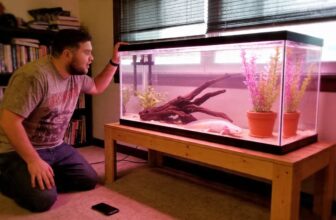
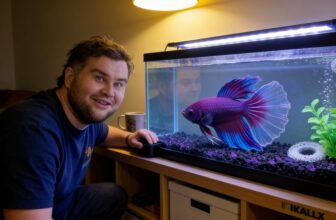
A 10-gallon glass tank, no bigger than a microwave oven, holds the first secret: dwarf gouramis need room to breathe near the surface, where they sip air through a special organ called a maze, like a tiny lung that lets them survive in still ponds. The water must stay between 72 and 82 degrees Fahrenheit, soft and slightly acidic, or their colors fade like old photographs left in the sun. Many beginners feel surprised when their fish hide, not understanding that these creatures crave dense plants and shadowed caves to feel safe, much the way a child pulls blankets over their head during a thunderstorm. There’s one mistake, though, that steals years from their short lives, and it hides in a place most owners never think to check.
At A Glance
- Provide a minimum 10‑gallon tank with dense plants, driftwood caves, and floating cover to reduce stress.
- Maintain gentle, diffused lighting and dark substrate to enhance coloration and prevent startling.
- Use low‑flow filtration and stable water parameters: 72–82 °F, pH 6.0–7.5, with weekly testing and changes.
- Feed small protein‑rich portions twice daily, combining flakes, pellets, and live foods for optimal health.
- House with peaceful, compatible tank mates such as tetras, rasboras, or Corydoras, avoiding fin‑nippers.
Dwarf Gourami Lifespan: What 1.5–4 Years Means for You

A single, small fish can live longer than a single season of school, if you give it what it needs.
A Dwarf Gourami, *Trichogaster lalius*, grows 3.5–4.5 inches and lives 1.5–4 years.
Four years feels possible when you understand what shortens life. Poor water, stress, and loneliness steal months. Good care adds them back.
Breeding behavior reveals a fish’s true health. A male building bubble nests shows he’s settled. No nests mean something’s wrong—water, light, or company.
Tank décor matters more than you’d guess. Dense plants, driftwood caves, and floating cover let a fish feel hidden, safe, and seen all at once.
Four years starts with one good choice today.
Tank Size, Plants, and Filtration That Keep Dwarf Gourami Calm
Why does a Dwarf Gourami pace the glass, or hide in corners, or flare at its own reflection?
Space, friend. Space, plants, and gentle water.
Give them room to breathe, leaves to shelter under, and water that doesn’t fight back.
Ten gallons holds three fish comfortably—roughly the size of a standard kitchen microwave—giving them room to claim private corners without crowding.
Floating plants, like water lettuce or hornwort, dim harsh lights and break sightlines across open water. A plant aer, meaning the tiny spaces between leaves where oxygen gathers, lets them rest near the surface, breathing easy through their maze organ.
Substrate selection matters too: dark gravel or sand grounds them, makes colors pop, hides shadows that startle.
Filter flow stays low, gentle as a quiet stream, never blasting their delicate fins. Canister filters with spray bars work well, or sponges set to whisper.
Calm fish live longer, and you’ll see them exploring instead of fleeing.
Dwarf Gourami Water Parameters: Temperature, pH, and Hardness
A thermometer hangs on glass, silent and steady. It reads 72–82°F, the waterorking temperature where Dwarf Gourami feel at home, neither cold nor anxious.
pH fluctuations trouble these fish. The scale must rest between 6.0 and 7.5, soft to slightly acidic, like rainwater in a forest pool. Sharp swings bring stress, that tight feeling we know when rooms grow suddenly strange.
Hardness stays soft-to-moderate, forgiving, welcoming.
Test kits belong beside tanks, weekly rituals of care. Stability means belonging, and belonging means thriving. Every number confirms: you’re keeping your small world well.
Feeding Dwarf Gourami for Color, Health, and Longevity
Once the water stays steady through its weekly tests, attention shifts upward to the surface where Dwarf Gourami wait.
Their diet diet blends flakes, pellets, and live foods—brine shrimp, worms, daphnia—offered in tiny pinches twice daily.
Color-enhancement comes through these protein-rich meals, especially spirulina and fish-based flakes that deepen blues and flames.
Probiotic supplementation supports their gut, the hidden engine turning food into energy and bright scales.
Feed slowly, watch them rise, and feel the calm of belonging—to them, to this quiet world you’ve built together.
Dwarf Gourami Tank Mates: Safe Companions and Species to Avoid
Since Dwarf Gourami swim slowly near the top, they need friends who won’t bump them or steal their food. Tetras, rasboras, and Corydoras make excellent compatible species, sharing gentle temperaments and similar water chemistry needs. Bottom-dwellers like Kuhli loaches respect the Dwarf Gourami’s social hierarchy without conflict. Proper lighting design with floating plants creates security, while habitat enrichment through dense planting supports natural breeding behavior. Diet optimization prevents competition at feeding time. Watch stress indicators like hiding or faded color genetics, as these signal trouble. Disease prevention starts with peaceful tank mates, not bullies. Avoid fin-nippers like tiger barbs, active danios, and large cichlids—they disrupt community harmony and trigger illness through constant chasing.
| Factor | Safe Choices | Avoid |
|---|---|---|
| Temperament | Tetras, rasboras, Corydoras | Tiger barbs, danios, cichlids |
| Water level | Bottom and mid-level dwellers | Fast top swimmers |
| Behavior | Schooling, peaceful | Fin-nipping, territorial |
| Size | Similar or smaller | Much larger, intimidating |
How to Tell If Your Dwarf Gourami Is Happy or Stressed
The floating plants you chose for your tank mates now serve another purpose—they give you a window into your fish’s feelings.
Watch your dwarf gourami weave through those roots with steady, flowing fins, and you’ll see contentment.
Stress signals appear when the pattern breaks.
Behavior cues tell you everything if you’ll look.
A happy fish examines all levels, greets you at the glass, and displays full, bright color.
clamped fins signal fear.
Gasping at the surface, hiding constantly, or losing appetite—these warn something’s wrong.
Check your water first.
Numbers don’t lie, and neither do your observations when you’re paying attention.
Dwarf Gourami Diseases: Symptoms, Causes, and Early Treatment
Why do these little fish sometimes fall ill when everything looks fine?
Often, weak dwarf gourami genetics leave them vulnerable, even in clean tanks. Disease prevention protocols matter more than most realize.
Watch for these warning signs:
- Velvet disease: gold dust coating, scratching against plants
- Bacterial infections: red streaks, cloudy eyes
- Iridovirus: bloated belly, dark patches (often fatal)
- Columnaris: white mouth patches, frayed fins
Early treatment means warmer water—about 82°F—and proper medication. Quarantine new fish for two weeks. Test water weekly. Stable homes build resilient communities, and every aquarist belongs to that quiet fellowship of patient caretakers.
Why Is My Dwarf Gourami Hiding or Not Eating?
A fish pressed against the glass corner, fins tucked tight, tells its keeper something’s wrong even when the water tests read clear. Maze stress often hides beneath this stillness, since these fish, who breathe air through their special organ, grow anxious when surface access feels blocked or temperatures shift suddenly. Lighting intensity matters too, as harsh overhead bulbs send them fleeing to shadowed plant thickets below. They won’t eat when frightened, and that’s their voice saying fix the home, not the fish. Check the hood’s brightness, add floating plants, lower the flow, and watch them return like neighbors coming back to the window.
Breeding Dwarf Gourami: Bubble Nests, Eggs, and Fry Care
When a male Dwarf Gourami decides it’s time to build a family home, he doesn’t gather sticks or dig burrows like a bird or a rabbit.
He pushes air through his mouth, coating each bubble with sticky saliva, stacking them into a floating raft. His bubble nest design creates a soft cradle for fragile eggs.
Once the female releases her eggs, he scoops them up, tucking them safely underneath.
The fry feeding schedule begins when they hatch:
- Days 1-3: Infusoria, microscopic food they can swallow
- Days 4-7: Baby brine shrimp, slightly larger bites
- Week 2: Daphnia, building strength
- Week 3: Crushed flakes, joining the community
Patience rewards careful keepers with new life.
Powder Blue, Flame, or Neon: Color Varieties Explained
Walking into a pet store, a child might think they’re seeing three different fish, but each bright swimmer is simply a painted cousin of the same species.
*Trichogaster lalius* carries color genetics that paint bodies in Powder Blue, Flame, or Neon varieties.
Powder Blue glows iridescent like shallow tropical water.
Flame burns orange-red, catching eyes from across the room.
Neon shimmers blue stripes against silver.
Market demand drives breeders toward bolder hues, sometimes sacrificing hardiness for beauty.
Collectors gather in forums comparing lineages, sharing acclimation tips.
They welcome newcomers who ask honest questions.
Beauty binds this community.
Mistakes That Shorten Dwarf Gourami Lifespan
Small tanks kill Dwarf Gouramis slowly, even when they seem fine at first.
They want to belong, just like you.
- Breeding myths push owners into tiny tanks. People hear Dwarf Gouramis breed easily, so they cram pairs into 5-gallon boxes. The fish gasp, their maze organs straining, and they die in months not years.
- Aquarium lighting blazes too bright. Without floating plants, they hide stressed and pale, refusing food.
- Skipping weekly water changes lets ammonia poison their blood.
- Overcrowding stops growth, warping their bodies before their time.
Give them space, gentle light, clean water, and room to simply be.
Frequently Asked Questions
How Many Dwarf Gourami Can Live in One Tank Together?
Three dwarf gourami fit comfortably in a 10-gallon tank, with 5 extra gallons needed for each additional fish, so tank size matters deeply. A proper habitat setup includes dense plants and hiding spots, helping these shy fish feel secure. They’ll form gentle hierarchies when space allows, creating that peaceful community feeling many aquarists seek. Overcrowding causes stress, so measuring your tank carefully shows real care for their wellbeing.
Do Dwarf Gourami Need an Air Pump or Bubbler?
Dwarf gouramis don’t need an air pump or bubbler.
They’ve got a maze organ, a special breathing tool that lets them gulp air from the surface, like a built-in snorkel. Still, gentle filtration helps keep their water clean and moving just a bit. With proper tank size and leafy decorations breaking the flow, they’ll feel right at home, calm and quietly content.
Can Dwarf Gourami Live With Betta Fish Peacefully?
Dwarf Gourami and Betta fish don’t share compatible temperaments although similar appearances. Both possess maze organs for breathing air, yet this similarity fuels competition, not companionship. Male Bettas view Dwarf Gourami’s bright colors and flowing fins as threats, attacking relentlessly. Even in a 20-gallon tank size, compatibility remains unlikely. Peaceful cohabitation demands separate habitats, preventing stress and injury through clear boundaries that honor each fish’s territorial nature.
Why Is My Dwarf Gourami Changing Color?
A dwarf gourami changes color because of stress triggers, diet impact, or environmental shifts. Stress triggers include poor water quality, aggressive tank mates, or inadequate hiding spots. Diet impact matters too—foods lacking carotenoids fade bright hues, as live foods like brine shrimp improve them. Check ammonia levels first, then observe tank dynamics, then evaluate nutrition. Stable conditions restore natural coloration within days.
How Do I Sex My Dwarf Gourami?
To sex one’s dwarf gourami, one examines the dorsal fin first. The male’s fin comes to a point, as the female’s stays rounded, like a small spoon versus a knife. Males also shimmer with bolder colors, especially near breeding behavior, when they’ll flare and dance. Females appear softer, silver-gray, less flashy. A proper tank setup with gentle lighting lets these differences show clearly, so patience helps one learn to see.
Rounding Up
A ten-gallon tank, driftwood cave, and soft, warm water at 76°F create a home where dwarf gourami feel safe enough to show their colors.
They’ll eat flakes, brine shrimp, and pellets twice daily, growing vivid and calm.
Peaceful tetras and Corydoras make good neighbors, but aggressive fish cause stress that shortens their 1.5–4 year life.
Watch for hiding, a sign something’s wrong—test the water, check the filter, fix it.
With steady care, these small fish reward patience with bright, gentle beauty.