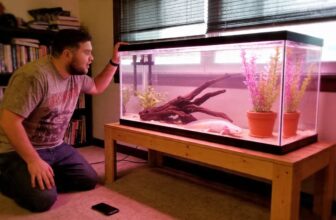
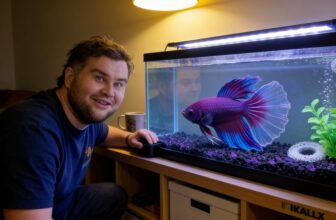
A glass aquarium sits on its stand, empty and waiting. Someone new to fishkeeping looks at this rectangle of possibility, and they feel a quiet tug of curiosity mixed with mild worry. That’s natural. African cichlids need space—thirty gallons minimum for a small group, more if they want fish that thrive rather than merely survive. The water must stay clean, warm, and just alkaline enough, which means buying a filter rated for double the tank’s size and checking numbers weekly. These fish come from crowded, rocky lakes where every stone means territory, and they’ll bring that same feistiness into a living room. A beginner might choose Electric Yellows for their gentler nature, while someone with two years of experience could attempt the striped, quarrelsome Mbuna. Either way, the rocks matter—stacked caves break sight lines and turn murderous chase into grumpy tolerance. What happens when the stacking goes wrong, or when the wrong two fish share a cave, determines whether the tank becomes peaceful or tragic.
At A Glance
- Stock 20 gal minimum for small species, 30 gal for larger fish, with filtration rated for double tank volume.
- Match species to experience: beginners choose Kribensis or Electric Yellow; advanced keepers handle Peacocks or Mbuna.
- Build rock territories with caves and sight-line breaks, securing stones directly on glass, not gravel.
- Maintain 78‑80 °F temperature, pH 6.5‑8.5, hardness 10‑15 dH, and perform weekly 25‑30 % water changes.
- Feed varied small portions twice daily, watch for Malawi bloat or Ich, and always use a secure lid.
How Big Should Your African Cichlid Tank Be?
A single five-gallon fishbowl sits empty on the counter, round and tempting at the pet store.
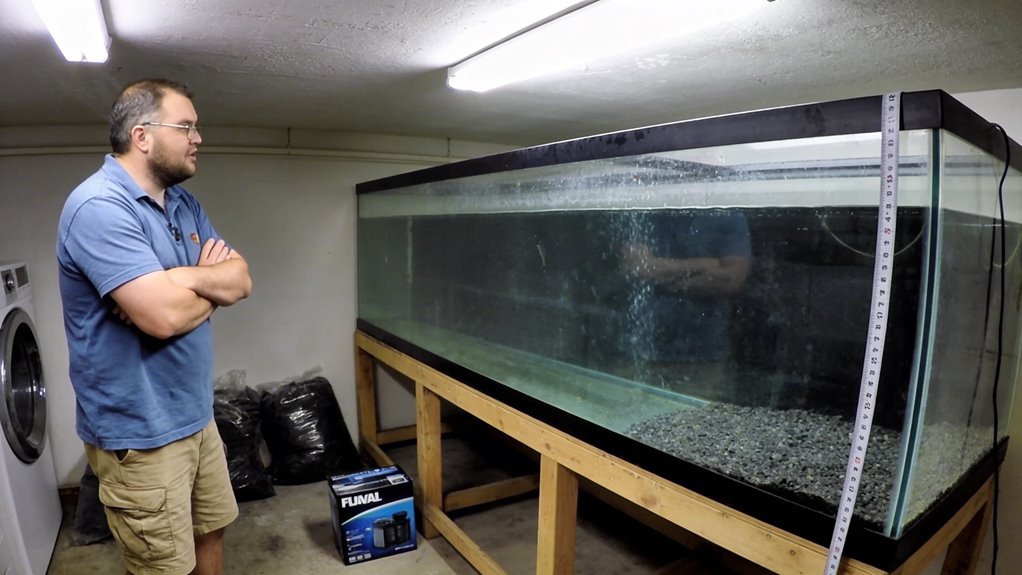
It won’t work. African cichlids need room to claim territory, dart, and breathe easy together. Sizing guidelines start at twenty gallons for small species like Electric Yellows, those bright three-inch swimmers with dark fin tips.
For fish six inches or larger, thirty gallons becomes the minimum.
Add three gallons per extra fish, accounting for growth and aggression.
Tank size matters since cramped fish fight more, stress builds, and the community fractures.
Give them space, and they’ll belong.
Which African Cichlid Type Matches Your Experience Level?
Walking past the aquarium aisle, you’ll spot dozens of bright fish flashing stripes of electric blue and sunlit yellow, each one pulsing with restless energy, and choosing among them feels like picking a partner you’ll live with for years.
Beginner friendly species like Kribensis and Electric Yellow welcome newcomers with forgiving temperaments and modest three-inch frames. They’ll tolerate small mistakes in water chemistry, building confidence through daily care.
Small fish, forgiving hearts: Kribensis and Electric Yellow turn first tanks into lasting confidence.
Peacocks and Mbuna demand more attention. Their aggression requires careful stocking ratios, and advanced breeding techniques like mouthbrooder separation challenge keepers seeking deeper mastery.
Match your choice to your patience, and you’ll find your place among fellow enthusiasts.
How to Build Rock Territories That Reduce African Cichlid Fighting
The flat stones sitting in the driveway, the ones meant for a garden path, can become walls that keep peace underwater instead.
Smart rock placement creates separate neighborhoods where each fish feels safe.
Territory mapping means watching where fish chase, then adding rocks to block those sight lines. Stack stones into caves with two exits, so no one gets trapped. Leave three inches between rock piles, enough room to swim but not to charge. Secure each stone on the glass bottom, not gravel, so towers stay put. When every fish owns a corner, the whole tank breathes easier.
African Cichlid Water Parameters for Health and Color
Once rocks settle into their places and fish mark their corners, the water itself becomes the next quiet worry.
Water waits as the final concern, settling only after territory finds its shape.
African cichlids need temperatures between 75 and 85 degrees Fahrenheit, which feels like a warm summer afternoon to them.
The pH substrate matters deeply—these fish prefer slightly alkaline water, between 6.5 and 8.5, matching the lake beds where they evolved.
Hardness sits at 10 to 15 dH, moderately firm, like well water from old country pumps.
Stability brings color improvement; fluctuations stress the fish, dimming their bright stripes and spots.
Test weekly, adjust slowly, and watch them glow.
What (and How Often) Should You Feed African Cichlids?
Hunger wakes before the fish do, so it’s smart to have a plan ready.
A solid feeding feeding schedule keeps African cichlids healthy and lively. Feed small portions twice daily, letting them finish within three minutes. This prevents overfeeding, which fouls water and harms fish.
Feeding variety matters just as much. These omnivores thrive on diverse foods:
- High-quality pellets and flakes for daily nutrition
- Frozen or live brine shrimp, bloodworms, and insects for protein
- Spirulina flakes and blanched vegetables for plant matter
Sinking foods suit bottom-feeding Peacocks. A varied diet supports bright colors and active behavior, helping every keeper feel part of something rewarding.
How to Stock African Cichlid Tanks Without Starting Wars
Where does peace hide when bright fish flash and claim their corners?
It hides in territory mapping, the patient work of arranging rocks and caves so each fish finds its own address.
Aggression prevention starts with space—20 gallons for small species, 30 for larger ones, adding 3 gallons per extra fish. You stack stones into clear boundaries, like fences between good neighbors.
You add hiding spots everywhere, little shelters where chased fish catch breath and hope.
You watch who claims which cave, who sulks, who bluffs.
Peace isn’t absence of conflict; it’s designing a world where everyone belongs somewhere.
Which Fish Can Live With African Cichlids?
The glass wall holds a question many keepers whisper: who gets to stay, and who must swim elsewhere?
Careful bre selection matters, since African cichlids show fierce breeding behavior that smaller fish cannot withstand. The right companions create harmony, not chaos.
- Large bottom-feeders, like African catfish, share space without competing for territory.
- Robust plecos hold their ground, cleaning algae as cichlids patrol above.
- Other African cichlids, matched in size and temperament, form communities where everyone belongs.
Avoid tiny swimmers and delicate species. They’ll disappear, becoming snacks. Choose wisely, and your tank becomes a neighborhood where every resident finds their place.
How Often Should You Change Water for African Cichlids?
Clean water keeps an aquarium alive, much like fresh air keeps a room pleasant to breathe.
African cichlids need weekly water changes, about 25 to 30 percent of the tank volume. This routine removes waste before it turns dangerous.
Water turnover—the rate water moves through filters—helps, but it does not replace fresh water. High water turnover keeps debris swirling, yet only new water dilutes nitrate spikes. Nitrates build slowly, invisible, until fish grow sluggish.
Test water every seven days. When nitrates near 20 parts per million, change water sooner. Your cichlids stay active, colorful, and calm together.
How to Spot and Treat Common African Cichlid Diseases
You can learn a lot by watching your fish swim.
When cichlids drift near the bottom, fins clamped tight, something’s wrong. Rapid gulping, white spots, or swollen bellies signal trouble. This is disease identification in action, a skill every keeper in this community develops together. Quick observation saves lives, plain and simple.
Three threats appear most often:
- Malawi bloat – fish stops eating, belly swells like a tiny balloon, treatment options include Metronidazole in food for ten days
- Ich – salt-like crystals pepper the body, raise temperature to 86°F gradually and add copper-safe medication
- Cotton wool fungus – fluffy patches grow on fins, use fungal medicine and clean water
Shared vigilance keeps tanks thriving.
How to Breed African Cichlids in Your Home Aquarium
A thick slab of flat rock, no bigger than a dinner plate, sits at the bottom of the tank, and that’s where the whole story starts.
Most African cichlids breed right there, laying eggs in small pits or holding them in their mouths.
You don’t need fancy breeding techniques to join this community of caretakers.
Stable water at 78°F, clean conditions, and a quiet corner help the fish feel safe enough to spawn.
Remove other fish afterwards, or the parents themselves may snack on their young.
For fry survival, transfer babies to a small grow-out tank with gentle filtration and powdered food.
Watch them color up, and you’ll belong to something ancient.
What Equipment Do African Cichlid Tanks Actually Need?
Though the fish themselves draw the eye, it’s the quiet machinery holding their world together that keeps them alive.
Filter filtration matters most. These active fish stir up debris constantly, so a hang-on-back or canister filter rated for double your tank size keeps their water crisp and safe.
Substrate choice shapes behavior too. Fine gravel or sand, about two inches deep, lets them dig and forage naturally without scraping their sensitive mouths.
Consider this vital gear:
- Heater with thermostat set to 78-80°F
- Powerhead or air pump for gentle current
- Secure lid against their surprising jumps
Reliable equipment builds the trust these territorial fish need.
Frequently Asked Questions
Do African Cichlids Need Salt in Their Water?
African cichlids don’t need added salt in their water. They’ll thrive with proper water hardness, about 10-15 dH, which means minerals like calcium and magnesium dissolved in the liquid. Their salt tolerance exists, but they’ve evolved for freshwater lakes. Some aquarists add a pinch for stress relief, but it’s optional. Focus instead on stable pH, clean conditions, and regular testing—that’s what keeps them healthy.
Can African Cichlids Live in Planted Tanks?
Yes, African cichlids can live in planted tanks, though they present challenges.
Hardy plants matter here. Anubias, Java fern, and Vallisneria survive since cichlids dig, and tough leaves resist nibbling.
Substrate composition needs attention—fine gravel or sand protects roots from digging fish, though they’ll still rearrange things.
Lighting needs stay moderate; too bright grows algae they won’t eat, too dim slows plants.
Success feels patient, like tending a garden where the gardener’s a little stubborn.
Why Do African Cichlids Dig up Substrate?
African cichlids dig up substrate because it’s natural behavior from their wild habitat, where they sift through sand to find food. This substrate enrichment satisfies their hunting instincts and reduces boredom. Digging also serves as territorial marking, creating boundaries that other fish respect. Owners shouldn’t worry unless rocks become unstable. They’ll provide fine-grain sand, secure decorations, and accept this behavior as healthy expression rather than destruction.
How Long Do African Cichlids Typically Live?
African cichlids typically live 6 to 10 years, though some reach 15 with excellent care. Their breivation diet—meaning the food they eat every day—directly affects this lifespan. Proper nutrition supports strong immune systems. Breeding behavior likewise matters; frequent spawning exhausts fish, shortening their years. Stable water, measured at 75-85°F, and weekly 25% water changes extend life. Good care rewards keepers with nearly a decade of companionship.
Do African Cichlids Recognize Their Owners?
African cichlids don’t recognize owners like dogs do, but they learn through behavioral conditioning. They’ll swim toward familiar feeding cues—your steps, light switches—associating your presence with food. Owner interaction builds this response over weeks. Their territorial hierarchy means dominant fish often lead this greeting. Owner behavior matters: consistent routines create clearer signals than random visits. They won’t know your face, but they’ll anticipate your care with genuine eagerness.
Rounding Up
A sturdy tank, clear water, and steady hands build a home where these fish can thrive.
Patience matters more than perfect knowledge. Every water change, every rock placed with care, teaches something new.
The keeper who watches closely, adjusts slowly, and respects the fishís needs will find calm satisfaction in their growing skill. The aquarium becomes a quiet mirror, reflecting the value of attention given day after day.
Start simply. Learn deeply. The fish will show you the way.