You can grow hornwort in almost any aquarium, and it will clean your water while giving your fish places to hide.
This green, pine‑needle plant floats or roots in 15‑gallon tanks or larger, tolerating 59–86 °F and pH 6.0–7.5.

Monitors pH, ammonia, nitrite, and nitrate so hornwort and fish stay healthy.

Instantly confirms water stays within hornwort's preferred temperature range.

Makes tap water safe for water changes and new plant additions.
See today's best deals onAquarium Water Care
It pulls CO₂ from water, releases oxygen, and absorbs nitrates like a sponge soaking up spills.
Low to moderate light keeps it happy; too much glare browns the tips.
You’ll trim weekly, snipping stems 4–6 inches from the top with sharp scissors and a bucket of tank water, taking about 15 minutes.
Shedding needles is normal at first, but yellow leaves mean check your light or iron.
Position your filter intake away from stems, or add a sponge pre‑filter, rinsing it weekly in old tank water so debris doesn’t clog your system.
Hornwort grows fast, doubling in under two weeks when conditions are right, which feels exciting but also asks you to stay attentive, like tending a garden that rewards your care with clearer water and braver, more colorful fish.
There’s more to know about which fish benefit most and how to choose between floating and rooted setups.
At A Glance
- Hornwort thrives in 59–86 °F water with pH 6.0–7.5 and tolerates low to moderate light without fertilizer.
- Plant it rooted for forest-floor habitat or floating for fry shelter and dappled light coverage.
- Weekly trimming with sharp scissors prevents filter clogging and maintains healthy growth shape.
- Position filter intakes away from stems or add sponge pre-filters to catch shed needles.
- Expect rapid doubling in mass within two weeks, requiring regular pruning to control size.
Hornwort Basics: What This Plant Actually Is
Hornwort is a green, underwater plant you might mistake for a handful of soft pine needles dropped into your tank.
You’ll notice stems branching like tiny trees, each leaf soft and short—just an inch long. Species identification matters here, since 115 to 150 kinds exist worldwide.
You can let it float or root it down, and it’ll survive cold winters by dropping turions, little buds that sleep on the bottom until warmth returns.
This hardiness creates a challenge: invasive control becomes necessary outside your aquarium, where hornwort crowds native waterways. You’ll feel respect for its quiet persistence, and perhaps a touch of caution.
Hornwort’s transparent observation of water conditions mirrors how clear-walled quarantine tanks allow keepers to monitor fish health without causing additional stress.
What Hornwort Does for Your Tank: Oxygen, Nitrates, and Shelter
When you drop this soft green tangle into your tank, you’re giving your fish more than just decoration.
You’re adding oxygen to their water. Through photosynthesis, hornwort pulls carbon dioxide from your tank and releases fresh oxygen your fish breathe.
You’re helping with nutrient cycling too. This plant absorbs nitrates, which are waste chemicals that build up from fish food and dirty water, making your tank healthier and cleaner.
You’re building habitat complexity. The branching stems create hiding places where shy fish rest and where baby fish, called fry, escape from bigger mouths. Your fish feel safer, less stressed, and more at home.
Unlike mechanical filtration that requires careful pump sizing to match your bioload, hornwort provides natural, energy-efficient water purification without electricity or noise concerns.
How Much Space Does Hornwort Need?
A fifteen-gallon tank gives this plant room to stretch without crowding your fish.
You’ll watch hornwort grow fast, so you’ll need to prune it weekly. Think of trimming like haircuts; they keep things neat and prevent tangles. Without space, the stems block light and make fish feel squeezed, like you in a packed elevator. That stress isn’t good for anyone.
You’ll use plant depth to guide placement—deeper tanks let stems cascade beautifully. No soil alternative exists here; hornwort floats free or anchors loosely.
Growth doubles as pest control, too. Dense bunches confuse algae, stopping their spread naturally. You’re creating balance, not just decoration.
A fine grain substrate like Classic SandPlay Natural Aquarium Sand works well beneath floating hornwort, trapping impurities while the plant’s roots loosely touch down.
Floating or Rooted: Which Setup Works Better?
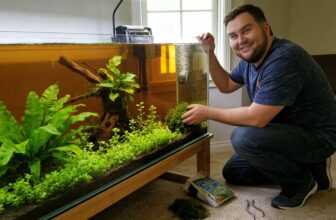
With rooted vs floating placement, you’ll notice immediate aesthetic impact differences. Anchored stems create a forest floor illusion, stems swaying like underwater trees, perfect for shy bottom-dwellers seeking cover. Floating roots form a living canopy, dappled light dancing below, ideal for fry hiding from above.
Your filter matters too. Rooted hornwort stays put, never clogging intakes. Floating mats drift, requiring gentle anchoring or regular repositioning.
There’s no wrong choice, only context. Watch your fish. They’ll tell you where comfort lives, sometimes clearer than any care guide.
Consider how gentle water spread from a properly configured return line can reduce stress on your floating hornwort canopy, preventing turbulent surface disruption that might scatter your carefully positioned plants.
Water Conditions Hornwort Actually Tolerates
Your fish have picked their spot, settled near roots or shadows, and now you’re wondering what keeps this plant happy.
Hornwort forgives nearly everything you throw at it. You can keep it in water from 59 to 86 degrees Fahrenheit, which means your heater won’t work too hard. The pH can swing between 6.0 and 7.5, slightly acidic to barely alkaline, and your plant won’t complain. Hardness matters little too—5 to 15 dGH covers most tap water.
It even handles nutrient-rich conditions without rotting, though you’ll want some flow to prevent stagnant pockets. This flexibility feels reassuring, like a friend who likes any restaurant you pick.
For aquarists seeking more precise control within Hornwort’s tolerable pH range, products like Seachem Equilibrium offer a non-phosphate, three-part powder kit designed specifically for planted freshwater setups.
Lighting Needs: Why Low Light Works Fine
When you flip on your tank light in the morning, you don’t need to blast this plant with brightness to keep it happy.
Hornwort thrives under low to moderate light, even when floating near the surface where rays filter through murkier water.
You’ll notice this plant grows so fast it can crowd others, which hints at its invasive potential in the wild.
A simple light-nutrient balance keeps stems green and soft; too much glare turns tips brown, too little fades them yellow.
Trust dimmer settings, watch your plant respond, and relax knowing you’ve matched nature’s gentler rhythms.
For beginners, budget clip-on options like the Pawfly 11W clip-on light deliver respectable PAR at substrate for low-demand plants such as hornwort without overwhelming your setup or your wallet.
Do You Need to Fertilize Hornwort?
A bottle of liquid fertilizer sits on your shelf, and you wonder if your hornwort needs it.
You can relax. This plant pulls what it needs from water and light, like a child snacking from a garden.
Its growth rate races ahead without extra help, outpacing neighbors in quiet competition. You’ll watch stems stretch several inches weekly, crowding slower plants unless you trim.
Trace nutrients already present in fish waste and tap water satisfy hornwort completely. Adding fertilizer won’t hurt, but you waste money dosing a plant that thrives on so little.
If you still want to fertilize other plants in the tank, consider a copper‑free formula safe for any shrimp inhabitants.
Skip the bottle. Let simplicity work.
The Easiest Way to Grow More Hornwort
Why keep buying more plants when one stem holds everything you’ll need?
One stem holds everything you’ll need—stop buying, start multiplying.
You just grab scissors, snip a piece, and drop it in. That’s prop cultivation, plain and simple.
Here’s what you’ll do:
- Cut a side stem, four to six inches long, with clean shears.
- Float it or tuck it gently into substrate.
- Watch white roots sprout within days.
- Witness your single stem become many, boosting nutrient cycling throughout the tank.
Each new plant pulls nitrates from water, feeding itself as cleaning your aquarium. You haven’t bought more; you’ve grown more. The cycle feels generous, almost magic, since it is.
Adding a small circulation pump with gentle flow around your floating cuttings can speed root development by keeping nutrients moving past the stems.
How Fast Does Hornwort Grow: and How Do You Control It?
Just how fast can one plant take over your tank?
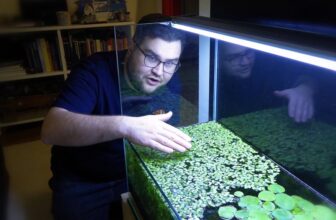
Hornwort growth speed surprises most beginners. Under good light, you’ll watch inches multiply weekly, sometimes doubling its mass in under fourteen days. This rapid expansion stems from simple hornwort propagation: any fragment grows roots, becoming a whole new plant without effort. Like Water Spangles, hornwort provides floating coverage that shades the water and helps reduce algae growth naturally.
You’ll feel concern when green tangles block your filter, perhaps frustration when light can’t reach below. Control means weekly trimming, removing handfuls before problems start. Leave stems floating for easier gathering, or you’ll chase runners through substrate. Balance brings peace—enough coverage for happy fish, not so much that maintenance overwhelms you.
Pruning Methods That Actually Work
Sharp scissors, a bucket of tank water, and fifteen minutes on a Saturday morning—that’s all you need to keep hornwort from swallowing your aquarium whole.
Three tools, fifteen minutes—keep hornwort from swallowing your aquarium whole on a lazy Saturday morning.
You’ll grab those scissors and snip stems four to six inches from the top. This prunes growth without shocking the plant, like giving a haircut instead of shaving a head.
Your bucket holds trimmings for propagation or compost, protecting nitrogen cycling by removing excess plant matter before it decays.
For deeper tanks where wet sleeves become a nuisance, stainless steel aquascape tools with extended reach let you trim and rearrange stems without submerging your arms.
- Trim weekly during summer months when growth doubles
- Cut above a leaf node, where tiny leaves cluster
- Remove bottom stems touching substrate to prevent rot
- Save healthy cuttings for new plantings or trade with friends
Good plant control means you decide how much hornwort fills your tank, not the other way around.
Shedding and Yellowing: What’s Normal vs. Problematic
Shedding and Yellowing in Hornwort
When you first bring hornwort home, you’ll notice it’s dropping tiny green needles like a pine tree in December, and that sight might worry you.
Don’t panic. Shedding supports nutrient cycling, feeding your bottom-dwellers and recycling matter through your tank’s ecosystem.
You’ll see this invasive expansion reveals itself through rapid growth, which brings more shedding. That’s normal, like a healthy dog losing some fur.
But yellowing tells a different story. You’ll want to check your lighting first, then test for low iron. Yellow leaves mean your plant’s hungry, not just busy.
Brown coloration, though, shows you’re doing fine.
Keep Your Filter Safe From Hornwort Debris
Filter Placement and Protection
Those fallen needles you’ve learned to accept aren’t harmless everywhere.
clog your your filter, strain your motor, and cause headaches you’d rather avoid.
Check your filter placement first. Position it where floating stems can’t drift against the intake.
You’ll feel relieved when water flows freely, without struggle.
Install a debris‑catcher, like a sponge pre-filter or mesh guard, around the intake tube. This simple barrier traps needles before they enter, saving you from midnight maintenance.
You’ll want to:
- Rinse the catcher weekly, gently, with old tank water
- Trim stems back six inches from any filter opening
- Check intake daily during heavy shedding periods
- Replace worn barriers before they tear and fail
Stay calm, stay watchful, and your filter will thank you with years of quiet service.
Fish That Benefit Most From Hornwort
Which Fish Need Hornwort Most
Some fish need hornwort more than others, and you’ll soon see if yours count among them.
Livebearers treasure hornwort for their tropical fry. The dense, swaying stems create a living maze where tiny babies hide from hungry mouths.
In a community tank, timid fish find comfort in its shadows. You watch them dart between stems, calmer than before.
| Fish Type | How They Use Hornwort | Benefit Gained |
|---|---|---|
| Guppies | Fry shelter in thick stems | Survival of babies doubles |
| Tetras | Mid-water resting spots | Reduced stress, brighter colors |
| Corydoras | Scavenge shed leaves | Extra food, cleaner gravel |
| Betta | Shaded bubble nest site | Better breeding success |
Your fish breathe easier, too. The plant releases oxygen you can almost feel in the water.
Is Hornwort Right for Your Aquarium?
Is Hornwort Right for Your Aquarium?
Your tank sits waiting, and you wonder if a soft green cloud belongs in those corners. Hornwort could transform your aquarium aesthetics, but let’s pause and weigh your choices together.
Ask yourself these four things:
- Do you own at least 15 gallons of water, or a smaller tank you’re willing to trim weekly?
- Can your maintenance budget handle regular pruning scissors and time?
- Will you mind gathering shed leaves before they clog your filter?
- Do you want live plants that ask little but grow fast?
Hornwort forgives beginners, yet it demands your attention. Choose with clear eyes, dear reader.
Frequently Asked Questions
Does Hornwort Reduce Algae Growth?
Yes, you’ll find hornwort reduces algae growth through direct algae competition for nutrients and surface area while improving water clarity by absorbing excess nitrates, though you’ll still need proper lighting balance and won’t eliminate algae entirely.
Can Hornwort Survive in Brackish Water?
You can’t rely on hornwort’s brackish water adaptation for long-term success, as its salinity tolerance is minimal. You’ll see decline even in lightly brackish conditions, so you’re better keeping it in freshwater environments only.
Will Snails Eat Hornwort?
Snails won’t eat hornwort, making it excellent for snail control. If you’re pruning for hornwort propagation, you’ll clip excess growth whereas snails focus on algae instead, keeping your tank balanced without plant damage.
How Long Does Hornwort Live?
Your hornwort’s growth lifespan spans multiple years since you’re cultivating it clonally indoors. With its rapid growth rate, you’ll continually renew the plant through propagation, meaning you’re fundamentally maintaining an immortal colony rather than a single declining specimen.
Is Hornwort Safe for Shrimp?
Yes, hornwort’s completely safe for shrimp. You’ll find excellent shrimp compatibility since they’ll graze on shed leaves. Make sure your water parameters stay within pH 6-7.5 and 59-86°F for best health.
Rounding Up
You’ve learned what hornwort needs, and you’ve seen where it shines.
This plant asks little, but it gives you oxygen, cleaner water, and hiding spots for timid fish. You can float it or weigh it down. You’ll trim it when it grows too full, which takes about five minutes every two weeks, and you’ll feel capable when you do.
Not every aquarium needs hornwort, but yours might. Trust what you’ve observed in your own tank, and choose what makes sense for you.

Stops hornwort needles from clogging filter intakes and harming fry.

Shields delicate stems and baby fish from being pulled into the filter.

Traps debris while keeping water flow gentle for floating plants.
Check discounted items inAquarium Filtration