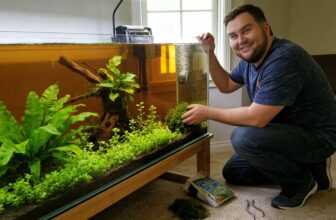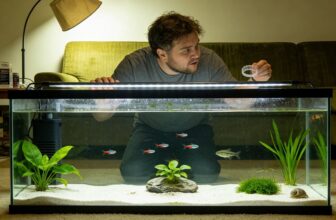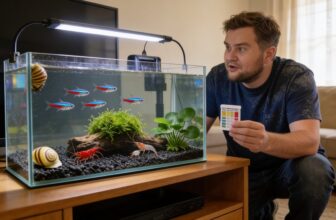
You want twelve plants that won’t drain your wallet or kill your fish through incompetence—fair enough.
Grab Anubias Nana, Java Fern, Java Moss, Marimo moss balls, Dwarf Water Lettuce, Red Root Floaters, Hornwort, Cabomba, Amazon Sword, Anacharis, Water Hyacinth, and Betta Bulbs.
These cover every skill level, from “I forget to water houseplants” to “I own a moisture meter.”
Rhizome plants attach to driftwood with fishing line; floaters shade the surface for bubble nests; stems suck up ammonia like tiny green vacuums.
Most cost $3–$8, thrive in basic LED light, and forgive your inevitable mistakes.
Skip the fake silk stuff—it traps gunk, grows slime, and judges you silently.
Stick to 8–10 hours of light, trim weekly, and you’ll have a tank that looks intentional, not accidental.
The specifics of keeping each one alive, anyway, wait just below.
At A Glance
- Anubias Nana thrives in low light with exposed rhizomes attached to driftwood or rock.
- Java Fern tolerates betta conditions and propagates freely from leaf tips.
- Dwarf Water Lettuce provides surface shade, bubble‑nest cover, and reduces temperature.
- Hornwort absorbs ammonia rapidly and grows floating or anchored in low‑medium light.
- Amazon Sword requires root feeding but offers robust cover in mid‑light tanks.
Live Betta Plants: 5 Benefits vs. Fake Alternatives
A betta tank without live plants is like a bedroom with no windows—technically functional, but your fish won’t thank you for it.
You’re building a home here, not just a container.
Live plants win, period.
Live plants win, period. Natural filtration, free of charge, and your betta actually thrives.
They suck up ammonia, nitrate, the nasty stuff—natural filtration, free of charge.
Your betta hides, examines, builds bubble nests under floating leaves.
You might even catch Betta breeding behavior, which beats Netflix some nights.
Plant propagation? Snip a stem, replant it—free plants forever.
Fake ones just sit there, trapping gunk, looking plastic.
Bottom line: go live, or go home (with a guilty conscience).
When choosing substrate for your live plants, natural stone gravel supports stable cycling and root visibility.
Check Your Tank: Light, Temperature, and Space Requirements
Before you start sticking plants willy-nilly into your betta’s living room, you need to dial in the basics—lighting that won’t turn your tank into an algae farm, temperatures that keep your fish from sulking, and space that actually allows for, well, living.
- Light smart: Aim for 8-10 hours daily; too much triggers algae, too little kills plants. You’re balancing photosynthesis, not running a tanning booth. Using a light with timer features helps automate this schedule and prevents accidental overexposure.
- Temps matter: Keep 76-80°F—bettas get grumpy below 74°, and nutrient cycling slows when beneficial bacteria shiver.
- Respect water flow: Gentle currents only; your betta’s fins aren’t built for rapids, and dead zones stall healthy circulation.
The 12 Best Betta Plants: Full Rankings by Ease of Care
You’ve got your tank dialed in—light on a timer, heater steady, flow gentle enough that your betta isn’t doing fin-aerobics against the current. Now you need plants that won’t ghost you after three days.
Here’s your cheat sheet, ranked from “basically immortal” to “needs pampering”:
- Marimo Moss Balls – $4-8. Roll them weekly, done. Great for Betta breeding cover.
- Java Moss – $6-12. Spam grows everywhere, trim and share (Plant propagation made dirt-simple).
- Anubias Nana – $8-15. Slow, indestructible, low-light hero.
- Java Fern – $7-14. Don’t bury the rhizome, tie it down.
- Hornwort – $5-10. Fast, float it or plant it, sucks up nitrates like a champ.
- Dwarf Sagittaria – $8-12. Grass carpet without CO₂ drama.
- Duckweed – free with any purchase (you’ll hate it later).
- Betta Bulbs – $10-18. Sprout or bust, 50/50 vibe.
- Red Root Floaters – $12-20. Pretty roots, picky about humidity.
- Cabomba – $6-10. Gorgeous until it melts, then ugly cries.
- Amazon Sword – $10-25. Needs root tabs, gets massive—plan ahead.
- Dwarf Water Lettuce – $8-15. Melts under lids, drama queen.
Start with moss and Anubias. They’re the training wheels that’ll keep you in the hobby, not quitting in week two. Unlike koi feeders, these plants need no power source and thrive on simple maintenance.
Rhizome Plants: Anubias and Java Fern Attachment Guide
Why do so many bettas end up swimming past sad, melting Anubias? You’ve buried the rhizome, friend—that horizontal stem where roots meet leaves needs air, not gravel. Tie it to driftwood instead.
You’ve buried the rhizome, friend—that horizontal stem where roots meet leaves needs air, not gravel. Tie it to driftwood instead.
These epiphytes anchor differently than rooted plants, forming tiny, grabbing root tufts that grip rock or wood without soil. Your Java Fern’s rhizome works the same way—keep it exposed, or it rots fast.
- Secure with fishing line or cotton thread—it dissolves, roots take over, no fuss.
- Spot-dose DIY fertilizer directly on leaves—rhizome feeders absorb nutrients through foliage, not substrate.
- Let them grow slowly for natural algae-control—gradual leaf expansion doesn’t trigger outbreaks like stem plants do.
Bottom line: You’re building refuge here, not a garden. Tuck these low, leave rhizomes bare, and watch your betta weave through leaves he actually notices. Using a setup with high light transmission mesh covers keeps the tank safe from jumpers while ensuring your slow-growing epiphytes get the brightness they need.
Floating Plants: Shade and Bubble Nest Coverage
Rhizome plants anchor the middle of your tank, but your betta lives at the surface—that’s where he’s breathing, hunting, and building those fussy bubble nests when he’s feeling romantic.
Floating plants give him exactly what he needs: security, shade, and construction material.
Your best bets:
- Dwarf Water Lettuce ($4–8) – spreads fast, soft roots dangle like curtains
- Red Root Floaters ($6–10) – smaller, crimson roots, less light-blocking
Surface‑shade dynamics matter. Too much cover and you’re suffocating gas exchange; too little and your betta’s stressed, hiding from that harsh overhead glare. Aim for 40–60% coverage, leaving a palm‑sized feeding zone open.
Bubble‑nest design thrives here. Those trailing roots act like scaffolding—your male tucks bubbles underneath, feeling like an architect.
Trim weekly. They grow like weeds, which beats algae stealing nutrients.
Bottom line: add floaters. Your betta’s bubble nests—and his mood—depend on it.
In larger tanks, Water Hyacinth offers rapid surface coverage that doubles every 5–7 days, naturally shading the water and reducing temperature.
Stem Plants: Fast Growers That Beat Algae
If you’re tired of scrubbing green slime off your glass every weekend, stem plants are your lazy way out—they grow so fast they literally starve algae before it can throw a party.
Nutrient uptake. That’s your weapon. These stems suck nitrates like a shop vac, leaving algae scraps. Algae competition? You’ve already won, friend.
Here’s your starter trio:
- Hornwort – Toss it in, watch it explode, trim when it hits the lid ($5-10, tolerates 59-86°F).
- Anacharis (Elodea) – Dense, leafy, bettas weave through the stems ($4-8).
- Cabomba – Feathery backdrop, needs medium light, worth the extra glance ($6-12).
Trim weekly so flow doesn’t choke. You’re building an ecosystem, not a jungle. Low flow and dim lighting reduce stress and encourage natural behavior for the fish.
Bottom line: plant stems, skip the scrubbing.
Mosses and Carpets: Low-Light Options for New Aquarists
Not every tank needs stems shooting for the ceiling. Sometimes you want something soft, green, and impossible to kill—enter mosses and carpets, the forgiving friends every beginner deserves.
Java Moss anchors to rocks, driftwood, or your low‑light substrate with zero fuss, creating lush carpet moss beds where bettas lounge like tiny kings. You’re growing a living rug; no CO2 injections, no high‑electricity bills, just patience and occasional trimming.
Marimo balls—technically algae, don’t tell anyone—roll around collecting debris while looking absurdly charming.
These species forgive your overfeeding, your irregular water changes, your “I forgot to buy a timer” moments. You belong here, even when your thumbs aren’t remotely green.
For tanks that use natural setups, a floating design cave can provide additional surface-level rest and enrichment for bettas.
Betta Bulbs: Specialty Plants for 10+ Gallon Tanks
Three bulbs sit in a plastic blister pack at the pet store, looking more like shriveled onions than aquatic plants, and you’re wondering if this is some kind of joke. They aren’t. Those are Aponogeton, and you’ve just found the secret weapon for tanks ten gallons and up. Drop one in, watch it explode into leafy tunnels your betta actually uses.
Shriveled onion or secret weapon? Drop one in and watch your betta disappear into leafy tunnels.
- Betta bulb propagation – one swollen root splits into daughter plants, so you’re basically cloning royalty for free.
- Bulb substrate alternatives – glass dishes, ceramic rings, or just plopped on gravel work fine, no fancy dirt required.
- Temperature sweet spot – 65–72°F keeps them thriving without cooking your fish.
They demand space, not skill. Cold water people, this one’s yours. For optimal fish health, maintain a pH range of 6.5–7.5 to prevent stress alongside these bulbs.
Light Needs for All 12 Betta Plants (No Guesswork)
Here’s your cheat sheet—no guesswork, no math headaches:
- Low light: Anubias Nana, Java Fern, Java Moss, Marimo, Dwarf Water Lettuce, Dwarf Sagittaria. Your stock LED handles these fine.
- Medium light: Anacharis, planted Hornwort, Cabomba, Amazon Sword, Betta Bulbs. Upgrade to brighter LEDs or move your fixture closer.
- Medium-high: Floating Hornwort (it’s greedier up top).
For planted tanks, a filter with gentle waterfall helps avoid uprooting delicate plants like Java Fern and Anubias.
Timing matters. Light cycling—8–10 hours daily, timer non-negotiable—prevents algae takeovers and signals breeding readiness. Bettas cue their bubble-nest building off consistent day-night rhythms; mess with their schedule, and they’ll sulk.
Your kit LED? Probably grows six of twelve. Buy once, cry once.
How to Plant Betta-Friendly Species: Attach, Anchor, or Float
Since every plant in your cart comes with its own set of rules, you’ll need to know whether to tie it down, weigh it down, or let it drift—get this wrong and your Anubias rots, your floaters sink, or your betta gives you that judgmental side-eye.
- Tie rhizome plants (Anubias, Java Fern) to wood or rock—bury that horizontal stem and you’ll watch it mush, no matter how perfect your water chemistry looks.
- Anchor tall stems (Hornwort, Cabomba) in substrate or let them drift; they’ll stabilize once roots grab hold.
- Float surface dwellers (Dwarf Water Lettuce) freely for Betta breeding cover and bubble-nest sites—no weights, no drama. For spawning fish, maintain stable water conditions with weekly 25-30% water changes to prevent stress.
Weekly Plant Maintenance: Trim, Feed, and Prevent Algae
Once your tank’s planted, the real work begins—because plants don’t thrive on good intentions alone, and algae definitely doesn’t wait for an invitation. You’re not just keeping bettas happy; you’re running a tiny ecosystem.
Trim weekly. Snip yellowing leaves and overgrown stems—Hornwort grows like it’s got something to prove. Thin floaters so your fish can actually surface.
Feed strategically. Liquid fertilizers, once weekly, support nutrient cycling, helping plants outcompete algae for resources. Think of it as lunch money for the good kids.
Algae control means balancing light—6-8 hours daily, no more. Too much sun? You’re growing scum, not stems.
Bottom line: consistent maintenance beats heroic rescues, every time.
Plant Problems: Melting, Algae, and Oxygen Fixes
Even the hardiest Anubias can throw a tantrum, and when your plants start melting, algae throws a party, or your fish gasp at the surface, you’re not failing—you’re just learning what “balance” actually means in a glass box.
Balance in a glass box isn’t perfection—it’s learning to read the tantrums.
Melting’s usually transplant shock; your plants are adjusting, not dying.
Algae blooms mean you’ve got excess nutrients lighting up the buffet.
And surface gasping? That’s your cue that nutrient cycling needs help, or someone’s hogging oxygen at night.
Three fixes that actually work:
- Trim ruthlessly – Remove melting leaves immediately so your plants stop bleeding energy into rot.
- Master nutrient control – Dose fertilizers sparingly; algae outcompetes slow growers when you’re heavy-handed.
- Surface action – Add a gentle airstone at night, since plants switch from oxygen producers to consumers after dark.
Your tank’s a living negotiation, not a set-it-and-forget-it deal.
When to Skip Live Plants: Hybrid and Silk Alternatives
If you’re staring at your tank at 2 a.m., wondering why your Java Fern looks like lettuce left in a hot car, it might be time to admit live plants aren’t your thing—and that’s fine, really.
Not everyone’s got the bandwidth for algae scrapes and fertilizer schedules. Hybrid décor lets you fake it ’til you make it—think silicone Anubias lookalikes ($8–15) anchored beside a real rhizome, getting that biological boost without the full-time commitment.
Silk aesthetics scratch the itch too—soft, flowing leaves that won’t shred betta fins like cheap plastic. No CO2, no melt, no 3 a.m. emergency water changes if your Amazon Sword staged a coup.
You’ll trade oxygenation for convenience, though. Hybrid setups lean harder on your filter and water changes—no plant roots drinking up nitrates while you sleep. Clean ’em monthly; debris loves textured fakes.
Bottom line: embrace the hybrid path if live plants stress you out more than they soothe you. Your fish won’t judge—he’s just glad you’re showing up.
5-Gallon and 10-Gallon Betta Tank Plant Layouts
You’ve got your plant philosophy sorted—now comes the geometry lesson.
Small tanks demand discipline. You’re balancing Betta temperament—territorial, surface-loving, prone to stress—with the biological reality of Tank cycling, where plants pull ammonia before your fish arrives.
Here’s your playbook:
- Anchor two rhizome plants (Anubias, Java Fern) to driftwood—low light, zero substrate drama, instant hideouts.
- Float one cluster (Dwarf Water Lettuce) for shade and bubble-nesting real estate; keeps your betta feeling secure, not exposed.
- Add one stem backup (Hornwort) tucked rear-left—fast-growing ammonia sponge, trim weekly so it doesn’t own your scape.
Three species, distinct layers, open surface for gas exchange. You’re not decorating—you’re building territory.
Frequently Asked Questions
Do Bettas Eat Live Plants?
Bettas don’t eat live plants, though they’ll nibble algae or biofilm. You’re safe with leafy greens in your tank.
- Nutrient cycling happens as plants absorb fish waste, keeping water cleaner
- Plant pruning keeps fast growers from choking the surface
Your betta’s carnivorous, so he’ll ignore Anubias, ignore Java Fern, probably judge your aquascaping choices silently. Stick to soft‑leaved plants—his fins tear easily on stiff decor.
Bottom line: plants are safe, your fish isn’t a vegetarian, and you’ll trim more than he’ll chew.
Can Snails or Shrimp Harm Betta Plants?
Snails and shrimp won’t destroy your plants, but they’ll nibble.
Snail competition for algae keeps leaves clean, though big ones like mystery snails sometimes munch tender shoots.
Shrimp grazing scrapes biofilm and dead tissue, actually helping plants breathe.
You might spot tiny holes in soft leaves—that’s just them doing their job, not a plant massacre.
Bottom line: they’re tiny gardeners, not vandals, so relax and let them work.
How Long Until New Plants Establish Roots?
Root growth timeline varies by plant type.
You’ll see tiny white nubs on rhizome plants like Anubias within 1–2 weeks, but full establishment speed takes 3–4 weeks.
Stem plants such as Anacharis root faster, often anchoring in 5–10 days.
Floaters? They’re already winning, no roots needed.
Patience, friend—your tank’s new green roommates are working underground as you obsessively check for progress. They’ll get there.
Will Plants Cycle My Tank Instantly?
No, plants won’t cycle your tank instantly.
You’ll still wait 2–6 weeks for beneficial bacteria to colonize surfaces, even with fast-growing species like Hornwort or Anacharis.
Plants absorb some ammonia and nitrite—call it “instant nitrogen” uptake—but they don’t replace bacterial biofilm, which does the heavy lifting.
Think of plants as helpful roommates, not miracle workers.
Test your water, don’t trust the greenery, and you’ll avoid a fish-in cycle disaster.
Can I Use Aquarium Salt With Live Plants?
You can use aquarium salt with live plants, but you’ll need to check plant compatibility first.
Most common betta plants—Anubias, Java Fern, Java Moss—tolerate low doses (1 tsp per 5 gallons) for short treatments.
Fast-growing stem plants like Hornwort and Anacharis handle salt better than delicate floaters like Red Root Floaters, which’ll melt faster than your resolve at a donut shop.
Saltwater considerations matter here: aquarium salt isn’t marine salt, but sodium still stresses freshwater plants over time.
- Safe bets: Anubias, Java Fern, Hornwort, Anacharis
- Risky: Dwarf Water Lettuce, Red Root Floaters, Marimo (they’ll survive, just sulk)
- Hard no: none, really, just limit duration
Bottom line: treat your betta in a hospital tank if possible. Your plants’ll thank you, and you’ll avoid that awkward “why’s everything dying” moment we all pretend hasn’t happened to us.
Rounding Up
Your betta’s world transforms with the right greenery. Studies show planted tanks reduce fish stress hormones by up to 50%—that’s half the anxiety, double the swagger. Whether you grabbed a $8 Java Fern or went full aquascape artist, you’ve built something alive. Trim occasionally, don’t obsess over perfection, and enjoy the show. Plants die, plants rebound, your betta couldn’t care less either way. Just keep water clean, light reasonable, and everybody stays happy. Bottom line? Start simple, upgrade clumsily, and let your fish teach you what works. You have got this. Probably.