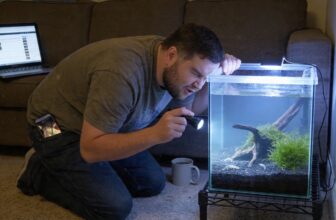
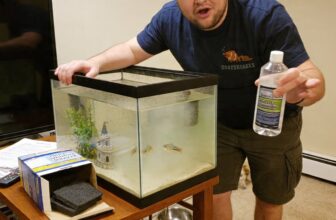
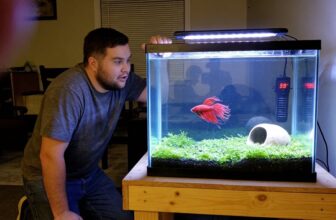
Aquarium algae isn’t your fault—it’s just too much light or food.
Brown diatoms dust new tanks; blue-green cyanobacteria form slimy sheets; green hair algae strands choke plants.
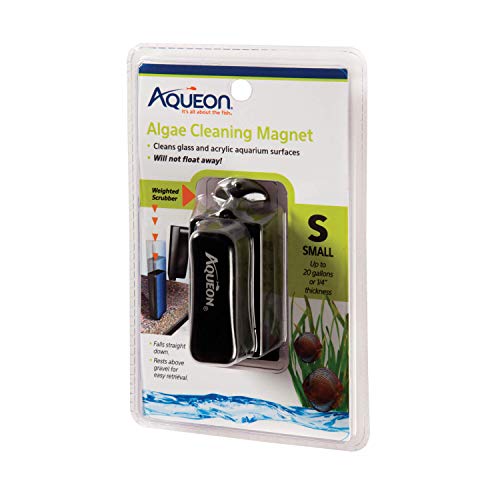
Scrapes green dust and diatoms off glass without putting your hands in the water.
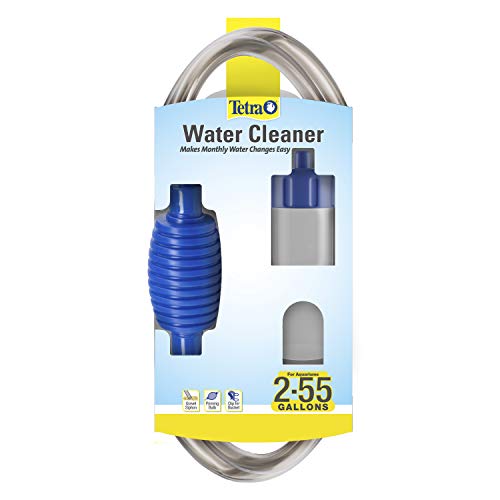
Removes fish waste and uneaten food during water changes to starve algae.
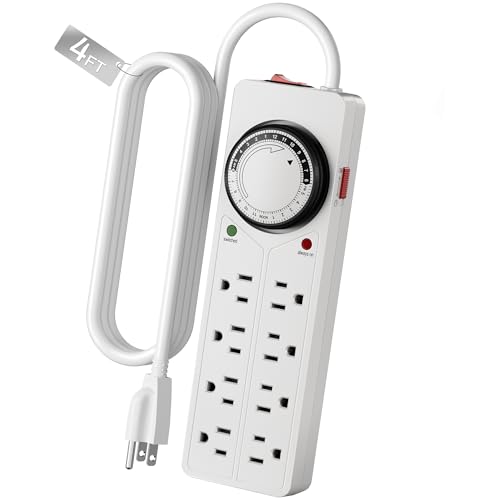
Automates lighting to eight hours a day, preventing algae-fueling light overload.
Browse discountedAquarium Maintenanceon Amazon
Fix it with cheap tricks: a $10 timer limits lights to eight hours, 25% water changes twice weekly starve nutrients, and a magnetic scraper nukes green dust before it grips.
Add Nerite snails for spot algae.
Chemicals are a last resort—they nuke your filter bacteria.
Stick to manual removal, then critters, then patience.
Keep going to nail the full schedule.
At A Glance
- Algae types include brown diatoms, green water, black beard, and blue-green cyanobacteria.
- Prevent algae by limiting light to 9 hours daily and performing 25% water changes twice weekly.
- Manual removal with a magnetic cleaner and gravel vacuum is the first control step.
- Introduce grazing critters like nerite snails or otocinclus for natural algae control.
- Use chemical treatments only as a last resort after manual, biological, and mechanical methods fail.
What Is Aquarium Algae and Why Does It Show Up?
Since you’re staring at a tank full of green goo, let’s cut to the chase: aquarium algae is just a collection of simple, light‑hungry organisms that photosynthesize—basically microscopic plants with no roots, stems, or leaves.
They’re not evil, just opportunistic. Algae shows up when you give it what it wants: light and nutrients (that’s fish waste, leftover food, silicates).
They’re not evil, just opportunistic. Algae shows up when you give it what it wants.
Too much light cranks photosynthesis, and extra nutrients fuel the party.
You’re not alone—every tank owner gets it.
The fix isn’t shame; it’s balance. Cut your light to eight hours, feed less, and you’ll starve that green goo right out.
Adding an aquarium cover net can also reduce light intensity and block debris that adds nutrients.
How to Identify the 8 Most Common Algae Types Fast
| Algae Type | Look | Where It Hides |
|---|---|---|
| Brown (diatoms) | Light‑brown dust | Glass, decor, new tanks |
| Blue‑green (cyanobacteria) | Slimy sheets, green/red/brown | Substrate, plants, rocks |
| Green hair/thread | Hair‑like strands | Plants, rocks, fast‑spreading |
| Staghorn | Grey‑green antlers | Low‑flow spots, moderate light |
| Green water | Pea‑soup cloudiness | Whole water column |
Maintaining stable pH and alkalinity with a non‑phosphate buffer prevents the nutrient imbalances that fuel many algae blooms.
Brown Diatoms: Causes and Cures for New Tanks
So you’ve identified brown dust on your glass and decor—congratulations, you have diatoms. Don’t panic; every new tank gets this rite of passage. They thrive on silicates from fresh sand or tap water and low light—embrace it.
Your cure is patience and consistency. Scrape glass weekly, vacuum gravel, and perform 25% water changes twice a week. Add a phosphate-absorbing resin like Seachem PhosGuard ($10—lasts months). Introduce Nerite snails ($4 each) or Otocinclus ($3 each) to graze surfaces. For scraping, consider a magnetic algae cleaner with a floating design to prevent losing the interior half in the substrate.
Bottom line: diatoms fade naturally as your tank matures. Stick to the routine, and you’ll outlast them.
Blue-Green Algae: How to Spot and Remove Cyanobacteria
If blue-green algae has turned your tank into a slimy sci-fi set, you’re not dealing with actual algae—you’re up against cyanobacteria. It peels off in thick, stinky sheets, often in low-flow spots. You’ll feel it, not just see it.
Manual removal’s your first offensive—siphon it out during water changes. Then starve it: cut lighting to 6 hours daily, no feeding for 48 hours. Boost flow with a powerhead ($20–$40). Stubborn cases need a 3-day blackout; wrap the tank completely. Cyanobacteria hates competition, so you’re fighting for control. Stick with it—your tank’s worth the grunt work. Using a monitor with real‑time Wi‑Fi alerts helps you track pH and temperature shifts that fuel cyanobacteria blooms.
Green Hair, Thread, and Staghorn: Quick Fixes for Each
Why does it feel like your plants are trying to grow hair, whereas your actual fish just watch? You’re not alone; these fuzzy invaders are actually three different pests with separate fixes.
- For green hair algae—long, slimy strands draped like wet spiderwebs on your Java fern—grab a soft toothbrush, twirl it like pasta, then yank it out.
- Thread algae looks like fine fishing line tangled on stems; increase CO2 slightly, and watch it fade.
- Staghorn algae forms grey‑green antlers on slow leaves—boost water flow with a powerhead, and it’ll shrivel.
- Manual removal first: twist, pull, repeat.
- Count on Siamese algae eaters to clean leftovers; they’re worth the $5.
- Trim affected leaves, limit light to 8 hours, and don’t slack on weekly water changes.
You’ve got this—you’re part of the algae‑fighting crew now. For smaller setups, a self‑cleaning silent pump can reduce waste buildup that fuels algae growth.
Green Water and Green Dust: Clear-Water Solutions
When your tank looks like a murky snow globe, you’re probably dealing with green water—a suspended single‑cell algae bloom, not a dusting on glass.
Don’t panic; you’re not alone, and the fix is simpler than you think.
A UV sterilizer zaps those floating cells dead, clearing your view in days.
For green dust algae, that thin film on glass, grab a magnetic cleaner—scrub it off weekly before it re‑settles.
A properly cycled tank with nitrate under 20 ppm helps prevent algae from feeding on excess nutrients.
- UV sterilizer: ~$50–$100, kills blooms fast.
- Diatom filter: polishes water crystal clear.
- Magnetic scraper: keeps glass spotless.
You’ve got this, tank buddy.
Black Brush Algae: When to Tear Down Plants
Black brush algae (BBA) is the stubborn, dark‑tufted stuff you’ll find clinging to slow‑growing plant leaves and filter intakes—no, it isn’t a new carpet for your tank. When it won’t budge, you must decide: tear down those plants or keep fighting a losing battle.
- Leaves look like they’re wearing tiny, black dreadlocks—not a good look.
- Tufts feel rough, like a cheap scrub brush you’d toss in the trash.
- Plant stems get choked, turning pale and weak under the dark fuzz.
- Filter intakes sport nasty, fuzzy beards that clog flow.
- Whole plants become so coated you can’t see green anymore.
Honestly, if a leaf is 50% BBA, pull it. Your other plants will thank you, and you’ll feel part of the “clean tank crew.”
Adding a Rubbernose Pleco to the tank can help control BBA through its natural grazing on glass and soft algae, though it does not consume plant tissue.
Surface Film Algae: Why It Forms and How to Clear It
That oily shimmer on your water’s surface isn’t a prize-winning rainbow—it’s a scummy biofilm, often called surface film algae, and it loves a tank where water movement is too weak to break it up. You’re not alone; this happens when proteins and waste build up, calming the surface into a stagnant skin. Fixing it is simple, and your tank crew will thank you. Adding an acrylic skimmer stand can help align a surface skimmer at the optimal water level for more effective waste removal.
| Cause | Solution | Quick Fix |
|---|---|---|
| Low surface agitation | Add a powerhead or adjust filter outflow | Aim outflow at surface |
| Excess dissolved organics | Increase water changes (2× weekly) | Siphon film manually |
| Overfeeding | Cut feeding by half | Use a paper towel to blot |
| Too few surface skimmers | Add a small surface skimmer | Weekly paper towel blot |
You’ve got this—clear the film, reclaim your view, and join the smooth-surface club.
Your Prevention Routine: Water Changes, Light, and Feeding
Since you’ve already tamed surface film, let’s lock down the big three prevention levers: water changes, lighting, and feeding.
- Swap 25% water twice weekly—you’ll see nutrient levels drop, and your glass looks cleaner, instantly.
- Keep lights on ≤9 hours daily; even cheap timers ($10) prevent accidental overnight blooms.
- Feed fish only what they finish in 2 minutes—sinking pellets left uneaten fuel hair algae.
- Use a digital timer ($15) to automate your photoperiod, so you can’t forget.
- Scrub glass weekly with a magnetic cleaner—prevents green dust from ever taking hold.
You’re part of the crew that keeps tanks crisp. Stick with this routine, and you’ll stay ahead of the slime. Use ion‑selective membranes to improve the accuracy of test strips when monitoring water parameters.
Best Algae-Eating Critters for Each Problem Type
While you can throw a nerite snail at almost any algae problem and call it a day, matching the right critter to the specific type of slime turns a losing battle into a managed ecosystem.
Got green hair algae? Grab a bristlenose pleco—they’re serene, $10 lawnmowers for that fuzzy mess.
Diatoms plaguing your new tank? Otocinclus cats, tiny hoovers at $3 each, will clean your glass.
BBA? Siamese algae eaters (SAE) are your only hope; they devour those dark tufts.
Cyanobacteria? No critter touches it—manual removal’s your job.
For green spot algae, nerite snails scrape harder than you ever will.
Bottom line: stock smart, not hard, and you’ll belong to the clean-tank club. They’re not pets; they’re your cleanup crew. Own it.
Mechanical Tools: Scrapers, UV Sterilizers, and Filter Media
A good scraper beats any algaecide—and it won’t nuke your filter bacteria. You’ll scrape green spot off the glass in seconds, feeling that satisfying *zing*.
For tough BBA tufts, grab a stiff toothbrush; for green water, you need a UV sterilizer.
Swap your mechanical filter media monthly or rinse it weekly—clogged media just recirculates the problem.
- Run your fingernail across the glass, feeling that perfect click of a clean pane
- Watch the UV sterilizer’s glow turn pea‑soup green water crystal clear overnight
- Feel the scrubby pad’s grit grind away staghorn’s antler‑like strands
- Hold your filter sponge under the tap, brown gunk swirling away
- See the diatom filter’s fine powder trap green‑water algae like a net
Bottom line: scrape first, sterilize second, and keep that media flowing.
For optimal performance, ensure the UV sterilizer operates at 254 nm UV‑C to effectively break down algae DNA.
Chemical Treatments: Only Use After These 3 Steps Fail
Before you reach for that bottle of liquid algaecide, you’ve gotta ask yourself: did you actually try the boring stuff first? You skipped the three steps? Don’t be that person.
Before you reach for algaecide, ask yourself: did you try the boring stuff first?
Step one: manual removal. Scrubbing, siphoning, pulling every strand.
Step two: water changes. Two a week, 25% each, no excuses.
Step three: critter crew. Nerite snails, Siamese algae eaters, maybe some shrimp.
Only after those fail—and you’ve waited two weeks—consider chemicals.
But hydrogen peroxide? It nukes algae but also your filter bacteria. Dosing’s tricky, a single miscalculation kills fish.
Algaecides work fast, indeed, but they’re a last resort. You’re better than that. Belong to the patient crowd.
For reef tanks, a KH Buffer Supplement can instead be used to stabilize pH and support coral growth without damaging beneficial bacteria.
Common Mistakes That Actually Make Algae Worse
If you’re battling algae and it keeps getting worse, you’re probably making at least one of these classic blunders—don’t worry, I’ve been there too. We’ve all been that hobbyist who thinks more is better.
- You’re blasting your lights 12 hours a day, turning your tank into a disco for algae.
- You’re overfeeding like a generous grandma, sludge piling up on the gravel.
- You’re skipping water changes—ever—so nutrients fester like ignored leftovers.
- You’re scrubbing everything shiny, releasing algae spores to swim free and resettle.
- You’re using chemical fixes first, nuking your filter bacteria instead of the problem.
A silent, spill-free water change makes it far easier to remove that sludge without shocking your fish. Break these habits, friend, and your tank breathes easier. You’ve got this.
How to Build a Monthly Algae-Fighting Schedule
Since you’ve already broken the habits that make algae worse, it’s time to set a rhythm that keeps your tank clean without turning you into a full‑time janitor. A monthly schedule lets you stay ahead of the slime. Stick to it, and you’re part of the club that never panics over green haze. For example, using a digital floating thermometer with ±1 °C accuracy helps you monitor temperature stability, a key factor in preventing algae blooms.
| Week | Task | Why It Works |
|---|---|---|
| 1 | 25% water change + gravel vac | Removes nutrients algae love |
| 2 | Scrub glass, clean filter media | Stops spores from settling |
| 3 | Prune plants, wipe equipment | Reduces hiding spots for algae |
| 4 | Check light timer, test water | Guarantees you’re not overfeeding it |
| Ongoing | Add algae eaters | They do the daily dirty work |
Bottom line: commit to this rhythm, and your tank stays clear without you sweating it.
Frequently Asked Questions
Can Algae Harm My Fish Directly?
Can algae directly harm your fish? No, not typically.
Most algae—like brown diatoms or green hair—are just ugly, not deadly.
Nevertheless, that slimy blue‑green gunk (cyanobacteria) can release toxins, especially in low‑oxygen water.
And a thick BBA bloom might smother plant leaves, lowering oxygen at night.
You’re safe if you keep nutrients in check and do regular water changes.
Bottom line: algae’s a sign your tank’s off-balance, but it won’t kill your fish itself.
How Long Does It Take to Get Rid of Black Brush Algae?
You’re looking at weeks, not days, for black brush algae (BBA) – those dark tufts on slow leaves.
Manual removal speeds it up, but you’ve got to starve it.
Reduce your lighting to 6–7 hours daily, boost flow with a powerhead, and add Siamese algae eaters.
Heavily hit plants? Discard ’em.
Persistence pays off; you’ll see real progress in 4–8 weeks.
No quick fix, just steady work.
Will Decreasing Light Completely Stop Algae Growth?
No, decreasing light won’t completely stop algae growth—just slow it down. Algae are survivors, and some, like brown diatoms, thrive on silicates and phosphates, not just light. You’re still feeding them with leftover food and fish waste.
Can I Use Tap Water if I Treat It for Algae?
Yes, you can use tap water if you treat it, but don’t expect a miracle.
Dechlorinating it’s crucial, but it won’t remove silicates or phosphates that feed brown and green algae.
Those require a phosphate-absorbing resin (like Seachem Purigen) or a reverse osmosis unit.
Tap water’s still risky; you’re better off mixing it with RO or distilled water.
Treating alone often leaves enough nutrients for algae to thrive, so combine it with other controls.
Do I Need to Remove All Decorations to Treat Algae?
No, you don’t need to strip the tank bare to treat most algae.
Spot‑cleaning with a soft brush or magnetic cleaner handles hair algae on rocks, as a toothbrush works for staghorn on decorations.
For stubborn black brush algae (BBA), just remove affected plants or decorations and scrub them in old tank water.
Overkill risks stressing your system, so keep it simple: target spots, not everything.
Rounding Up
So, you’ve stared down slime, scraped diatoms, and banished hair algae. That’s good—you’re not out of the woods yet, but you’re holding a machete. Don’t panic over every speck; it’s not a personal failure, just a chemistry hiccup. Stick to monthly water changes (30% is your magic number), feed sparingly, and keep that light on a timer (6–8 hours max). You’ll win, one scrub at a time.

Clears green water by zapping suspended algae cells, restoring crystal-clear visibility.

Boosts water flow to stop cyanobacteria and staghorn algae in low-flow spots.
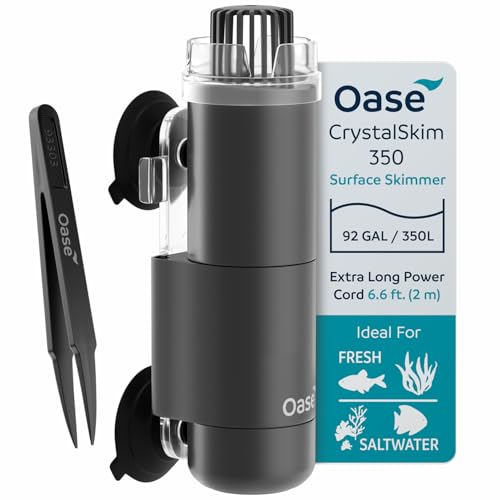
Removes oily surface film and proteins that feed algae and cloud the water.
Check discounted items inAquarium Filtration