Doctorfish tangs need 100 gallons minimum, temperatures 72–80°F, and ocean-mimicking flow through powerheads – not fire hoses, mind you, just enough current to keep them exercised.
They’ll eat nori two or three times weekly, plus flakes or krill, though good luck finding one that won’t side-eye the menu.
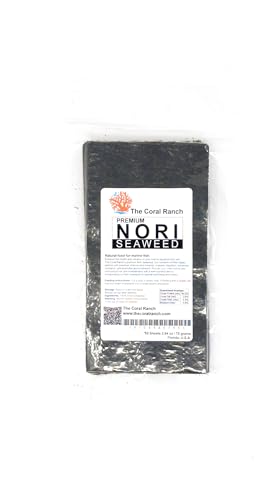
Essential greens for tangs, promotes vibrant color and health.

Balanced daily staple, supports immune system and growth.

Protein-rich treat, encourages natural foraging behavior.
Check discounted items inFish Food
For tank mates, stick with peaceful bottom-dwellers or active swimmers like clownfish; avoid anything that looks like them, since those tail scalpels aren’t decorative.
Now, there’s more to the personality – much more – if you stick around.
At A Glance
- Minimum 100-gallon tank required for one adult Doctorfish Tang to thrive.
- Feed nori or dried seaweed two to three times weekly as primary diet.
- Avoid housing with other Doctorfish Tangs or competing algae grazers.
- Maintain temperature 72-80°F, pH 6.0-8.0, and salinity 1.020-1.025.
- Pair with peaceful bottom-dwellers or bold non-bullying species only.
What Is a Doctorfish Tang?
What Exactly Makes a Fish a Doctor?
Turns out, it’s the scalpeăls – sharp bony plates on each side of the tail, used for defense, not surgery. Doctorfish Tangs (*Acanthurus chirurgus*) flash color morphs depending on mood: bright blue when calm, dark brown when stressed. Those iridophores, little light-bending cells in the scales, make aquarium photography both rewarding and slightly maddening.
You’ll find them alone or in loose groups across the Atlantic, cleaning parasites off sea turtles as juveniles. They’re not cuddly community fish, but they’re fascinating. And honestly? That blue-ringed weaponry beats a stethoscope.
Whether you’re housing a single specimen or maintaining a dedicated quarantine system for new arrivals, coral frag display racks can help organize temporary holding spaces for beneficial algae or small invertebrates that support water quality.
How Big Do They Get and How Long Do They Live?
A Doctorfish Tang won’t stay that pocket-sized prize forever, so measuring expectations – literally – matters before the tank upgrade regret sets in. Juveniles arrive barely an inch, but they’ll stretch to fifteen inches – nearly forty centimeters, for the metrically inclined – and pack on eleven pounds of opinionated fish.
Now, here’s where it gets interesting. Their color morphs shift with mood, blue scales brightening or darkening to brown, so you’ll always know who’s stressed at the dinner table.
- Wild specimens cruise past forty years; captivity usually clocks seven to eight
- Breeding challenges remain undefeated – no one’s cracked captive spawning yet
- Low stress and quality grub buy you extra decades, theoretically
Growth doesn’t stop, either. Keep feeding, keep the peace, and they’ll keep expanding. A proper sump setup with adjustable baffle chambers helps maintain the stable water conditions these sensitive fish need for longevity.
Minimum Tank Size for This Species
So here’s the part where size actually matters, and no, we’re not talking about that scalpel on the peduncle. A single Doctorfish Tang demands 100 gallons minimum, though “minimum” here means “don’t push it, friend.” Aquarium cycling must finish completely before they move in – no shortcuts, no “close enough.” Lighting spectrum matters too; they’re algae grazers, so that full-spectrum glow keeps their buffet growing.
Maintaining crystal-clear water becomes essential for these heavy grazers, which is why many Doctorfish keepers invest in protein skimmer filtration rated well above their tank volume to handle the added bioload from constant algae feeding and waste production.
| Tank Factor | Why It Counts | The Reality Check |
|---|---|---|
| Volume | Swimming room reduces aggression | 100 gal = survival, not luxury |
| Cycling | Toxic ammonia kills | Wait it out, test daily |
| Lights | Feeds their food | PAR 150-250, mix blue-white |
| Flow | Mimics ocean currents | Gentle, not blast-furnace |
Bigger tanks equal longer lives. Simple math.
Water Parameters Doctorfish Tangs Need
Water Parameters for Doctorfish Tangs
Once that tank’s cycled and occupied, the real work begins – keeping the water chemistry from turning into a chemistry experiment gone wrong. Doctorfish Tangs thrive where others founder, but they’re not miracle fish.
- Keep temperatures steady at 72–80°F; sudden swings spark stress, and stress invites disease
- Maintain pH between 6.0–8.0, dKH 6–10 – soft, stable chemistry keeps their scales bright
- Hold specific gravity at 1.020–1.025; any lower risks osmotic shock, higher wastes energy
Now, cor flow matters – gentle, consistent movement, not hurricane force – and watch for algae bloom, that green cloud signaling imbalance. They’ll forgive small slip-ups, but neglect compounds fast.
Tank Setup: Equipment, Flow, and Layout
Since a Doctorfish Tang doesn’t ask for much – just a hundred gallons of carefully arranged water, give or take – they’ll still find ways to test your setup skills.
Now, lighting flow dynamics matter more than you’d think. These fish cruise mid-water, so they’ll notice harsh spots and dead zones alike. Aim for gentle, ocean-mimicking currents – nothing that’ll buffet them like a washing machine.
Substrate selection? Sand, definitely sand. They’ll sift, they’ll forage, they’ll judge your gravel choices harshly.
Equipment basics:
- Robust filtration (they’re messy eaters)
- Quality protein skimmer – aim for one with a needle‑wheel impeller to efficiently trap organic waste from their heavy bioload
- Powerheads for that consistent, not chaotic, flow
Caves help. Open swimming space helps more. And I mean, really – don’t over-decorate. They need room to turn, to bolt, to show off those blue-ringed scalpels without clipping a rock.
What to Feed Doctorfish Tangs
Three things matter most here – greens, more greens, and the occasional protein that isn’t greens.
- Offer nori or dried seaweed 2–3 times weekly for balanced intake
- Supplement with quality flakes, krill, or mussels in small, measured portions
- Let them graze live chaetomorpha, it’s what they’d pick naturally
Now, here’s the thing: their color mood shifts with diet quality. Open scales flash bright blue when they’re thriving; closed scales turn dusky brown when nutrition falters. I mean, you’ll notice. These fish aren’t subtle. Keep the greens flowing, and they’ll show it.
While live algae forms the backbone of their nutrition, a potassium-rich supplement can further enhance the vibrant coloration that signals a healthy specimen – particularly when natural foraging isn’t sufficient to meet their metabolic demands.
Vitamin C Deficiency: Signs and Prevention
Color mood’s only half the story, though.
Color’s conversation starter, but the body keeps the real secrets.
A Doctorfish Tang’s body tells secrets, and Vitamin C deficiency writes them in neon. You’ll spot it early: faded fins, that particular dullness, lateral line erosion creeping along the flanks. It’s colorful stress made visible, the kind that screams “something’s missing” before collapse.
Now, prevention’s simple enough. Feed nori, quality pellets, fresh greens – stuff fortified, not just “maybe.” Two to three times weekly, minimum. I mean, these fish aren’t asking for miracles, just basics. Violet and UV supplementation in lighting can further support vitamin D₃ synthesis and calcium absorption, reinforcing overall nutritional health.
Skip this, and you’re watching a slow fade in real-time. Nobody wants that membership in the “too late” club.
Common Diseases and Stress Indicators
Doctorfish Tangs hide illness until it’s severe. One day they’re fine, the next they’re blotched, scratching, or worse – dead. Algae scrubbing helps, but it’s not everything. Stress-induced bloom, when tank chemistry destabilizes from anxiety, feeds pathogens.
- Rapid breathing, clamped fins, hiding
- Faded stripes, weight loss, refusal to graze
- White spots, cloudy eyes, frayed fins appearing overnight
Catch it early. Watch closely, act fast, and stay humble about what you know. A sudden ammonia spike from stress can overwhelm your biofilter, making biological treatments with live nitrifying bacteria essential for rapid cycle recovery.
Do They Need Cleaner Gobies or Shrimp?
Stress’ll wreck these fish long before you spot the symptoms, but it ain’t the only thing gnawin’ at ’em. Parasites’ll set up shop on those scalpel-laden flanks, and your Doctorfish knows it.
Now, here’s where community gets practical. Cleaner gobies – neon gobies, particularly – earn their keep, picking dead skin and pests off a willing patient. Shrimp partners, like skunk or peppermint shrimp, handle the night shift, working angles the gobies miss.
Neither’s mandatory, strictly speaking. Small tanks? You’ll see more benefit. But in a proper setup with stable water, your tang’ll manage solo. The crew just makes things smoother, cleaner, a little more like home. A thoughtful tank setup that matches your available space and aesthetic preference will help maintain this stability long-term.
Territorial Behavior: How Aggressive Are They?
Though they’ll cruise the open ocean like casual commuters, Doctorfish Tangs don’t bring that same energy home. In tanks, they establish a rigid territorial hierarchy, and once they claim space, they defend it with surprising vigor. Now, aggression triggers matter here – crowding, mirror reflections, and food scarcity all light their fuse. Tank size, as always, is everything.
- Conspecific conflict: They’ll fight their own kind without hesitation
- Cornered energy: Small tanks amplify defensive posturing
- Visual rivals: Their reflection reads as an intruder
Give them room, and they’ll settle. Crowd them, and someone’s getting slashed. Just as push-to-connect fittings in compact aquarium filtration systems help manage water flow in tight spaces, adequate swimming room reduces territorial pressure in these fish.
Compatible Tank Mates for Community Aquariums
Sharing space, that’s the real test. The Doctorfish Tang, it’s not impossible, just particular.
Peaceful Bottom-Dwellers
Neon Gobies, Mandarin Gobies – they’ll clean those scales, earn their keep.
Busy Swimmers
Clownfish, Damselfish – quick, bright, they don’t crowd the doctor’s turf.
Statement Pieces
Emperor Angelfish, Picasso Triggerfish – bold, but not bullies.
Now, lighting effects matter here. Blues and violets bring out their best color morphs, and when tank mates shimmer under the same glow, the whole tank feels like home, like crew.
Just keep algae eaters limited. One doctor’s enough, you know?
A thoughtful check valve set protects your community from back-siphoning disasters during power outages.
Fish to Avoid Housing With This Tang Species
Tank Mates to Avoid
But which fish’ll send this surgeon packing, or worse, start a knife fight?
Now, color placement matters – mirror your Doctorfish’s blues and grays, and you’ll spark a territorial tantrum fit for a reef melodrama.
I mean, these guys don’t share algae control duties, so competition gets personal fast.
- Fellow Doctorfish Tangs – same species aggression, no exceptions
- Lookalike tangs with matching silhouettes and fin patterns
- Dedicated algae grazers that’ll challenge their food monopoly
Skip these tank mates, or you’re basically scheduling a coral knife fight. Nobody wants that drama in their living room ecosystem.
Why Captive Breeding Is Nearly Impossible
Why Captive Breeding Fails
The Doctorfish Tang’s wild breeding rituals are basically an oceanic flash mob that nobody can replicate on cue, captive breeding remains one of those things aquarists mutter about at conferences before shrugging into their beer.
Now, here’s the rub: these fish demand precise lunar cues, temperature drops, and synchronized spawning that aquarium lighting can’t fake convincingly enough.
I mean, you can dim LEDs all night, but good luck convincing twelve-plus adults it’s moonrise off Belize.
Genetic studies confirm wild populations carry genetic markers shaped by these mass events, cues home tanks simply don’t provide. Nobody’s cracked the code.
How to Choose a Healthy Juvenile Specimen
Body Shape and Build
Body shape tells the rest of the story. A healthy juvenile displays plump, rounded contours – not sunken flanks or spiny ridges – and swims with steady, purposeful confidence, not erratic darting or listless hovering near the tank bottom.
Now, here’s what separates a keeper from a heartbreak:
- Radiant juvenile coloration shows open, hopeful iridophores, bright blue flecks catching the aquarium lighting, not that stressed-out muddy brown
- Clear, alert eyes – no cloudiness, no cottony patches around those famous scalpels
- Active feeding response; they attack algae like it’s personal, since it kind of is
And yeah, size matters – aim for three to four inches, not those tiny nickel specimens that’ll vanish. I mean, they’ll vanish literally, or emotionally, and neither’s fun.
Frequently Asked Questions
Can Doctorfish Tangs Change Color Instantly?
Yes. Doctorfish Tangs shift instant hue through iridophores – tiny, mood-responsive structures in their scales that open to flash brighter blues or squeeze tight for darker browns.
This rapid pigment change isn’t magic, just biology keeping pace with their feelings. Stress darkens them, comfort brightens them, and the whole show happens faster than you’d check your phone. It’s one of their cooler party tricks, honestly.
Do They Sleep at Night or Remain Active?
They’re active during the day, actually.
Doctorfish Tangs follow clear nycturnal patterns – resting at night, often wedging themselves into reef crevices for safety.
Their habitat preference (Atlantic reefs up to 82 feet) shapes this rhythm; dim light signals downtime.
So they sleep, they don’t cruise the tank after hours.
Keep the lights on a timer, let ’em follow their natural cycle, and everyone’s happier for it.
How Sharp Are Their Caudal Scalpels?
They’re wicked sharp – those scalpels’ll slice careless fingers clean open.
Sharp caudal anatomy means business: retractable bony blades, maybe half an inch of cartilage and bone, edged like they’re begging for trouble.
The blade like fin sits hidden till they flare, then suddenly someone’s bleeding into the tank.
And yes, they’re sharp enough to need respect, not fear – just don’t test ’em barehanded, ’cause doctorfish didn’t choose that name for nothing.
Can They Be Kept in Planted Freshwater Tanks?
No, they can’t. Doctorfish Tangs need saltwater, so planted freshwater tanks lack planted compatibility for them.
Their water parameters demand marine conditions – specific gravity of 1.020–1.025, not the zero-salinity freshwater provides.
They’ll sicken, stress, and die in freshwater setups.
Keep them in reef tanks with proper salinity, or don’t keep them at all.
Simple as that, really – fish have boundaries, and this one’s non-negotiable.
Do They Recognize Their Owners?
They don’t. Well, not really – fish recognize patterns, not faces.
A Doctorfish Tang learns routines: footsteps, vibrations, the hand that drops food. It’s association, not affection.
Owner recognition? That’s generous. Social bonding happens with cleaner gobies, not humans.
You’ll think it loves you, but it loves the nori. Still, show up daily, and it’ll swim your way. That’s something, maybe. About 70 words, roughly.
—
Bottom line:
- They won’t miss you on vacation
- They’ll greet the feeder, not the friend
—

Removes organic waste, keeps water crystal clear for tangs.

Creates gentle currents, mimics ocean flow for exercise.
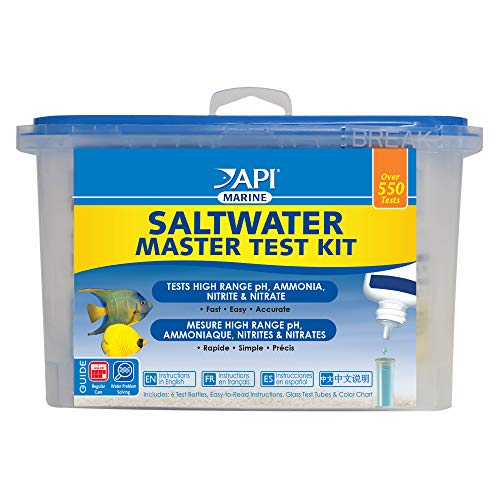
Monitor pH, ammonia, salinity to prevent stress and disease.
Browse discountedAquarium Filtrationon Amazon