Angelfish swimming sideways is usually swim bladder disease, not a quirky new stroke.
Poor water quality often inflames the bladder – test weekly with an API kit (about $15), and keep ammonia at zero. Overfeeding causes constipation that presses on the bladder; feed two pellets twice daily plus a blanched pea. Bacterial infections or spinal deformities can additionally tilt them. Epsom salt baths help: one tablespoon per gallon for 15–30 minutes. Fixing the water, feeding less, and isolating the fish usually works.

Monitors ammonia, nitrite, nitrate, and pH so you can catch water problems before they tilt your angelfish.

Relaxes muscles and reduces swelling during a 15–30 minute bath to ease buoyancy.

Dispenses exact portions to prevent overfeeding and constipation that presses on the swim bladder.
Check discounted items inAquarium Health Supplies
At A Glance
- Sideways swimming in angelfish most often indicates swim bladder disease or buoyancy issues.
- Bacterial infections attacking the swim bladder can cause listing or spiraling behavior.
- Overfeeding leads to constipation, pressing on the swim bladder and causing imbalance.
- Poor water quality with high ammonia or nitrates inflames the swim bladder, causing tilting.
- An Epsom salt bath for 15–30 minutes relaxes muscles and reduces swelling to ease buoyancy.
Sideways Swimming Usually Signals Swim Bladder Disease
When an angelfish starts swimming sideways, it’s not trying out for a circus act – it’s almost definitely swim bladder disease. This common ailment disrupts buoyancy control, often from overeating or bacterial infection. A variety of broad‑spectrum treatments can help if the cause is bacterial, as products like Seachem PolyGuard target multiple bacterial and parasitic issues simultaneously. Using a slime coat enhancer like Seachem StressGuard can also reduce stress and support healing during treatment.
But sometimes, genetic factors are the root cause, meaning you can’t fix what’s inherited. That’s why buying from a reputable breeder matters.
To protect your tank, always follow quarantine protocols for new fish – isolate them for two weeks. It’s a small hassle that prevents a big headache.
Bottom line: catch it early, isolate, and adjust diet.
Poor Water Quality Can Trigger Sideways Swimming
An angelfish’s sideways swimming might not always be a swim bladder issue; poor water quality often plays the villain. High ammonia or nitrates stress the fish, inflaming the swim bladder and causing buoyancy loss. Using a kit like the API Freshwater Master Test Kit provides over 800 tests to monitor water parameters accurately.
Poor water quality, not swim bladder, often makes your angelfish swim sideways.
You’ll see:
- Gasping at the surface, gills flaring red.
- Fins clamped tight, body tilted like a sinking ship.
- Lethargy, resting on the gravel, barely moving.
Test your water quality weekly – it’s cheap insurance. A $15 API master kit catches trouble early. For precise results, always follow the color-matching process described in the liquid reagent instructions. Clean water means a happy swim bladder, and that means your angelfish swims upright again. Bottom line: fix the water, fix the fish.
Overfeeding and Constipation Disrupt Buoyancy
Overfeeding is a surprisingly common culprit behind sideways swimming, and it often leads to constipation that wreaks havoc on buoyancy. When an angelfish overeats, its digestive system backs up, pressing on the swim bladder – that internal gas‑filled organ for float control. Constipated fish lose balance, tilting like a capsized boat. Using automatic feeders with precision portion control helps prevent overfeeding by dispensing exact amounts of food per meal.
You can help by feeding small meals, like two pellets twice daily, and inserting a pea (blanched, shelled) to clear blockage. For bottom‑feeding fish, consider using sinking wafers such as Tetra PRO PlecoWafers to provide a high‑fiber diet that helps prevent digestive issues.
Bacterial Infections That Affect Your Angelfish’s Balance
Bacterial infections are another major reason your angelfish might start listing sideways, and they often hit when you least expect it. These infections attack the swim bladder or inner ear, wrecking balance and causing your fish to tilt or spiral.
- Flashing and rubbing: Your fish darts and scratches against decorations, a clear sign of bacterial irritation.
- Red streaks or ulcers: Visible bloody lines or open sores on the body or fins indicate a serious infection.
- Cloudy eyes or clamped fins: These symptoms confirm the infection is systemic, not just a swim bladder issue.
A genetic predisposition makes some lines more vulnerable, so buy from reputable breeders. Strict quarantine protocols – isolating new fish for four weeks in a separate tank – prevent bacterial outbreaks before they start.
Using a live nitrifying bacteria supplement like FritzZyme 7 can accelerate biological filtration and help maintain water quality during quarantine.
Treating these infections promptly with broad-spectrum antibiotics reduces the risk of permanent balance damage.
Spinal Injuries and Deformities That Tilt Swimming
Two main culprits – spinal injuries and deformities – can tip your angelfish sideways, often mimicking swim bladder disease symptoms.
A genetic predisposition might cause a crooked spine from birth, leaving your fish forever tilted. Injuries from netting, sharp decor, or fighting with tank mates can additionally twist the spine.
Slow-release root tabs with low nitrogen and high potassium support steady plant growth, which helps maintain clean water conditions for recovery.Quarantine protocols are your best friend here: isolate any new fish for two weeks to spot these defects before they join the community.
Sadly, there’s no fixing a bent spine. Focus on low-stress housing, soft plants, and gentle water flow to make your tilted friend’s life comfortable. Supporting nutrient uptake with root-tab substrate fertilizers can improve plant health around injured fish.
Can Behavioral Quirks Cause Sideways Swimming?
Not every tilt signals a crisis; sometimes an angelfish just has a quirky personality. It might swim sideways a few seconds, then upright, eating and exploring normally. Before worrying, check for harmless quirks:
Not every tilt signals a crisis; sometimes an angelfish just has a quirky personality.
- A fish with a genetic predisposition may tilt slightly when excited.
- Temporary sideways display during feeding is often just excited positioning.
- Low-stress sideways swimming rarely includes gasping or sinking.
Using water test strips can quickly check for ammonia or nitrate spikes that may contribute to erratic swimming.
But don’t skip quarantine protocols if adding new fish – quirks rarely cause isolation. Watch for consistent trouble. No bloating? No appetite loss? Probably just personality. Calm down, observe first, then act. If isolation becomes necessary, temporary quarantine tanks like the Penn-Plax Small World provide a compact hospital option.
Spot Early Swim Bladder Disease Symptoms
When that sideways tilt sticks around longer than a bad joke, it’s time to look for swim bladder disease symptoms. This isn’t a quirky wobble; it’s a buoyancy failure.
Watch for trouble staying upright, floating to the top, or sinking like a stone. A swollen belly or loss of appetite? Those are red flags.
Key early signs:
- Erratic swimming, circles, or gasping at the surface.
- Genetic predisposition – some fish are born with weak swim bladders, so choose breeders wisely.
- Always follow quarantine protocols for new fish; a separate tank for two weeks prevents introducing disease.
- Additionally, adding high-quality biological filtration media like ceramic rings helps stabilize water parameters that affect fish health.
- Providing vitamins for immune support can help reduce stress and prevent secondary infections during early swim bladder issues.
Catch it early, and the odds improve. A quick eye today saves a headache tomorrow.
Isolate Your Sick Angelfish Immediately
Once you spot those telltale swim bladder symptoms, the next move is isolation – stat. Scoop that sideways-swimming angelfish into a quarantine tank, pronto, to protect your community. It’s a solo mission for recovery. Consider adding a Marina S10 Power Filter for effective filtration and quiet operation.
- Quarantine Setup: A bare 10-gallon tank with an air stone costs about $30 – ideal for focus. Among available options, the Aqueon Aquarium Fish Tank Starter Kit includes built-in filtration and heating for reliable support.
- Water Control: Keep temp at 78°F, pH 6.8; your sick fish needs stable conditions, not a circus.
- Calm Zone: No decorations, dim lights; it’s a chill room, not a party.
Isolation prevents spread, but remember genetic predisposition can lurk. For stubborn cases, a veterinary consultation is your next best play. Keep that tank exclusive.
Fix Water Quality to Begin Treatment
Clean water is the foundation of any recovery. That gunk in the tank isn’t helping anyone.
Start with a gravel vacuum and a 30% water change. Prioritize filter maintenance; rinse media in old tank water, not tap – chlorine kills helpful bacteria.
Commit to weekly testing using a liquid kit. Ammonia and nitrites must read zero; nitrates under 20 ppm. High levels stress fish, worsening sideways swimming.
Stable pH around 6.5–7.0 likewise matters. Maintaining a consistent temperature with a digital thermostat heater also reduces stress on the fish. Good water gives the fish a fighting chance. No shortcuts.
You’ve got this – your angelfish will thank you by swimming straighter next week.
Equipment with a 49‑ft vinyl hose can simplify reaching multiple tanks from one water source during large water changes.
Adjust Your Feeding Routine to Help Your Fish Swim Straight
- Peas, thawed and skinned: one pea per fish, twice weekly, to ease digestion.
- High-quality pellets: only what they eat in two minutes, preventing waste buildup.
- Frozen bloodworms: a treat, twice a week, for protein without overdoing it.
Feed little, feed often, and watch them level out.
A steady routine keeps buoyancy in check, no guesswork needed.
Use Antibiotics Only When Bacterial Infection Is Confirmed
Resist the urge to reach for antibiotics as a first move; they’re not a cure-all for sideways swimming. Misusing them harms your fish and tank’s bacteria.
Resist the urge to reach for antibiotics as a first move; they’re not a cure-all for sideways swimming.
Instead, confirm a bacterial infection before dosing. Your vet can run a bacterial culture from a slime sample, costing around $30–50, to identify the culprit.
If genetics are the issue – revealed through genetic testing from a reputable breeder – antibiotics won’t fix it. Save meds for confirmed cases; you’ll spare your fish unnecessary stress.
Always test first, treat second. Regular testing twice weekly with phosphate strips can help detect underlying water quality issues that stress fish and mimic infection symptoms. For deeper assessment, consider using a 48-hour incubation coliform kit to rule out bacterial contamination in the water itself.
Epsom Salt Baths: A Gentle Treatment Option
For those times when antibiotics feel like overkill – and your angelfish is just doing a sad tilt instead of a full-on death spiral – an Epsom salt bath is a surprisingly gentle option.
These salt baths work by relaxing muscles and reducing swelling, often easing buoyancy issues without harsh chemicals.
Here’s what to imagine:
- A separate container, one gallon of dechlorinated water.
- One tablespoon of plain Epsom salt (no additives), dissolved fully.
- Your angelfish soaking for 15–30 minutes, then returned to clean water.
It’s a low-stress fix, not a magic cure.
Repeat daily for up to three days.
Your fish will thank you with slightly less sideways dignity.
When to Consult a Vet for Sideways Swimming
A perfectly timed vet visit separates a small hiccup from a full-blown disaster – and knowing when to call is the trick. If your angelfish shows no improvement after three days of quarantine and an Epsom salt bath, book an appointment.
A vet can diagnose genetic predisposition, which home remedies can’t fix. They’ll likewise perform a proper veterinary quarantine, isolating fish safely throughout running tests.
Don’t wait until your fish floats lifelessly; a $50 consultation beats a $200 tank rebuild. If symptoms like a swollen belly or gasping persist, call. Your fish deserves expert care. Maintaining low nitrate levels in the water, ideally below 20 ppm for freshwater, is crucial for recovery and preventing recurrence. For comprehensive water treatment, using a conditioner like Tetra EasyBalance can help extend the interval between water changes while removing chlorine.
Prevent Sideways Swimming in the Future
- Test water weekly for ammonia and nitrates, keeping both at zero.
- Feed small meals of varied pellets and frozen foods, removing leftovers after two minutes.
- Provide a 20‑gallon tank minimum with plants and hiding spots, and ensure the filter offers gentle flow to avoid overwhelming small fish and shrimp. For aquariums needing adjustable circulation, consider a DC pump that provides low‑noise operation and speed control.
Bottom line: prevention beats cure, every time.
Frequently Asked Questions
Can a Fish Recover Fully From Swim Bladder Disease?
Full recovery is possible, but not guaranteed. Swim bladder damage from genetic defects or severe infections often prevents permanent recovery. For mild cases caused by overfeeding or poor water quality, treatment works well.
- Isolate the fish and improve water conditions.
- Adjust diet: reduce protein, feed peas.
- Monitor symptoms; most fish bounce back in a week.
If damage is irreversible, just keep the fish comfortable. It’s a fish, not a lawnmower – some things you fix, some you don’t. Bottom line: act fast for best odds.
How Long Should I Quarantine a New Angelfish?
A new angelfish should be quarantined for at least two weeks, ideally four.
This quarantine duration isn’t just boredom; it’s a vital observation period to spot issues like sideways swimming.
Think of it as a trial run before moving in with roommates. If the fish looks healthy after three weeks, you’re probably good.
Skipping this is like buying a car without checking the brakes – bold, but dumb.
Bottom line: four weeks keeps your main tank safe.
What Water Temperature Is Ideal for Angelfish?
The ideal water temperature for angelfish is 78–82°F, stable within a degree.
Thermometer placement matters – put it opposite the heater for an accurate read, not right next to it (that’d be cheating). Heater wattage is simple: use 3–5 watts per gallon, so a 50-gallon tank needs a 150–250W heater.
For sizing, a 200W heater runs about $30–50, covering most setups. A digital thermometer (under $15) is worth it.
Bottom line: keep temp steady, not just warm. Your fish will thank you, and your tank stays drama-free.
Does Fasting Help With Constipation-Related Buoyancy Issues?
Yes, fasting helps constipation-related buoyancy issues. A fasting duration of 24–48 hours allows the digestive system to clear blockages, reducing pressure on the swim bladder.
Follow this with a diet adjustment – switch to low-protein foods like blanched peas – to avoid recurrence.
Most angelfish improve quickly, though stubborn cases may need a longer fast.
It’s a simple fix, but don’t starve them for fun; if symptoms persist, check water quality or consult a vet.
Can Angelfish Live With a Permanent Spinal Deformity?
Yes, many angelfish can live with a permanent spinal deformity, whether from genetic malformation or old swim bladder damage. The key is a stress-free tank – plenty of hiding spots, stable water, and gentle tankmates.
- They might swim sideways or curl, but most adapt well.
- Provide soft plants to rest on, avoid strong currents.
- Feed a balanced diet, watch for secondary infections.
Bottom line: with proper care, it’s usually not a deal-breaker – just a quirky fish with a unique swimming style.
Rounding Up
So, sideways swimming isn’t a death sentence, but it’s not a party trick either. Nip it in the bud by checking water quality first – it’s the cheapest fix. Overfeeding? That’s on you. Epsom salt baths cost pennies and work wonders for constipation. Skip antibiotics except you’re certain it’s bacterial. Bottom line: clean tank, proper diet, and a watchful eye keep your angelfish swimming straight.

Broad-spectrum treatment for bacterial and parasitic infections that cause sideways swimming.

Antibiotic that targets internal bacterial infections affecting the swim bladder and balance.
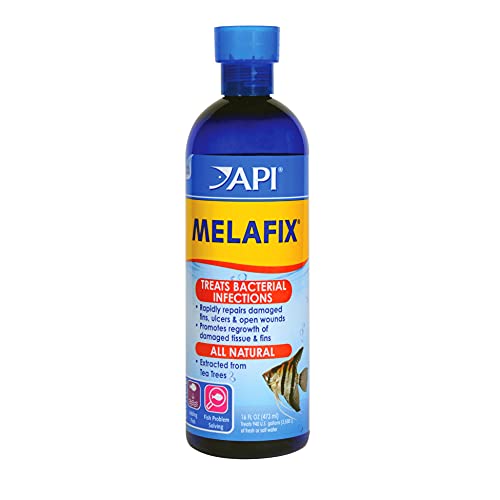
Helps heal damaged fins and skin while fighting bacterial causes of buoyancy loss.
See today's best deals onAquarium Medications