Fire shrimp hit about two inches, maybe a hair more if they’re feeling ambitious.
Reef-safe? Sure, your corals are safe – it’s other shrimp who should worry.

Detoxifies ammonia and chloramine without copper, protecting fire shrimp during water changes.

Provides calcium, alkalinity, and trace elements for strong molting and vibrant red color.

Raises calcium levels safely to support shell regrowth after each molt.
See deals onSaltwater Aquarium Supplies
Now, they need caves, dim corners, the whole gothic aesthetic; bright LEDs send them into hiding.
Water’s gotta be stable, copper-free, 8–12 dKH for that shell work.
Quarantine matters, since ich meds will kill them dead.
And breeding? Well, that’s a rotifer-scheduling nightmare most people bail on.
Stick around for the messy details.
At A Glance
- Adults reach ~2 inches and need at least 10 gallons, preferably 30 for pairs.
- Reef-safe cleaners that remove parasites, but incompatible with skunk cleaner shrimp.
- Avoid copper, formalin, and metal-based medications that penetrate their shells.
- Quarantine new specimens 30 days in dim tanks to prevent bacterial and fungal outbreaks.
- House with clownfish, seahorses, or tangs; exclude groupers, lionfish, and triggerfish.
Fire Shrimp Appearance and Natural Habitat
Where exactly does one find a creature that looks like someone’s candied nightmare, and why does it matter?
The fire shrimp, *Lysmata debelius*, haunts reef crevices from Indonesia to Sri Lanka – habitat distribution spanning the Indian and South Pacific oceans, roughly 65–100 feet down.
Now, here’s the thing: they’re nocturnal behavior specialists, hiding under rocks by day, emerging when lights dim.
Their candy-apple red shells dotted with white spots signal “cleaner shrimp” to fish in need of parasite removal.
Ten legs, fan-shaped tail, waving antennae – females curve underneath, males stay straighter.
I mean, evolution went bold here.
Finding them matters since understanding their wild patterns builds better aquarium homes.
Proper spectrum requirements for coral growth, particularly blue LEDs in the 445-470 nm range, help recreate their dimly lit natural environment and encourage healthy nocturnal activity in captivity.
Fire Shrimp Size, Growth, and Molting
Most fire shrimp top out around two inches, give or take a few millimeters depending on who’s holding the ruler and whether the shrimp is feeling cooperative.
Molting frequency runs highest in younger specimens – sometimes weekly – slowing as they age into their full color retention. Now, each molt is a vulnerable hour, the shrimp soft and hiding, maybe nibbling its own shed shell for minerals. I mean, it’s efficient, if a bit unsettling to watch. A calm, silent sump with reduced turbulence and micro-bubbles helps minimize stress during this vulnerable window.
Growth isn’t dramatic. These shrimp arrive nearly adult-sized, their scarlet shells deepening with proper diet and stable water. Patience, stability, and calcium-rich meals keep that iconic red from fading to pale orange.
Fire Shrimp vs. Skunk Cleaner Shrimp: How to Choose
Since the saltwater aisle offers two scarlet celebrities with nearly identical job descriptions, aquarists often freeze at the glass, wallets half-open, wondering which cleaner earns their ten gallons.
Aquarists freeze at the glass, wallets half-open, wondering which scarlet celebrity earns their ten gallons.
Now, budget shrimp pricing tilts toward skunks – cheaper, bolder, daylight hours fully operational. Fire shrimp cost more, hide more, glow like embers when aquarium lighting trends dim toward reef twilight.
- Fire shrimp: deep crimson wallflowers, nocturnal instincts, premium price tag
- Skunk cleaners: striped extroverts, affordable, performing under bright LEDs
- Neither tolerates the other; pick one, commit fully
I mean, choose your personality. Both clean, both charm, neither shares.
For those housing fire shrimp in compact reef systems, selecting a low-flow filtration setup similar to betta tank designs prevents stressing these delicate crustaceans with gentle water movement.
Fire Shrimp Tank Size: Minimum vs. Ideal
Once the species is settled – crimson hermit or striped extrovert – the next question becomes real estate.
Now, ten gallons works. Technically. One shrimp, some rocks, done.
But thirty? That’s where the magic happens. Room to molt in peace, to hoard shell material under ledges like a dragon with poor investment strategy. Lighting intensity matters here – dim corners, remember, so they can actually emerge without stage fright.
- 10 gallons: solo, cramped, functional
- 30 gallons: pairs, territory, fewer meltdowns
I mean, they’re not claustrophobic, but why push it? Space builds confidence. Confidence builds community.
A dimmable light controller can help maintain those shaded refuges fire shrimp need to feel secure during molting.
Optimal Water Parameters for Fire Shrimp
Why does a creature this bold – screaming crimson across the reef – fold so quickly when the chemistry slips? Fire shrimp demand precision, not perfection.
- Temperature: 72–78 °F; stability matters more than exactitude
- pH: 8.1–8.4; water cycling keeps this range honest
- Specific gravity: 1.023–1.025 sg
Light intensity? Keep it dim. These nocturnal cleaners stress under glare, hiding until darkness falls.
Now, hardness at 8–12 dKH protects their molting cycles – frequent in youth, I mean, they’re basically teenagers shedding skins weekly. Test weekly, change 25–30% every fortnight. Copper kills them dead. No negotiations. For reef keepers struggling to maintain this carbonate buffer system stability, liquid KH supplements targeting pH 8.3 offer precise, repeatable dosing that aligns perfectly with fire shrimp requirements.
Fire Shrimp Tank Mates: Compatible Species
Where does a fire shrimp fit in the chaos of a reef tank, anyway? Right in the middle, mostly, waving those white antennae like it owns the place. These shrimp play nice with clownfish, blue hippo tangs, seahorses, basslets, and harlequin shrimp – gentle neighbors who won’t mistake them for snacks.
Fire shrimp stake their claim right in the middle of the chaos, waving white antennae like they own the place.
Color morphs matter less than temperament here. What you want is peaceful, reef-safe company that won’t trigger that shy, nocturnal hiding instinct.
For tanks housing fire shrimp alongside smaller species, using a compact HOB filter with dual-media cartridges helps maintain the pristine water quality these sensitive invertebrates demand without disturbing the calm environment compatibility requires.
Breeding genetics get interesting when pairs form; compatible mates reduce stress, improve success rates. Keep water clean, avoid copper, and let the shrimp clean parasites in return. Everyone wins.
Fire Shrimp Tank Mates to Avoid
Fire shrimp are bold in color, definitely – those scarlet shells practically scream “eat me” – but they’re soft underneath, literally, and their nocturnal habits won’t save them from predators that hunt by scent, vibration, or sheer opportunism.
Now, habitat lighting matters here, since bright tanks force shrimp into hiding, making them sitting ducks for hunters that don’t need sight.
Avoid these tank mates:
- Groupers and lionfish – vacuum cleaners with fins, basically
- Triggerfish and pufferfish – crunch exoskeletons for sport
- Large wrasses and hawkfish – napalm cute crustaceans
Molting frequency increases vulnerability – freshly molted shrimp, nearly transparent, lack armor for days. Maintaining orthophosphate and total phosphate levels within safe ranges helps reduce stress-induced molting cycles that can leave shrimp exposed longer than necessary.
Fire Shrimp Reef Safety: When Coral Grazing Occurs
Instances of coral grazing in an otherwise model reef citizen tend to raise eyebrows, though the culprit is usually not malice so much as metabolism.
Fire shrimp, those scarlet night workers, sometimes pick at corals when their bellies rumble. I mean, coral stress usually traces back to skipped meals, not spite. These shrimp forage after dark, and if daytime feeding feels sparse, they improvise.
A well-fed shrimp – meaty bits, the occasional flake – leaves polyps alone. But chronically hungry? They nibble.
For aquarists dealing with persistent grazing issues, temporary isolation in a magnetic acclimation box with gentle water flow can protect corals while maintaining stable water parameters.
Fire Shrimp Diet and Feeding Schedule
So that coral-nibbling behavior? It stems from hunger, mostly. Fire shrimp, they’re scavengers at heart – meaty bits, parasites, the occasional dead skin floating by. But captive life demands more intention.
Nutrient balance matters here, not just volume. These shrimp need protein-rich frozen foods, not those dried flakes that promise everything and deliver, well, dust. Feeding frequency stays modest: small portions, maybe thrice weekly. Overfeed them and they get lazy, fat, weird.
Now, the practical stuff:
- Frozen mysis, enriched brine shrimp – actual nutrition, not filler
- Target feeding with a pipette, unless you enjoy watching food vanish into filters
- Skip a day sometimes; they’re built for inconsistency
And no, they won’t starve. Probably.
For optimal exoskeleton development after molting, consider adding liquid mineral supplements designed for crustacean health to your water change routine.
Why Is Your Fire Shrimp Hiding? Normal or Stressed?
Where exactly did your fire shrimp disappear to this time – behind the live rock, under that overhang you forgot existed, or simply phased into another dimension entirely?
Now, hiding is default behavior for this species. They’re nocturnal, so vanishing by day is practically their job description. I mean, dim corners feel safe.
But watch for stress indicators: refusal to emerge at night, rapid breathing, or antennae held tight against the body. These signal trouble – poor water, aggression, or molting distress. Installing a protein skimmer with adjustable pump settings helps maintain the stable water quality fire shrimp need to feel secure.
Healthy shrimp return when hungry. Stressed ones stay gone. Count the difference, and adjust accordingly.
Common Fire Shrimp Health Problems
Since fire shrimp hide so well, spotting illness early takes real patience – though honestly, sometimes you only notice something’s wrong when they stop hiding entirely, which is usually a bad sign.
Now, weakened fire shrimp immunity leaves them open to bacterial infections, often showing as cloudy shells or lethargy after molting.
I mean, disease transmission happens fast in cramped quarters, so watch for fungus on appendages or that telltale pinkish discoloration.
Common culprits include:
- Bacterial shell disease, creeping in through cracks post-molt
- Parasitic infections, hitching rides on new tankmates
- Fungal outbreaks, thriving when water quality slips
Early detection keeps the colony thriving.
Fire Shrimp Quarantine and Medication Safety
Quarantining fire shrimp demands patience, real patience, since these nocturnal hiders make poor patients and worse spectators. Quarantine protocols require thirty days minimum, dim lighting, ample rockwork – stress kills faster than parasites here.
Medication interactions pose real danger. Fire shrimp, like most crustaceans, cannot tolerate copper treatments, formalin baths, or metal-based compounds meant for ich. Even trace amounts seep through shells, shutting down biological processes.
Now, if treatment becomes unavoidable, separate tanks exist for a reason. Dose fish elsewhere, return them clean. The shrimp waits, hidden and hungry, but alive. That counts as victory.
Fire Shrimp Breeding Challenges: Larvae Survival
Larvae Survival
Getting through quarantine alive is barely half the battle, and honestly, the shrimp probably thinks so too.
Now, breeding fire shrimp? That’s where the real headaches start. Those larvae, drifting helpless for months, need precise genotic feeding schedules or they starve fast. Miss a window, and you’ve got genetic drift shrinking your gene pool before they even color up.
- Larvae need round-the-clock rotifer cultures, and maybe your sanity
- Temperature swings of even two degrees scramble hatch timing completely
- Filtration screens must be finer than excuses, or you lose the planktonic babies
Still, people keep trying.
Fire Shrimp Troubleshooting: Not Eating, Dying, Disappeared
Troubleshooting Fire Shrimp Problems
Few captive invertebrates inspire as much quiet panic as a fire shrimp gone missing, and that’s saying something in a hobby where “I haven’t seen it in days” is practically a standard greeting. Now, sudden anorexia often traces to lighting stress – that blazing reef spectrum can send them scrambling for shadows, refusing meaty bits that normally vanish overnight. And when one dies? Check your parameters, since an algae bloom typically spikes ammonia or crashes pH, suffocating the sensitive. Disappeared specimens usually molt in seclusion or wedge beneath rockwork, but prolonged absence demands water testing. I mean, hope, but verify.
| Symptom | Likely Culprit | Immediate Action |
|---|---|---|
| Not eating | Lighting stress, acclimation | Dim lights, target-feed at night |
| Lethargy, white line | Poor water, copper exposure | Test parameters, check medications |
| Found dead | Ammonia spike, algae bloom | Large water change, siphon substrate |
| Vanished 24–48 hrs | Normal molt hiding, predation | Wait, then check crevices thoroughly |
| Gone 1+ week | Jumped, filter intake, eaten | Check floor, sump, tankmate behavior |
Frequently Asked Questions
How Long Do Fire Shrimp Live in Captivity?
Fire shrimp typically reach a captivity lifespan of 2–3 years, though lucky keepers see five.
Now, breeding frequency complicates things: these hermaphrodites spawn like clockwork every few weeks, but larval survival? Practically zero in standard tanks.
Can Fire Shrimp Regenerate Lost Limbs?
Yes. Fire shrimp possess limb regeneration, regrowing lost legs through successive molting cycles.
Young shrimp molt frequently – weeks apart – accelerating recovery, whereas adults slow to monthly intervals, patience required.
Each shed brings tiny progress, the new limb smaller, functional, until full size returns, maybe two or three molts later.
It’s imperfect science, nature’s patch job, but it works. Just don’t expect miracles overnight.
Do Fire Shrimp Clean Human Hands in Aquariums?
Fire shrimp do engage in hand cleaning, though results vary. These cleaner shrimp pick dead skin and debris from hands placed in tanks, a behavior rooted in their parasite-eating instincts. Aquarium hygiene matters here – hands must be free of soap, lotion, or chemicals that harm invertebrates.
Now, human interaction with shrimp behavior carries risk: the shrimp might startle, or the hobbyist might stress the animal. Gentle, brief contact works best. I mean, they’re not manicurists, just confused opportunists doing their thing. One to two minutes, maybe three, seems the unspoken limit before they lose interest entirely.
Are Fire Shrimp Sensitive to Loud Noises?
Fire shrimp lack ears, but they’re not deaf to trouble. Vibration impact travels fast through water, and acoustic stress hits hard – these shrimp feel every thump, filter buzz, or door slam like it’s personal.
Now, sudden noises make them bolt for cover, antennae twitching, and chronic racket? That’s exhaustion waiting to happen. So yeah, keep it mellow, maybe skip the subwoofer next to the tank, and everyone stays chill.
Can Fire Shrimp Change Color Based on Mood?
Fire shrimp do not exhibit mood driven coloration. Their deep red pigmentation, accented by white dots, remains stable regardless of emotional state or environmental shifts.
Unlike some marine creatures that employ stress signaling through visible color changes, these invertebrates communicate discomfort through behavior – retreating, reduced activity, or antennae withdrawal.
Their hue stays constant; only their actions reveal what they’re feeling. So no chameleon tricks here, just reliable crimson.

Monitors copper levels to prevent toxic exposure that can kill fire shrimp.

Keeps alkalinity in the 8–12 dKH range fire shrimp need for healthy molting.
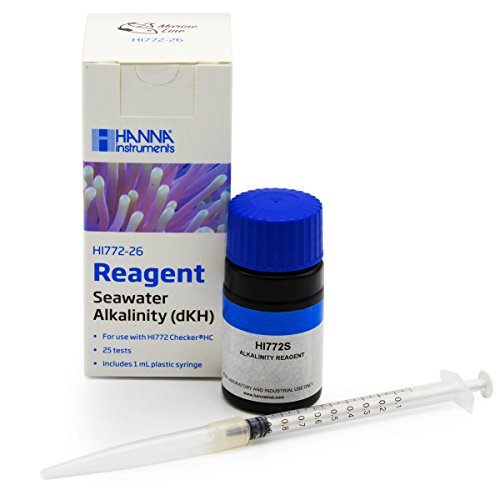
Gives fast, accurate alkalinity readings for stable water conditions.
Browse discountedAquarium Test Kitson Amazon