Curling betta fins are more than a cosmetic issue – they’re your fish flashing a warning signal. Whether it’s water chemistry gone rogue, a heater falling behind, or stress from a reflection that won’t quit, those curled edges tell a story worth hearing.
Most cases trace back to ammonia spikes or temperature swings outside that 78–82°F sweet spot. Others stem from filter flow hitting too hard, mirrors triggering endless flaring, or simply genetics and age doing their thing. The good news? Most fixes run under $20 and work fast once you know what you’re chasing.

Lab-accurate ammonia readings catch curling causes before they harm your betta.
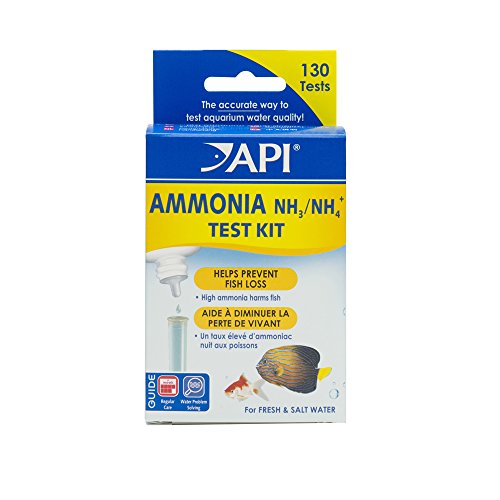
Fast, reliable ammonia checks help you keep tank water safe and fins healthy.

Continuous ammonia monitoring gives peace of mind between weekly water tests.
Check discounted items inAquarium Test Kits
Below, we’ll walk through seven culprits behind curled fins and exactly how to straighten things out – no guesswork, just tested solutions that keep your betta’s fins flowing right.
At A Glance
- Poor water quality and high ammonia levels cause fin curling; test ammonia with a kit.
- Maintain water temperature between 78–82°F using a reliable heater and digital thermometer.
- Reduce stress from strong current, noise, or reflections to prevent fin curling.
- Genetic curling is present from birth, while age-related curling starts around year two.
- Treat injured fins from fights or sharp decor with clean water and stress coat additive.
Is Your Betta’s Fin Curling From Poor Water Quality or Ammonia?
Since poor water quality is the most common culprit behind curling betta fins, it pays to check your tank chemistry before blaming old age or genetics. High ammonia levels cause that telltale curl, so grab a test kit – they’re cheap, around $15. For reliable results, use a CE ISO certified kit for lab-accurate water analysis. To ensure safe ammonia levels, many strips recommend waiting 180 seconds for the most accurate color development.
A fin rot diagnosis often starts here, as bacteria thrive in dirty water. For clamped fin treatment, start with a 25% water change and add aquarium salt, one tablespoon per gallon. It’s not fancy, but it works.
Bottom line: test weekly, keep ammonia at zero, and your betta’s fins will thank you.
Prevent Betta Fin Curling With the Right Water Temperature (78–82°F)
Poor water quality is the usual suspect, but don’t overlook temperature – it’s a sneaky, common cause of fin curling.
Bettas thrive in 78–82°F; anything outside that range stresses them, curling fins fast.
A reliable heater, like the 50-watt Aqueon ($15), keeps temps steady.
A reliable heater, like the 50-watt Aqueon, keeps temperatures steady.
This stability is key for curing fin rot and reducing inflammation, since warmth boosts their immune system.
Too cold? Fins clamp.
Too hot? They fray.
Grab a thermometer – digital ones cost $8 – and check daily.
Your betta’s comfort is in your hands, literally.
For small tanks, low-wattage models like the HiTauing 25W provide reliable temperature control.
Keep it cozy, and those fins will thank you.
Always use a heater with overheat protection to prevent dangerous temperature spikes in nano tanks.
Reduce Stress From Current, Noise, and Reflection to Stop Curling
Though your water temperature is perfect, stress from current, noise, or reflection can still curl those fins like a bad perm.
A filter baffle adjustment lowers flow, giving your betta a calm swim; sudden blasts of water stress them out. Remove anything that shows their reflection – a mirror removal strategy stops them flaring themselves into a frenzy. Keep the tank away from loud speakers or banging doors. Using a dual‑blade magnetic cleaner with a floating design ensures quiet, safe glass upkeep without disturbing your betta. For gentle handling during water changes, a soft‑mesh nylon net prevents fin snagging and tail entanglement.
Less stress means straight, healthy fins. Check the current, kill the noise, and block that mirror. That’s the fix.
Is It Genetics or Old Age? Spotting Curling From Birth to 10 Years
- Genetic curling: Present from birth, visible once fins develop; no treatment needed, just admire the quirk.
- Age-related curling: Starts around year two, worsens slowly; fins lose vibrancy and texture.
- Observation tip: Compare photos over months; genetic curling stays static, age curling progresses.
- Life expectancy: Most bettas live 2–4 years; exceptional care can push them to 10, but fins will show wear.
- To reduce fin stress, use low‑flow filtration to avoid stressing fins during water changes, such as dense foam filters that create gentle currents ideal for sensitive bettas.
Heal Injured Fins From Fights, Decor, or Tail-Biting
A torn fin from a scuffle, a sharp ornament, or a betta’s own nervous nibbling – that’s a fixable problem.
First, isolate the fish in a clean, warm tank.
That tail anatomy is delicate; even small tears can curl under stress.
That tail anatomy is delicate; even small tears can curl under stress.
Check for Nitrate irritation from poor water quality – high nitrates slow healing.
Use a stress coat additive, about $8, to rebuild slime coat.
For comprehensive care, pair it with a conditioner that detoxifies ammonia to prevent further fin stress during healing.
Keep currents low; a sponge filter, costing $15, works wonders.
Avoid medications except if infection sets in, but if needed, consider API Bettafix for targeted antifungal and antibacterial support.
Clean water, patience, and no sharp decor – that’s your plan.
You’ve got this.
Fin Rot vs. Curling: 3 Quick Signs to Tell Them Apart
Since distinguishing fin rot from curling can feel like diagnosing a car problem through a blurry photo, here are three quick signs to tell them apart.
Fin rot is a disease; curling is usually stress or genetics. If you see brown, jagged edges that look eaten away – that’s bacterial infection.
White, cottony patches? Those are fungal ulcers. Curled fins stay smooth, just bent oddly.
- Look for jagged, brown edges (rot) vs. smooth curves (curling)
- Check for white, fuzzy fungal ulcers (rot) vs. no fuzz
- Notice redness at fin base (bacterial infection) vs. no inflammation
- Watch for color loss or spots vs. clear but curled fins
- For aquarium repairs that won’t impact water chemistry, consider using a reef-safe epoxy putty to secure decorations without introducing toxins.
When using any adhesive in the tank, opt for a solvent‑free silicone sealant that is non‑toxic and fish‑safe for leak repairs.
Bottom line: rot damages tissue, curling just bends it.
Clamped Fins vs. Curling: Use Aquarium Salt for Relief
Sometimes, a betta’s fins aren’t curling so much as clamped – pressed tight against its body like a nervous commuter on a crowded train. The fish looks miserable, fins glued shut. This isn’t a curl; it’s stress, often from poor water or shock. The clamped fin treatment? Start with water changes, then consider aquarium salt. For long-term safety, chemical conditioners like Seachem Prime can bind ammonia to prevent further stress during recovery. Using a kelp-enhanced growth formula can help maintain overall plant vigor in a well-planted tank, supporting the betta’s environment during recovery.
| Condition | Key Sign |
|---|---|
| Curling | Fins twist or fold outward |
| Clamping | Fins pressed flat against body |
Add salt with caution: the standard aquarium salt dosage is one tablespoon per gallon for a bath – never direct in the main tank without dissolving first. It reduces stress, eases inflammation. You’ll see relief in days if water quality is fixed too.
Frequently Asked Questions
Can Fin Curling Be Reversed Once It Starts?
Partly, yes. Reversal depends entirely on the cause. If curling stems from stress, poor water, or injury, fixing those issues usually restores normal fins within a week or two.
Nevertheless, if it’s because of genetic predisposition or the natural aging process, those changes are permanent. Think of it like human wrinkles – some we can prevent, others just come with time.
Bottom line? Treat the environment first, and accept what nature decides.
How Long Does It Take for Fin Curling to Heal?
Healing time for curled fins is a fickle beast; it takes one to four weeks, sometimes longer, like waiting for paint to dry.
First, fix water parameters and tank temperature – 78-82°F is the sweet spot.
Clean water accelerates recovery; poor conditions stall it entirely.
If underlying stress remains, healing halts.
Is Fin Curling Contagious to Other Fish in the Tank?
No, fin curling itself isn’t contagious to other fish. It’s typically from stress triggers – like poor water quality, strong currents, or tank noise – or a genetic predisposition.
Think of it like a bad hair day, not a cold. The real culprit is often the environment, not a passing germ.
Fix the tank’s conditions, and everyone’s fins should relax.
Just watch for fin rot, which is a disease; that one can spread.
Can Diet Affect My Betta’s Fin Curling?
Yes, diet can affect fin curling. A low-quality diet, especially one lacking in protein or critical nutrients, leads to vitamin deficiency. This weakens fin tissue, making curling more likely.
A high protein diet, like quality pellets or frozen bloodworms, supports strong fin growth. Feed a varied diet, not just flakes. Think of it like junk food versus a balanced meal; your betta’s fins will show the difference. Aim for foods with at least 40% protein.
Should I Trim My Betta’s Curled Fins?
No, trimming curled fins is not recommended. Trimming scissors can cause injury, introduce infection, and worsen curling.
The issue is likely genetic, environmental, or health-related, not cosmetic. A professional vet is the safe choice for diagnosis, not DIY scissor work.
Betta fins aren’t hair – they’re living tissue. Cutting them risks fin rot or permanent damage. Focus on water quality, temperature, and stress reduction instead.
That’s the real fix. Leave the scissors in the drawer.
Rounding Up
So, seven possible causes for curled betta fins.
Some you can fix in an hour; some are just genetics playing a cruel joke.
One objection: “My water test is fine, so it must be old age.”
Sure, if your fish is pushing four years.
But most curled fins are from ammonia spikes you missed, temperature swings you ignored, or stress you didn’t spot.
Check your heater (set it to 79°F), grab an API liquid test kit ($35), and stop the tank current.
Do that first.
If the fins straighten in a week, you’re good.
If not, move to aquarium salt or fin rot treatment.

Detoxifies ammonia and nitrite, preventing further stress while fins heal.

Rebuilds the slime coat and supports recovery from torn or curled fins.

Promotes osmoregulation and reduces stress during clamped fin treatment.
Browse discountedAquarium Water Treatmentson Amazon