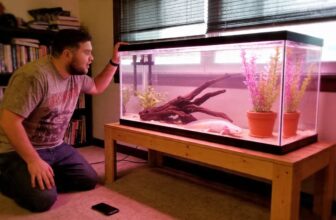
A twenty-gallon glass box, filled with warm water at exactly 73 degrees, holds the key to a quiet mystery. Silver Tip Tetras swim in tight, shimmering groups, their copper bodies flashing like pennies in a sunlit stream. Something about their gentle schooling reveals a deeper need for connection. The question remains: what unseen forces decide whether these fish merely survive, or truly flourish?
At A Glance
- Keep groups of ten or more to prevent stress and encourage natural schooling behavior.
- Maintain 72–74 °F temperature and pH 6.0–7.0 with stable weekly water changes.
- House in 20+ gallon tanks with peaceful species like Cory Catfish and Zebra Danios.
- Provide fine sand, driftwood, leaf litter, and dim lighting to mimic natural habitat.
- Avoid aggressive or fin-nipping tank mates and always quarantine new fish before introduction.
What Makes Silver Tip Tetras Different From Other Tetras?

Three details set the silver tip tetra apart from its cousins, and they all rest upon the body itself.
The small black mark at the tail base, stretching into the fork like a charcoal pencil line, distinguishes them immediately.
Both males and females carry golden-yellow fins polka-dotted with bright silver tips, tiny mirrors catching tank light.
Males wear deep copper bodies, whereas females carry softer yellow beneath silver scales.
These traits emerge from evolutionary genetics shaping their São Francisco basin origins.
A balanced dietetics impact intensifies this coloration, making proper feeding vital for those seeking to belong among serious aquarists.
Silver Tip Tetra Size and Lifespan: What to Expect
A single adult silver tip tetra, measured from nose to tail, stretches about one and two‑tenths inches on average, though some grow to two inches with excellent care and good luck.
These fish live five to eight years when treated kindly, their lifespan tied to clean water, peaceful groups, and steady food.
Kind care, clean water, peaceful friends, and steady meals grant these fish five to eight years of bright life.
Market demand stays strong since aquarists want reliable, pretty fish that shine together like coins in sunlight.
Breeding behavior begins with morning egg scattering, no parenting follows, so watch closely and move adults away.
Consider these essentials:
- Five to eight years of possible companionship
- One point two inches of copper‑bright friend
- Morning spawning rituals to observe
- Steady popularity among tank keepers
How Much Tank Space Do Silver Tip Tetras Need?
Space shapes every decision for these copper-finned swimmers, just as a bedroom size decides how many friends can sleep over comfortably. A 20-gallon tank serves as the minimum home, though each adult needs three gallons of personal water space to feel secure and peaceful.
Tank design must account for their breeding behavior, which requires room for morning egg-scattering rituals. Lighting preferences lean dim, mimicking leaf-dappled streams, whereas filtration options should gentle water flow without creating exhausting currents. Plant selection favors hardy, fine-leaf species, and substrate choice of fine sand protects delicate barbels. Tank décor with driftwood offers comfort. Feeding schedule consistency and disease prevention through stable space reduce stress that shortens their five-to-eight year lives.
What Water Parameters Keep Silver Tip Tetras Healthy?
Why does a glass box full of water need rules at all?
Because stability prevents stress, and stress kills fish silently.
Stability prevents stress. Stress kills fish silently.
Wild silver tips navigate Brazil’s São Francisco basin, where seasons shift gradually. Their p habitat demands replication: warm, soft, slightly acidic water mimicking home streams.
- Temperature: 72–74°F mimics equatorial stability
- pH: 6.0–7.0, neutral to acidic, prevents gill damage
- Hardness: 4–8 KH for bone and scale health
- Weekly changes: 25% replacements remove waste toxins
Diet quality matters similarly. Protein-rich foods—bloodworms, brine shrimp—sustain their copper coloration and immune function. Poor nutrition weakens resistance before parameters fail.
Balance lets them belong.
Why Ten Silver Tip Tetras Is the Minimum Group Size
Though a single silver tip tetra shimmers like a dropped coin in sunlight, that glint fades fast when loneliness takes hold. These fish come from crowded streams in Brazil, where safety lives in numbers, ten bodies weaving together like fingers clasped in trust. In smaller groups, fear takes over. They nip fins, chase shadows, forget how to breathe easy. Ten fish allow true shoaling, the silver ripple that calms every heart in the tank. This number also stirs natural breeding behavior, males flashing copper to compete, females scattering eggs among plants. Proper habitat simulation demands this crowd, this companionship, this peace.
How to Manage Silver Tip Tetra Aggression
A filter humming in the corner cannot calm a fish that feels crowded, much as a noisy room cannot soothe a worried mind.
Aggression triggers in silver tip tetras stem from insecure shoal dynamics. These fish need the safety of numbers, much as children need friends nearby on a playground. When groups fall below ten, fear replaces confidence, and nipping spreads like whispers in a anxious classroom.
To nurture belonging:
- Maintain ten or more individuals, creating a dense, shifting mass that absorbs nervous energy
- Provide twenty gallons minimum, allowing three gallons per fish for personal space
- Arrange driftwood and leaf litter as escape routes, like doorways in a crowded house
- Select quick, comparable-sized companions that move as equals, not targets
How to Recreate a São Francisco Stream Tank
Sand settles at the bottom of a clear shallow stream, each grain worn smooth by water that has traveled from distant highlands.
A proper stream substrate begins with fine gravel two fingers deep, capped by sand the color of weathered bone.
Leaf litter completes the picture. dried Indian almond leaves, six to eight per ten gallons, release tannins that stain the water amber-brown and comfort these fish with familiar chemistry.
Driftwood and smooth river stones provide resting places.
The water stays soft, slightly acidic, moving gently like breath.
Together, these elements form a home where silver tips feel safe enough to shimmer.
What Fish Are Safe With Silver Tip Tetras?
Water conditions filter every choice about companions, just as a stream sorts stones by size and weight.
A compatible tank begins with proper filtration types and stable lighting schedule, warm rhythms that calm nervous fish. Compatible mates include Black Skirt Tetras, Zebra Danios, Cory Catfish, and peaceful Rasboras—small, quick swimmers who understand the shoal’s silent rules.
- Match fish of similar size, avoiding long fins that tempt nipping
- Prepare quarantine protocols before any new arrival enters
- Choose plant selection and substrate options that offer escape routes
- Maintain water change frequency, algae control, and disease prevention as shared responsibilities
Together, they find safety in numbers.
What Foods Bring Out Silver Tip Coloration?
Three small flakes drift through the water column, catching light like autumn leaves on a slow stream. These flakes contain carotenoids, pigments that deepen the coppery glow in male silver tips and brighten the golden-yellow fins both sexes display. Diet coloration depends entirely on what enters the tank. Frozen or live brine shrimp, bloodworms, and daphnia supply proteins that build the silver sheen along each scale. Diet diversity matters similarly: rotating between high-quality flakes, spirulina tabs, and occasional vegetables prevents washed-out grays. Feed small portions twice daily, no more than they consume in three minutes. Colors deepen within weeks.
How to Breed Silver Tip Tetras Successfully
Morning light slants through glass walls, catching the drift of brine shrimp the fishkeeper offers her silver tips, and the question naturally follows: what happens when these colors deepen toward their brightest? Breeding begins.
A separate ten-gallon tank, soft water, and patience matter most. The fishkeeper learns to read her fish, to belong among those who watch closely.
- Condition adults with live foods for two weeks before pairing
- Mimic dawn storms through water-flow simulation to spark breeding triggers
- Add fine-leaf plants or mesh for egg scattering
- Remove parents immediately; eggs hatch in one day, fry swim freely by day three
What Kills Silver Tip Tetras Before Their Time?
A glass box holds living things that breathe water, and the question rises slowly: what steals their years before the calendar says it is time?
Disease susceptibility rises when water grows dirty, when the invisible chemistry drifts wrong by degrees. Stress from small groups, from isolation, from tanks too cramped, wears them down like worry wears a person.
Breeding failures often mean the water shifted, or the pair felt watched, unsafe. Eggs rot, or parents snack, and the next generation melts away.
| The Silent Killers | What You Can Do |
|---|---|
| Ammonia spikes | Test weekly, change 25% water each Sunday |
| Lonely groups under six | Gather ten or more, let them school together |
| Sharp temperature swings | Stay steady near 72°F, no more than 2° drift |
| Rough tank mates | Choose friends their size, with fins not too fancy |
Belonging matters for them too.
Frequently Asked Questions
Can Silver Tip Tetras Jump Out of Open-Top Tanks?
Silver tip tetras possess jumping behavior that creates genuine escape risk. These small, torpedo-shaped fish, reaching up to two inches, rocket upward when startled by sudden movements or bright lights. An open-top tank offers no barrier against their powerful tails. A tight-fitting lid, mesh or glass, prevents loss. One leap means death by drying. Security belongs to the prepared keeper, who values each fish’s five-to-eight-year life.
Do Silver Tip Tetras Need a Light Timer for Their Tank?
A light timer supports a steady lighting cycle, which matters for breeding cues and behavioral enrichment. Silver tip tetras, like many fish, feel safer with predictable light changes. Consistent timing additionally stabilizes water chemistry by controlling algae growth and supports a reliable feeding schedule. Although not strictly required, a timer improves tank aesthetics and reduces stress, helping these active fish maintain healthy social dynamics in their community tank.
Will Silver Tip Tetras Eat Shrimp or Snails in the Aquarium?
Silver tip tetras will indeed hunt shrimp, especially small or juvenile varieties measuring under one inch, though adult cherry shrimp may escape notice. Snail interaction remains gentler; these tetras lack the jaw strength to crack shells and typically ignore them entirely. A ten-gallon tank with dense moss offers shrimp refuge. Peace emerges through adequate space, much as children need room to play without conflict. Observe your specific group, as temperament varies.
How Often Should Silver Tip Tetra Shoal Formations Be Restocked?
Shoal density determines restocking frequency. A healthy group needs ten or more fish, so owners replace losses within two to four weeks. Waiting longer causes stress, as silver tips feel unsafe in small numbers. Monthly head counts help maintain proper shoal density. When numbers drop below six, restocking frequency should increase to preserve calm behavior and prevent fin-nipping among remaining fish.
Can Silver Tip Tetras Recognize Their Owner or Feeder?
Silver tip tetras demonstrate limited owner recognition, responding instead to feeder association through repeated patterns. These fish possess adequate vision to distinguish shapes and movements near the aquarium glass. They learn to anticipate food when specific shadows appear, linking human presence with nourishment. This learned behavior, not true recognition, creates bonding illusions for observers. Consistent feeding schedules strengthen these associations over weeks.
Rounding Up
A twenty-gallon tank, ten steady companions, and water soft as rain create the home these fish deserve.
Silver Tip Tetras reward care with copper flares and peaceful motion, though their needs—precise temperature, gentle light, patient observation—teach something larger.
Every living thing thrives when given space to move, protection from crowding, food that fits its nature, and surroundings that feel familiar.
The keeper’s quiet attention, measured each week, becomes the difference between surviving and flourishing.
This is stewardship, small scaled, honestly done.