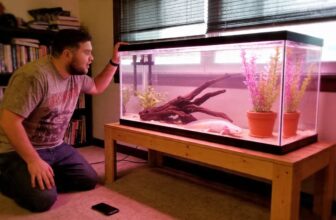
Betta fish cost breakdowns often surprise first-time owners. The fish itself runs just $10 to $40, but proper setup demands $82 to $614+. That basic pet-store betta needs a 5-gallon tank, heater holding 78–80°F, filter, and hood to thrive.
Tiny bowls? Skip them. They trigger toxic ammonia spikes that kill quickly. Breeding and rarity don’t change biology—a $40 purple betta needs identical gear to its $10 cousin. The real investment lives in equipment, not livestock. Which budget tier matches your tank goals?
At A Glance
- A basic betta fish costs $5 from a breeder, or $10 at a pet store.
- Essential equipment (tank, filter, heater) starts around $67 for a 5-gallon setup.
- Initial setup costs range from an economical $82 to a high-end $614 or more.
- Monthly upkeep is under $15, including food, electricity, and water conditioner.
- Annual expenses for food, medication, and maintenance total roughly $30–$99.
Betta Fish Cost: $82 to $614+ Depending on Setup
Since betta fish costs can vary wildly based on how far you take the setup, expect to spend anywhere from $82 to over $614 just to get started.
Since betta fish costs can vary wildly based on your setup, expect to spend $82 to over $614.
The betta fish cost itself is just one piece. Common breeds run about $5, but unusual breeders charge up to $40 for rare colors.
Price range factors include tank size, filters, and heaters. A second‑hand five‑gallon kit keeps things cheap. A high‑end setup with live plants and top gear hits $614. For example, a high-end kit like the Fluval SPEC offers premium filtration and lighting to support plant growth, while the AWXZOM 0.7-gallon model provides a rimless glass option that is portable and ultra-compact.
You’re paying for stability, not flash.
Bottom line: pick a budget that fits your vibe, then build from there.
How Much Does a Basic Betta Cost at a Pet Store?
A basic betta fish at a pet store will cost you about $10. That’s the price for common types like Crowntails or Halfmoons. Nonetheless, betta price variation exists even here. For example, a tank like the Vimvins model offers ultra‑white glass for clear viewing.
Pet store markup is real—you’re paying for convenience, not rarity. That $5 fish from a breeder becomes $10 since someone had to keep it alive in a cup. So, you’re getting a healthy, ready-to-swim betta, not a deal.
For a starter, this is fine. Just know you’re funding that store’s overhead, not the fish’s value. Bottom line: it’s a fair entry point, not a bargain. After purchase, you’ll need a suitable tank like the 2 gal Glass Betta Tank, which includes a 3-in-1 filter and rounded edges for safety.
Why Some Betta Fish Cost $40 or More?
Rarity is a hell of a markup. A common Halfmoon runs $5, but that $40 price tag? That’s you joining a club of collectors who appreciate betta rarity and a striking color mutation. A solid purple or green strain doesn’t happen often, and it requires careful, costly breeding. You aren’t just buying a fish; you’re buying a living, swimming experiment. While bettas are carnivores, your investment also goes toward quality protein sources like black soldier fly larvae found in premium foods, which enhance color and immunity. A proper diet also maintains the calcium‑to‑phosphorus balance necessary for strong shell and bone development in aquatic pets.
Tank Size Matters: Why 5 Gallons Is the Smart Minimum
Forget collector pricing for a moment, since the real cost of keeping a betta isn’t the fish itself—it’s the tank. A 5-gallon tank is the smart minimum since betta behavior changes in cramped quarters—they get stressed, lethargic, and prone to illness. Small tanks additionally make tank cycling nearly impossible, leading to toxic ammonia spikes. A decent 5-gallon runs $20–$100. Yes, it feels like the fish got a better deal than you did. That’s fine. It’s less than $50 a year in electricity, and a healthy betta means fewer vet trips. Buy the bigger tank. Your future self—and your fish—will thank you. For these smaller tanks, selecting a model with adjustable water flow helps ensure the current doesn’t overwhelm your betta. For a 5-gallon setup, a framed tank with a self-cleaning system can reduce maintenance and prevent ammonia buildup.
Essential Tank Gear: Heater, Filter, Hood, and Thermometer
You likewise never hear about the betta that jumped out of its tank since the owner skipped the hood. A hood and light, around $15, prevent that drama.
The heater is non‑negotiable—bettas need 75°–80°F; a 50‑watt model for 5‑gallon tanks costs $16. For nano tanks, a 50W mini heater with an external digital controller offers precise temperature control and safety features.
The heater is non‑negotiable—bettas need 75°–80°F; a 50‑watt model for 5‑gallon tanks costs $16.
Filters, $18–$25, remove toxic buildup and add oxygen.
A digital thermometer, $5, keeps everything honest.
Even betta breeding setups rely on these basics.
Cost saving tips? Buy a heater‑filter combo kit. Skip the fancy light, grab a simple hood. Your betta stays alive, and you stay sane.
Bottom line: spend $45 on these fundamentals, or risk a $10 fish turning into a $50 lesson.
Goldfish produce a heavy bioload that requires strong filtration to avoid rapid ammonia spikes, so a robust filter is even more critical for larger tanks.
Gravel and Siphon Costs for Tank Maintenance
Gravel is the unsung hero of a betta tank—it covers the bare glass bottom, but with a twist. The gravel cost is roughly $1 per pound, sold in 5-pound bags, so a 5-gallon tank needs about $5 worth. Proper rinsing (at least twice) prevents cloudy tank syndrome after setup.
A mini siphon, costing around $10, handles the siphon function—it uses natural suction to remove uneaten food and waste without disturbing your fish. Manual models like those with a press pump offer a low-maintenance, portable alternative for small tanks.
- Gravel cost: $5 for a 5-pound bag, enough for a 5-gallon tank.
- Siphon function: Sucks up debris, not your betta.
- Siphon price: $10 for a mini model, perfect for small tanks.
- Total: $15 for a clean, healthy setup.
Bottom line: $15 keeps your tank sanitary and your betta happy.
Live Plants vs. Artificial Decor: Price and Benefits
Between the two main décor options for a betta tank—live plants or artificial decorations—the price difference tells only half the story.
Live plant benefits include natural water filtration and oxygen production, making your betta feel like it belongs in a real home. A single java fern costs $6, whereas a silk artificial plant runs $5. But here’s the twist: plastic plants tear betta fins, so that artificial cost comparison is worthless if it harms your fish. Many artificial options use fin-friendly silk leaves with detachable bases for easy cleaning. For an even more natural setup, a live plant like Java Fern thrives under 20-40 lux light and requires no fancy equipment.
For a balanced tank, start with one live plant ($8) and one silk alternative ($7). Your betta gets hiding spots, you save money, and nobody cries over torn fins.
Substrate & Decor Budget: $5–$50 Per Tank
That plant debate segues neatly into the substrate and decor budget, which runs from a frugal $5 to a more generous $50 per tank.
Gravel at $1 per pound gives you substrate colors like black, white, or natural river rock.
Gravel at $1 per pound gives you substrate colors like black, white, or natural river rock.
Decor themes matter; here’s how to spend wisely:
- Plain gravel bag: $5 – covers a 5-gallon bottom.
- Single driftwood piece: $8 – adds hiding spots.
- Three artificial plants: $12 – creates rest areas.
- Novelty ornament: $15 – brings personality.
Budget $20–$30 for a cohesive look.
Mix these items, coordinate colors, and your betta gets a home you’ll both enjoy.
For example, a single rustic theme set provides multiple hideouts for a community tank.
Consider adding a Lucky Critter Aquarium Underground Tunnel Cave to create an additional hideout for fish or shrimp.
Ongoing Costs: Food, Electricity, and Water Expenses
Ongoing costs for a betta tank settle into three predictable monthly bills: food, electricity, and water.
A good 7‑oz dry food container runs about $4 and lasts weeks; mixing in frozen treats adds $4‑$10 weekly but wins finned friends.
Electricity for heater, filter, and light totals roughly $2 per month.
Water costs less than a penny per gallon.
Smart filter upkeep prevents bigger headaches, and feeding the right portions supports long term savings. Using precision portion control prevents waste and keeps food costs low.
Solid habits keep expenses low, so your wallet hardly notices the hobby.
Monthly total? Usually under $15. Not bad for a little aquatic buddy.
For energy-efficient lighting, the WEAVERBIRD LED uses 40% less power.
Vacation and Medication Expenses to Plan For
Even the best‑planned tank faces two curveballs: vacation and illness. Vacation feeding blocks are tempting, but they’re often junk food for fish—crumbling into cloudy messes.
Even the best‑planned tank faces two curveballs: vacation and illness.
For trips over a few days, hiring a caretaker (around $15‑$25 per day) saves you guilt. Medication costs spring up, too—antibiotic costs for common issues like fin rot run about $15 per treatment. For fungal infections, treatments like API Bettafix target Betta-specific antifungal needs. Adding live nitrifying bacteria can help maintain water stability during short absences, preventing harmful ammonia spikes.
Plan for these:
- Vacation feeding: skip blocks; use an automatic feeder ($20‑$30) or a neighbor’s help.
- Caretaker fees: $15‑$25 daily for water checks and feedings.
- Antibiotic costs: $15 per treatment for fin rot or columnaris.
- Stress guard or aquarium salt: $8‑$12 as preventive.
That’s $30‑$70 extra annually—just a little belt‑tightening for peace of mind.
Economical Betta Fish Cost Breakdown: $82 Setup
Affordability wears a brave face in the $82 economical setup—it’s the sensible, no‑frills starter kit. You get a second‑hand 5‑gallon tank, one common betta, three artificial plants, one ornament, gravel, a filter, heater, thermometer, and a mini siphon. Since bettas prefer calm, low-flow environments, a gentle sponge filter is ideal for this type of setup.
Equipment durability is decent for the price, though don’t expect heirlooms. Food variety is limited to dry pellets, but that’s fine for beginners. Annual maintenance runs about $99, covering food and potential meds. To preserve the sponge filter’s biological bacteria, simply rinse in old tank water monthly and never use tap water.
No live plants or fancy filtration here. Bottom line: it’s a solid, budget‑friendly entry point for joining the betta‑keeping club.
Mid-Range Betta Tank Budget: $200–$300 Setup
Stepping up from the bare necessities, the mid‑range betta tank setup lands between $200 and $300—a comfortable sweet spot where you get a nicer fish and gear that won’t quit on you after six months.
- A less common betta, with rare colors (think purples or greens), costs up to $40.
- A 5-gallon tank with a sturdy hood, filter, and heater runs about $100 total.
- Live plants, like anubias, add $15—they clean the water and look sharp.
- Your monthly food budget, mixing dry and wet options, sits around $10.
This betta tank upgrade feels like joining a club where the fish thrives and you relax. For a slightly larger habitat, a Glofish 10 gallon kit provides an all‑in‑one solution with LED lighting, heater, and filter, staying within the mid‑range budget. The included scratch‑resistant glass from the GloFish kit adds long-term durability at this price point.
High-End Betta Tank Budget: $614+ Setup
If you have a spare $614 burning a hole in your pocket, the high‑end betta tank setup is where your money goes to work—and maybe have a little fun. This tier includes live plants, a top-tier filter, and a rare-color betta.
The Betta lifespan impact improves; superior water quality and stable temps extend life to four or five years. For vacation care hiring, budget for a trusted sitter; fish blocks aren’t enough.
Superior water quality and stable temperatures can extend your betta’s lifespan to four or five years.
- Live plants: improve water, cost $2–$20 each.
- Filter: quiet, high-flow, $40–$60.
- Annual cost: $550, or $46 monthly.
Bottom line: worth it for dedicated owners who want peak health.
To maintain optimal water temperature, a digital display thermostat ensures precise control within ±1 °F. For reliable safety, choose a controller with high/low temperature alarms to protect against equipment failure.
Betta Fish FAQs: Lifespan, Tank Mates, and Low Maintenance
Since betta fish are often marketed as beginner pets, many people assume they’re low-maintenance—but that’s only half true. They aren’t hard, but they’re not zero-effort, either. Here are the basics for your community:
- A betta lives 2-5 years. You’ll likely buy a male around age one, so don’t expect decade-long bonding.
- Tank mates? Only females in groups of 4-5 (a “sorority”), or a single male alone. Males fight to the death.
- Diet and 75-80°F water are their only strict demands—forget a heater, risk illness. Use a reliable thermometer like a digital floating model to track temperature accurately. For precise monitoring, choose a model with ±0.1 °C accuracy to protect sensitive bettas from temperature swings.
- Rare colorations and cost variations—like $40 purple fins—don’t change care needs.
Your setup’s success is yours to finish.
Frequently Asked Questions
Do I Need to Cycle the Tank Before Adding My Betta?
Yes, absolutely cycle the tank first. Fishless cycling establishes the nitrogen cycle—beneficial bacteria that convert toxic fish waste into safer compounds—before adding your betta. Skipping this risks ammonia poisoning, a common killer.
A cycled tank means stable water, less stress, and a healthier fish. It takes 4-6 weeks but saves heartache. Patience now prevents problems later.
Your betta will thank you by living longer, not costing you in medication.
Can I Keep a Betta in a Bowl Without a Filter?
No.
A betta can survive in a bowl, but it won’t thrive. A true 5-gallon tank starter setup with filter and heater costs around $82—not a huge jump from a cheap bowl.
Bowl size traps waste, spiking toxins, and bowl water temperature fluctuates wildly, stressing the fish. A mini heater for small tanks is about $16, but bowls under 3 gallons often can’t fit one safely.
For roughly the same money, get a proper tank. Your betta deserves more than a sad, stagnant puddle.
What Kind of Water Conditioner Should I Use?
Use a tap water dechlorinator—it’s like giving your betta a clean slate, removing chlorine and heavy metals instantly.
A bacterial starter supplement then jump-starts the tank’s cycle, breaking down waste.
For a 5-gallon tank, a 4-ounce dechlorinator costs $5–$8, treating 200 gallons. A 4-ounce bacterial starter runs $6–$10. Both are cheap insurance.
Skip them, and you risk stressing your fish.
Bottom line: grab a combo pack for $12–$15, and your betta will thank you with fewer side-eyes.
How Often Should I Change the Water in a Betta Tank?
Water changes depend on tank size, no question about it. A 5‑gallon tank needs a 25% change every week.
Smaller tanks, like 2.5 gallons, need 30–50% changes twice a week—that’s more work, honestly. The goal is stable water, not a chemistry experiment.
Skipping changes? That’s how fin rot starts. Stick to the schedule, and the betta stays healthy.
Bottom line: match water changes to tank size, and it’s simple.
Is a Betta Fish a Good First Pet for a Child?
Yes, a betta fish can be a good first pet, but it needs responsible supervision.
Betta handling safety is essential—these fish should never be handled by small hands, as they’re delicate and stress easily.
Child proofing tank is key: secure a hood (bettas jump), anchor all decorations, and place the heater out of reach.
A five-gallon tank costs around $20-$100, plus a $16 heater and $18 filter.
Weekly water changes with a mini siphon keep things clean.
Bottom line: with adult oversight on safety and setup, a betta teaches kids gentle care without being too demanding.
Rounding Up
So, you’re looking at maybe $82 for a bare-bones betta setup, or you could toss $614 at a fancy one. That’s the range. No judgment here—my own wallet has made some questionable choices.
But here’s the trick: spending more doesn’t guarantee a happy fish. It guarantees flashy gear. The real win is a five-gallon tank with a heater. That’s it. Skip the $1,500 betta. Buy the stable setup. Your fish won’t care about your budget, only the temperature.