You hold a small glass vial at the pet store, and inside trembles a creature the color of faded jeans spilled into water. That blue velvet shrimp carries more chemistry in its three-centimeter body than you might expect, and keeping it alive means controlling what you cannot see: copper ions measured in parts per million, carbonate hardness kept between zero and eight degrees, ammonia held at absolute zero through weekly five-gallon water changes. The shrimp molts its own skeleton every few weeks to grow, a vulnerability that demands steady temperatures near seventy-five degrees Fahrenheit and hiding places thick as cobwebs. You will need patience, since these animals speak through stillness—they do not rush, and neither can you. Care this precise feels like learning to keep a secret that the water itself is telling. The things that kill them hide in plain sight. That is why you are here.
At A Glance
- House Blue Velvet Shrimp in 5–10 gallon tanks with dark substrate to intensify their color.
- Maintain water at 72–82 °F, pH 6.2–8.0, and 0–8 KH with zero ammonia.
- Feed algae daily, blanched vegetables 2–3 times weekly, and supplement vitamins weekly.
- Provide Java moss and gentle tank mates like Otocinclus to reduce stress.
- Always test for copper before water changes and use copper‑free medications only.
What Are Blue Velvet Shrimp? Origins and Natural Behavior

A single bright blue shrimp, no bigger than your thumb, can change how you see an entire aquarium.
You belong to a quiet club when you keep Blue Velvet Shrimp, sharing secrets with strangers who become friends. These creatures carry hue genetics that paint them sky-blue, a gift from mysterious ancestors—perhaps Carbon Rili or Wild Schoko shrimp, no one knows for certain. Their color ecology rewards your patience, deepening when you provide stability and care. You watch them graze, tiny algae-eaters working your glass clean, and you feel calm purpose.
They live one to two years, growing to two inches when cherished.
Tank Size, Setup, and Water Parameters for Blue Velvet Shrimp
Once you know who they are, you need to give them a place to live.
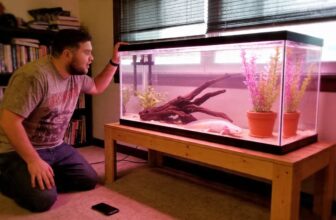
Your tank starts at five gallons, though ten feels safer, like a bigger backyard for them to roam. Substrate choice matters; dark gravel or sand makes their blue glow, like jeans against brown earth. Soft water flow keeps them steady, not tumbling. Watch your substr selection—rough edges hurt their little feet.
| Parameter | Ideal Range | Why It Matters |
|---|---|---|
| Temperature | 72–82°F | Keeps them active, not stressed |
| pH | 6.2–8.0 | Matches their wild home |
| Hardness | 0–8 KH | Strong shells need minerals |
Plant heavy. Add moss. They’ll thank you with bright color, and you’ll belong to their world.
Copper Poisoning: How to Keep Blue Velvet Shrimp Safe
Pick up any bottle of fish medicine, and you’ll spot copper hiding in the ingredients like a quiet thief. This metal poisons your shrimp’s blood, turning their bright bodies pale and still.
You’ll run a copper test before every water change, since old pipes and tap water carry hidden traces. A simple liquid kit, costing less than a coffee, shows results in minutes.
When your fish fall ill, you’ll reach for medication alternatives like Melafix or herbal baths instead of copper cures. Your colony depends on this vigilance. You’re their guardian now, and that responsibility connects you to keepers everywhere.
What to Feed Blue Velvet Shrimp
What do these tiny blue creatures actually eat?
You’ll feed your shrimp like you’re tending a small garden.
| Food Type | How Often | Why It Helps |
|---|---|---|
| Algae, biofilm | Daily, natural | They’re built-in algae scrapers, grazing constantly |
| Blanched vegetables | 2-3 times weekly | Zucchini, cucumber, lettuce add fiber |
| Plant-based flakes | Every other day | Balanced protein, easy to digest |
| Vitamin supplement | Weekly | Supports molting, keeps colors bright |
Skip the copper, always. Overfeeding hurts water quality, so you’ll offer small amounts, watching them gather like neighbors at a potluck. Trust their grazing. They’ll teach you patience. Your colony thrives when you observe, adjust, and belong to their quiet rhythm.
Java Moss and the Best Plants for Blue Velvet Shrimp
Why do your shrimp seem happiest when the water grows thick with green? You’ve found your answer in Java Moss, a soft, stringy plant that carpets the tank floor like a welcome mat.
This living algae scrubber feeds your shrimp and shelters their babies, creating a neighborhood where everyone belongs. You’ll watch them graze for hours, content and busy.
Choose plants that thrive under your light spectrum, measured in Kelvin, which is simply the warmth or coolness of light. Aim for 6500K bulbs, mimicking gentle sunlight through a window. Your shrimp will thank you with joyful, peaceful movement.
Which Fish Can Live With Blue Velvet Shrimp?
Your tank plants now form a soft green world where shrimp feel safe, and you’re ready to add swimming neighbors who’ll share their home peacefully.
You want friends, not bullies. Small, gentle fish fit best. Otocinclus catfish, about two inches long, eat algae without fighting your shrimp for food—that’s algae competition handled kindly. Cory catfish stay near the bottom, peaceful as neighbors should be. Small tetras swim above, ignoring shrimp completely. Avoid big or nippy fish; they’ll hunt your blue friends. Remember moss compatibility matters too—dense Java moss gives shrimp hiding spots when fish swim near. Choose wisely, and everyone belongs.
How to Breed Blue Velvet Shrimp
Once you’ve watched your shrimp investigate their planted home for a few weeks, you might notice a female looking rounder, her saddle—a yellowish patch on her back—holding eggs before they travel down.
She’ll fan those eggs for three weeks, keeping them oxygenated.
Your breeding genetics journey starts with healthy parents. Select deep blue specimens, since color inheritance favors offspring that mirror their mother’s hue. Remove fish from the tank, or babies become snacks.
You’ll feel pride when tiny replicas emerge, already tinted blue. Community members trade juveniles, welcoming you into their circle.
| What You Feel | What You Do | What You Gain |
|---|---|---|
| Curiosity watching eggs | Keep water steady, feed algae | Trust in your patience |
| Worry about predators | Add Java moss for hiding spots | Relief seeing survivors |
| Joy at first babies | Select bluest adults for breeding | Belonging in shrimp-keeper fellowship |
Newborns mature in ninety days, ready to continue your line.
Buying Healthy Blue Velvet Shrimp: What to Look For
A dozen clear bags, each holding a dozen shrimp, line the shop counter, and you’re squinting to spot the healthy ones.
Look for deep sapphire shells with no cracks, legs moving steady, antennae twitching curious.
Seek the sapphire gems: uncracked shells, steady legs, antennae alive with curiosity.
Skip the pale, the still, the ones hiding in corners.
Ask your seller about colorultural trends, so you know you’re joining a community that values these creatures right.
Healthy shrimp mean strong algae control in your tank, cleaning glass like tiny gardeners you can trust.
Check the water they’re swimming in—clear, no cloudiness, no smell strong and wrong.
You’re learning.
Selling or Trading Homebred Blue Velvet Shrimp
Where do all those shrimplets go once they’re darting through the moss like blue sparks?
You’ve built something alive, a tiny blue fire you’ve tended through water changes and worried-over parameters. Now they outnumber your leaves.
Watch market trends like you’d watch your tank’s thermometer, steady and patient. Local clubs welcome you, hands open for trades—your surplus for their moss, their snails, their stories. Market trade isn’t cold commerce here; it’s neighbors sharing what overflows from careful work.
Price fairly, fifteen to twenty-five cents each, and you’ll find your people. Your shrimp carry your name into tanks across town.
Why Your Blue Velvet Shrimp Are Hiding and Other Behavioral Issues
You’ve traded your surplus, watched them scatter to new tanks, and now you’re standing at your own glass wondering where the rest went.
Your shrimp feel stress stress when waters shift, so they vanish into moss and shadow.
Check for algae bloom, that green cloud that chokes light and fouls water; it frightens them into corners.
Fix your lighting cycles—twelve hours bright, twelve hours dark—so their tiny bodies know when to roam and when to rest.
Watch their social hierarchy: larger shrimp push smaller ones aside, forcing the meek into hiding spots.
Give them plants, steady water, and time. They’ll return.
Blue Velvet Shrimp Lifespan and Maximizing Longevity
Since your shrimp dart through the water like tiny sapphire flashes, you might not notice when one slows down.
Blue Velvet Shrimp, Neocaridina davidi, live one to two years when you care for them thoughtfully. Their time with you depends on how well you guard them from colorimate stress, the hidden tension that drains their bright blue into gray and shortens their days.
You control this through steady filtration maintenance, cleaning gently every two weeks so ammonia stays at zero parts per million. Test your water weekly with liquid kits. Keep temperature at 75 degrees Fahrenheit, steady as a promise.
Plant Java Moss thickly. Your shrimp graze its green strands like tiny cows in a meadow, gaining strength from what grows naturally.
Choose tank mates carefully, avoiding any fish that nip.
Your attention creates safety. These small lives respond to your patience with fuller years, and you belong to their quiet world as much as they belong to yours.
Frequently Asked Questions
How Many Shrimp per Gallon Is Ideal?
You can keep five to ten shrimp per gallon, though ten gallons gives them more stable room to roam.
Stock density matters since crowded shrimp feel stressed, and stressed shrimp hide instead of cleaning your tank.
A lower density, say five per gallon, lets you watch their bright colors and busy work more clearly.
You’ll feel calmer too, knowing they have space to molt safely and grow.
Why Did My Blue Shrimp Turn Brown?
Your shrimp didn’t stay blue, and that’s frustrating.
Color fading happens when stress makes your shrimp’s body shift its pigments, those tiny color packets, toward protection rather than display. Poor water quality, bright lights, or rough tank mates trigger this. You’ll see dull brown or gray replace that vivid blue. Check ammonia and nitrite levels with a test kit today. Fix those numbers, add more hiding spots like Java moss, and watch color return in two to three weeks. Patience matters here.
Do Blue Velvet Shrimp Need a Heater?
You don’t always need a heater, but you’ll want one for steady warmth. Your shrimp thrive between 72°F and 82°F, which matches most room temperatures. If your home drops below 65°F in winter, you’ll need heater options to keep them safe. Stability matters more than exact numbers. A small adjustable heater prevents cold stress, keeping your shrimp active and colorful through chilly months.
Can I Keep Different Shrimp Colors Together?
You’ll want to understand color compatibility first. When you mix different colors, like Blue Velvet Shrimp with Cherry or Carbon Rili, they’ll breed freely. This creates wild-type offspring, brown or clear shrimp, since the colors don’t stay true. It’s just genetics at work, like mixing paint until you get muddy colors.
Tank hierarchy matters too. You’ll notice some shrimp outcompete others for food, especially in crowded spaces. Larger groups of one color usually dominate scattered individuals of another shade. If you’re hoping for a rainbow display, you’ll feel disappointed watching generations fade to dull browns. Keeping colors separate preserves their beauty, but mixing them won’t harm their health. You’ll simply trade bright patterns for genetic diversity, which some find rewarding in its own quiet way.
How Often Should I Change the Water?
You should change 10–15% of your water weekly, testing water parameters each time to keep your shrimp safe and steady. Filter maintenance matters too—rinse the sponge gently in old tank water monthly, never tap water, so you don’t kill the good bacteria your colony needs. Small, regular changes beat big shocks, and your shrimp will show their thanks with bright, busy days.
Rounding Up
Now you’ve got the tools to keep your Blue Velvet Shrimp happy, healthy, and showing off that stunning color. Remember, stable water matters more than perfect water. Check your parameters weekly, skip the copper, and feed with care. Your patience will reward you with active shrimp and, if you’re lucky, tiny babies exploring the moss. Enjoy your peaceful little colony.