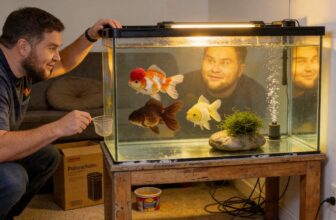
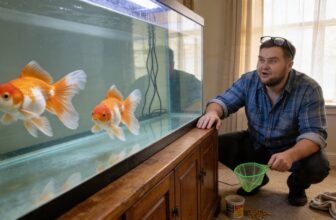
A glass fishbowl sits on a windowsill, its water slightly cloudy, as a goldfish named Marigold develops strange charcoal smudges along her fins. The owner notices, feels a quiet worry, and wonders if the fish is sick or simply changing. Black spots on goldfish carry many meanings, some harmless, others urgent, and the difference lies in what the eye cannot immediately see.
At A Glance
- Genetic darkening spreads slowly and evenly, while stress causes sudden, patchy black spots.
- High ammonia burns fish skin, leaving black scars as damaged tissue heals over time.
- Weekly ammonia testing and 20% water changes prevent toxic spikes and new spots.
- Parasites make fish rub against surfaces; genetic darkening never causes itching or distress.
- Clean water allows black scars to fade, though some genetic darkening stays permanent.
Is Your Goldfish Turning Black? When to Worry
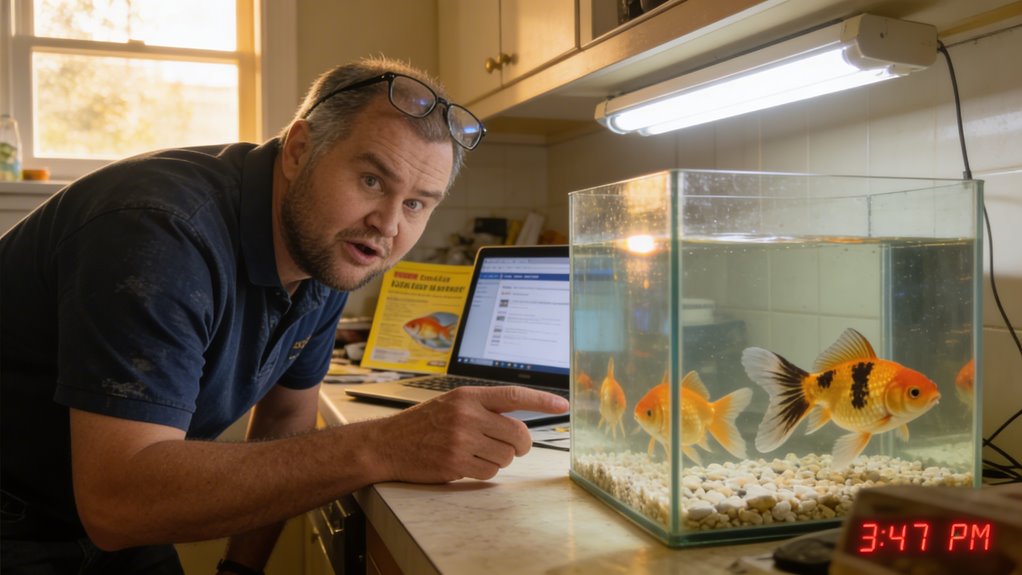
A single goldfish gliding through clear water can turn heads with a sudden dash of black across its scales, and that sight stirs worry in even steady hearts.
Not every darkening means danger. Color genetics work like inherited traits in families, some fish carry genes that deepen their hue as they mature, a natural change requiring no medicine.
Some goldfish darken naturally with age, their inherited genes deepening color like a family trait—no treatment needed, only patience.
Environmental stress mimics this look, yet stems from trouble. Poor water quality, temperature swings, or crowding push the body to react.
The difference matters. Genetic shifts arrive slowly, evenly, whereas stress patterns appear suddenly, patchy, often with sluggish swimming.
Watching closely brings clarity.
Ammonia Poisoning: The Most Common Cause of Black Spots
Invisible molecules drift through tank water, carrying a threat that goldfish bodies reveal through dark patches.
Ammonia, a waste chemical invisible to the eye, burns delicate gills and skin when levels rise above 0 parts per million.
Ammonia testing reveals hidden danger before fish suffer, giving keepers power to protect their living companions.
Black spots appear not as disease, but as healing—scar tissue knitting together where ammonia burned.
With clean water, patience, and steady care, color recovery follows.
The fish does not blame its keeper.
Together, through attentiveness, they return to balance.
Safe Ammonia Levels: and How to Fix Dangerous Spikes
Water, clear enough to see through, carries secrets that a test tube and color chart can reveal. Zero is the safe number for ammonia; anything more burns tender gills and skin. Test weekly, watch for the green that means danger. Ammonia filtration works day and night, breaking poison into safer parts, so choose filters sized for your tank plus a little extra. pH buffering, which means keeping water from swinging too acid or too base, lets helpful bacteria thrive. Change twenty percent of water each seven days, remove uneaten food promptly, and your fish will breathe easy among friends who understand together.
Parasites vs. Genetics: How to Tell What’s Causing the Change
Peer closely at your goldfish, and you may notice dark patches arriving like uninvited guests, or perhaps like welcome changes written in its very blood. The difference matters to every keeper who wants to belong to this quiet world of watching.
Parasites announce themselves with itch: your fish rubs against gravel, against glass, seeking relief. Black Spot Fluke, carried from snails through a complex parasite lifecycle, raises hard cysts like tiny seeds under the skin. Breaking that cycle means removing snails, the middle home where larvae grow.
The fish rubs, the glass answers back: parasites speak in a language of gravel and glass, of tiny seeds beneath the skin.
Genal inheritance writes a gentler story. The fish swims easy, eats well, and darkens like autumn leaves changing—no rubbing, no distress. Genetic darkening arrives slow, often in fins first, and never harms.
Watch the behavior, not just the color. A comfortable fish tells you which story you are living.
Why Healing Burns Turn Black (and How Long Color Takes to Return)
Notice the dark smudges that appear after a water crisis has passed, and you are seeing the body mend itself. These marks look alarming, yet they tell a story of resilience.
When ammonia burns delicate tissue, the fish responds by producing mel pigment as a protective seal. Think of it as a scab, dark and temporary, shielding wounds while repair happens beneath.
Pigment restoration unfolds slowly, often weeks or months, like waiting for a bruise to yellow and fade. Water must stay clean, ammonia at zero, for the process to complete. Patience rewards those who watch without rushing.
Will Black Spots on Your Goldfish Ever Go Away?
Black spots settle onto a goldfish like autumn leaves on still water, and anyone watching wonders if spring will ever lift them away again.
The answer lives partly in the diet tank, partly in time. When ammonia burns heal, those dark patches fade like bruises on summer skin, though some fish carry faint shadows forever. A steady diet environment keeps new spots from arriving—clean water, measured food, patience. Genetic blackening stays for life, a harmless tattoo of ancestry rather than illness. Watch your fish swim, alert and hungry. That energy means healing continues beneath the surface, quiet and certain.
Daily Water Tests That Prevent Future Color Problems
A test strip pulled from its white plastic tube holds more answers than the busiest guess, turning color like a leaf in autumn wind to tell what the water hides.
The careful keeper sets a schedule, morning light touching glass as they dip and wait.
Test test, compare to the chart taped inside the cabinet door.
Zero ammonia means rest, means color staying true, means the fish swims easy without healing black patches forming.
This small ritual, two minutes before coffee, builds trust between watcher and watched.
Numbers steady, worry stays small.
The tank becomes a home.
When Black Spots Mean Your Fish Is Actually Healthy
Sometimes a dark patch on a goldfish flank carries glad news, not alarm.
Genetic darkening emerges as fish mature, like freckles on a child’s nose. Natural pigment variation appears in mixed-breed fish, those common orange pets from pet store tanks. Black streaks may line fins, dots may pepper scales, and the fish swims on, hungry and bright-eyed. This color shift harms nothing. No medicine helps, as none is needed. The keeper simply watches, perhaps noting the date of first spotting, and accepts this living creature’s changing coat. Understanding this difference, between harmless inheritance and dangerous warning, brings quiet confidence to the aquarium corner.
Frequently Asked Questions
Can Diet Cause Goldfish to Turn Black?
Diet impact rarely drives color change in goldfish. The flesh inside the belly processes food, not pigment cells on the skin. True blackening stems from ammonia burns healing, genes switching on, or parasites burrowing in. Feed quality matters for bright orange or white, but black arrives from tank chemistry, ancestry, or sickness, not breakfast. Check water first,血统 second.
Do Black Spots Spread to Other Fish?
Black spots themselves do not spread between fish.
Spot transmission genetics means color changes pass parent to offspring, not tankmate to tankmate. Waterborne pathogens, like the black spot fluke parasite, can travel through shared water, but the black cysts stay on each infected fish separately.
Ammonia burns and genetic darkening affect only the individual fish experiencing them.
Observation brings calm certainty. Each fish carries its own story in its skin.
Is Blackening Reversible Without Treatment?
Some darkening reverses itself, some does not.
Ammonia damage heals, and black patches fade once clean water returns, though pigment loss may leave faint marks. Genetic shifts from juvenile color to adult are permanent, as gen genetics, the inherited instructions inside each cell, direct this normal change. Patience matters. A thoughtful keeper watches, maintains steady conditions, and accepts that beauty shifts like seasons, neither good nor bad, simply true.
Can Stress Alone Darken Goldfish Coloration?
Stress alone can darken goldfish coloration through stress induced discoloration, a temporary hormonal pigment shift. When frightened by loud noises, rough handling, or poor water conditions, the fish releases hormones that expand dark pigment cells. This fades once calm returns. Unlike ammonia damage or genetics, stress darkening is fleeting, harmless, and resolves within days of restoring peace to the tank.
Should Black Goldfish Be Isolated From Others?
Isolation protocols suit only contagious threats, not harmless color shifts. A blackened goldfish carries no infection warranting separation, so standard social dynamics remain intact. Observe tank mates for stress signals like hiding or fin-nipping, which matter more than pigment. The community thrives together, each fish adding belonging to the whole. Keep water clean, watch behavior closely, and let the group stay united except true illness appears.
Rounding Up
A clean test kit, resting on the counter beside a notebook, marks the end of worry. Black spots once feared become signals understood—genetics needing patience, stress needing work. Water changes measured in gallons guard against ammonia’s quiet burn. The fish swims on, color returning in weeks, perhaps months. Observation wins, panic loses. Knowledge keeps goldfish bright.