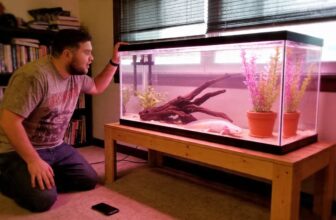
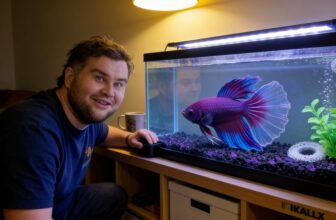
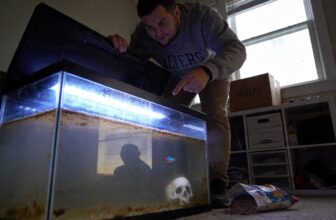
Betta quarantine tank setup isn’t just a nice-to-have—it’s the difference between a thriving sorority and a funeral procession.
A proper isolation tank protects your entire system from disease outbreaks, parasites, and the heartbreak of watching tankmates drop like flies.
Start with a bare 10‑gallon, a gentle sponge filter, and a reliable heater稳定的78‑80°F.
This stripped‑down approach runs under $50 and eliminates hiding spots for pathogens while giving your fish room to breathe.
Resist the urge to medicate healthy fish—blanket dosing stresses immune systems and accelerates antibiotic resistance.
Instead, add silk plants for security without tearing delicate fins, and perform 25% water changes every three days.
New arrivals need 2–4 weeks of observation; sick fish require 1–4 weeks depending on severity.
Skip overhead lighting to minimize algae and reduce shock during recovery.
This simple insurance policy keeps your display tank pristine.
Ready to dodge the three mistakes that wreck even experienced keepers?
At A Glance
- Use a quiet, low-traffic location with stable temperature and soft, indirect light.
- Start with a bare 10-gallon tank, heater, sponge filter, and smooth hiding spots.
- Fill with 50% conditioned tap water and 50% main tank water for new fish.
- Quarantine new bettas for 2–4 weeks to break parasite cycles and protect the main tank.
- Perform 25% water changes every 72 hours with a filter, or daily changes without one.
Why Your Betta Needs a Quarantine Tank (Even If It’s Healthy)
Think of a quarantine tank as an insurance policy your betta never signed up for. Even a healthy fish benefits from temporary isolation.
It’s a calm, controlled space—no tankmates, no stress. The isolation benefits are huge: your betta eats without competition, and you spot issues before they explode. Stress reduction is key, since less stress means a stronger immune system. A bare 10-gallon tank, heater, and sponge filter cost under $50. That’s cheap peace of mind. For a smaller setup, ensure the sponge filter is properly submersed and powered by an adequate USB adapter to avoid pump failure.
You’re not being paranoid; you’re being smart. Every betta deserves that.
For setup success, consider a simple plastic box like the Penn‑Plax Small World which offers a compact, portable option for temporary hospital or medication use.
The Two Main Purposes: Isolate New Fish and Treat Sick Bettas
A quarantine tank serves two straightforward jobs: isolating new fish and treating sick ones.
For Bettas in community tanks, it’s your safety net—newcomers get a two‑to‑four‑week observation before joining the main show. Sick fish receive medication without harming tank mates or disrupting Tank cycling basics.
It’s your safety net: newcomers get a two‑to‑four‑week observation, sick fish get medication without harming tank mates.
- The relief of knowing your main tank stays safe.
- The satisfaction of watching a sick betta recover.
- The peace of mind from controlled feeding.
- The confidence of avoiding outbreak panic.
- The pride of being a responsible, prepared owner.
For sick bettas, treatments like API Bettafix provide targeted antifungal and antibacterial relief without harming the main tank’s ecosystem.
Why You Should Never Treat Healthy Fish in a Quarantine Tank
That quarantine tank sitting there, all set up and ready, might look like a perfect opportunity to give a healthy betta a “preventative” dose of medication. Don’t. You’re not helping; you’re inviting trouble.
Dosing meds without symptoms stresses the fish, weakening its immune system. Worse, it encourages medication resistance, making future treatments useless. It additionally disrupts tank cycling, killing beneficial bacteria your filter needs. If the cycle is compromised, consider adding live nitrifying bacteria to restore biological filtration without medication. For a healthy betta, stable decor like ceramic base anchors can provide secure hiding spots without altering water chemistry.
A healthy betta belongs in a stable, med‑free environment. Save the quarantine tank for its real job: isolating sick fish or new arrivals. Your betta will thank you—by not dying.
Where to Place Your Quarantine Tank for a Low-Stress Betta
Even before you plug in that heater or add a single drop of water, the quarantine tank’s location is its first—and most overlooked—piece of equipment.
A betta’s temperament demands calm; a busy hallway or drafty window will spike stress, ruining your setup.
Tank aesthetics matter less here than peace.
- A quiet corner, away from kids and pets, so your betta feels safe.
- Stable temperature, no direct sun or AC vents, to avoid sudden chills.
- Low foot traffic, so he doesn’t flare at every shadow.
- A flat, level surface, preventing wobbles that spook him.
- Soft, indirect light, mimicking his natural, dim habitat.
Place it right, and he’ll settle fast.
Using a leveling mat under the tank absorbs vibrations and ensures uniform support, reducing the risk of glass cracking on uneven surfaces.
Black dense-foam mats offer higher density for stability on especially uneven floors or furniture.
Minimum Tank Size: Why 10 Gallons Is the Starting Point
Most stores offer two- or five-gallon “kits” for bettas—ignore them. A quarantine tank starts at ten gallons for one reason: water volume. Smaller tanks let toxins spike fast, stressing a sick fish. Larger volume dilutes waste, buying you time between water changes. For gentle species like shrimp, a five-gallon tank with adjustable flow can work, but for quarantine purposes, prioritize water volume. A 10 gallon rimless glass fish tank provides an unobstructed view for monitoring your betta’s condition.
Tank decorations like silk plants or smooth caves still fit, giving your betta hiding spots without crowding. Aim for fifteen or twenty gallons if you can; it’s more forgiving. A ten-gallon setup costs around thirty dollars for a bare tank. That’s cheap insurance for your betta’s health.
Bottom line: bigger is better. Don’t skimp here.
Water Setup: How to Fill for a New Fish vs. a Sick Fish
Filling a quarantine tank isn’t one-size-fits-all; the water itself changes based on whether you’re welcoming a new betta or nursing a sick one. For a new fish, use 50% conditioned tap water mixed with 50% water from the main aquarium—this eases their shift into your community.
For a sick fish, fill completely with conditioned tap water; no main tank water, to avoid spreading illness.
Guarantee temperature matching to the main tank (78-80°F) for both cases, reducing stress immediately.
- It’s hope, mixed in a bucket.
- It’s safety, measured in gallons.
- It’s calm, when their world tilts.
- It’s trust, in water you control.
- It’s belonging, in careful chemistry.
Using a 5‑Gallon Collapsible Bucket will provide compact, portable storage for mixing the conditioned tap water needed for the setup.
The conditioner you choose can also provide slime‑coat support from products like API Stress Coat to aid healing in sick fish.
Essential Quarantine Tank Gear: Heater, Filter, Air Bubbler, Hiding Spots
Gear for a betta quarantine tank isn’t complicated, but skimping on the wrong piece can turn a simple setup into a crisis.
A heater is non‑negotiable; stable warmth stabilizes water chemistry and supports Betta behavior during stress.
An air bubbler, gentle and adjustable, replaces oxygen lost by medications.
A sponge filter, around $15, provides gentle flow plus biological filtration.
Finally, add smooth, soft hiding spots—fake silk plants or a ceramic cave—so your betta feels secure, not exposed.
Skip harsh decorations; they tear fins.
Without these basics, recovery stalls.
Start with a heater and bubbler, then add filter and cover.
For a small quarantine tank, choose a model like the HiTauing 25W Heater that offers an adjustable knob and thickened glass for safety.
Many such heaters include overheat protection that shuts off at 99°F for added peace of mind.
Do You Need a Light for Your Quarantine Tank?
- You avoid shocking them with sudden brightness.
- You skip the hassle of managing light placement.
- You protect your betta’s natural rest during a light cycle.
- You reduce algae during they’re healing.
- You save a few dollars for medication instead.
Skip the light except if you need to watch them eat.
Dim, simple, and intentional—that’s the quarantine way.
Consider using a magnetic algae cleaner if any algae still appears despite the dim lighting. This tool keeps glass clear without introducing extra light or stress, using dual-side pads for gentle daily wipe and abrasive algae removal.
Water Changes: How Often With a Filter vs. Without
Water‑change frequency in a quarantine tank is a straightforward trade‑off between a filter and no filter, and forgetting which schedule you’re on is a certain way to poison a betta.
With a filter, a 25% partial water change every 72 hours suffices, reducing stress by keeping water stable when handling bioload. Using a sponge filter adds gentle mechanical and biological filtration to keep water stable. For a quiet, low‑power option, a submersible filter like the NICREW model provides gentle flow ideal for small quarantine tanks.
Without a filter, complete daily water changes are mandatory.
This routine removes waste and leftover fish medications fast, though it’s more work.
That daily swap delivers stress reduction by preventing toxin buildup, essential for a sick betta.
Either way, stick to your schedule—your betta’s relying on you.
Quarantine Duration for New Bettas: 2–4 Weeks
So, how long should you actually commit to watching a new betta in a quiet, bare quarantine tank before you unleash it into the main display?
Two to four weeks—no shortcuts.
Two to four weeks—no shortcuts. This breaks the parasite lifecycle and protects your tank.
This breaks the parasite lifecycle, preventing hitchhikers from wrecking your community.
Finishing the full quarantine additionally avoids medication resistance later.
- Your main tank stays safe—no hidden diseases.
- You bond with your new buddy, watching every wiggle.
- You avoid the guilt of infecting your other fish.
- You master patience, earning that peaceful display.
- You join the wise club of quarantine believers.
Adding a small piece of SunGrow Cholla Wood can provide a natural hiding spot for your betta to reduce stress during isolation.
Using a Hygger Adjustable Bracket can help position a light evenly over the tank to reduce shadowed corners during observation.
Bottom line: Stick it out.
Your future betta family will thank you.
Quarantine Duration for Sick Bettas: 1–4 Weeks Depending on Illness
When your betta is already sick, the quarantine timer shifts from a precaution to a treatment plan, typically lasting one to four weeks depending on the illness. Every infection demands illness specific treatment, and completing the full course is critical for resistance prevention—stopping early risks a tougher bug next time. Frequent water testing with a reliable kit helps monitor water quality during the treatment period. For accurate readings, store your test kit in a cool, dark place to preserve its accuracy.
| Illness Type | Typical Duration |
|---|---|
| Parasites (ich) | 2–3 weeks |
| Fungal infection | 1–2 weeks |
| Bacterial (fin rot) | 2–4 weeks |
| Velvet | 3–4 weeks |
| General stress | 1 week |
Stick to the schedule, even though your betta looks better. Ending treatment early is like leaving the movie before the plot twist—you miss the point.
Permanent Quarantine Tank vs. Emergency Setup: Which Is Right for You?
Two quarantine approaches exist: permanent setups for betta guardians with multi-fish communities and emergency tanks for single-betta keepers.
A permanent tank’s tank cycling role provides stability, meaning less stress for your fish. An emergency setup lacks this, requiring a prepared *prompting technique*—like having a spare sponge filter seeded in your main tank.
- A permanent tank means instant rescue, no frantic midnight setups.
- Emergency tanks offer freedom from constant maintenance duty.
- Your community betta demands the security of a cycled sanctuary.
- A single betta keeper saves effort with a go‑when‑needed bin.
- Both paths welcome you to the responsible fish‑keeper club.
For community tanks, go permanent. For solo bettas, the emergency route works fine.
A permanent tank can use a reliable filter like the Whisper 20 for effective ammonia removal.
For an emergency setup, keep a spare filter running in your main tank to provide biological filtration ready for instant use.
How to Disinfect Your Quarantine Tank When Not in Use
So whether you chose the permanent sanctuary or the emergency bin, eventually your quarantine tank will sit idle. That stillness is the perfect moment for a deep clean. Disinfecting prevents future outbreaks and protects your main tank’s delicate tank cycling. Empty everything, then scrub with a diluted bleach solution and rinse thoroughly. For a natural option, consider using Aqua Natural Midnight Pearl gravel, which is kiln-dried and triple-washed to support stable bacterial colonization. A 100% silicone sealant like JAOJAO can also be used to reseal any seams that show wear during the idle period.
| Step | Action | Key Note |
|---|---|---|
| 1 | Empty tank and remove all equipment | Collect substrate in a separate container |
| 2 | Fill tank with water, add 1 tsp bleach per gallon | Scrub all surfaces and gear thoroughly |
| 3 | Rinse completely, air dry 3–5 days | Replace filter media; skip salt treatment |
Boil plastic plants and decorations, but not gravel. Air drying is critical—bleach residue, even in tiny amounts, can crash your tank cycling. For salt treatment, only use it during active illness, not as a disinfectant. Wrap everything in saran wrap, then label the storage bin. Your future fish will thank you for this lazy afternoon’s work.
3 Common Quarantine Tank Mistakes to Avoid
Avoiding a few common quarantine tank blunders can save a betta owner both heartache and wasted effort.
A leaky tank is a disaster waiting to happen—it soaks floors, stresses fish, and ruins gear.
Cloudy water screams bacteria bloom, often from rushing setup or skipping the cycle.
For bettas in small volumes, choosing a tank with high‑clarity glass can improve visibility and reduce stress during treatment.
These mistakes isolate a betta from its community, making owners feel guilty and alone in their error.
- You feel that sinking dread when water pools under the tank.
- You panic as cloudy water hides your sick fish from view.
- You wish you’d cycled the tank before the emergency hit.
- You question if you’re even cut out for this hobby.
- You just want your betta safe and healthy again.
Don’t let errors push you out of the circle. Choosing a tank with 4 mm rimless glass can prevent leaks and improve durability.
Frequently Asked Questions
Can I Use Water From My Main Tank for a Sick Fish?
Yes, you can use water from the main tank for a sick fish, but it’s not ideal.
That water contains waste and bacteria, which can cause nitrate spikes and stress the fish. Plus, it carries the same pathogens that might have already infected tank mates.
Better to use fresh, conditioned water for a quarantine setup. It’s cleaner, safer, and gives the sick fish a fighting chance without risking the whole community.
Do I Need to Cycle a Quarantine Tank Before Use?
No, a quarantine tank does not need to be cycled before use. Imagine a betta owner rushing to isolate a sick fish; waiting weeks for Tank cycling would be disastrous. Instead, use water from the main tank, which already has Bacteria colonies, to kickstart the environment.
For a sick fish, fill with conditioned water, add a heater and filter, and perform daily water changes. This keeps ammonia low without a full cycle. It’s not ideal, but it works for short-term care.
How Do I Prevent My Betta From Getting Stressed in Quarantine?
Prevent stress by using dim lighting and a sponge filter for gentle flow—bettas hate strong currents.
Add silk plants or a small cave (no sharp edges) for hiding, and match water temperature exactly to the main tank (78–80°F).
Keep handling minimal; don’t tap the glass.
For new fish, use 50% main tank water to ease the shift.
A calm setup means a calmer betta, simple as that.
Can I Treat Multiple Sick Bettas in the Same Quarantine Tank?
Treating multiple sick bettas in one quarantine tank is risky. Disease transmission risk spikes when fish share water, despite the fact that they appear similar.
Cross contamination protocols demand isolation; one fish may carry a pathogen others resist. A 10‑gallon minimum offers stability, but cramming two bettas together stresses them, weakening immune systems.
For ethical treatment, separate tanks—or at least divided sections with sealed dividers—are recommended. The bottom line: don’t skip isolation; it prevents turning one sick fish into a whole outbreak.
What Do I Do if My Betta Stops Eating in the Quarantine Tank?
A stopped appetite in quarantine is like a locked door; it signals stress signs, not rebellion.
Check water parameters first—ammonia or temperature swings kill hunger.
Appetite triggers improve with dim lighting and a hiding spot, like a silk cave for nine dollars.
A fasting day or two is fine; bettas are dramatic, not starving.
Offer a single brine shrimp to tempt them.
When they eat, you belong to the calm-solver club.
Bottom line: fix the environment, not the fish.
Rounding Up
So, a quarantine tank isn’t glamorous. It’s a plastic box with a heater, sitting in your laundry room. Coincidentally, that quiet spot is exactly where sick bettas recover best, free from the chaos of community life.
Treating one fish here avoids medicating the whole tank, a common mistake that weakens healthy immune systems. For twenty dollars for a basic setup, you skip future heartache and dead stock. It’s boring insurance, but it works. Set it up today; your betta’s health depends on it.