You’ll want a 10‑gallon minimum, though 30 gallons gives everyone breathing room – Acropora branches are non‑negotiable, since your goby’s suction‑cup belly locks onto them like reef glue.
Feed live baby brine, mysis, or quality flakes in small doses, dawn and dusk, and keep odd numbers (5, 7, 9) if you’re running a group so they don’t murder each other over territory.

Hatch live baby brine to win over picky clown gobies

High-protein mysis mimics natural diet, keeps gobies healthy

Staple flakes with essential nutrients for daily feeding
Check discounted items inAquarium Fish Food
Skip nets when handling – their toxic mucus coat tears easily – and test water weekly to keep that armor thick.
Lawnmower blennies, cardinalfish, and seahorses make fine neighbors; groupers, triggers, and lionfish will simply eat them.
Temperature drifts between 72‑78°F work fine, pH 8.1‑8.4, salinity 1.020‑1.025, but stability beats chasing perfect numbers.
Now, if you’re wondering which of the five main species fits your tank, or how to spot a healthy specimen before you hand over cash – well, there’s more worth sticking around for.
At A Glance
- Popular species include Green, Yellow, Panda, Citrinus, and Black Clown Gobies with distinct color patterns.
- Minimum tank size is ten gallons, though thirty gallons or larger supports breeding and groups.
- Feed varied proteins like baby brine shrimp, mysis, and flakes multiple times daily.
- Compatible mates include lawnmower blennies, cardinalfish, and seahorses; avoid predatory fish.
- Provide clustered Acropora branches with narrow passages for territorial hiding and symbiosis.
What Makes Clown Gobies Essential Reef Fish
Even though you might spot flashier fish cruising the reef, clown gobies punch way above their weight class, and once you understand why, you’ll wonder how you ever stocked a tank without them.
These unassuming reef guardians prove that survival isn’t about flash – it’s about finding your niche and holding on for life.
You’re basically hosting living glue. These tiny gobies, barely two inches, defend reef biodiversity by staking claims in coral branches nobody else wants. Their bodies evolved for coral symbiosis – those suction-cup bellies lock onto *Acropora* like they’re holding on for dear life, which, let’s be honest, they are.
A well-designed sump with adjustable baffle chambers can help maintain the pristine water quality these coral-dependent fish demand in a reef aquarium.
Now, the mucus thing sounds gross, I mean, it’s gross, but that’s their armor. Predators take one bite, spit them out, and never try again. You’re watching millions of years of chemical warfare in real time.
They’re not just survivors. They’re specialists.
How to Identify Clown Goby Species (Gobiodon vs. Lookalikes)
Since you’ve got a penny-sized fish masquerading as three different genera, and nobody at the fish store is going to help you sort it out if you don’t know what to look for.
- Check the Head Shape – *Gobiodon* carries that big, round, cartoon-clown dome, whereas *Paragobiodon* looks more snub-nosed and compressed.
- Count the Fins – *Gobiodon* shows rounded, almost paddle-like pectorals; lookalikes run pointier, more angular.
- Use Coloration Identification – true clown gobies favor bold, uniform bases with clean stripes, not mottled patches or gradients.
- Study Genetic Patterns – when in doubt, note the mucus coat toxicity, it’s thicker in *Gobiodon*, a dead giveaway you’re dealing with the real deal, not some coral-impostor cousin.
When setting up identification tanks, consider using coral frag racks or small artificial live rock to create visual landmarks that help distinguish subtle species differences during observation.
5 Clown Goby Species Every Reefer Should Know
You’ve got the eye now, the knack for spotting that rounded dome and sticky ventral fins, so let’s put it to work on the names you’ll actually see in shops and swap meets.
- Green Clown Goby (*Gobiodon histrio*) – toxic mucus, orange stripes, basically bulletproof.
- Yellow Clown Goby (*G. okinawae*) – canary bright, stocky, 1.5 inches of confidence.
- Panda (*Paragobiodon lacunicolus*) – white-yellow, black fins, the black-and-white aesthetic.
- Citrinus (*G. citrinus*) – “poison goby,” blue gill lines, handles corybn chemistry swings.
- Black (*G. ceramensis*) – velvet dark, reef biodiversity indicators love ’em.
When selecting specimens, aim for a 4:6 meat‑to‑vegetable ratio in their prepared diets to mirror the protein-rich zooplankton and algae they graze in the wild.
Tank Size, Corals, and Water Parameters for Clown Gobies
Whether you’re wedging a single goby into a nano cube or planning a sprawling SPS garden, you’ll need to nail the basics before those sticky little fins ever hit the glass. You’re running a reef here, not a hotel, but these squat little characters demand specific amenities to actually thrive.
- Tank size: Start at 10 gallons minimum, though 30 gives you breathing room – 100 if you’re breeding, I mean, go big or go home.
- Coral placement: Position *Acropora* branches strategically, creating hidey-holes where gobies can wedge their sticky fins.
- Lighting: Moderate-to-high for coral health, but leave shadowed pockets – nobody likes a spotlight tan.
- Parameters: Keep temps 72–78°F, pH 8.1–8.4, salinity 1.020–1.025. Stable chemistry matters more than perfect numbers, so don’t obsess.
For new clown gobies being introduced to your reef, consider using a magnet acclimation box with 2.5 mm slits to allow gentle water flow while they adjust to your tank’s conditions.
How to Build a Reef Setup Clown Gobies Thrive In
So you’ve locked down the numbers, but what actually turns a glass box into a home these gobies won’t want to escape? It’s coral placement – strategic, deliberate, almost architectural. You bunch your Acropora in clusters, leaving narrow passages, since clown gobies crave that pressed‑in feeling, that sense of walls on three sides.
Microhabitat integration means you’re not decorating, you’re building neighborhoods. A slope of live sand here, a shadowed overhang there. They’ll hop from branch to branch, ventral fins gripping, surveying their little empire.
And yes, sometimes they spit sand at you. Consider it feedback.
Keep the flow moderate – blast these guys and they hide forever.
Their toxic mucus works better when they feel safe, not battered.
Stack rocks for caves, but leave sight lines; these fish are nosy, territorial, basically tiny landlords with fins.
You want them thriving? Build them a world worth patrolling.
For smaller reef systems, low‑iron glass eliminates green tint, enhancing coral color and clarity so you can better observe your goby’s territorial patrols.
What Do Clown Gobies Eat?
When you first drop a clown goby into your tank, it’ll stare at that frozen mysis like you’ve offered it a tax return – suspicious, unimpressed, maybe a little insulted. These guys are carnivores with attitude, and winning their trust matters.
Here’s what actually works:
- Start small, think live – baby brine shrimp wins them over when nothing else will.
- Anchor near coral – they’re built for coral grazing, picking between polyps like buffet diners.
- Protect the slime – mucus toxins keep them safe, so don’t stress them into hiding.
- Rotate proteins – mix mysis, cyclops, and quality flakes; boredom kills appetites faster than hunger.
Feed small, feed often, and they’ll join your reef family proper.
For reef tanks housing these coral grazers, twice‑weekly water testing helps catch phosphate spikes before they stress your fish into hiding.
Clown Goby Not Eating? Troubleshooting Appetite Loss
Since a clown goby turning up its nose at food is less “picky eater” and more “canary in the coal mine,” you’ve got to move fast – but not panic-fast, more like “suspect your cooking” fast.
First, check your parameters. Ammonia spikes or wonky salinity trigger a Stress response that shuts their appetite down cold. Now, look at your Light cycle – too bright, too sudden, or too irregular, and they’re hiding instead of hunting.
Try these:
- Feed at “dawn” and “dusk” to match their rhythm
- Offer live brine shrimp – movement tempts reluctant mouths
- Check if coral harassment, not illness, stole their nerve
Count bites, not just offerings. No improvement in 48 hours? Test, reassess, repeat. For reef tanks, saltwater nitrate targets of near-zero ppm are critical, as even subtle nitrate elevation can suppress feeding behavior in sensitive gobies.
Best and Worst Tank Mates for Clown Gobies
Though your clown goby won’t file a formal complaint about its roommates, it’ll let you know – through clamped fins, hidden hours, or that telltale refusal to eat – that the chemistry’s off.
You’ve got to curate this reef society carefully, friend. Moldy leftovers from poor tank hygiene? That’ll tank the whole vibe. And reef competition for prime coral real estate – well, that’s where things get spicy.
Now, here’s your compatibility cheat sheet:
- Lawnmower Blennies – peaceful algae-grazers who won’t cramp your goby’s style
- Cardinalfish – nocturnal, non-threatening, basically excellent neighbors
- Seahorses – slow, goofy, utterly disinterested in drama
- Avoid groupers, triggers, lionfish – they’ll snack on your tiny clown without remorse
Even a modest 3‑gallon betta tank can house a single clown goby, though larger setups offer more stable water parameters and greater stocking flexibility for compatible tank mates.
Managing Clown Goby Aggression in Groups
You’ve picked your tank mates carefully, friend, but here’s the twist – sometimes the real drama isn’t coming from the outside. Clown gobies, those pocket-sized charmers, turn territorial when crowded.
Start with territory mapping: scatter *Acropora* branches, maybe one coral per goby, so each claims a doorstep. They’ll pick favorites, patrol edges, and occasionally bluff-charge neighbors. It’s theater, mostly.
For stress mitigation in groups:
- Keep schools odd-numbered (5, 7, 9 – who knows why, but it works)
- Add breaks in sightlines, rockwork or tall corals
- Watch the smallest; they eat last
Give them room, and they’ll school. Crowd them, and it’s coral cartel warfare.
Maintaining stable water parameters with an AI‑driven climate controller can reduce environmental stress that might otherwise amplify territorial squabbles in crowded tanks.
Why the Mucus Coat Matters (And How to Protect It)
As you’re busy admiring those clown gobies flitting between coral branches, there’s something you’re not seeing – the slippery, invisible shield that keeps them alive. That toxic mucus layer? It’s armor, really. No scales, so this gooey coat repels predators who sample once and spit. I mean, you’d learn fast too. Stress reduction keeps it intact; rough handling, poor water, or bullying tankmates strip it away. Installing a protein skimmer with proper GPH matching removes organic waste before it degrades water quality and stresses your gobies’ protective coating.
Join the careful keepers who prioritize Mucus restoration through patience, proper diet, and pristine parameters. Your gobies belong here, safe in their slimy armor.
Four ways you’re protecting what you can’t see:
- Test weekly – you’re catching trouble before coatings thin.
- Feed varied, small meals, three times daily.
- Avoid nets; use cups for moves, gentle hands when you must.
- Quarantine newcomers, as one stressed fish risks everyone.
Marine Ich, Velvet, and Mucus Disorders in Clown Gobies
Since you’ve already put in the work protecting that mucus coat, you’re not starting from zero here – you’re heading off trouble at the pass. Marine Ich, Velvet, and mucus disorders can still sneak up, especially when stress runs high or water quality slips. Your goby’s ichatinous shield helps, but it’s not armor – it’s more like a bouncer that can get overwhelmed. Watch for coral bleaching in your tank too, since stressed gobies get sick easier when their homes suffer.
| What You See | What You Do |
|---|---|
| White spots, flashing against rocks | Quarantine, copper treatment |
| Dusty gold film, rapid gill movement | Copper or chloroquine, stat |
| Cloudy slime, torn fins | Freshwater dips, improve diet |
| Pale coral, withdrawn goby | Check parameters, reduce flow |
Stay vigilant, stay stocked, stay part of the club.
How to Breed Clown Gobies: Pairing to Free Swimmers
Pairing to Free Swimmers
Your goby’s healthy mucus coat means you’ve cleared the hardest hurdle – sick fish don’t spawn, or if they do, the eggs rot before they hatch. You’re ready to breed, and here’s how you join the club:
- Pair ’em up. Get two females, watch the larger flip male – proto-what-now? Just nature’s backup plan.
- Pick your coral. They need branches for coral attachment; *Acropora* works, or they’ll sulk.
- Ramp the heat. Push to 80°F, maybe 81°F, and wait. Patience, friend.
- Respect the slime. That mucus toxicity? Keeps parents safe, not the eggs – male guards those 1,000+ orange pearls until they drop free.
Done. Almost.
Raising Clown Goby Fry: Rotifers to Juveniles
Rotifers to Juveniles
And the fry? You’re in it now, friend. This is where reef keepers separate the dreamers from the doers.
You’ve got free swimmers, barely visible, hungry for rotifers – live ones, fresh culture, not that jarred stuff from the back of your fridge. Feed ’em constantly, like every two hours, since starvation waits for no one.
Starvation waits for no one: fresh rotifers, every two hours, or watch your dreams dissolve in the water column.
Around day 25, you switch to Artemia nauplii, and here’s where genetics protocols matter: track your lines, label your broods, or you’ll lose track of who’s who when you’re running four tanks.
By day 33, transformation hits. They’re not fish-shaped yet, more like angry commas with eyes.
Then comes fry ambienceination – that’s your lighting, your flow, your spooky quiet mornings when you check if anyone’s still alive. It’s eighty percent water changes and staring, mostly staring.
Day 40 brings color. Actual goby color. And you feel it – that belonging, that stupid pride, since you kept something alive that most people kill by Wednesday.
Welcome to the club.
Buying Healthy Clown Gobies: Red Flags at the LFS
Red Flags for Healthy Clown Gobies at the LFS
How do you spot a goby that’s already halfway to the grave? You learn the tells, and you don’t fall for a pricey supplier’s pretty tanks.
Now, scan these red flags before you buy:
- Cloudy eyes or breathing that races – stress, maybe ich, definitely trouble.
- Torn fins, faded colors, hiding behind the filter – classic sick-goby behavior, you know it when you see it.
- Tankmates coughing up ich clouds or flashing against rocks – run, don’t walk, from that system.
- Staff can’t explain their quarantine protocol, or worse, admit they ship straight to your bag – that’s amateur hour, and you’re better than that.
Catch these signs, and you’ll bring home survivors, not statistics.
Frequently Asked Questions
Do Clown Gobies Jump Out of Open Tanks?
Yes, they jump. Your clown goby’s behavior demands a lid, full stop.
Now, you’re dealing with a fish that’s basically a nervous little suction cup with anxiety issues – you’ve seen them dart into coral when shadows pass, right?
That same panic response launches them skyward when startled.
Think of jump prevention as cheap insurance: mesh tops work, glass lids work better, and your future self will thank you when you’re not fishing a crispy goby off the floor.
I mean, they don’t exactly bounce.
Are Clown Gobies Durable for Beginner Reef Keepers?
Yes, you’re looking at solid beginner suitability, though you’ll need to manage their territorial behavior.
They don’t demand expert skills – just stable water, some coral to cling to, and a lid since they’ll dart.
But cram two in a ten-gallon and you’ve got turf wars, mucus coats torn, stress mounting.
Pair them in thirty gallons or more and suddenly they’re schooling, peaceful, almost embarrassingly easy.
Respect their space, they’ve got your back.
How Long Do Clown Gobies Typically Live in Captivity?
You’ll typically get three to five years of life in captivity from a clown goby, maybe seven if you’re lucky and diligent.
Now, aging factors matter – water quality, diet variety, stress from tankmates, and whether you’re giving them enough coral to call home.
They don’t show age like we do, no gray fins or reading glasses, just slower movement, maybe less interest in food.
Keep parameters tight, feed well, and you’ll maximize that lif captivity lifespan.
Can Clown Gobies Change Color Based on Mood or Health?
You bet they can shift shades, and you’ll spot mood coloration fast once you’re watching closely – pale stress, dark aggression, bright contentment.
Now, health indicators matter too: fading often signals ammonia spikes or ich brewing, whilst blotchy patches might mean that toxic mucus coat got damaged.
Do Clown Gobies Need a Refugium or Sump in Their System?
You don’t strictly need a sump, but you’ll appreciate the refugium benefits once you see how it stabilizes everything. A sump isn’t necessity-level for a 10-gallon nano, indeed, but pair it with live rock and you’re golden.
Now, for larger setups – 30 gallons and up – you’re gonna want that extra filtration, no question. I mean, Clown Gobies aren’t messy, but their coral’s sensitive. Water volume buffers mistakes, and let’s be honest, you’ll make some.
Sump necessity? It’s negotiable, not gospel.
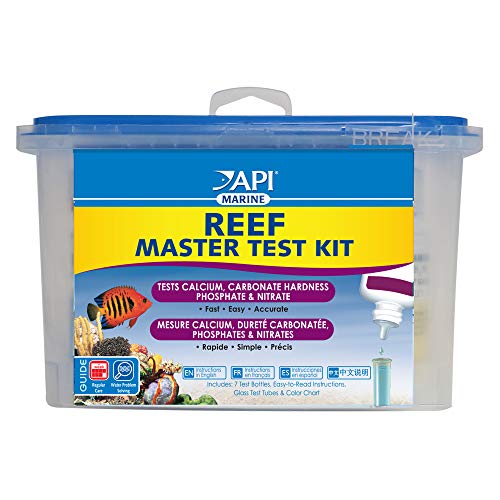
Monitor pH, alkalinity, and calcium for stable reef water

Keep temperature stable between 72-78°F for clown goby health
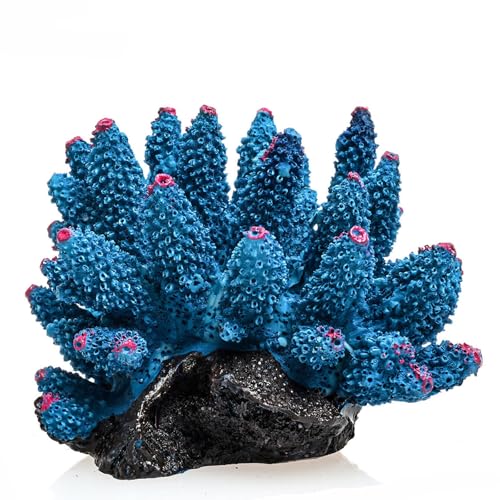
Provide hiding spots and mimic natural habitat for gobies
See today's best deals onReef Tank Supplies