Angelfish bullying can turn your peaceful tank into a war zone, but the fix is simpler than you think. Most aggression stems from cramped quarters, poor genetics, or unstable water – not “mean” fish. First, learn to read the room: chasing without biting is often courtship, while locked lips mean war. Give breeding pairs at least 30 gallons to claim territory. Rearrange your hardscape to reset boundaries and break visual lines. Test ammonia weekly – zero is non-negotiable. Feed small, frequent meals to reduce food competition. For relentless bullies, a tank divider buys peace without rehoming. Stop guessing and start observing. Your angelfish are telling you exactly what they need.
At A Glance
- Adjust male-to-female ratio to one male per two females to reduce chasing.
- Rearrange tank decor to break up established territories and reset hierarchy.
- Provide ample hiding spots with tall plants and driftwood to reduce face-offs.
- Separate severely bullied fish into a breeder box or quarantine tank.
- Feed small portions twice daily to reduce hunger-driven competition and aggression.
Is It Bullying or Breeding? How to Tell the Difference
Watch closely before assuming your angelfish are at war – they might just be flirting.

Separates bullies instantly to stop fin-nipping without rehoming fish.

Gives a bullied angelfish a safe, stress-free recovery zone in the tank.

Dispenses small, frequent meals to reduce hunger-driven aggression.
Check discounted items inAquarium Supplies
A breeding ritual, where they shimmy and clean a flat surface, signals romance, not rivalry.
A territory shift, with one fish guarding a specific leaf, points to nesting, not a brawl.
If they chase but never actually nip fins, it’s courtship.
Locking mouths? That’s fighting.
Check for eggs; that confirms flirting over fury.
You’re part of a community that reads the signs – saving stress, saving fish.
Observe calmly; your eye for detail builds a peaceful tank.
For isolating a bullied fish, consider an external hanging breeding box to provide a stress-free recovery zone.
These boxes typically use suction‑cup mounting for secure glass attachment, ensuring the box stays in place without disturbing the tank.
What Makes Angelfish Aggressive? The Real Causes
So you’ve ruled out romance – those locked mouths aren’t a kiss, they’re a brawl. Real causes run deeper.
Inbreeding aggression stems from poor breeding practices; closely related fish inherit a short fuse, making them prone to bullying.
Genetic aggression is simply that – some angelfish are born scrappy, thanks to their lineage.
Stress from lack of space or too many males fuels it, too.
Bottom line: if your fish were bred poorly, they’ll fight. Choose stock from reputable breeders; it saves headaches. A solid setup needs at least 30 gallons for two, more for peace.
Providing a spacious environment with a load capacity of over 1,100 lb ensures the stand can safely handle the tank’s weight and reduce stress from instability.
How Poor Water Quality Directly Causes Aggression
Dirty water doesn’t just look bad – it makes your angelfish mean. Poor water quality stresses them out, directly sparking aggression. Ammonia buildup irritates their gills and skin, making them snappy. Levels above 0.25 ppm are particularly dangerous. Parasite outbreaks thrive in filthy tanks, weakening fish and triggering defensive fights. Temperature swings – even a few degrees – disorient them, turning peaceful angels into fin-nippers.
You want a calm community? Keep water pristine. Test weekly for ammonia, nitrites, and nitrates. Maintain pH between 0.6-1.2 and temperature steady at 75-82°F.
Change 20% every two weeks, not more. Clean water clears their heads – and your tank stays peaceful.
Using a lab-accurate 7‑in‑1 test kit ensures you catch dangerous spikes early and keeps your fish stress-free.
Why Overcrowding Turns Your Tank Into a War Zone
| Overcrowding Problem | Consequence |
|---|---|
| Limited personal territory | Constant fin‑nipping |
| Few hiding spots | No refuge for bullied fish |
| High competition for food | Increased hunger‑driven aggression |
| Stunted growth | Long‑term health issues |
| Elevated stress hormones | Lowered immune response; more illness |
Simply put: more fish does not mean more fun – it means more fights. Give them room to breathe. For angelfish, using a large tank with proper sizing prevents the space conflicts that trigger bullying. For community setups, a 20‑gallon glass aquarium provides ample territory to reduce crowding stress.
How Much Space Do Angelfish Really Need to Stay Peaceful?
The short answer is: a single angelfish needs at least 20 gallons, but for a peaceful group, you’re looking at 30 gallons for two, and a minimum of 50 for anything more.
Tank size directly controls aggression.
Cramped quarters spike stocking density, turning fins into targets.
A 55-gallon, for example, lets four angelfish claim separate zones.
Skimp on space, and you’re basically hosting a grudge match.
Your fish want room to breathe, not a mosh pit.
Give them that, and they’ll reward you with calm.
A ultra‑clear glass tank can help reduce stress by providing a clear, secure boundary between territories.
Bottom line: bigger tanks mean fewer fights. It’s that simple.
A 45° beveled edge further enhances the view by creating a seamless visual transition between panels.
Feed More Often to Stop Hunger-Driven Fights
Space alone won’t keep angelfish from snapping at each other if they’re hungry. Hunger stress turns peaceful fish into fin-nipping rivals, so a reliable feeding schedule is your best peacekeeper.
Hunger stress turns peaceful fish into fin-nipping rivals, so a reliable feeding schedule is your best peacekeeper.
- Feed small portions twice daily, not one big meal, to spread resources and reduce competition.
- Offer high-quality flakes or pellets, plus frozen brine shrimp twice a week, to satisfy their appetites.
- Watch for leftover food after five minutes; adjust portions to avoid waste whilst keeping bellies full.
- Using an automatic feeder with precision portion control ensures consistent, small feedings even when you are away.
A full angelfish is a calm angelfish. Stick to the schedule, and you’ll belong to a tank that feels more like a community, less like a cafeteria brawl. For example, using TetraMin Tropical Flake food provides immune support and stress tolerance to help keep your fish calm and healthy.
Does Your Tank Layout Make Bullying Worse?
A cramped, barren tank is basically an invitation to fishy fisticuffs. A poor tank layout forces fish into constant face-offs. Hiding spots are critical for escape. Without them, aggression explodes. Adding spider wood bundles provides varied shapes for creating multiple small hiding spots that break up territory.
| Layout Issue | Effect on Angelfish | Simple Fix |
|---|---|---|
| Open water only | No escape routes | Add tall plants |
| No vertical breaks | Territory overlap | Use driftwood |
| Single feeding zone | Food fights | Scatter food |
| Clear sight lines | Constant chasing | Break line of sight |
| No caves or shadows | Stress builds | Add PVC pipes or pots |
Your tank should feel like a fish condo, not a boxing ring. Give each fish a corner or cave, and watch the tension drop. A smart tank layout is your cheapest peacekeeper. Using heavy, natural river stone plant weights can securely anchor tall plants to create those critical hiding spots without shifting in high-flow areas.
Why Mated Pairs Attack Their Tankmates
It’s not personal – just instinct. Adding live nitrifying bacteria can reduce stress by improving water clarity and breaking down waste that triggers territorial behavior. For example, Microbe‑Lift Nite‑Out II converts ammonia to nitrite then nitrate, supporting a healthier environment that eases aggression.
What’s the Best Male-to-Female Ratio?
Balance is the secret to a peaceful angelfish community – get the male-to-female ratio wrong, and you’re basically hosting a soap opera with fins. The ideal ratio is one male to two females, which spreads male attention and cuts down on relentless chasing. Here’s how different setups play out:
| Ratio | Outcome |
|---|---|
| 1 male : 1 female | High pressure on one female; constant harassment |
| 1 male : 2 females | Balanced; aggression reduction, females have breaks |
| 1 male : 3+ females | Still works, but requires more space and hiding spots |
| 2 males : 1 female | Territorial chaos; males fight constantly |
| 3+ males : 2 females | Unstable; violence spikes without clear hierarchy |
Stick with 1:2 for a calmer tank. It’s your best bet for aggression reduction and a happier community. Additionally, ensuring gentle bubble flow from the filter helps minimize stress on sensitive fish by preventing strong currents that can trigger defensive behavior. Using a 40 PPI sponge for the filter intake can further reduce stress by smoothing water flow and trapping fine debris that might otherwise agitate the fish.
Quick Fixes: What to Do When a Fight Breaks Out
- Use a divider: Slip a mesh panel into the tank, giving each fish their own side to cool off. For reliable separation, choose high-density plastic panels that resist warping and won’t leach chemicals.
- Dim the lights: Low light calms everyone down, like a time-out for your angelfish.
- Toss in extra food: A quick meal distracts them from fighting – hangry fish are aggressive fish.
These quick fixes buy you time as you plan a proper tank overhaul later. For a permanent solution, consider installing a cut‑to‑size cover to prevent jumpers during sudden conflicts.
Rearrange Your Tank to Reset the Pecking Order
Rearranging the tank is the aquarium equivalent of hitting a reset button – it breaks up established territories and forces the angelfish to start over. This causes hierarchy disruption, making past bullies lose their claimed spots. Tank resets work best when you move everything; driftwood, rocks, and plants all get shifted. Using heavy resin weighted plants ensures stable anchoring during the rearrangement.
| Before Reset | During Reset | After Reset |
|---|---|---|
| One angel claims left side | You drain 30% water, rearrange decor | No fish knows where to go |
| Bully chases others from corner | Wash items in tank water | Time for a fresh start |
| Pecking order is set | You add plants in new spots | Everyone investigates, bullying drops |
It’s a cheap fix – just your labor – and it works. Using tested, stable decorations like resin castle sets helps maintain water parameters during the reset.
When to Separate an Angelfish for Everyone’s Safety
Sometimes rearranging the tank isn’t enough. When one angelfish relentlessly injures others, notwithstanding your best layout changes, separation becomes the compassionate choice. You’ll know it’s time when:
- A fish is pinned in a corner, missing fin chunks, or refusing food for days
- Genetics testing reveals inherited aggression in your bloodline – some fish are simply wired for trouble
- Breeding triggers turn a normally calm fish into a territory-obsessed bully, attacking even its former friends
Isolate the aggressor in a separate tank, or use a breeder box for quick relief. Your community deserves peace, and sometimes one fish needs its own kingdom. A heavy-duty steel stand can safely support the weight of a separate isolation tank. The stand’s 1,100 lb weight capacity allows you to place a full 75-gallon tank securely, even with additional equipment.
Prevent Future Fights: Long-Term Tank Maintenance
You’ll rarely stumble into long-term angelfish peace without a little behind-the-scenes upkeep. Consistent tank maintenance – weekly 20% water changes, scrubbing algae, and cleaning the filter – directly reduces aggression.
Good water quality, with pH stable between 6.0 and 7.5 and ammonia at zero, keeps fish calm and less irritable. Using liquid reagent kits ensures precise monitoring of ammonia and nitrate levels. Trim live plants monthly; they offer hiding spots but can overcrowd.
Test kits cost around $15; use them every two weeks. A clean, spacious tank signals safety, not competition. Using a 7‑in‑1 Pond Test Strip helps monitor multiple parameters like pH, nitrate, and hardness in a single dip.
Stick to this routine, and your angelfish will feel part of a stable community, not a battleground. Bottom line: steady maintenance prevents future fights.
3 Mistakes That Accidentally Encourage Fighting
Even well-intentioned hobbyists can accidentally turn their angelfish tank into a boxing ring by making three classic blunders.
- Inadequate filtration lets waste build up, making water quality plummet. Grumpy fish, grumpy fights. A canister filter rated for double your tank size – like the Fluval 407, around $150 – keeps peace. A filter with UV sterilization can further clear pathogens that stress fish and trigger aggression. For maximum effectiveness, ensure the sterilizer uses a 254 nm UV‑C wavelength to properly break down harmful microorganisms.
- Genetic predisposition means some angelfish are born brawlers. If a pair’s parents were aggressive, their fry likely will be too. Separating those bloodlines early saves headaches.
- Skipping hiding spots leaves no escape routes. Add dense plants or driftwood caves; each angelfish needs its own corner to retreat.
Bottom line: fix filtration, cull aggressive lines, and build hideouts. Your tank stays calm, you stay sane.
Frequently Asked Questions
Can Angelfish Aggression Be Genetic?
Yes, angelfish aggression can be genetic. Their inherited temperament is wired in, thanks to angelfish genetics – some lines are simply born grumpy.
Inbreeding often cranks up that hot temper, passing it down like a family heirloom nobody wants. So when buying from a breeder, ask about their fish’s personality.
Otherwise, you might end up with a tank full of tiny terrors.
How Does Tank Temperature Affect Angelfish Aggression?
Like a kingdom thrown into chaos by a sudden storm, temperature shock disrupts the fragile peace of an angelfish tank.
When the water swings wildly, fish become irritable, misreading dominance cues and lashing out at neighbors.
A stable 75–82°F range keeps them calm, not cranky.
Think of it as thermostat diplomacy – steady temps prevent unnecessary squabbles.
Will Adding Tank Mates Reduce Bullying?
No, adding tank mates usually backfires. Dither fish – species that reduce aggression by signaling safety – can help, but only if territory limits are respected. Angelfish need their own space. Crowding them with new fish often triggers more bullying, not less.
Stick to a 30‑gallon minimum for two, or 50+ for a community. A larger tank with hideouts works better than throwing in tank mates and hoping for peace. It’s like inviting guests to a tiny apartment – no one’s happy.
Do Angelfish Fight to the Death?
Angelfish rarely fight to the death, notwithstanding their dramatic territorial disputes and mating rivalry. Most brawls look worse than they are – like two kids puffing up in a schoolyard. They chase, nip, and lock mouths, but fatalities are extremely uncommon.
Still, if bullying is severe, one fish can get stressed or injured badly. Keep your tank roomy enough (30+ gallons for two) and add lots of hiding spots. That way, everyone retreats when tempers flare.
Does Rearranging Decorations Permanently Stop Fighting?
No, rearranging decorations does not permanently stop fighting, but it can provide a temporary territory reset. Angelfish rely on established territories and visual barriers like plants or driftwood to reduce aggression. A tank shake-up disrupts their familiar zones briefly, easing stress.
Nonetheless, if the root cause – like overcrowding or a bad male-to-female ratio – remains, bullies will reestablish dominance. Think of it as a parent rearranging living room furniture: it confuses the kids for a day, but they’ll find new spots to bicker.
For lasting peace, address tank size and hierarchy.
Rounding Up
Peace in an angelfish tank isn’t magic. It’s a quiet, daily balance – like keeping a stack of wet dinner plates upright. Watch for the subtle flash of a chased fin, the telltale nip that fades into stress. Treat the water, spread out decor, give them room to breathe. When that pecking order settles, you’ll see it: fins glide, not dart. The tank becomes a slow-motion ballet instead of a soap opera. Simple maintenance buys you calm. Don’t overthink it – just keep the peace.

Catches ammonia, nitrite, and nitrate spikes before they trigger bullying.

Breaks down waste and clarifies water to lower stress-induced aggression.
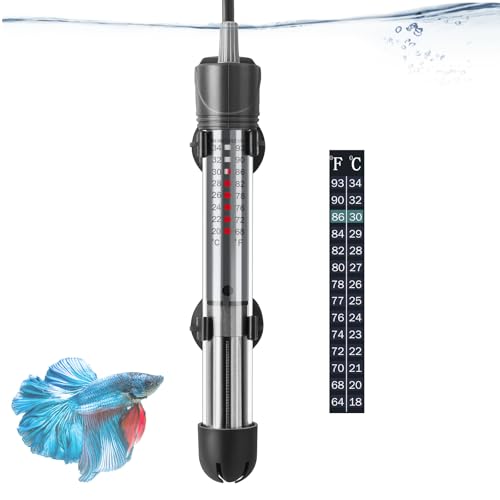
Keeps temperature steady at 75–82°F to prevent stress-related fin-nipping.
Browse discountedAquarium Water Careon Amazon