The Niger Triggerfish, *Odonus niger*, wears electric blue-green scales that darken to moody purple-black when stressed – nature’s built-in mood ring. It hits ten inches in captivity, lives a decade plus, and demands 180 gallons minimum, not since it’s huge, but since it gets cranky in cramped quarters.
Water stays tropical, 72–82°F, salty at 1.020–1.025, with enough flow to feel like an ocean treadmill. Reef safe? Absolutely not.
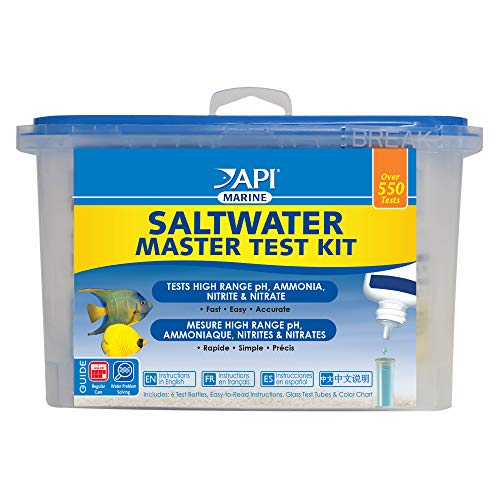
Complete kit to monitor pH, ammonia, nitrite, nitrate for stable water.

Instant salinity reading to keep water in the 1.020-1.025 range.

Accurate temperature monitoring to maintain 72-82°F for your trigger.
Check discounted items inAquarium Test Kits
It gnaws coral, shucks clams, and treats shrimp like popcorn. Feed meaty, shell-on foods – krill, mussels, squid – two to three times daily, or those signature red teeth grow wild.
Tank mates need backbone: moray eels, dwarf lionfish, maybe a blue tang if you’re feeling lucky. Skip the cleaners, the wrasses, and anything that looks bite-sized.
Now, health-wise, watch for ammonia spikes, since this fish generates waste like a small mammal, and keep a lid on tight – jumpers, every one. Sexing’s nearly impossible without months of courtship observation, and breeding? Don’t hold your breath.
Compared to its cousins, it’s less murderous than a Clown Trigger but more unpredictable than a Picasso, which, I mean, says something. There’s more below if you’re still curious.
At A Glance
- Odonus niger is not reef-safe, as it gnaws coral, damages clams, and preys upon shrimp and small fish.
- Adults require 180-gallon tanks with strong water flow to curb territorial aggression and stress.
- Suitable tank mates include moray eels, blue tangs, and dwarf lionfish; avoid all small or timid species.
- Feed meaty, shelled foods two to three times daily to maintain tooth health and prevent overgrowth.
- Sudden color shifts to dark hues signal stress, harassment, or poor water quality requiring immediate attention.
What Is a Niger Triggerfish? Appearance, Range, and Key Traits
One part showboat, one part scrapper, the Niger triggerfish patrols Indo‑Pacific waters with the confidence of a fish that knows exactly how sharp its teeth are. *Odonus niger* – alias red tooth, blue trigger, that fish with the overbite – shifts colors like moods, blue‑green giving way to black, purple, softer hues when stressed.
A showboat with self-awareness, patrolling reefs like it already read the reviews on its teeth.
Habitat and Range
South Africa to Fiji, Indonesia, the Great Barrier Reef
Physical Features
Lyre tail, missing pelvic fins, dorsal steering
Teeth
Red, prominent, built for gnawing
Cultural symbolism? Sparse. Culinary potential? Technically present, though aquarists prefer them swimming. This isn’t dinner – it’s declaration.
Unlike the gentle flow filtration recommended for delicate betta fins, Niger triggerfish thrive in robust water movement typical of their Indo‑Pacific reef habitats.
How Big Do They Get? Size and Lifespan Expectations
Most Niger triggerfish in home aquariums settle somewhere between a softball and a grapefruit, though “settle” might imply more cooperation than these fish typically offer. Adults commonly reach ten inches, occasionally stretching past twelve in the wild, but captivity usually tempers these ambitions.
Now, color growth patterns are worth noting, since juveniles arrive subtler – dusky greens, hesitant blues – before maturing into that dramatic midnight palette owners chase. I mean, the transformation matters as much as the centimeters.
Longevity trends suggest eight to ten years with decent care, sometimes fifteen for the stubborn and lucky. Not bad for something with teeth like that.
Their robust build and active swimming nature means they benefit from properly sized sump baffles to maintain stable water quality in systems large enough to house them long-term.
What Tank Size Does a Niger Triggerfish Need?
Where exactly does a fish with the territorial impulses of a bouncer and the swimming style of a hovercraft fit? Nowhere cramped, that’s certain.
The **minimum aqu and commitment starts at 100 gallons**, though 180 gallons per individual keeps the peace better – you’ll want that buffer unless you enjoy watching territorial meltdowns.
Think of tank setup as real estate: location, location, vertical swimming room.
This species steers with dorsal fins, not pectorals, so width matters less than length and height.
Skip the crowded reef scape; open water reduces aggression and belongs in any serious plan.
Adequate filtration matching high-flow rates of 400-450 GPH ensures stable water quality in these spacious tanks.Water Parameters: Temperature, pH, Salinity, and Filtration
How exactly does one keep water suitable for a fish that gnaws coral and treats its tank like a demolition zone? Well, you’re in this now, so here’s the deal.
Temperature sits at 72–82°F – room temperature, basically, if your room happens to be tropical.
A tropical room, a tropical fish – 72–82°F keeps both content.
pH: 8.1–8.4, tight, no slipping.
Salinity 1.020–1.025, standard marine, nothing fancy.
Now filtration. This fish, I mean, it *eats*, then it *excretes*. You’ll want 4–6× turnover hourly.
Four hundred gallons per hour minimum for a 100-gallon tank, scale up accordingly.
Water flow matters – moderate to strong, these fish cruise currents.
Light intensity? Standard daylight cycles work, though blues make those scales pop.
Keep it clean, stay consistent, and you’ll belong to the club.
Maintaining that tight pH window demands reliable testing, so invest in IP67 waterproof meters rated for submersion if you plan to monitor live.
Are Niger Triggerfish Reef Safe?
So, are Niger triggerfish reef safe? Well, not really, and here’s where reef compatibility gets complicated. These fish, with their mood-driven color signaling – shifting from electric blue-green to murky purple or black when stressed – are basically emotional teenagers with teeth. Sharp ones.
- They flip rocks like bored kids tossing pebbles
- Those red fangs? Built for gnawing coral rubble, not admiration
- Juveniles play nice; adults, not so much
- Stress colors mean damage incoming
- Clams, shrimp, small fish become expensive snacks
Stick to fish-only setups, or join the club of aquarists learning this lesson the hard way. If you need to isolate an aggressive specimen or protect vulnerable tankmates, consider using a mesh net breeding box to temporarily separate fish while maintaining water circulation.
How Aggressive Are Niger Triggerfish?
Just how nasty can a fish with cherry-red dentures really get?
Moderately awful, actually. Niger triggerfish charge, they bite, they rearrange your aquascape with spite. Adults escalate; juveniles merely promise trouble.
Territoriality drives everything. Implement smart tank strategies – hidey-holes, sight breaks, 180 gallons minimum – or prepare for fin-nipping chaos. A well-designed overflow box system can help maintain pristine water conditions that reduce stress-induced aggression in territorial species like the Niger triggerfish.
Breeding rituals crank aggression higher. Males guard nests ferociously, attacking anything that moves. Females aren’t much gentler.
They’re not murderous, just committed. Give them space, respect their moods, and accept some swagger. Cherry teeth command it.
What Fish Can Live With Niger Triggerfish?
- Dwarf lionfish, armed with theater
- Moray eels, too long to intimidate
- Blue tangs, fast enough to dodge
- Odd-numbered trigger groups – three beats two
Color psychology matters here: blues and purples signal calm, while the Niger’s shifting hues broadcast mood.
Match confidence to confidence, and the tank becomes community, not chaos.
Just as sine-wave pump technology reduces noise and vibration in marine systems to create a stable environment, matching fish temperament ensures your aquarium maintains its own calm equilibrium.
Which Fish Should You Avoid Keeping With Them?
Steer clear of anything timid, tiny, or tempting as a toothpick – this fish bites first and sorts taxonomy later.
Now, reef compatibility depends on knowing who won’t make it, and color-change triggers signal stress before the damage starts. I mean, clams disappear, shrimp become snacks, and small fish? Gone. Even clownfish, those supposed survivors, get bullied mercilessly.
When maintaining your aquarium, using fine mesh nets for delicate fish handling becomes essential during emergencies or tank transfers.
| Avoid | Why | Risk Level |
|---|---|---|
| Cleaner shrimp | Appetizer status | High |
| Small wrasses | Harassed to death | High |
| Timid tangs | Outcompeted, stressed | Moderate |
Your tank community stays intact only when you respect this truth: some fish just don’t belong together, and that’s okay.
What Do Niger Triggerfish Eat? Diet and Tooth Care
Once you know which tank mates survive, the next question becomes what these fish actually survive *on*.
*Odonus niger* packs carnivorous appetites, demanding a feeding schedule of two to three daily rotations – krill, mysis shrimp, mussels, brine shrimp, squid, clams on the half shell.
- They gnaw coral rubble for tooth hygiene, wearing down those signature red fangs
- Skip the veggies, mostly, though planktivorous flakes keep things rounded
- Messy eaters, so yeah, filtration matters
- Juveniles handle frozen; adults want meaty chunks, shells included
- Miss a meal and they’ll remind you, loudly
Belonging here means accepting the chaos. Feed well, filter better. Proper coral reef lighting ensures any live coral rubble remains healthy enough for their dental routine.
Why Is My Niger Triggerfish Changing Colors?
Watch a Niger Triggerfish long enough, and you’ll swear it’s wearing mood rings instead of scales – blue-green one moment, bruised purple the next, sometimes sliding into near-black like it’s trying to disappear into its own shadow.
These color mood shifts are normal, mostly.
The fish speaks in pigments. Contentment glows electric; irritation, fear, or territorial rage darken the palette fast. Think of these as stress indicators, signals any attentive keeper learns to read.
Now, sudden shifts without obvious cause – tankmate harassment, cramped quarters, poor water – demand attention. The fish isn’t being dramatic; it’s being honest.
Just as a check valve prevents backflow in aquarium systems, understanding these color signals prevents problems from reversing into your fish’s health.
Common Health Problems and How to Prevent Them
Health crumbles slowly, then all at once – especially for a fish built like a meat grinder with a Napoleon complex. Stress care and disease prevention separate thriving tanks from watery graveyards, and yeah, that matters.
Health crumbles slowly, then all at once – especially for a fish built like a meat grinder with a Napoleon complex.
Common Issues and Prevention
- Bacterial infections: white spots on belly, clamped fins, sulking in corners
- Parasite outbreaks: scratching against rock, rapid breathing, color washing out
- Tooth overgrowth: soft foods only, no crunch means trouble
- Ammonia spikes: test weekly, those four red fangs make serious waste
- Jump injuries: lids save lives, no exceptions
Now, water changes – twenty percent, biweekly – plus pristine filtration, that’s your insurance policy. I mean, this species tolerates mediocre care until it doesn’t, and then repentance arrives too late.
Can You Breed Niger Triggerfish? (And Why You Probably Won’t)
Breeding Difficulties
Male or Female? The Reality of Sexing Niger Triggerfish
Sexing Niger Triggerfish
Without dissection or hormonal testing – the kind of lab work hobbyists rarely pursue – you’re basically rolling dice. Sexual dimorphism barely registers in *Odonus niger*, and color‑pattern cues that seem promising usually lead nowhere. The blues, purples, mood blacks – females flash them too, so don’t bet your tank on hue alone.
Sexing *Odonus niger* without lab work? Pure gamble: color lies, dimorphism hides, and hope is not a strategy.
- Body shape differs microscopically, maybe, if you squint
- Females reportedly rounder, but who’s measuring fish BMI
- Males possibly larger, except when they’re not
- Courtship behavior reveals truth – if you wait months
- Breeding pairs self-select, so let the fish figure it out
The serious aquarist accepts uncertainty, finds community in shared confusion.
Clown Triggerfish and Picasso Triggerfish: How They Compare to Niger Triggerfish
Triggerfish Comparison
Three triggerfish, one family, and a whole lot of attitude to sort through.
Color behavior comparison reveals each species’ distinct personality. The Clown Triggerfish, *Balistoides conspicillum*, sports bold yellow lips and dramatic black-and-white patterning, far flashier than the Niger‘s moody blue-green shifts. Picasso Triggerfish, *Rhinecanthus aculeatus*, wear scattered geometric blotches like abstract art. All three share habitat overlap across Indo-Pacific reefs, though Nigers roam deeper waters.
Temperamentally? Clowns win for sheer aggression, attacking tanks and hands alike. Picassos moderate – territorial but distractible. Nigers fall between: spunky, unpredictable, occasionally reasonable with space.
Tank size matters equally – none belong in cramped quarters.
Frequently Asked Questions
Do Niger Triggerfish Need a Lid on Their Tank?
Yes, lid necessity is non‑negotiable – a Niger triggerfish will find the gap and launch itself like a scaly missile.
Tank security means covering every escape route since these jumpers, they’re committed, dramatic even.
Dampness containment? Secondary perk, really.
- Mandatory coverage: solid top, no mesh that tempts fate
- Sealed edges: they test boundaries, literally
- Weight it down: they’re strong, sometimes stubborn‑strong
A lidless tank, I mean, that’s just offering them adventure they won’t survive.
Can Niger Triggerfish Recognize Their Owners?
Niger triggerfish recognize familiar presences through feeding preferences and consistent owner behavior, though not with mammalian warmth.
They learn who brings food, associating specific individuals with meals – simple pattern recognition, really, not affection.
Bright colors, movement, and routine matter more than faces.
They’ll charge at strangers, hang near their regular feeder.
Bonding? No.
Conditional awareness? Absolutely.
How Often Should I Clean the Tank for a Niger Triggerfish?
Tank cleaning frequency depends on messy habits – this fish eats hard, scrapes coral rubble, and produces serious waste.
So, weekly water changes of 20-30% keep nitrates in check, and algae control demands scrubbing glass every 3-4 days, plus filter maintenance biweekly.
Test water parameters twice weekly; adjust based on readings, not guesswork. Over-cleaning stresses the fish, under-cleaning crashes the system – balance is everything, really.
Do Niger Triggerfish Make Noise or Vocalize?
Do Niger triggerfish vocalize? Not exactly, no. They lack the specialized anatomy for true sound communication, so don’t expect chirps or songs.
But here’s the thing – they’re loud anyway. These fish produce distinctive clicks, audible grunts, and sharp pops through rapid jaw movement, fundamentally snapping those muscular mouths shut with force. It’s not speech, it’s machinery.
Now, this noise serves territorial displays, warnings to rivals, maybe satisfaction after demolishing a snail. The red-toothed “spitfire” announces presence through percussion, conversation through collision.
Owners report hearing them across rooms – dry, mechanical, vaguely ridiculous. Like a tiny underwater carpenter, bad at carpentry, excellent at being heard.
Can Niger Triggerfish Be Kept in a Fish-Only System?
Yes, they thrive there – tank compatibility actually improves without coral to destroy, and water temperature stays manageable at 72‑82°F, though you’ll want stable heating.
Fish-only systems suit their aggression, messy habits, and rock-flipping tendencies. They need hiding spots, sand substrate, and strong filtration for waste.
Compatible mates include large puffers, groupers, morays – avoid small, timid fish entirely.
Three individuals, odd numbers, coexist best. Breeding’s possible but tricky; sexing them requires patience, luck, or possibly magic.

Meaty shell-on food to keep teeth healthy and prevent overgrowth.

Protein-rich treat that triggers natural hunting behavior.

Convenient meaty snack for carnivorous triggers.
Browse discountedAquarium Fish Foodon Amazon